- Category
- Latest news
Ukraine and Palantir Aim to Build a Nationwide AI Air-Defense Framework in Months
 Prefer U24 Media on Google
- Authors

-111f0e5095e02c02446ffed57bfb0ab1.jpeg "Photo of Roman Kohanets")
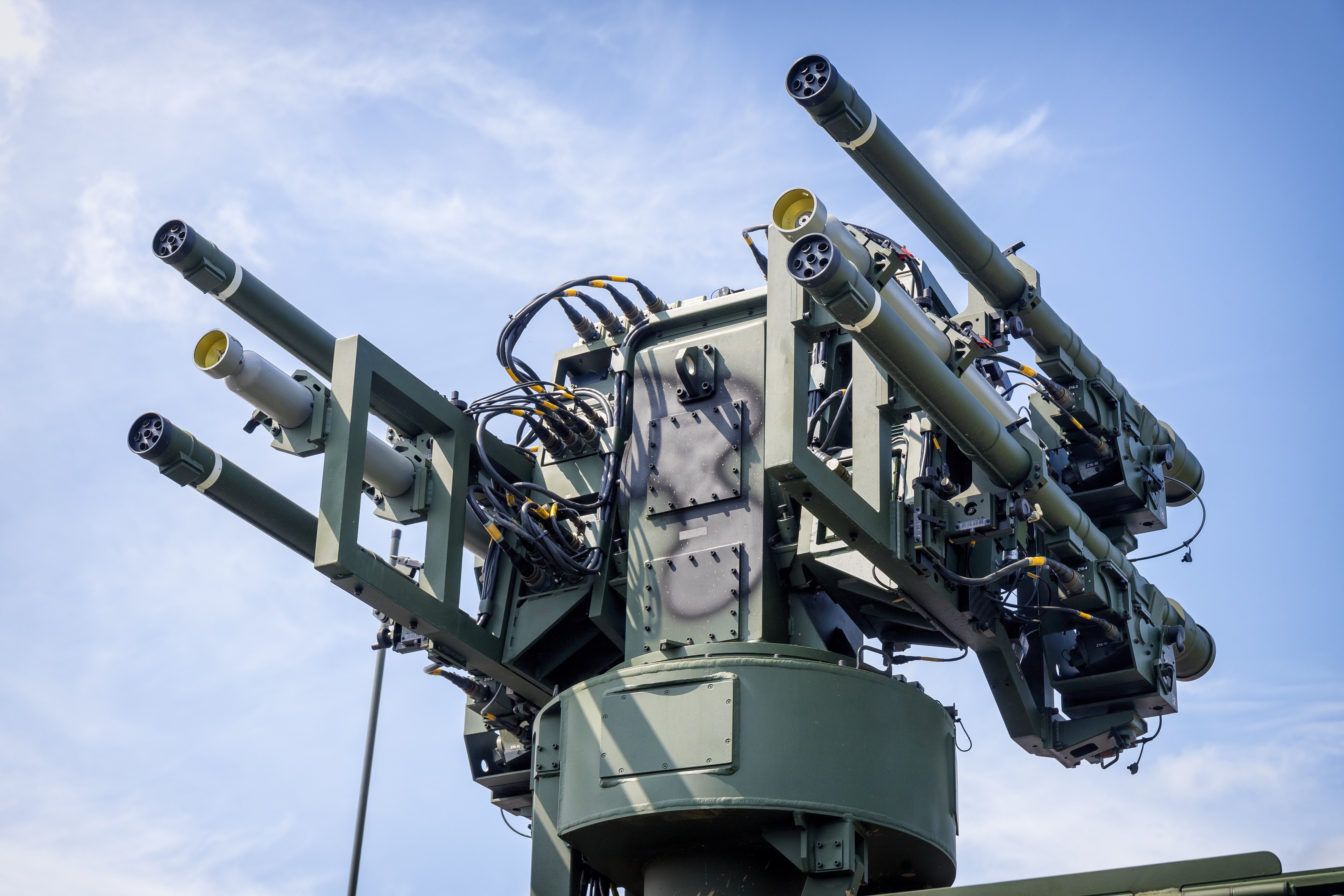
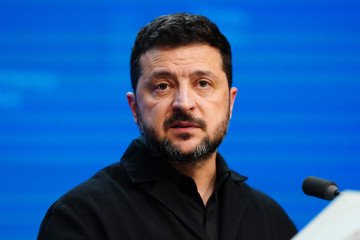
Ukraine plans to deploy a new generation of domestically produced, artificial intelligence-powered air-defense interceptors and has signed an agreement with US defense software company Palantir to build an advanced data platform aimed at predicting and defeating Russian missile and drone attacks, according to The Washington Post on January 20.
In an interview at the defense ministry in Kyiv, Ukraine’s new Defense Minister Mykhailo Fedorov said the government had “a clear plan about how to stop Russia in our skies,” the newspaper reported, adding that he then signed an agreement with Palantir to build an AI “Dataroom.”
We bring you stories from the ground. Your support keeps our team in the field.
The system is intended to use millions of pieces of sensor data and imagery gathered over four years of war to train AI models that can anticipate Russian strikes and guide low-cost, autonomous interceptors to targets, the report said.
The plan is being developed as Kyiv faces winter damage from Russian attacks on power and heating facilities this month, with some homes left without heat and residents relying on warming centers during freezing nights under a midnight curfew, the newspaper said.
Andrii Hrytseniuk, chief executive of Brave1, a defense-technology incubator working with the government, said the goal was to make Ukraine “unconquerable,” arguing that “the war stops when the enemy realizes that its political goals cannot be achieved,” according to the report.
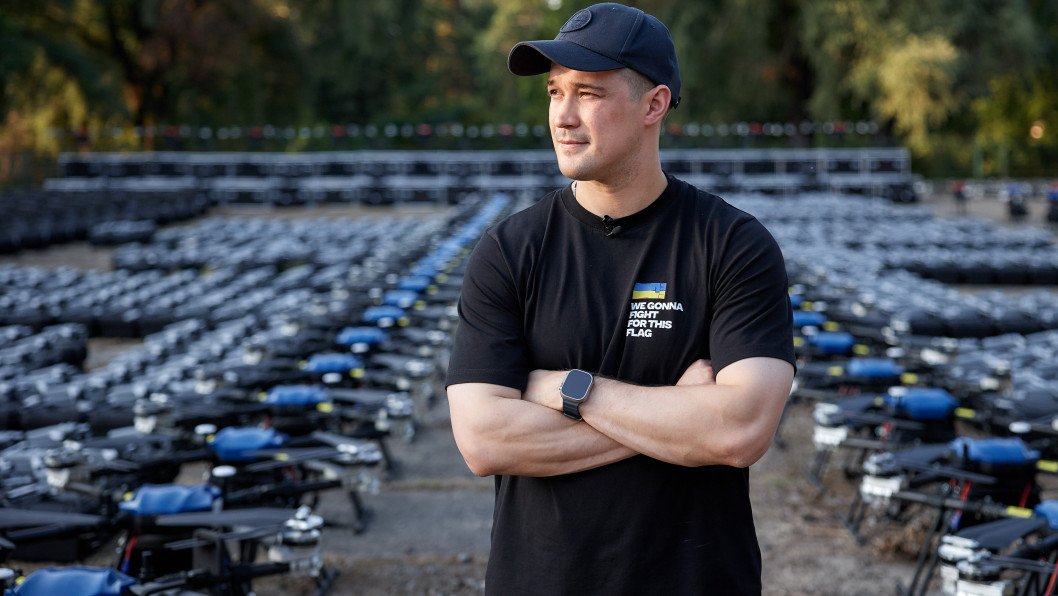
The newspaper said it traveled with Palantir executive vice president Louis Mosley, who has overseen the company’s work in Ukraine since 2022, and reported that the project is designed to build a nationwide framework for autonomous air defense within six months.
The report said Ukraine’s expanding defense technology sector is expected to build the interceptors that would integrate with the Dataroom software, while officials emphasized the need for cheaper defenses than the attacking drones and missiles.
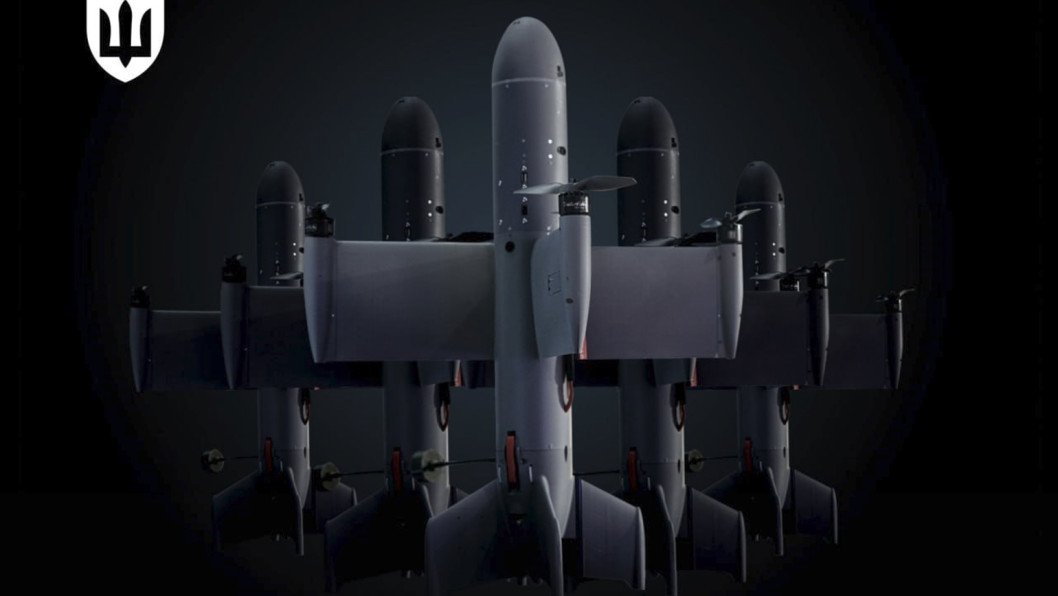
As an example, the newspaper cited the “Octopus” interceptor, which officials said costs a few thousand dollars, can hit Shahed attack drones that cost much more, has a radius of nearly 200 kilometers, and can carry electro-optical, infrared, or thermal sensors trained with AI to recognize incoming threats.
“We will be trading pawns for rooks,” Hrytseniuk said, according to the report.
The newspaper said Ukraine’s push has been driven by officials, including Fedorov, who previously led wartime technology efforts such as the Army of Drones, and Lt. Gen. Kyrylo Budanov a former military intelligence chief recently elevated by President Volodymyr Zelenskyy to head the presidential administration.
Meanwhile, it was reported that Ukraine’s Defense Ministry said tens of thousands of interceptor drones are expected to be delivered to the military after a program that scaled development with operational feedback and incentives for downing Shahed-type drones.
Discuss this article: