- Category
- Latest news
Ukraine Confirms First-Ever Guided Bomb Strike on Mykolaiv
 Prefer U24 Media on Google
- Authors

-111f0e5095e02c02446ffed57bfb0ab1.jpeg "Photo of Roman Kohanets")
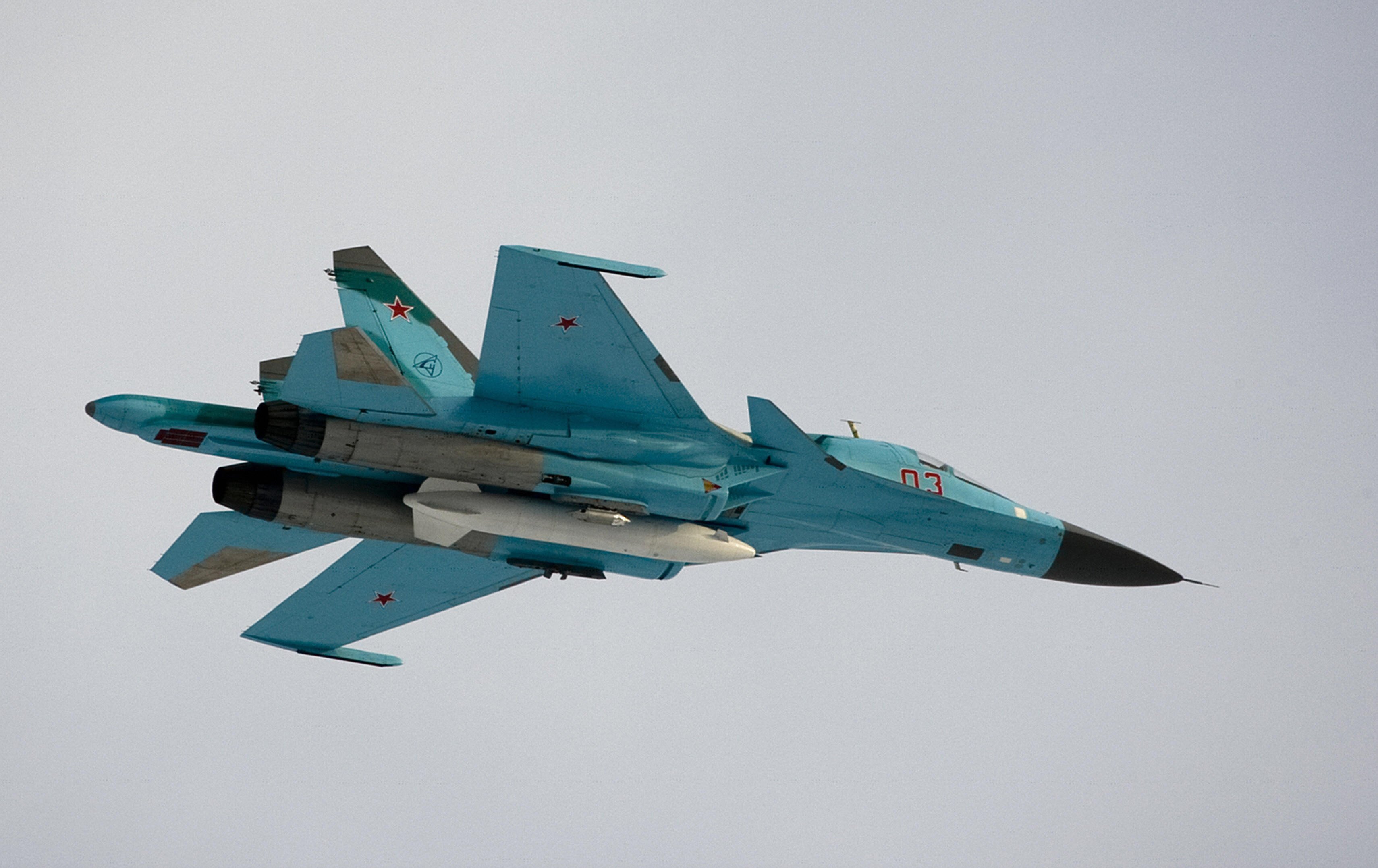
A Russian Su-34 dropped an air-delivered munition from the Black Sea toward Mykolaiv on October 16, according to Ukraine’s Air Force. This is believed to be the first recorded instance of a guided bomb strike in the Mykolaiv region.
The Air Force reported that the impact site has been located and, preliminarily, there are no casualties. “The impact site has been established; preliminary reports indicate no casualties,” the statement reads. Specialists are working on identifying the exact type of the munition.
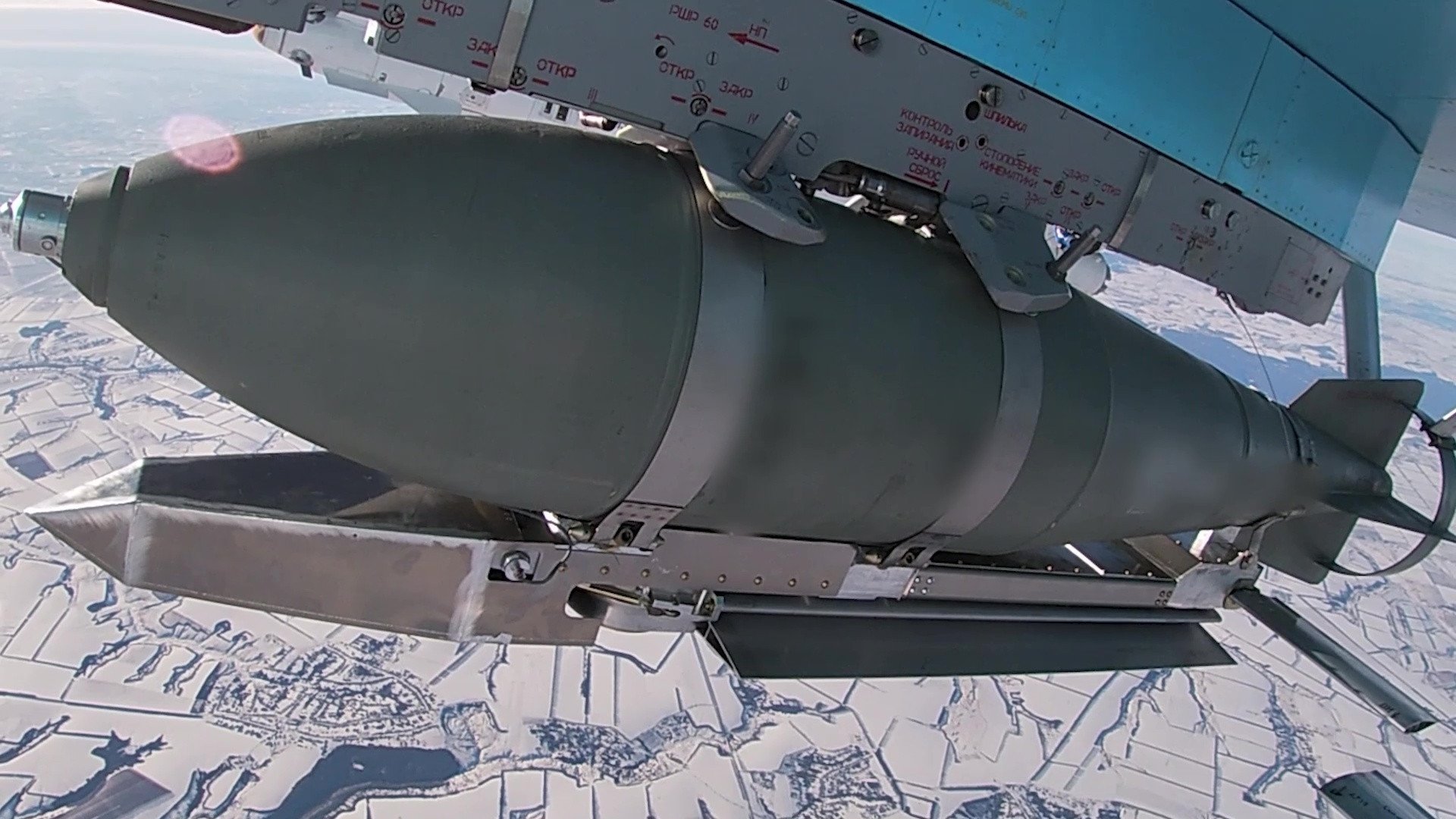
Online sources suggested the weapon may have been a KAB laser- or satellite-guided bomb, or a glide munition variant, but the Ukrainian military has not confirmed this. RBC-Ukraine was the first to publish the social media claim of a KAB strike.

A guided bomb is an air-dropped munition equipped with a guidance system that allows it to strike a target with far greater precision than traditional free-fall bombs. Instead of relying solely on gravity, it uses satellite navigation (such as GLONASS or GPS), laser targeting, or onboard sensors to adjust its trajectory mid-flight.
Russian models like the KAB-500 and KAB-1500 are often attached to glide kits, enabling aircraft such as the Su-34 to release them from a safe distance—up to 50 to 150 kilometers from the target.
Witness and media reports cite the novelty of this attack pattern in Mykolaiv, underlining its symbolic and strategic significance. Local emergency response units were dispatched to the site to secure the area, collect fragments, and prevent secondary hazards. Residents were again reminded to follow standard safety procedures during air-raid alerts.
Earlier, it was reported that Ukrainian intelligence said Russia’s D-30SN glide bomb incorporates foreign-sourced components and has a range of up to 100 kilometers when released from high altitude.
Discuss this article:
-9bd5e1532102621f8fb1c4ba871a3171.png)


-c439b7bd9030ecf9d5a4287dc361ba31.jpg "Photo of Katherina Popilnichenko")