- Category
- Latest news
Russia’s New D-30SN Glide Bomb Is Powered by US and Asian Tech, Ukraine Reveals
 Prefer U24 Media on Google
- Authors


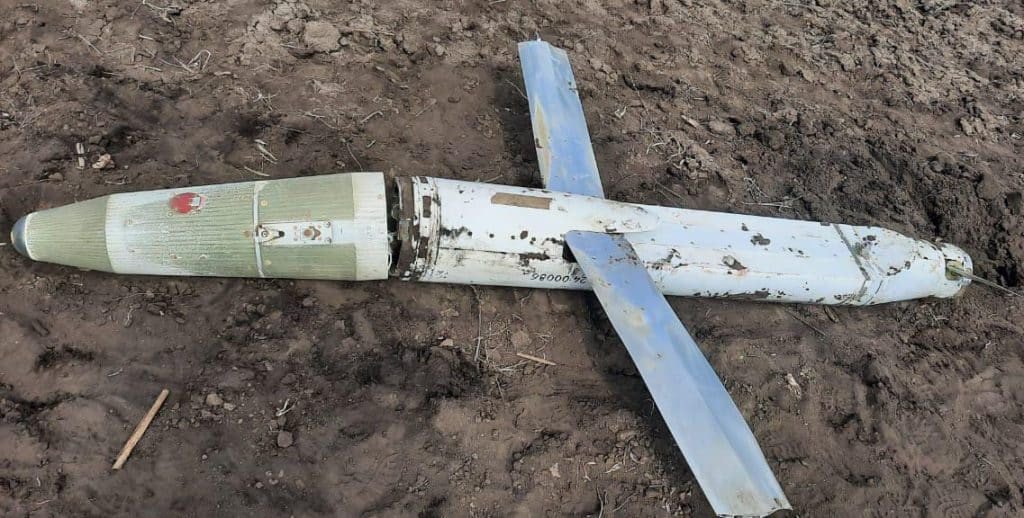
Ukrainian military intelligence has revealed that Russia’s D-30SN universal glide bomb incorporates components sourced from foreign companies not currently under international sanctions.
According to the Main Intelligence Directorate of Ukraine’s Ministry of Defense (HUR), the D-30SN—also known as the Universal Interservice Glide Munition—is a precision-guided aerial bomb with a warhead equivalent to the Soviet FAB-250.
The weapon can be deployed from multiple platforms, including Su-34, Su-30SM, Su-35, and Su-24 aircraft, as well as the S-70 “Okhotnik” combat drone.
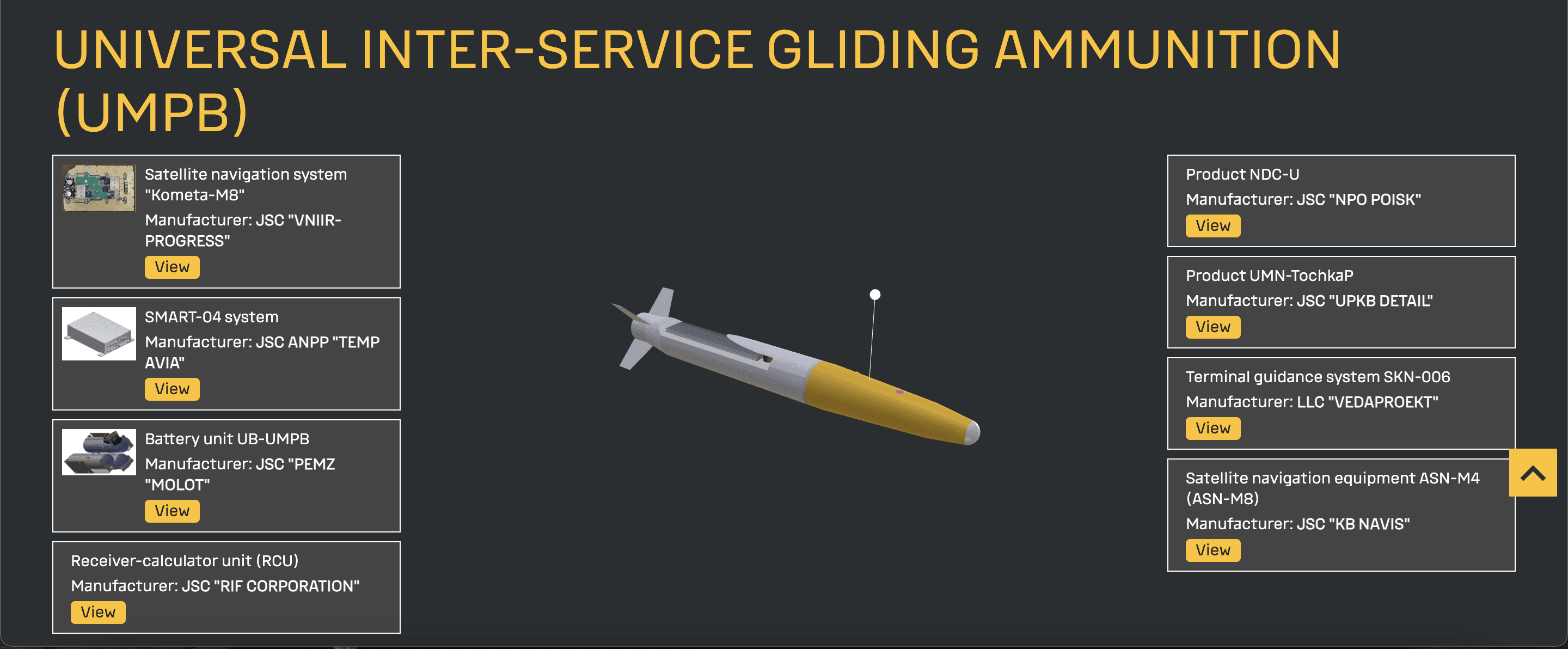
The investigation, published on the War&Sanctions portal, provides a breakdown of the munition’s internal modules and lists 36 companies involved in its production.
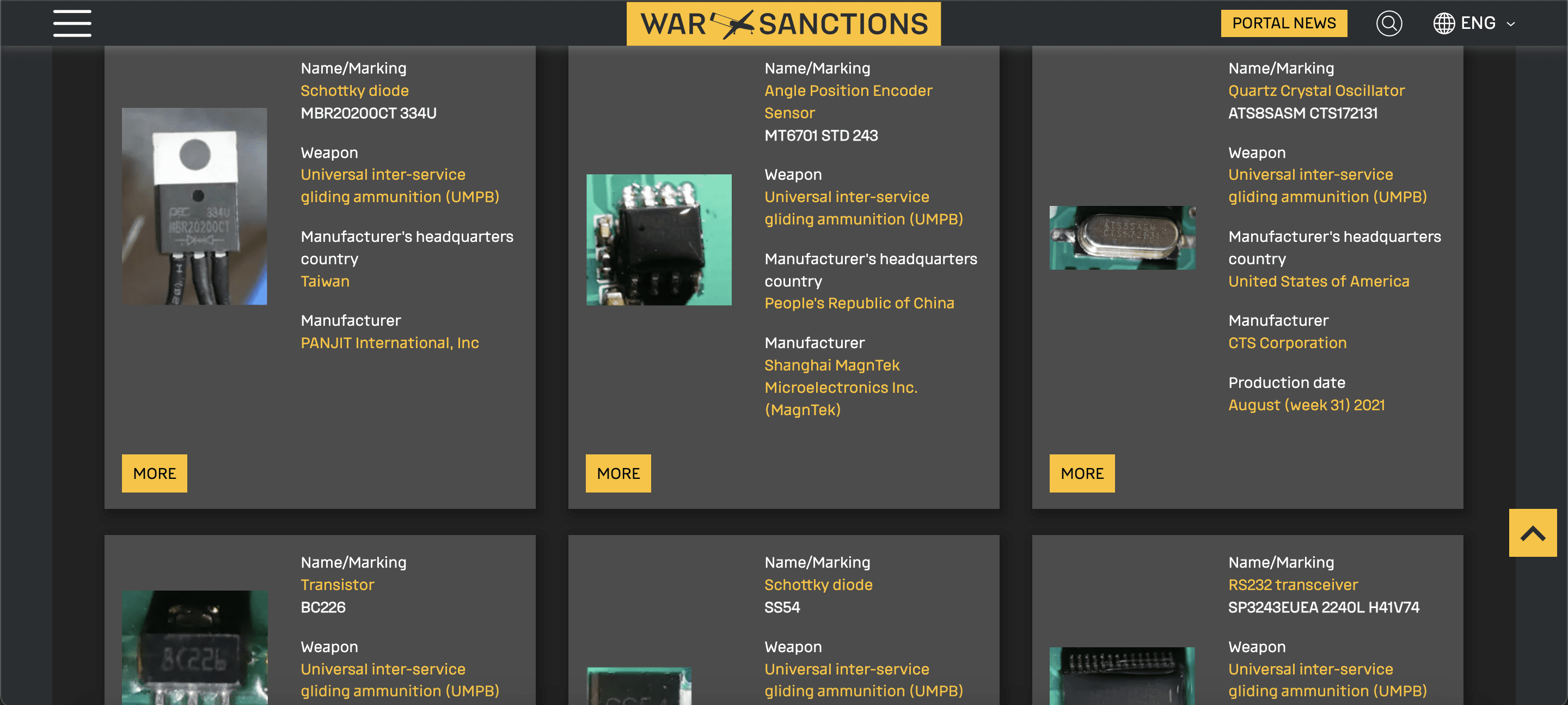
While many are already under Western restrictions, Ukrainian intelligence stated that several suppliers remain outside sanction frameworks. This allows them to continue accessing advanced technologies, equipment, and materials.
The D-30SN is equipped with systems similar to those used in Russia’s earlier guided bombs, such as the autopilot module S.M.A.R.T. To operate under electronic warfare conditions, it features the Kometa-M8 navigation system with a controlled reception pattern antenna (CRPA).
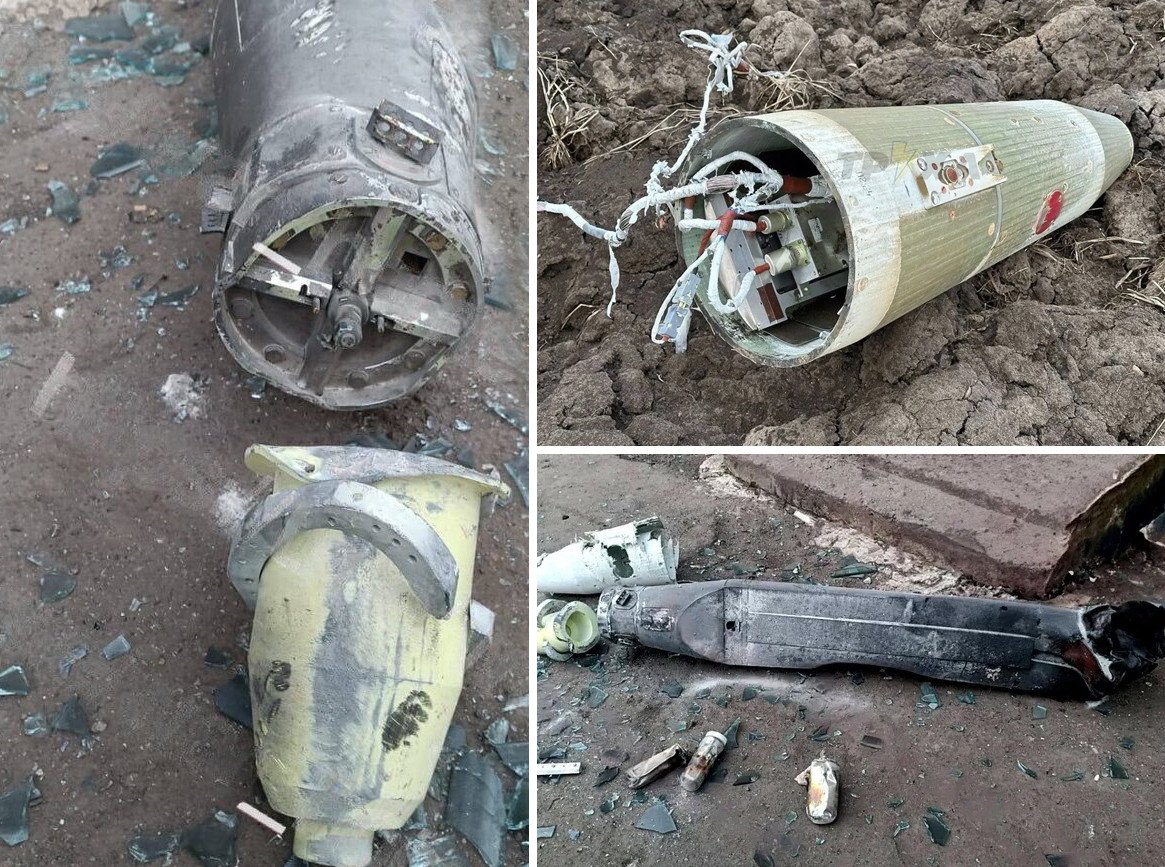
According to HUR, components are sourced from a range of countries, including Japan, the United States, China, Taiwan, Switzerland, and Ireland.
The bomb has a range of up to 100 kilometers when released from an altitude of 12–15 kilometers. It can also reportedly be launched from ground-based platforms, such as the 300-mm Tornado-S multiple launch rocket system, when fitted with a booster stage.
The patent for the D-30SN belongs to the Tactical Missiles Corporation (KTRV), with production carried out by JSC Granit-Electron, a subsidiary of KTRV.
Earlier, Ukrainian intelligence identified a new Russian cruise missile, the S8000 “Banderol,” launched from Orion drones and powered by foreign-made components, including electronics from the US, Japan, China, South Korea, and Australia.
Despite international sanctions, parts such as Murata batteries, STMicroelectronics microcontrollers, and RF Design telemetry modules were found inside the system, according to Defense Express on May 12.
Discuss this article:



-c439b7bd9030ecf9d5a4287dc361ba31.jpg "Photo of Katherina Popilnichenko")