- Category
- Latest news
Ukraine Confirms Rare Bomber Drone Strike on Russian S-300 and Osa Systems
 Prefer U24 Media on Google
- Authors

-c439b7bd9030ecf9d5a4287dc361ba31.jpg "Photo of Katherina Popilnichenko")

Ukrainian Military Law Enforcement Service pilots successfully targeted and hit a Russian S-300 anti-aircraft missile system and a “Black Eye” electronic warfare unit, according to the report from the Military Law Enforcement Service of the Armed Forces of Ukraine on February 21.
We bring you stories from the ground. Your support keeps our team in the field.
A fixed-wing drone crew located and struck the S-300 anti-aircraft missile system. This system is one of the most expensive air defense assets operated by Russian forces.
“The crew of a wing-type UAV detected and hit an S-300 anti-aircraft missile system. This is one of the enemy's most expensive air defense systems: the cost of one missile for the S-300 is estimated at approximately $2 million, and the complex itself costs about $100 million,” the statement said.
The operation was notable for the use of fixed-wing bomber drones by the Military Law Enforcement Service. These specific types of unmanned aerial vehicles are not frequently seen in released combat footage, highlighting a specialized approach to destroying high-value targets during Russia’s full-scale invasion of Ukraine.
In addition to the primary target, the unit successfully engaged several other objectives during the mission. Among the destroyed equipment was another surface-to-air missile system, identified as an Osa, further reducing the air defense capabilities of the Russian forces in the area.
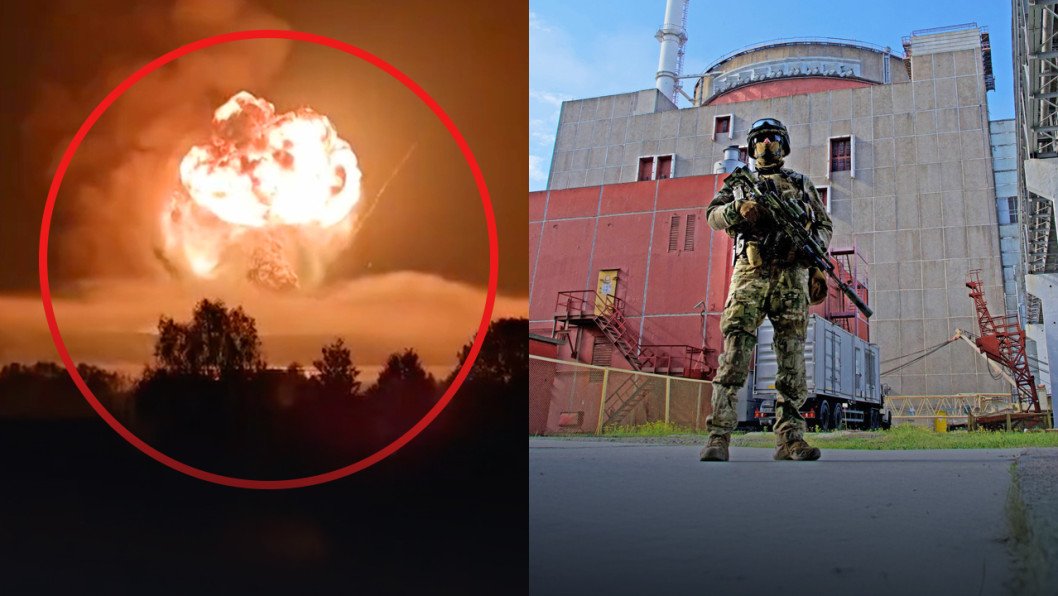
The strike also hit an Osa anti-aircraft system, a "Black Eye" electronic warfare system, and other Russian military equipment.
As reported by ArmiaInform, the special unit of the Military Law Enforcement Service is currently conducting active defensive measures in the Pokrovsk direction.
Earlier, reports revealed that Russia had reached three oil export records through its Baltic ports in January 2026. Despite international sanctions pressure, Moscow managed to increase its seaborne crude exports to 12.7 million tons in a single month, surpassing previous highs.
The data showed that nearly half of this volume was moved by tankers already under Western sanctions, while the total number of vessels involved in these shipments hit an all-time peak of 106.
Discuss this article:
-4a56a6b482ec132402c16ef6fcabf9a2.png)