- Category
- Latest news
Ukraine Destroyed 15 Russian Aircraft in 2025 Drone Strikes Worth $1 Billion in Damage
 Prefer U24 Media on Google
- Authors




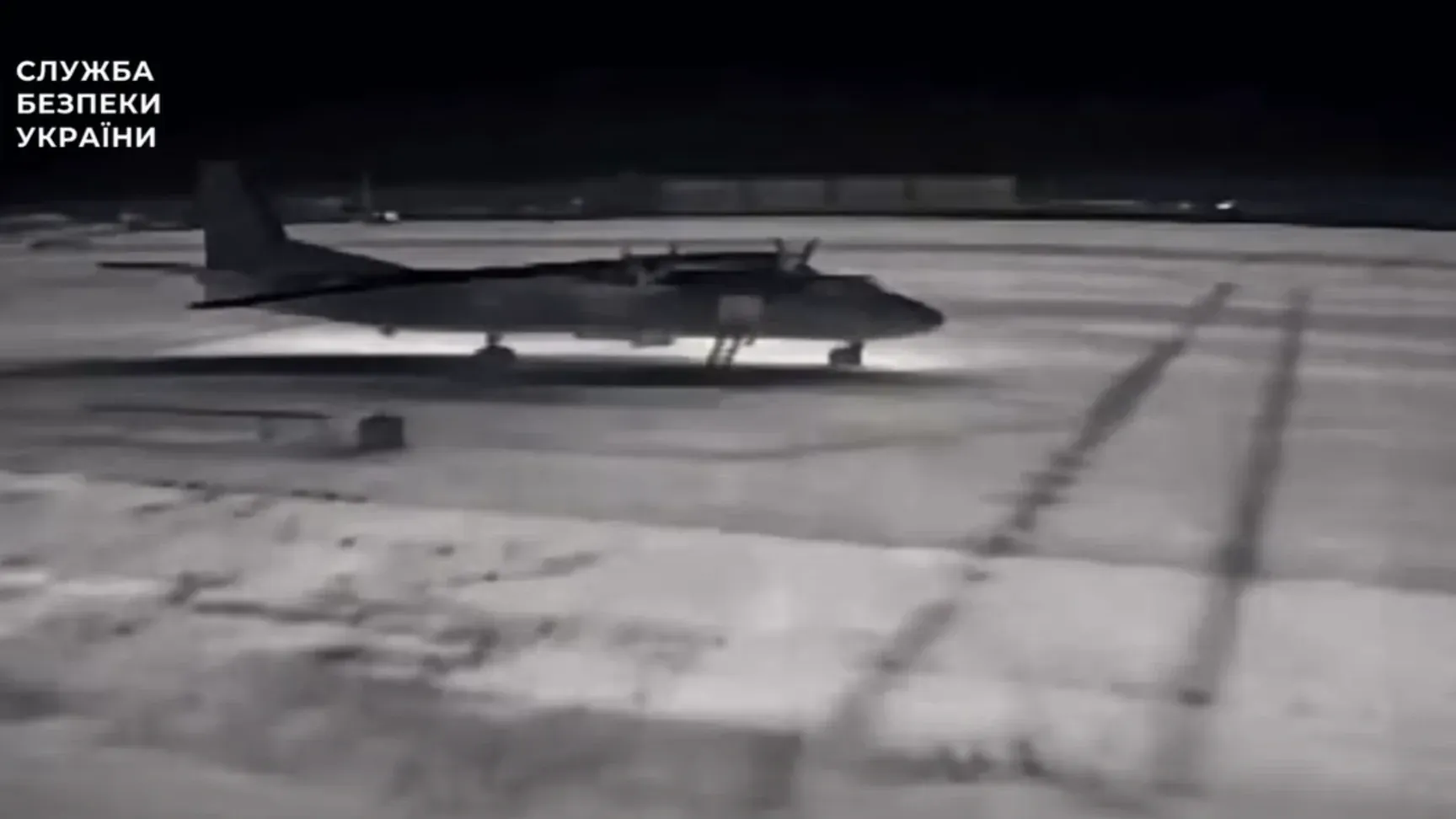
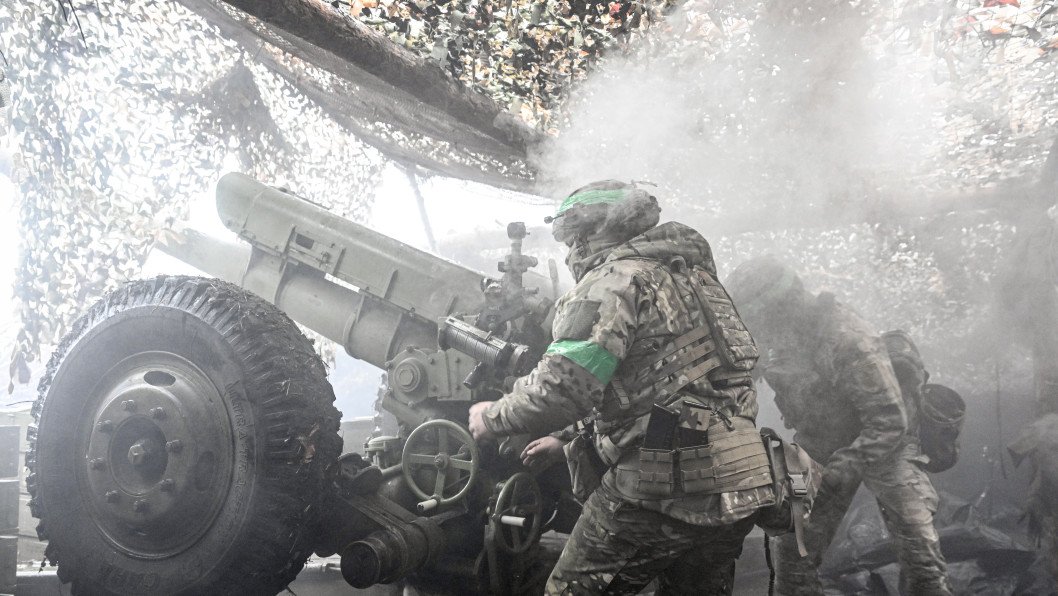
Ukraine’s Security Service (SBU) confirmed that its special forces unit “Alpha” conducted successful long-range drone strikes against five Russian military airbases in 2025, targeting and destroying 15 aircraft.
The campaign caused over $1 billion in estimated damage to Russia’s military infrastructure, according to an official statement from the SBU on January 28.
The Security Service of Ukraine publicly disclosed the figures, releasing visual evidence of the strikes on January 28, 2026.
According to the SBU, the attacks destroyed a total of 15 Russian aircraft, including:
11 fixed-wing combat aircraft: Su-30SM, Su-34, Su-27, Su-24, and MiG-31 fighter and bomber platforms;
3 helicopters: Mi-8, Mi-26, and Mi-28 models;
1 transport aircraft: An-26.
The SBU also reported secondary damage at the targeted bases, including the destruction of ammunition and fuel storage facilities. The agency did not disclose the exact locations of all five airbases but included video footage of drone strikes confirming the destruction of Russian aircraft.
The destroyed aircraft represent a cross-section of Russia’s core tactical and operational aviation fleet, covering air superiority, strike, interception, transport, and rotary-wing support roles.
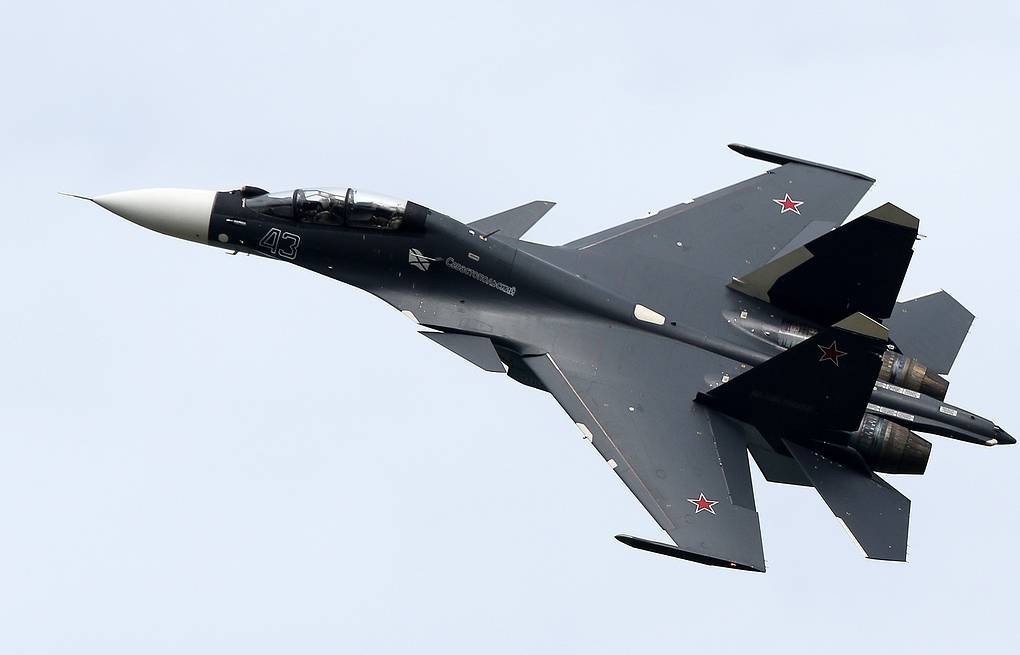
Su-30SM multirole fighters, designed for both air dominance and precision strike missions, are among the most capable platforms in Russia’s inventory.
Equipped with phased-array radar and thrust-vectoring engines, the aircraft is used for interception, escort, and ground attack tasks. Its loss directly degrades Russia’s ability to combine air defense and offensive aviation operations within a single platform.
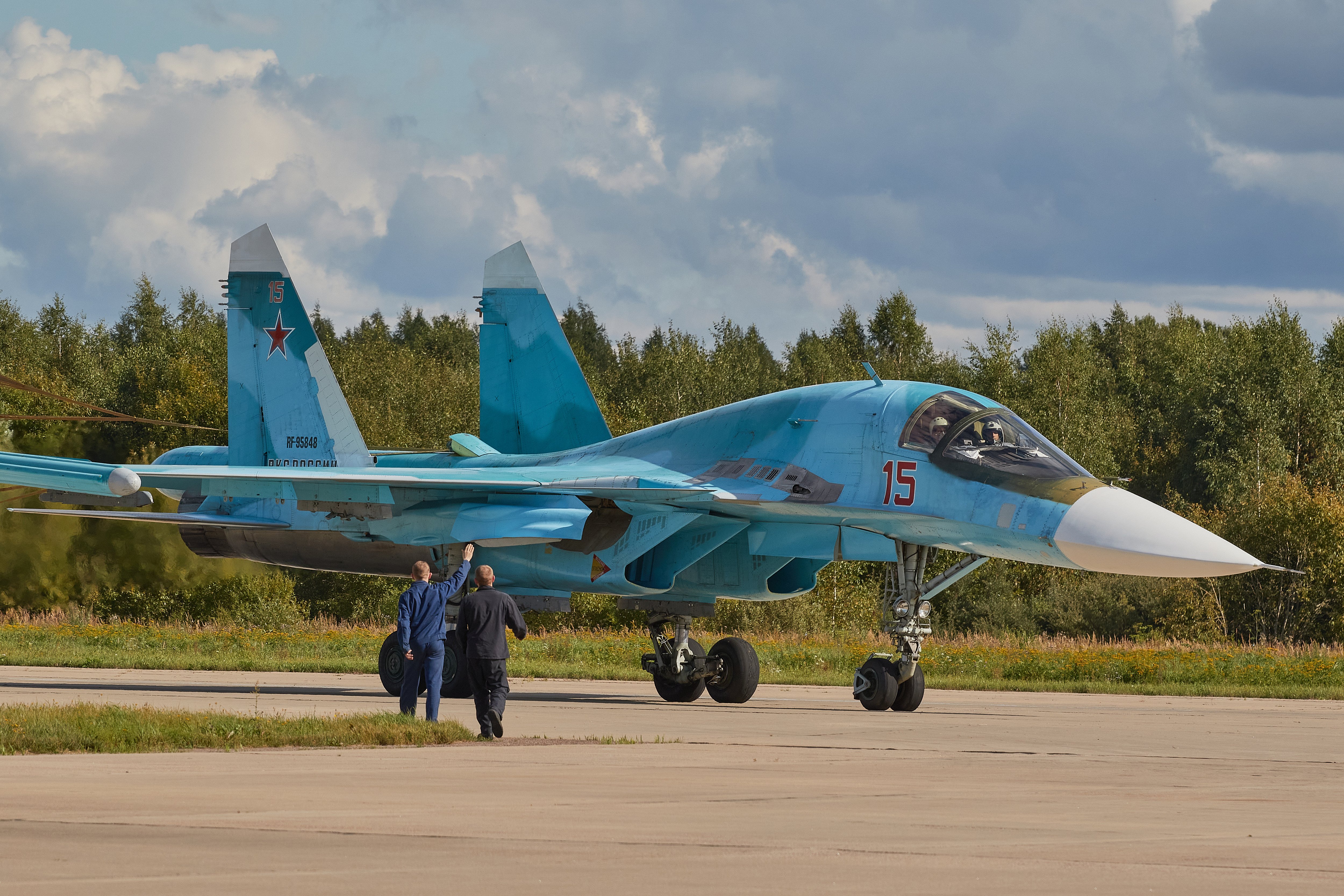
Su-34 frontline bombers, purpose-built for deep-penetration strikes, have been one of the primary aircraft used to attack Ukrainian infrastructure. With long range, advanced targeting systems, and an armored cockpit, the Su-34 forms the backbone of Russia’s tactical strike aviation.
Su-27 air superiority fighters, although an older fourth-generation platform, remain widely deployed for patrol, air defense, and interception duties. Despite their age, they continue to perform critical roles in protecting airspace and escorting strike aircraft.
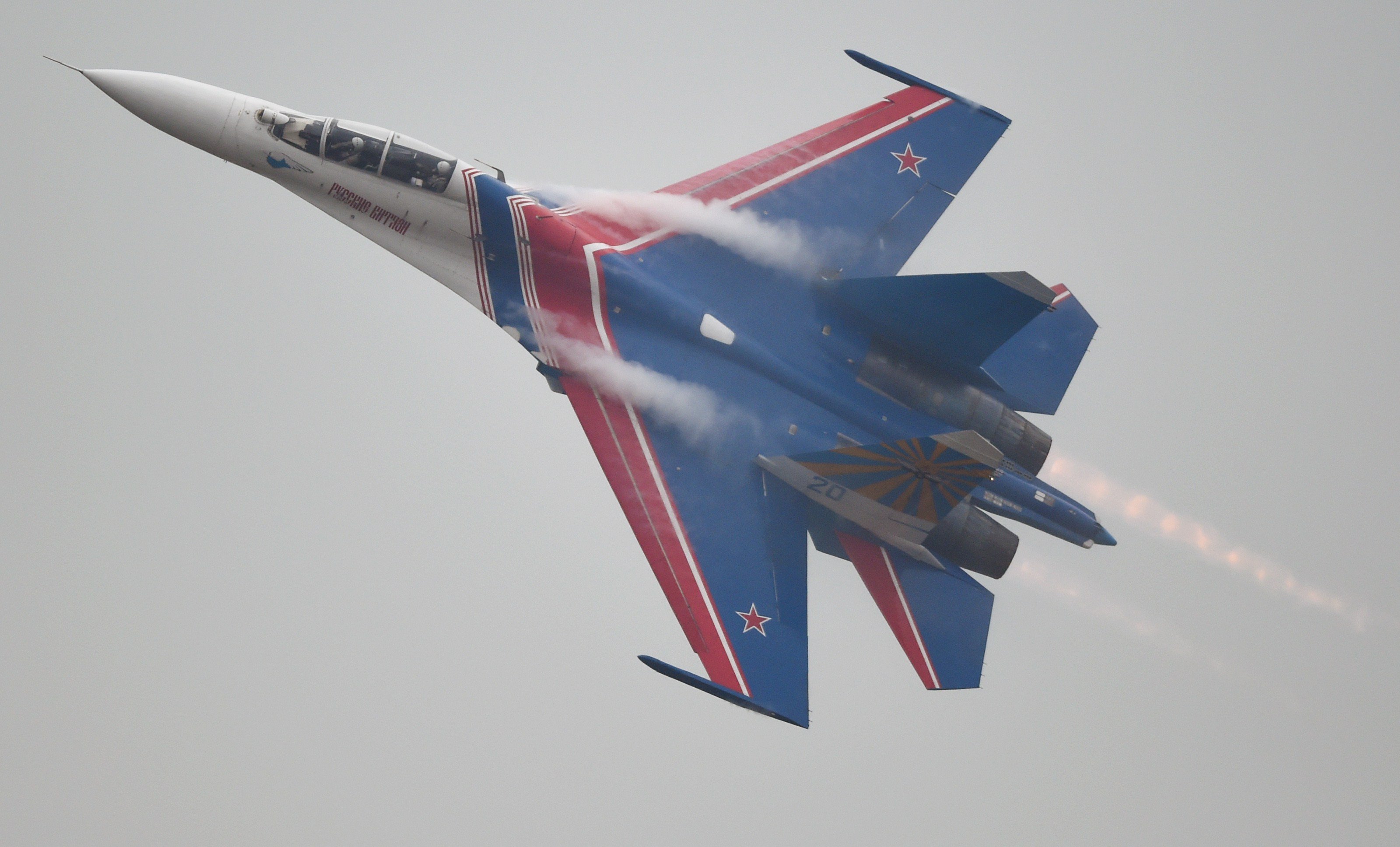
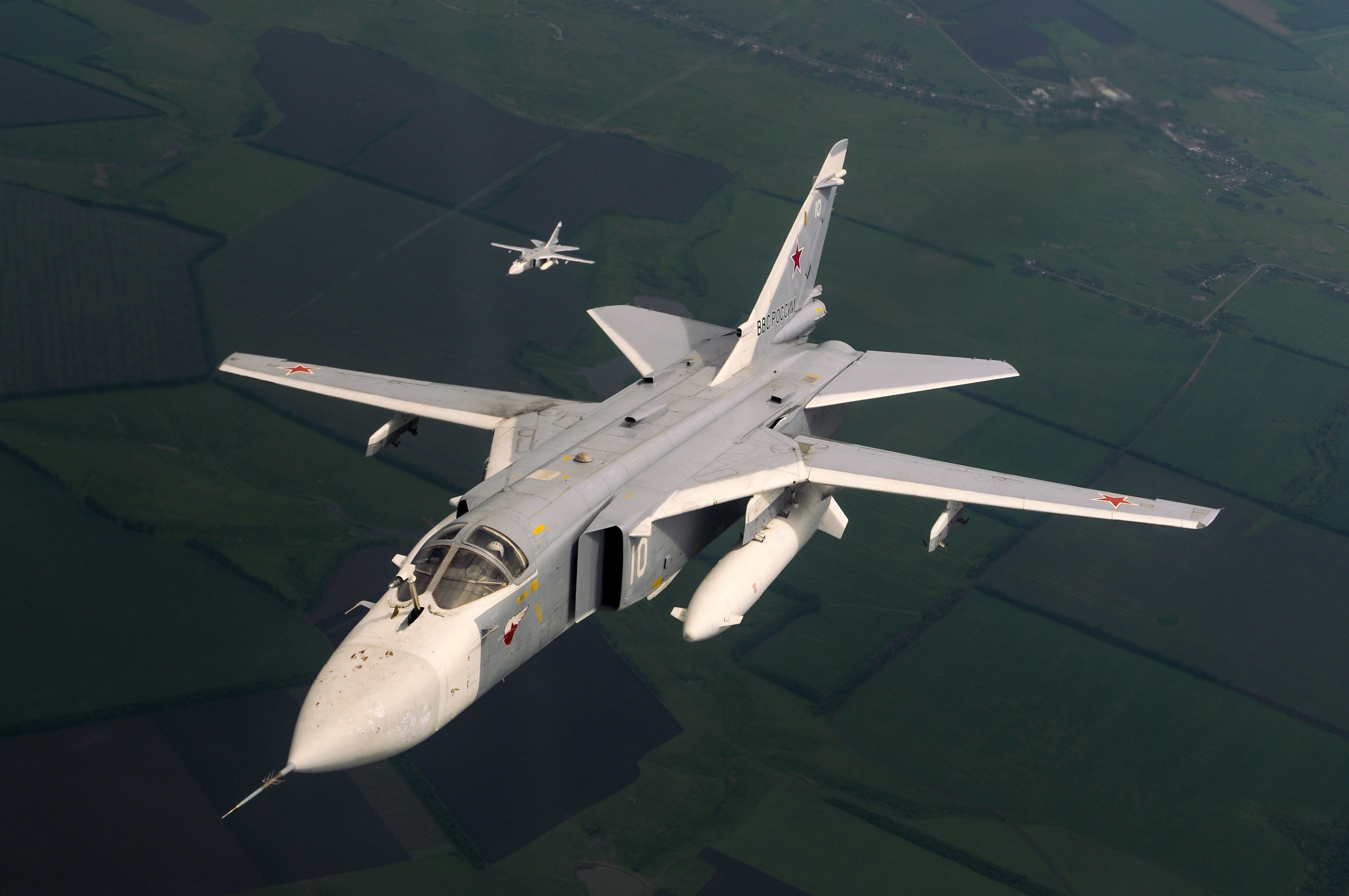
Su-24 tactical bombers, featuring variable-geometry wings and terrain-following radar, are optimized for low-altitude strike missions. While considered outdated by modern standards, the aircraft remains in active service due to the lack of sufficient replacements.
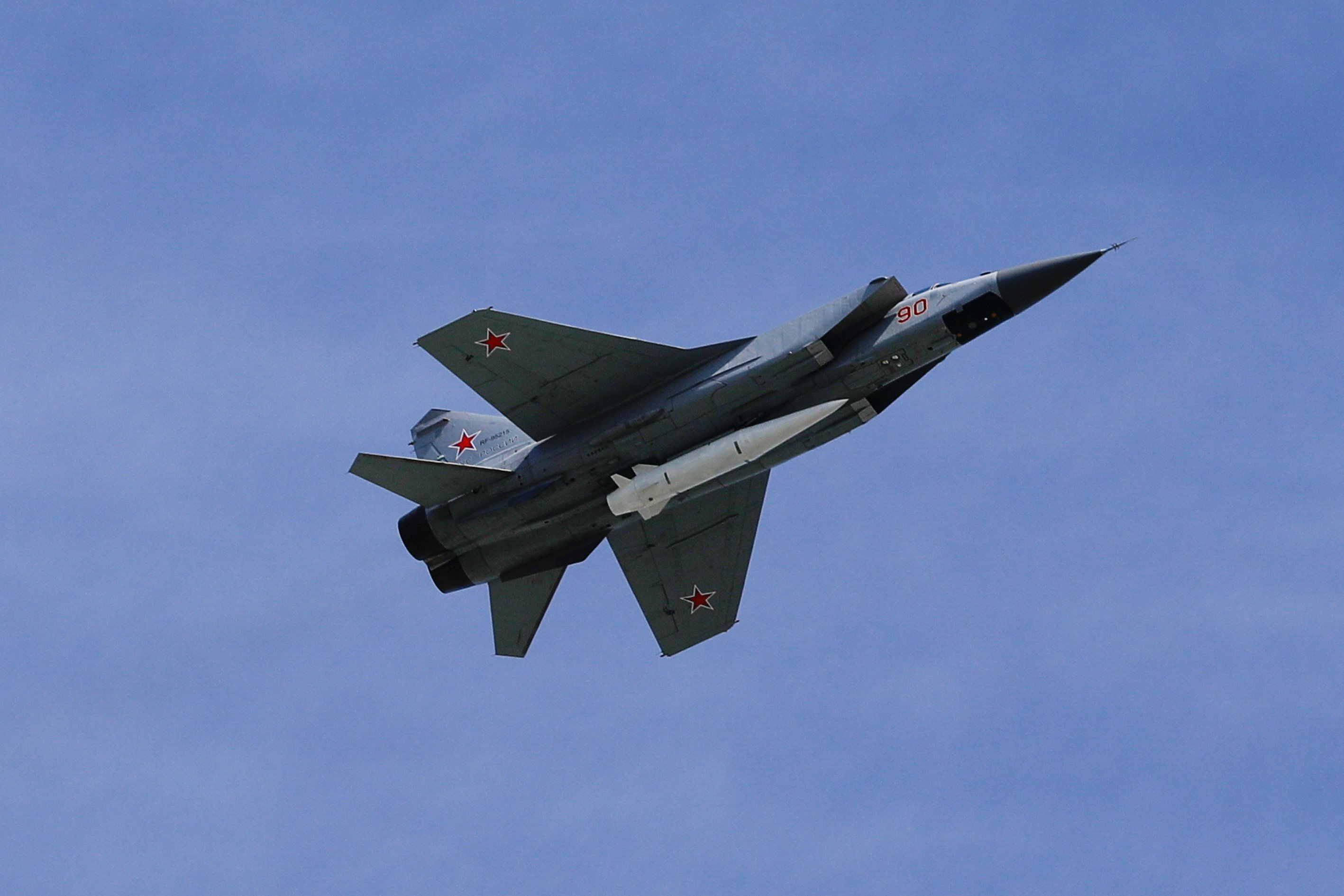
MiG-31 interceptors play a strategic role in Russia’s air defense architecture. Designed to counter high-speed targets such as strategic bombers and cruise missiles, the aircraft is also used as a launch platform for the Kh-47M2 Kinzhal hypersonic missile.
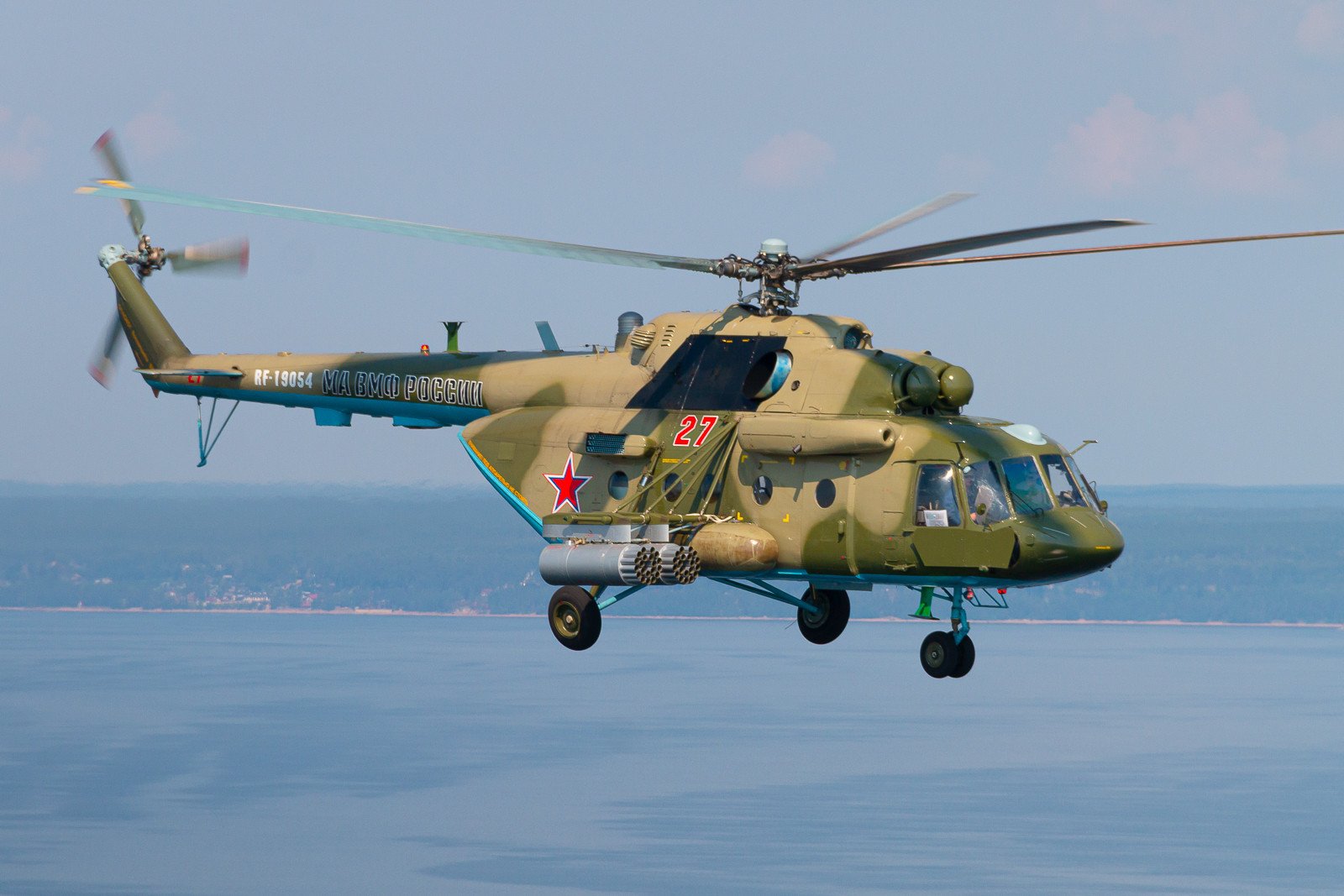
Among rotary-wing losses, Mi-8 utility helicopters are critical to Russian battlefield logistics, performing troop transport, resupply, evacuation, and command support missions. Their destruction directly affects mobility and operational flexibility at both the front line and rear areas.
The loss of a Mi-26 heavy-lift helicopter, the largest serially produced helicopter in the world, represents a significant logistical setback. Capable of transporting up to 20 tons of cargo, the Mi-26 is used to move heavy equipment, vehicles, and damaged aircraft.
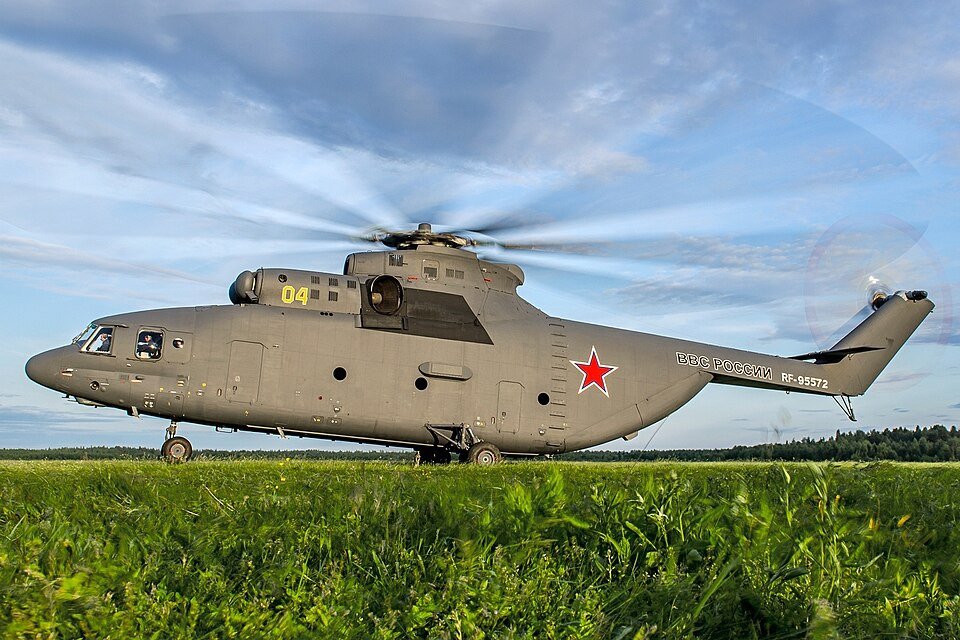
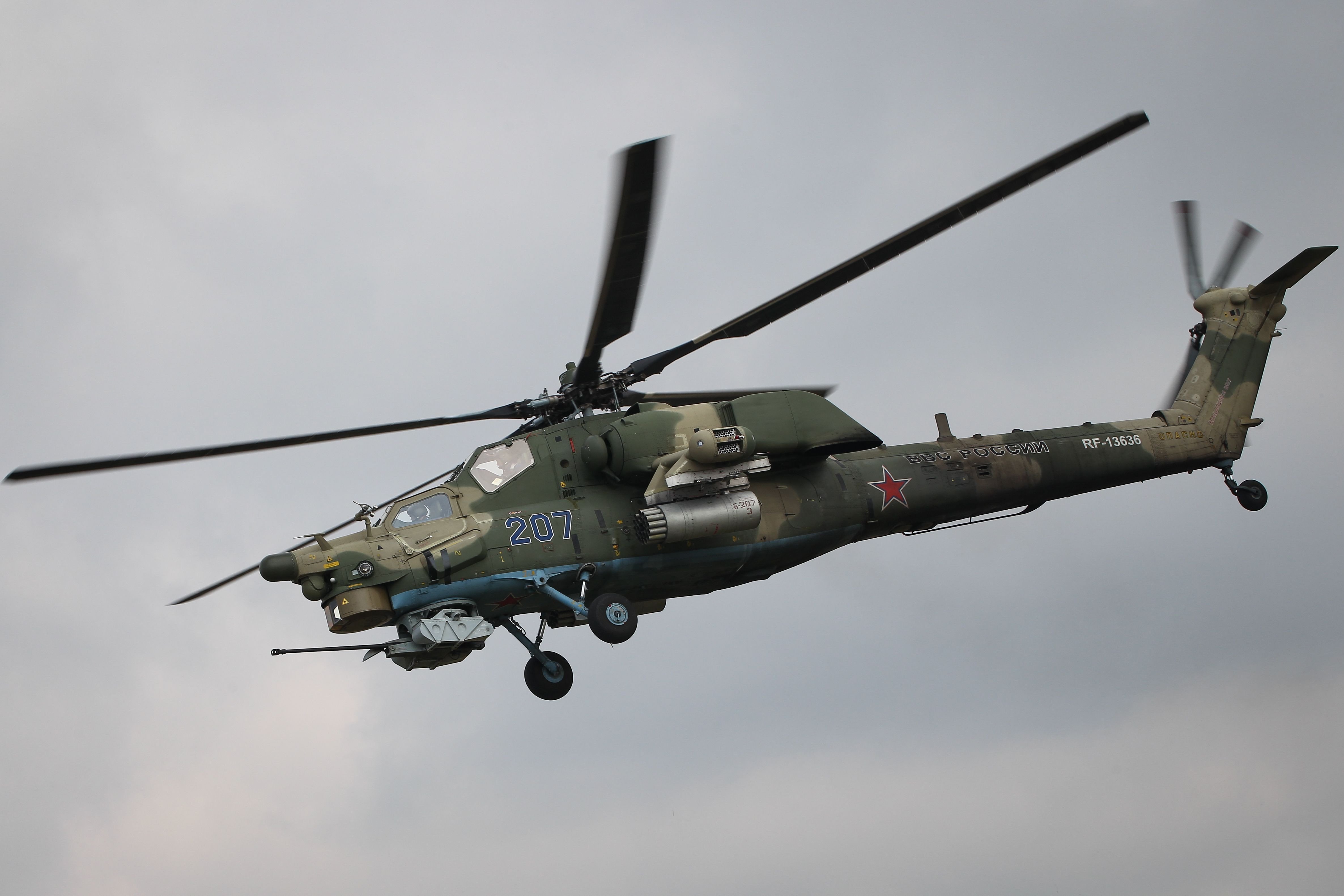
Mi-28 attack helicopters, Russia’s primary modern combat helicopter, are used for close air support, anti-armor missions, and night operations. Equipped with guided missiles, a 30mm cannon, and advanced targeting systems, the Mi-28 is central to Russia’s rotary-wing strike capability.
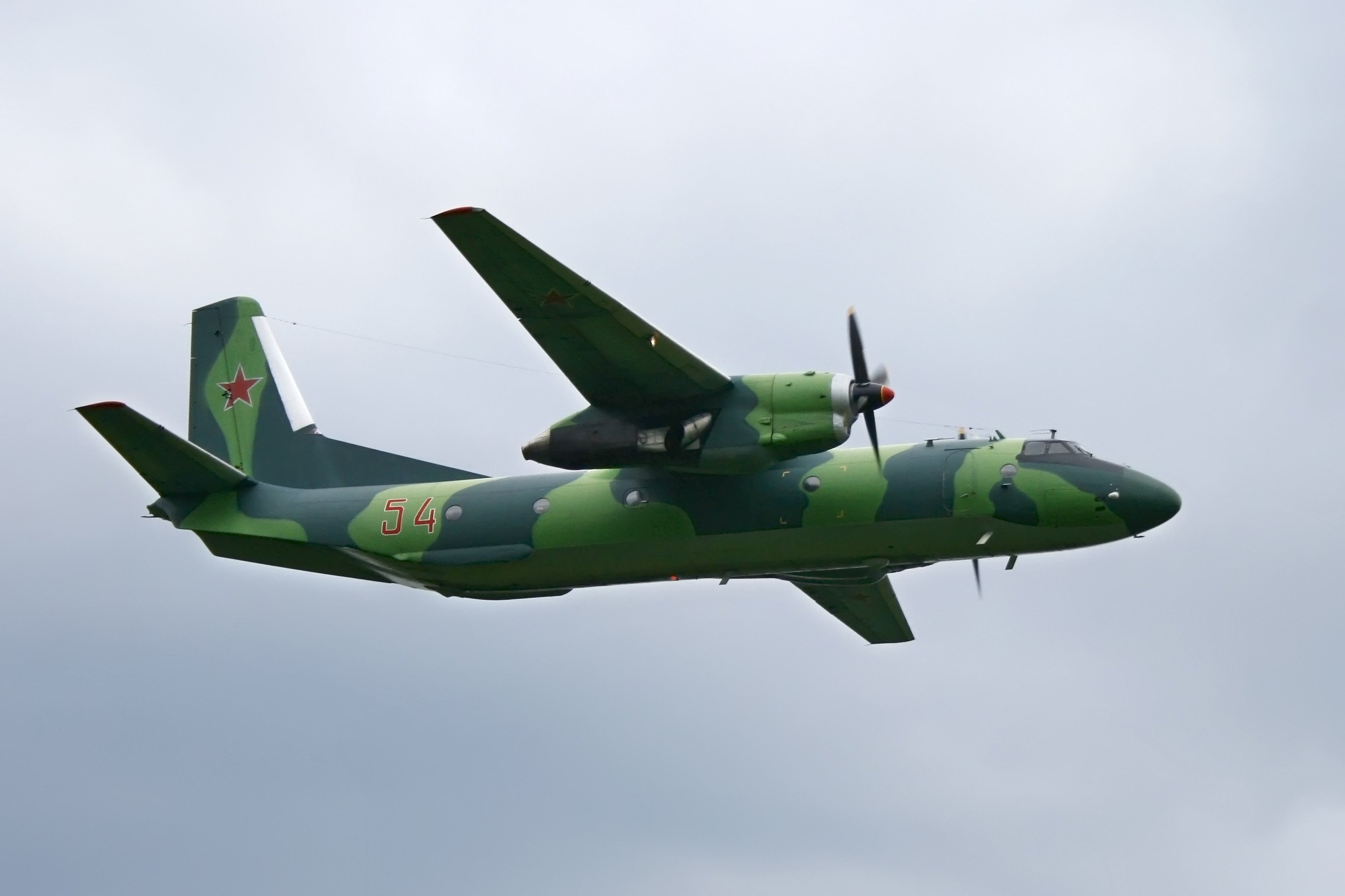
Finally, the destruction of an An-26 tactical transport aircraft impacts short-range airlift operations. Used for cargo delivery, personnel transport, and airborne deployments, the An-26 remains an essential component of Russia’s regional logistics network.
Earlier, on January 19, the Security Service of Ukraine reported that its Alpha unit had destroyed or disabled Russian air defense systems worth an estimated $4 billion in 2025, including S-300, S-350, and S-400 launchers, as well as advanced radar systems such as Nebo-M, Podlet, and Protivnik-GE.
Discuss this article:



-c439b7bd9030ecf9d5a4287dc361ba31.jpg "Photo of Katherina Popilnichenko")