- Category
- Latest news
Ukraine Goes All-In on Homegrown Armor, Halting Foreign Vehicle Imports
 Prefer U24 Media on Google
- Authors


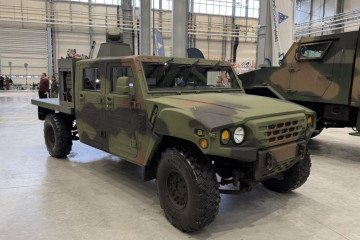
Ukraine’s defense industry has scaled up domestic production of armored vehicles to the point that the Ministry of Defense no longer relies on imports, according to Defense Express on January 7.
For the past two to three years, all armored vehicle procurements for the Ukrainian Armed Forces have been sourced from local manufacturers.
A brand new 🇺🇦#Ukrainian armored combat wheeled vehicle «Kozak-2M1» with a remote controlled machine gun turret, appeared near the frontline.
— Cloooud |🇺🇦 (@GloOouD) August 30, 2023
Even during the war, Ukraine continues to produce and improve its own combat vehicles.
This vehicle was created for airborne brigades… pic.twitter.com/Z6EVfVkmQq
Speaking to hromadske, Vladyslav Belbas, CEO of Ukrainian Armor, stated that vehicles produced domestically are 20–30% less expensive than their foreign counterparts.
He emphasized that Ukrainian manufacturers now have the capacity to meet national demand and even exceed current procurement volumes, though full capacity remains underutilized due to budget constraints.
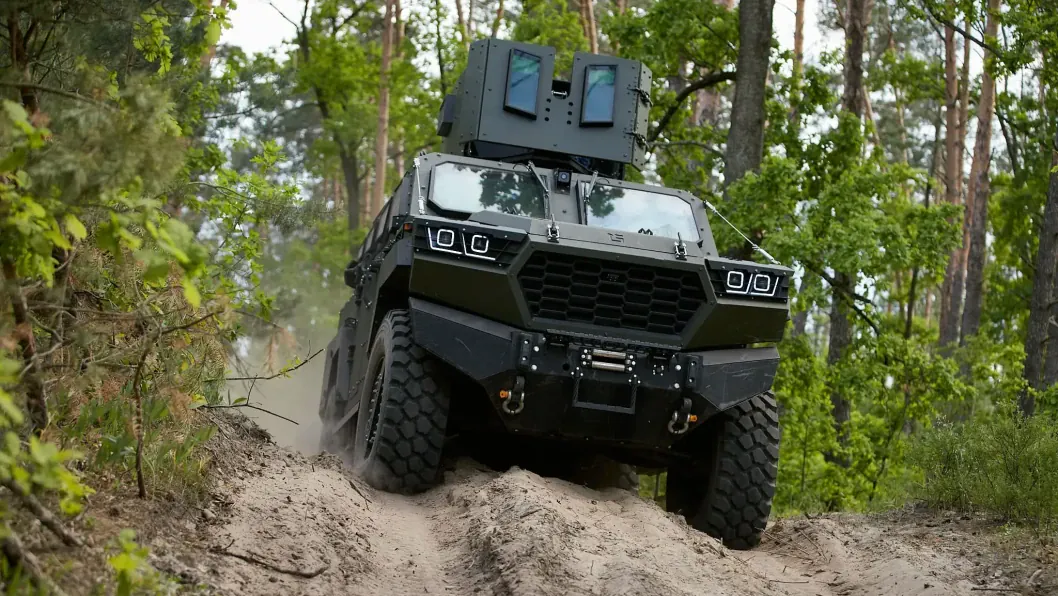
According to Belbas, foreign-made armored vehicles still enter Ukraine primarily as part of international military aid packages. In 2022, the Ministry of Defense also procured some foreign models, but this was during a period when domestic firms were unable to supply sufficient quantities.
Currently, production output from Ukrainian manufacturers exceeds what the military is purchasing. As Defense Express noted, the domestic defense industry has reached a level where it can fully cover the need for armored vehicles without importing finished systems.
⚡️Range firings of the 🇺🇦Ukrainian Varta-2 armored car equipped with the new Ukrainian 30-mm combat module "Sich" pic.twitter.com/dbOPHFZC4b
— 🪖MilitaryNewsUA🇺🇦 (@front_ukrainian) November 3, 2024
Companies have adapted their products to meet feedback and operational requirements from Ukrainian troops. For example, Ukrainian Armor has doubled its production volume this year alone.
Despite the capability to produce more, financial limitations in state procurement remain a bottleneck. In cases where international funding is available—such as for the Bohdana self-propelled artillery system—manufacturers are able to increase output accordingly.
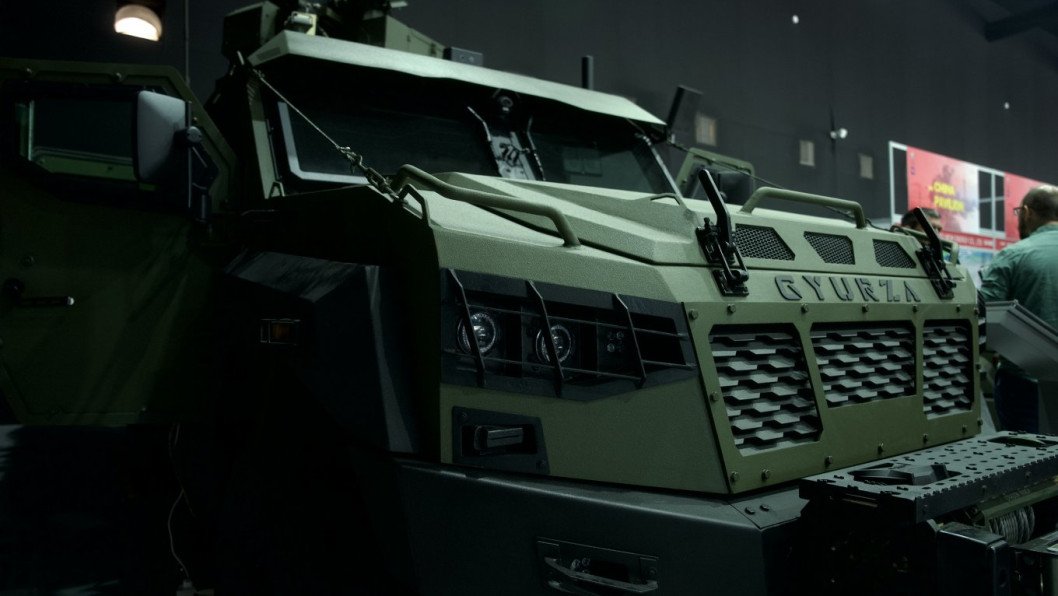
The Ministry of Defense’s preference for local suppliers not only supports Ukraine’s defense capabilities but also strengthens its industrial base. This domestic focus could eventually enhance export prospects, especially given the operational experience Ukrainian systems are gaining on the battlefield.
While the report focuses on procurements by the Ministry of Defense, it remains unclear whether other government bodies are still purchasing foreign-made armored vehicles.
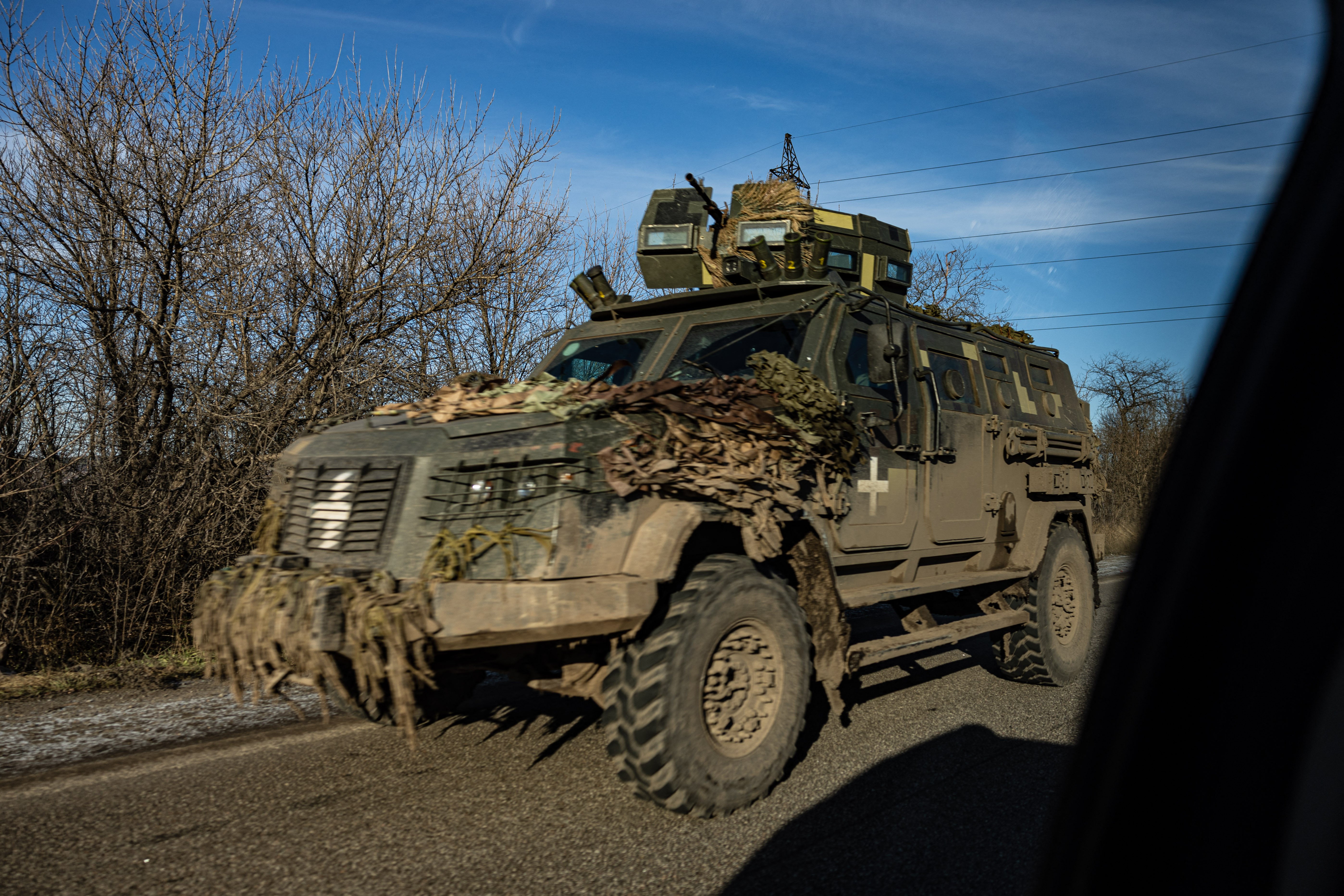
Defense Express concludes that Ukraine’s state defense sector is now playing a central role in meeting the military’s needs, particularly when supported by adequate funding.
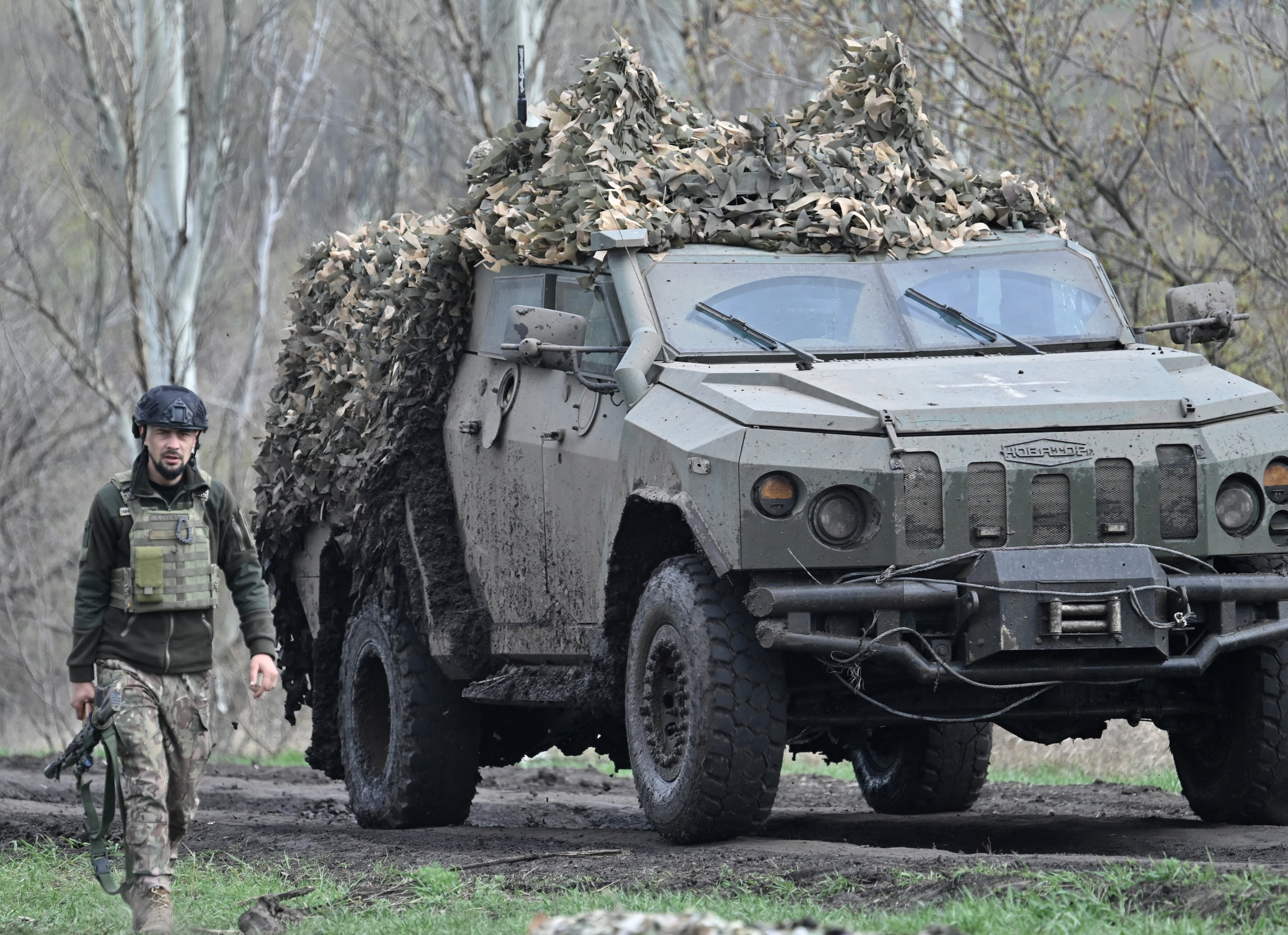
Earlier in 2025, Ukrainian Armor announced it had delivered over 1,000 Novator armored vehicles to the Armed Forces, including new variants like the Novator-2, medical evacuation and command versions, and the Novator-2 Krechet unveiled in Poland as a mobile air defense command hub.
Discuss this article:


-c439b7bd9030ecf9d5a4287dc361ba31.jpg "Photo of Katherina Popilnichenko")