- Category
- Latest news
Ukraine Halts German HX-2 Drone Orders After Battlefield Failures, Bloomberg Reveals
 Prefer U24 Media on Google
- Authors




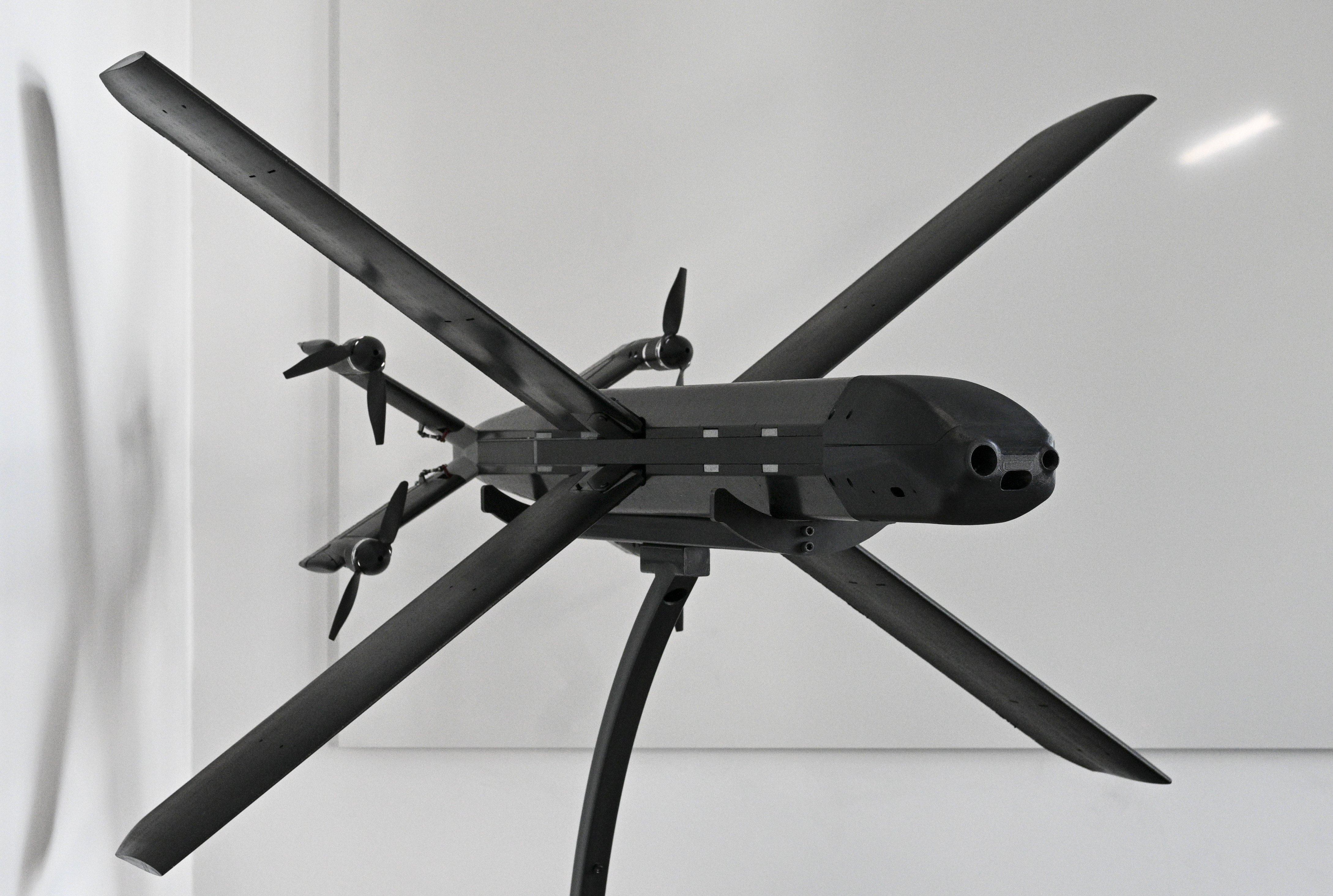
Ukraine has halted new purchases of HX-2 strike drones developed by German defense startup Helsing following operational setbacks observed during battlefield deployments, Bloomberg reported on January 19, citing multiple sources familiar with the matter.
According to the report, the HX-2 drone—a flagship product in Helsing’s portfolio—faced repeated issues during flight tests and combat usage. Specifically, the unmanned aircraft experienced takeoff problems and lacked several of the artificial intelligence-based features that were originally promised as part of the system’s autonomous navigation package.
Three sources told Bloomberg that the drones also struggled to maintain communication with operators due to electronic warfare interference near the front lines, raising concerns about their viability in contested environments.
A presentation reviewed by Bloomberg and corroborated by two sources reportedly documented these technical deficiencies, which have significantly weakened demand for the platform. Germany has also paused future orders until Ukraine indicates renewed interest, according to the report.
In a statement to Bloomberg, Helsing said it was unaware of the presentation in question and rejected the criticism. “The percentage of successful first flights, which was officially documented, is encouraging,” the company said. “We are confident that HX-2 trials will also lead to high accuracy rates on the battlefield, including under electronic warfare conditions.”
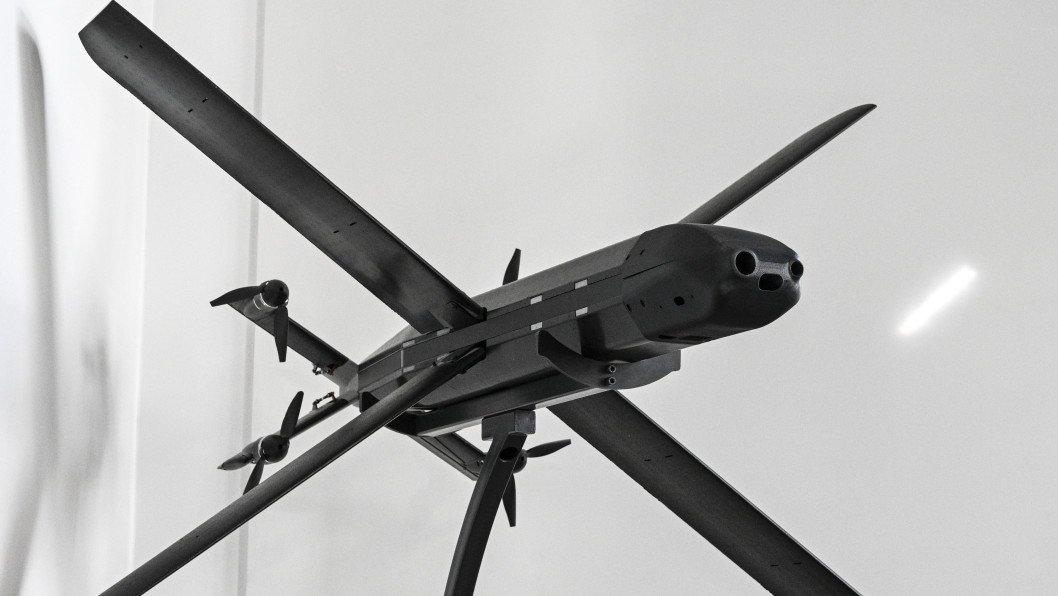
The HX-2, combining fixed wings with quadcopter propellers, was introduced publicly in December 2024 and is designed to strike targets at ranges up to 100 kilometers. It is Helsing’s first proprietary drone to be deployed in an active combat zone.
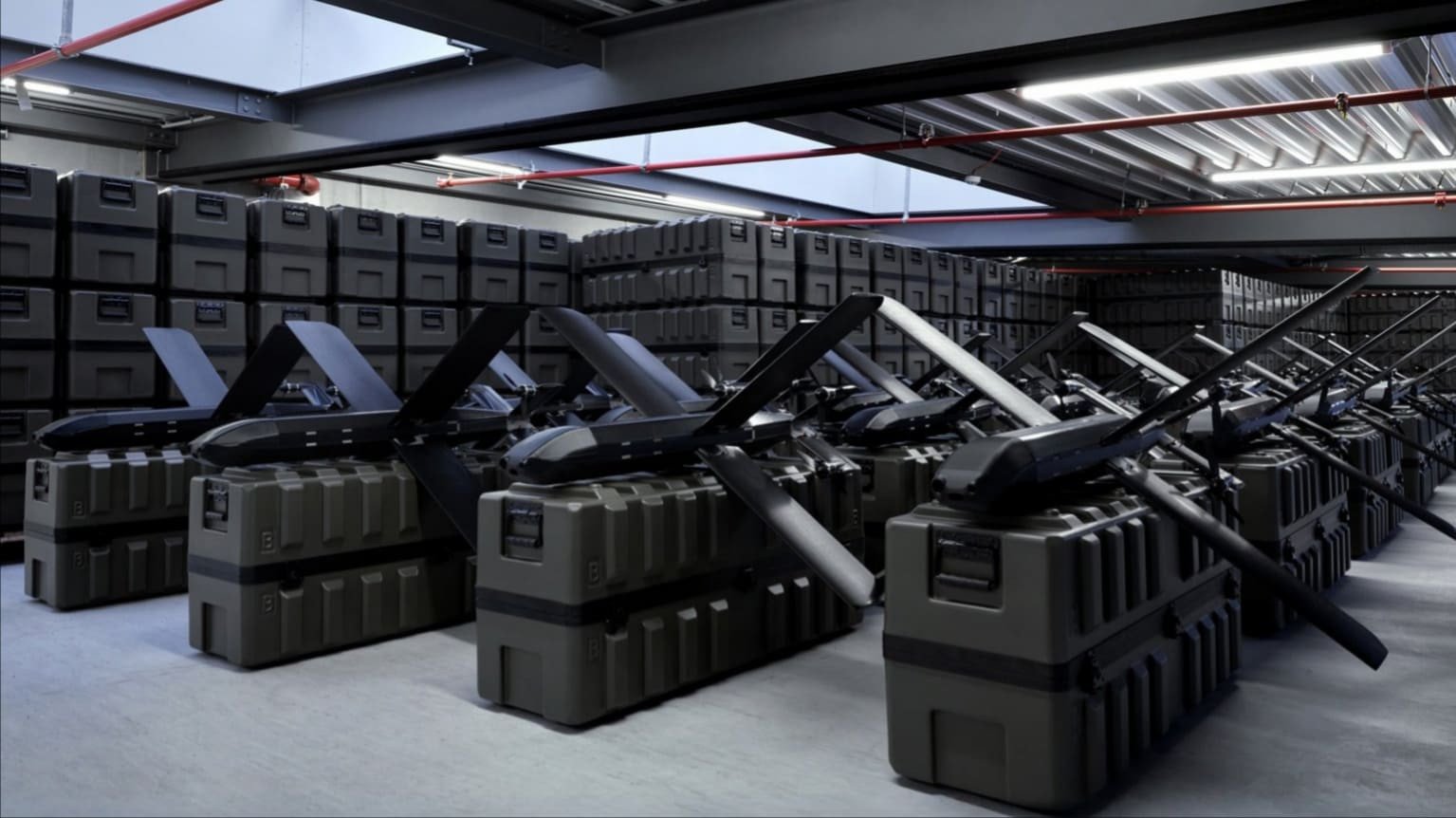
The company signed a contract in 2024 to co-produce 4,000 drones with a Ukrainian partner, and reports in 2025 suggested a potential total order volume of 6,000 units.
According to Bloomberg, the performance of HX-2 is seen as critical to Helsing’s ambitions in the defense UAV sector, where it competes with both fellow startups like Stark Defence and established firms such as Rheinmetall AG. The company has stated its intention to offer a scalable, lower-cost alternative to Russian Lancet drones, which Helsing co-founder Gundbert Scherf has previously described as “highly effective.”
The HX-2 program was pitched as Europe’s answer to the Lancet, with emphasis on affordability, ease of mass production, and AI-assisted targeting. But the recent issues have raised questions about whether the platform is ready for large-scale deployment in high-intensity warfare.
Both Ukraine and Germany have now paused further orders pending improvements or renewed evaluations, Bloomberg noted.
Earlier in April 2025, Germany-based defense startup Stark unveiled the Virtus, an AI-powered loitering munition developed with input from Ukraine’s battlefield experience. Designed for autonomous operations in GPS- and comms-denied environments, the VTOL drone features a 100 km range, a 5 kg payload, and real-time targeting via Stark’s Minerva software, allowing a single operator to control multiple drones simultaneously.
Discuss this article:
-4a56a6b482ec132402c16ef6fcabf9a2.png)