- Category
- Latest news
Ukraine Intelligence Exposes Stolen Cultural Artifacts and Names Suspects Linked to Russia
 Prefer U24 Media on Google
- Authors


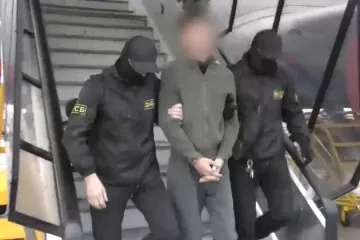
Ukraine’s Defense Intelligence (HUR) has published information on 20 Ukrainian cultural artifacts stolen by Russian forces, along with seven individuals allegedly involved in illegal archaeological activities, historical distortion, and efforts to justify the occupation of Ukrainian territories.
The data was released through the “Stolen Heritage” section of the War&Sanctions portal, according to a statement published by HUR on Facebook ob April 1.
We bring you stories from the ground. Your support keeps our team in the field.
The update also includes information on two museums located in temporarily occupied territories.
Among those identified are Eduard Kravchenko and Vitalii Voitenko, researchers affiliated with the so-called “Donetsk Republican Local History Museum.” According to HUR, both individuals participated in illegal archaeological excavations in occupied parts of the Donetsk region, including areas around the Azov coast and the Donetsk Ridge.
Kravchenko reportedly led these expeditions, while Voitenko is also said to have taken part in Russia’s armed aggression against Ukraine as a member of the Russian armed forces.
The list also includes Konstantin Mogilevsky, Russia’s Deputy Minister of Science and Higher Education and co-chair of the Russian Historical Society, led by Sergei Naryshkin. According to HUR, the organization promotes distorted historical narratives aimed at justifying Russia’s war and occupation of Ukrainian territories.
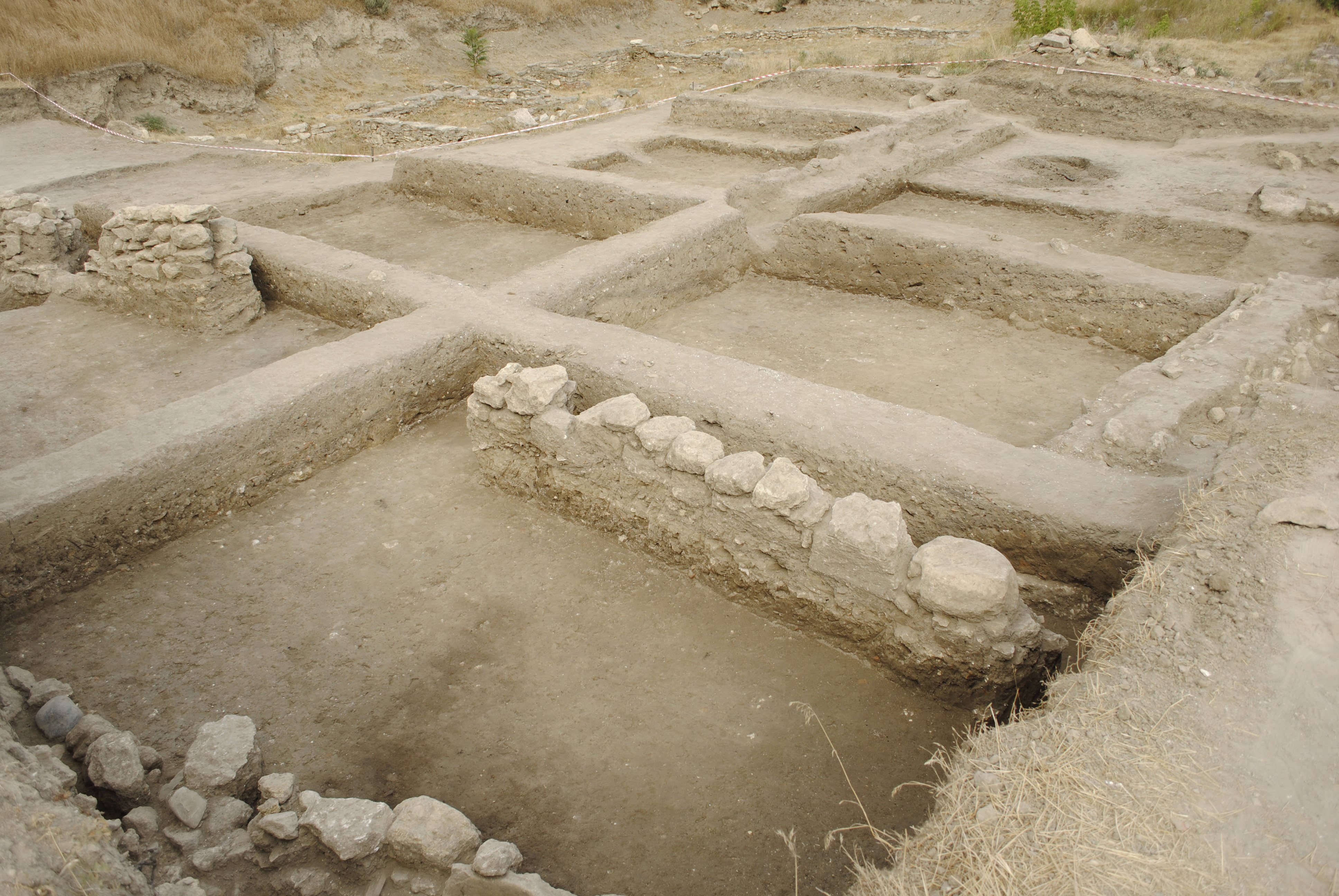
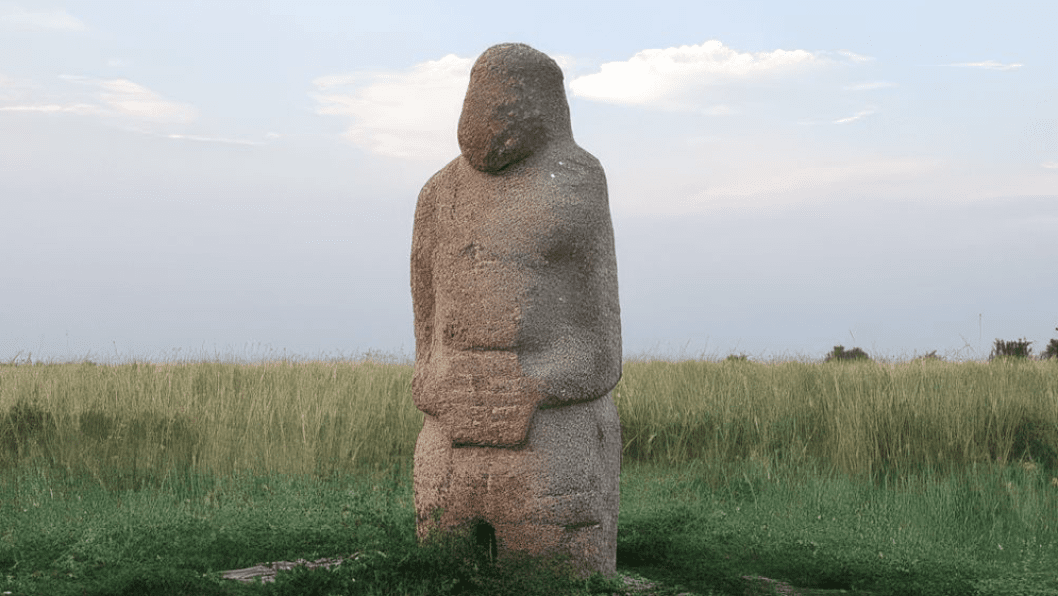
In addition, Ukrainian intelligence published details of 20 cultural objects allegedly removed from archaeological sites in occupied Crimea, including the Kyz-Aul necropolis and the “Hospital” burial mound. Other reported cases involve items taken from the Nova Kakhovka City Art Gallery and the “Stone Grave” reserve.
The findings also come amid continued reports of the removal of cultural heritage from occupied territories.
According to Petro Andriushchenko, head of the Center for the Study of Occupation, Russian forces have been extracting archaeological artifacts uncovered during the construction of a bypass road near temporarily occupied Mariupol. He said three major sites—the Starokrymskyi I burial mound and the Kalynivka I and II settlements—were recently identified, covering nearly two hectares.
-826d18aed60da7462dbeeb720b783c26.png)
Excavations at the Starokrymskyi I kurgan revealed two Early Bronze Age mounds built over central burials, along with 19 additional burials in catacombs and pits in the surrounding area. However, shortly after Russian sources reported the discoveries, references to the sites were reportedly removed from official channels.
Meanwhile, Russian forces in the temporarily occupied Crimean peninsula are continuing work on the Khan’s Palace in Bakhchisarai under what is described as “restoration,” though Ukrainian sources say the site is being damaged in the process..
According to the Crimean Tatar Resource Center, the work is being conducted with serious violations of restoration standards and techniques, which has already caused significant damage to parts of the complex. The organization added that some structures have experienced deformations and are currently being supported with temporary reinforcements.
Discuss this article:

-c439b7bd9030ecf9d5a4287dc361ba31.jpg "Photo of Katherina Popilnichenko")