- Category
- Anti-Fake
World Anti-Doping Agency Slaps Russian Athletes With 302 Sanctions In Massive Probe
 Prefer U24 Media on Google
- Authors


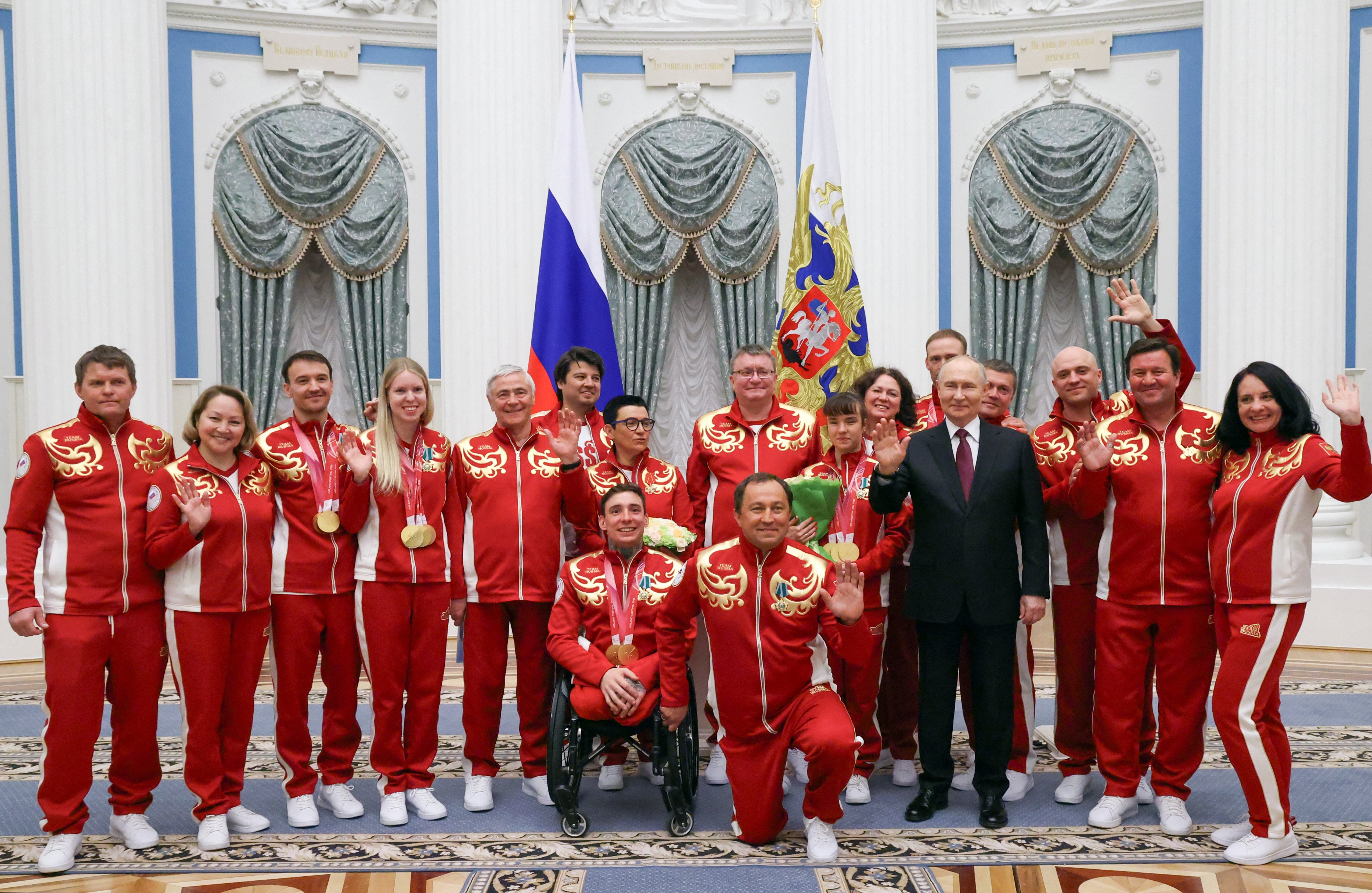
The World Anti-Doping Agency has reported the imposition of 302 sanctions against Russian athletes accused of widespread doping violations, following one of the most extensive investigations in the organization’s history.
According to the World Anti-Doping Agency (WADA) on April 30, the sanctions were issued as part of an investigation known as “Operation LIMS,” which examined data from the Moscow anti-doping laboratory, including records of test results involving Russian athletes.
We bring you stories from the ground. Your support keeps our team in the field.
The findings led to coordinated action by 23 national anti-doping organizations, resulting in sanctions against 291 athletes. WADA said that 11 athletes were subjected to two separate sanctions each, while disciplinary proceedings for four additional athletes have yet to be finalized.
“‘Operation LIMS’ is the most successful investigation in anti-doping history. An incredible 302 sanctions have now been imposed in the wake of Russia’s institutionalized doping scheme. This is thanks to the hard work and professionalism of WADA staff,” WADA President Witold Bańka described stated.
The sanctions span multiple disciplines, with the largest number recorded in athletics (93 cases) and weightlifting (107 cases). In total, athletes from 22 different sports were found to have committed anti-doping rule violations.
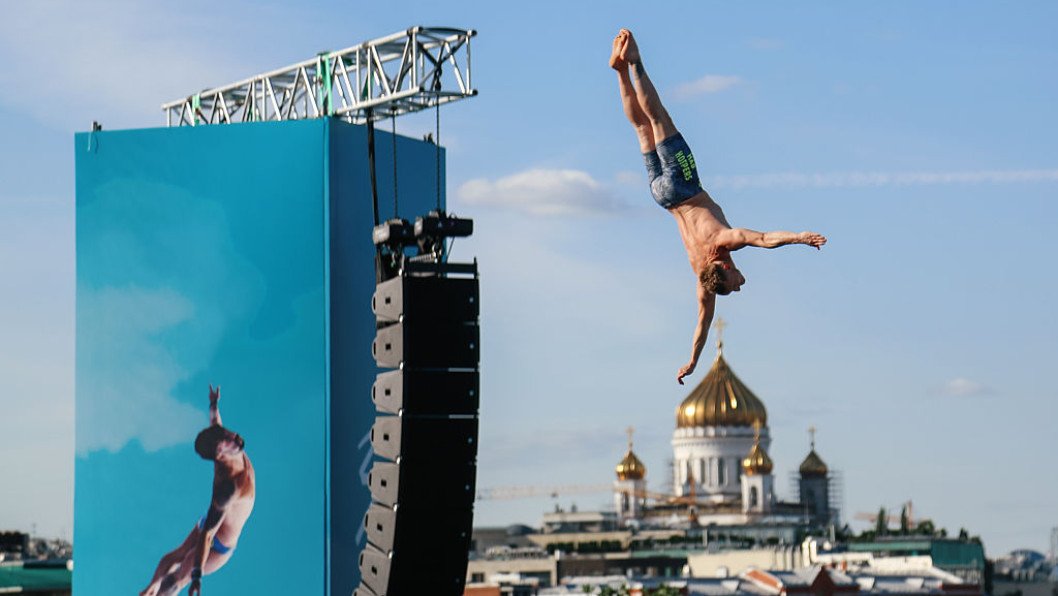
The latest wave of disciplinary actions adds to a long-running legacy of doping allegations and sanctions that have significantly shaped Russia’s position in global sport.
According to reporting by The New York Times, in 2016, a report commissioned by WADA concluded that the country had operated a “state-dictated” doping system between 2011 and 2015, implicating more than 1,000 athletes in the use of performance-enhancing substances. The findings followed earlier investigations by international media and whistleblowers, which exposed systematic manipulation of doping samples, including during the 2014 Winter Olympics in Sochi.
The consequences were far-reaching. Russian track and field athletes were banned from the 2016 Olympic Games, while the International Olympic Committee suspended the Russian Olympic Committee ahead of the 2018 Winter Olympics in Pyeongchang. Although some restrictions were later partially eased, Russian athletes were required to compete under neutral designation, without national symbols or anthem.
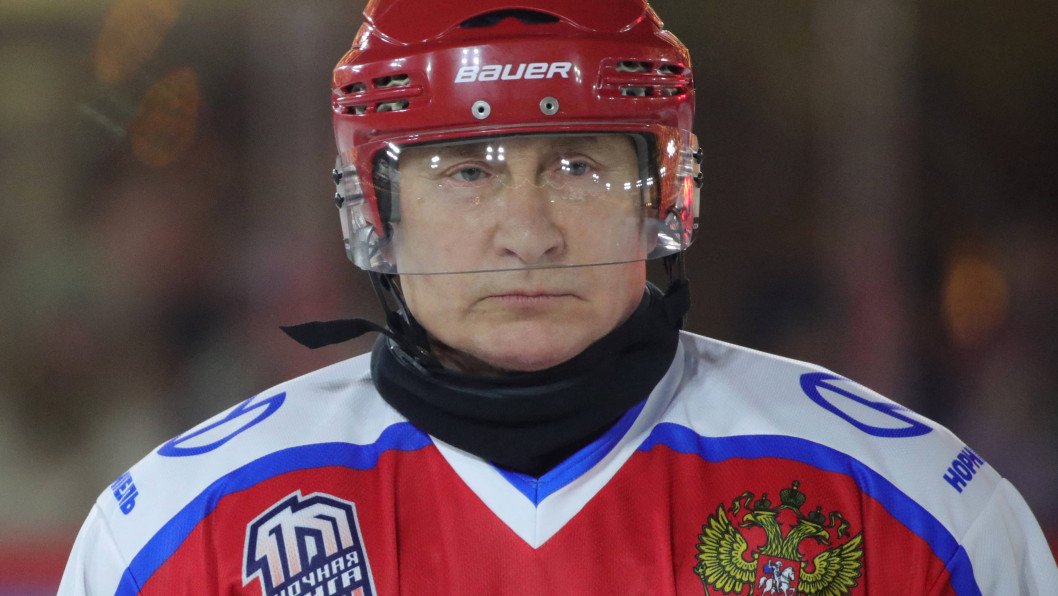
The suspension framework remained in place through the 2022 Winter Olympics in Beijing, where Russian competitors participated under the banner of the Russian Olympic Committee. However, Russia’s full-scale invasion of Ukraine shortly after those Games led the IOC to recommend further bans on Russian and Belarusian athletes, deepening Moscow’s sporting isolation.
Moreover, an investigation by BBC Sport, has raised questions regarding several Russian athletes who were granted neutral status for the upcoming Winter Olympics. The report scrutinized their alleged involvement in activities supporting Russia’s invasion of Ukraine.
Despite these findings, the International Olympic Committee has cleared 13 Russian competitors to participate as Individual Neutral Athletes. This approval followed a vetting process intended to confirm that the athletes have not demonstrated active support for the war. However, several athletes have come under scrutiny due to their reported associations with pro-war entities, including ties to Russian government officials and figures linked to the military.
Discuss this article:
-9bd5e1532102621f8fb1c4ba871a3171.png)


-72b63a4e0c8c475ad81fe3eed3f63729.jpeg "Photo of Cyril Barabaltchouk")