- Category
- Latest news
Ukraine Uses Balloons to Confuse Russian Air Defenses During Drone Attacks on Moscow and Tatarstan
 Prefer U24 Media on Google
- Authors


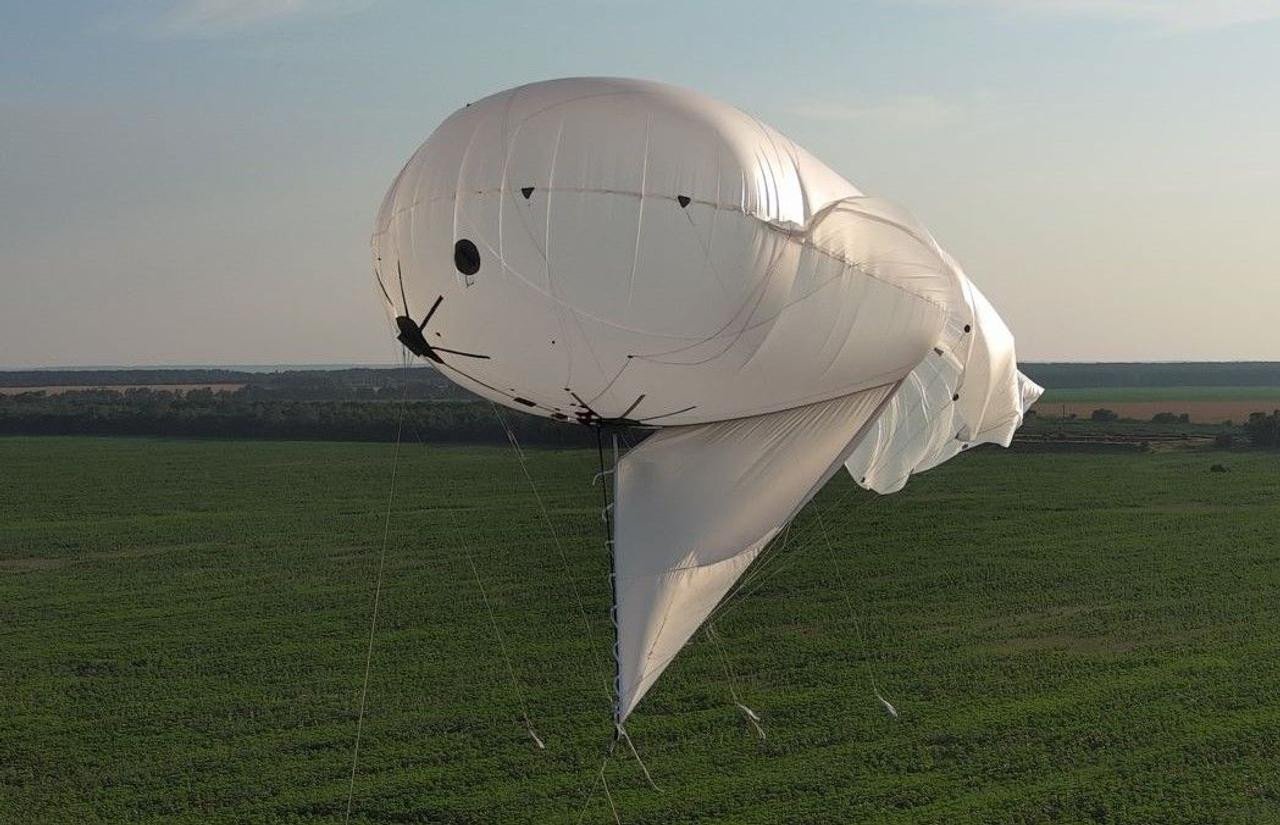
Ukrainian forces employed balloons during a large-scale drone strike on Russia, marking the first reported mass use of such devices in the campaign.
According to Russian media RBC on September 23, Russian military sources said the overnight attack on Moscow and the Republic of Tatarstan was characterized by “a significant number of balloons.”
The source noted, “There were indeed a lot of balloons, but they do not have any accuracy.”
The Russian Ministry of Defense reported the downing of 69 Ukrainian drones but did not mention balloons in its official statement.
However, Russian monitoring outlets, including “Rossiya Radar,” documented balloon sightings over Moscow and Moscow region, as well as in Chuvashia, Tatarstan, Yaroslavl, and Tver regions.
The monitoring group stated that some of the objects detected near Moscow were flying at an altitude of around 10 kilometers and appeared to carry a payload, possibly a warhead.
Analysts suggested the balloons could have been used as decoys to exhaust Russian air defense systems and increase the effectiveness of strike drones.
Moscow Mayor Sergey Sobyanin said 41 drones heading toward the capital were intercepted overnight, causing temporary flight suspensions. He did not provide details about damage or casualties on the ground.
-919b6c9719e6fb60c6da2cbe4010170b.png)
Local residents in Moscow reported observing Ukrainian-made UJ-22 “Beaver” drones in the sky. Videos also captured falling objects, which by sound resembled either jet-powered drones or fragments of Russian surface-to-air missiles.
Earlier, in March 2025, Ukraine tested a new aerostat-based system designed to intercept Russian Shahed drones. Developed by the company Aerobavovna, the concept uses a tethered balloon equipped with thermal imaging to detect targets and deploy FPV interceptor drones.
The aerostats, which can operate in all weather conditions at altitudes of up to 800 meters and carry payloads of around 10 kilograms, had already been in use for communication and surveillance before being adapted for drone defense.
Discuss this article:



-c439b7bd9030ecf9d5a4287dc361ba31.jpg "Photo of Katherina Popilnichenko")