- Category
- Latest news
Ukraine Wants Its Own Patriot as Russian Missiles Keep Falling

President Volodymyr Zelenskyy said Kyiv is exploring multiple options—from licensing Western systems like Patriot to developing a fully Ukrainian alternative capable of protecting the country’s skies.
 Prefer U24 Media on Google
- Authors


Ukraine is accelerating efforts to develop a domestic air defense system, with President Volodymyr Zelenskyy describing the project as a top strategic priority for the country’s defense leadership. Zelenskyy said this while speaking with journalists on March 14, according to a UNITED24 Media correspondent.
Zelenskyy said he has tasked Defense Minister Mykhailo Fedorov with coordinating work across the military, defense industry, and private technology sector to strengthen Ukraine’s ability to protect its airspace.
We bring you stories from the ground. Your support keeps our team in the field.
According to Zelenskyy, Ukraine is pursuing several parallel approaches to address its urgent air defense needs, including possible licensing agreements for Western systems or developing a completely domestic alternative.
“The issue is air defense. Either the United States will give us a license for Patriot, or we will obtain a license from one of our European partners, or Ukraine will have its own air defense system that will appear earlier. We should not abandon any of these approaches. But which will come first—we will see,” Zelenskyy said.
Ukrainian planned Кільчень / Kilchen AAM system,it looks like American Patriot system. pic.twitter.com/H8aiyhgtDS
— Caesar (@Ninja998998) May 14, 2021
Ukraine looking for Patriot license—or its own alternative
Air defense remains one of Ukraine’s most pressing military requirements. Russian forces have repeatedly used cruise missiles, ballistic missiles, and long-range drones in attacks on energy infrastructure, logistics networks, and major cities across the country.
Zelenskyy said the effort to expand air defense capabilities will require close cooperation between the Defense Ministry, the commanders responsible for air defense operations, and Ukraine’s rapidly growing private defense technology sector.
“Mykhailo, together with the commander of the air defense forces and the entire private sector, must focus on this issue,” the president said.
According to Zelenskyy, Fedorov has already begun consultations with Ukrainian defense companies and technology developers involved in missile and air defense systems.
“Mykhailo traveled across the entire private sector and spoke with them. He prepared a report for me. We will take steps regarding air defense and missile construction—you will see them. This is a transformation forward, because we simply have no other path,” Zelenskyy said.
Building a long-term shield for Ukraine’s skies
Beyond the immediate needs of wartime defense, Zelenskyy emphasized that Ukraine must also build a long-term national air defense capability to guarantee security even after the war ends.
“The war will end—everyone will give us security guarantees. A plane will depart from an airport, and people still need to be confident that if some accidental missile arrives, they will be protected. The question is global protection. This is question number one,” he said.
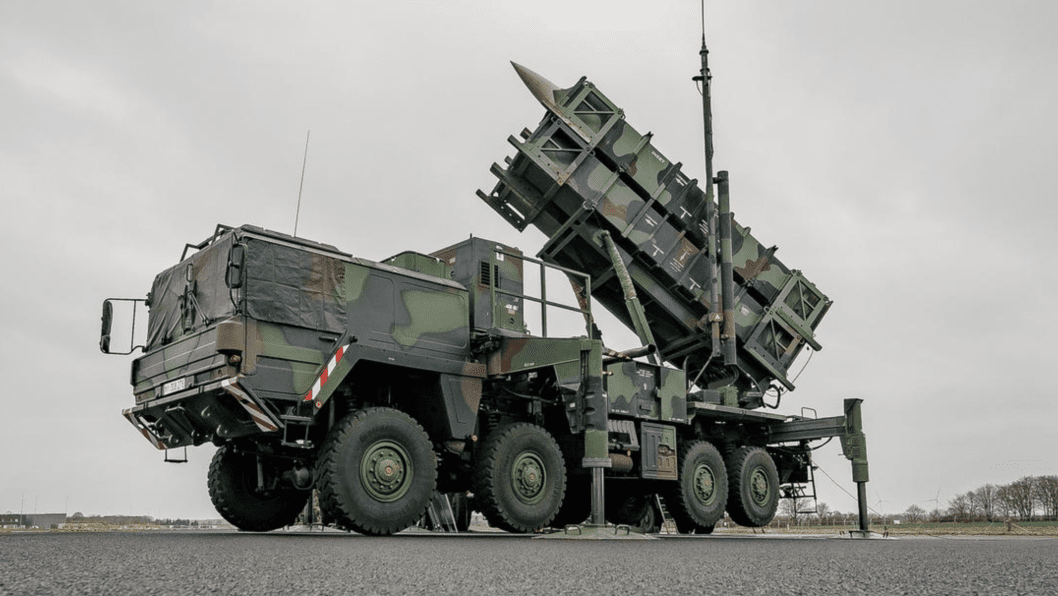
At present, Ukraine relies heavily on Western-supplied air defense systems, including Patriot systems provided by the United States and European partners, as well as NASAMS systems developed by Norway and the United States. These platforms are designed to intercept aircraft, cruise missiles and—in some cases—ballistic missiles.
800 Patriot missiles were used for air defense in just 3 days in the Middle East. Ukraine received 600 in 4 years of full-scale war.
— Defense of Ukraine (@DefenceU) March 10, 2026
Russia, Iran and North Korea form a new Axis of Evil. Ukraine was the first to confront this Axis. We continue to fight, but we need support.
The… pic.twitter.com/wUQVn9gSVK
Ukraine’s defense industry steps in
However, Ukrainian officials have repeatedly warned that the number of available systems remains insufficient to protect all critical infrastructure and major population centers.
Developing domestic capabilities could allow Ukraine to produce interceptor missiles, radar systems and command networks within its own defense industry.
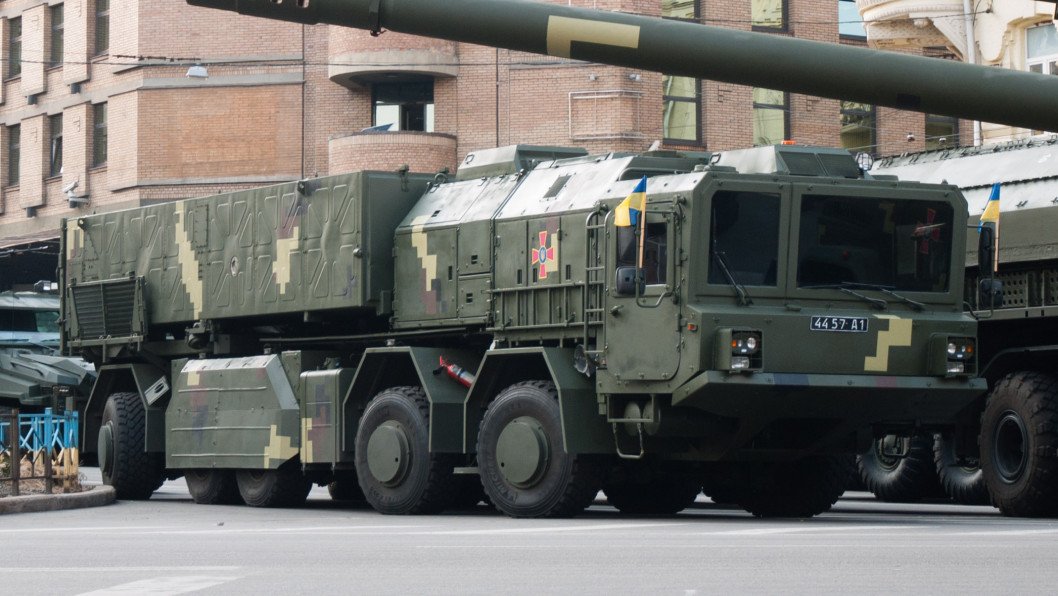
Officials say multiple projects are already underway. Some efforts reportedly focus on modernizing and reverse-engineering Soviet-era air defense systems such as the S-300 and Buk, which remain in Ukrainian service.
Other initiatives involve designing new multi-missile air defense systems inspired by Western architectures similar to NASAMS. Ukrainian engineers are also examining the possibility of building systems capable of intercepting ballistic missiles, one of the most difficult challenges in modern air defense.
Ukraine is also significantly expanding its drone production capacity. Officials say the country plans to manufacture at least seven million FPV drones in 2026.
A NASAMS launcher in Ukraine 🇺🇦 loaded with 5 AMRAAM AIM-120 Surface-to-Air Missiles
— Ukraine Battle Map (@ukraine_map) February 7, 2024
NASAMS is the most effective and most advanced air defense system against cruise missiles in the world pic.twitter.com/QOAZ6Fz45y
Ukraine is currently working with several partners to strengthen its ability to counter ballistic missile threats. Germany can produce PAC-2 interceptor missiles, which can support air defense efforts, but the more advanced PAC-3 interceptors—considered critical for defending against ballistic missiles—are produced only in the United States.
French-supplied SAMP-T systems are currently seen as one of the few alternatives capable of countering such threats.
Zelenskyy also noted that acquiring many advanced weapons systems requires direct agreements with the governments of partner countries.
❗️🇫🇷Franco-🇮🇹Italian SAMP/T air defense system in service with the 🇺🇦Ukrainian Air Force.
— 🪖MilitaryNewsUA🇺🇦 (@front_ukrainian) February 9, 2026
On one of the vehicles of the complex, you can see markings indicating downed targets: 2 aircraft, reconnaissance UAVs, gliding aerial bombs, kamikaze drones, and cruise missiles. pic.twitter.com/21eC4VV6Wq
“It is impossible for me to buy any weapons systems unless I make a specific agreement with the leader of the country from which they come,” he said, referring to systems such as Patriot, Taurus, radar platforms and SAMP-T.
Ukraine’s “Kilchen” system—potential Patriot alternative
One potential example of Ukraine’s push to develop its own air defense capabilities is the “Kilchen” universal surface-to-air missile system, a project presented by engineers from the Pivdenne Design Office, one of Ukraine’s leading missile developers.
According to representatives of the state-owned bureau, the concept for the system—named after a river near the city of Dnipro—already exists in a completed design form and was previously showcased in a video presentation prepared for the Arms and Security international defense exhibition back in 2021, Defense Express wrote.
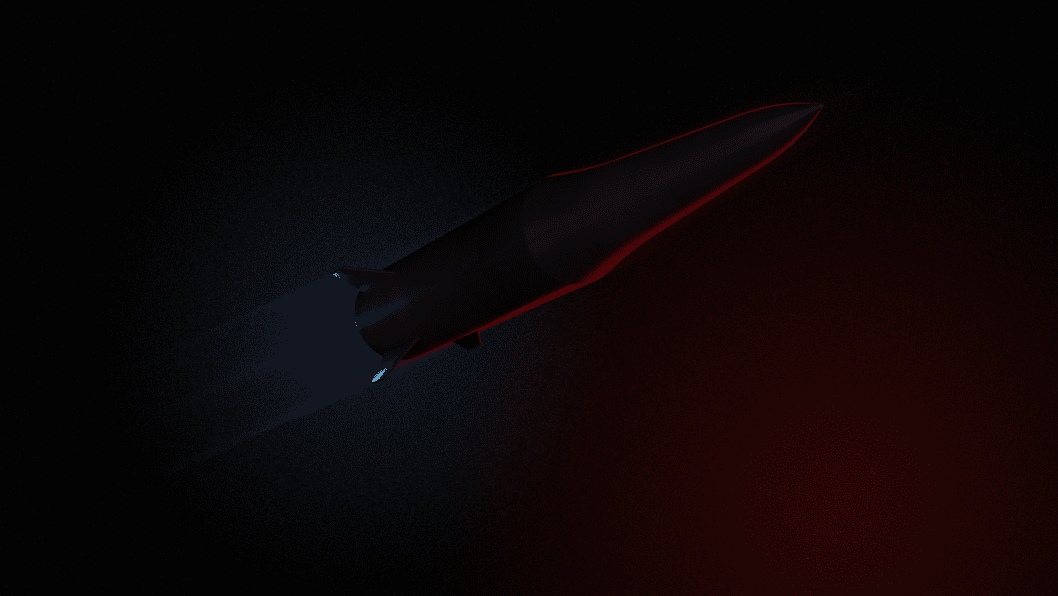
“This proposed system is multi-channel. It has a missile capable of providing a long engagement range of more than 200 kilometers. The missile is highly maneuverable and capable of engaging multiple targets, ensuring the system’s versatility against both aerodynamic targets—such as aircraft or cruise missiles—and ballistic threats,” said Oleksandr Kushnaryov, acting director general of Pivdenne.
Developers say the system is designed as a full air defense architecture, including Ukrainian-built radar systems for detection and target designation operating across multiple frequency bands.
Long-range multi-target capability
According to project engineers, a full Kilchen system could include up to six missile batteries capable of engaging aerodynamic targets at ranges of up to 280 kilometers.
“The system can simultaneously engage up to 12 targets—six of which may be ballistic—or up to 16 aerodynamic targets,” said Valerii Perkov, head of a project group at Pivdenne.
The system is also designed using network-centric command principles, incorporating distributed command posts, multi-radar data processing, and modern digital control technologies.
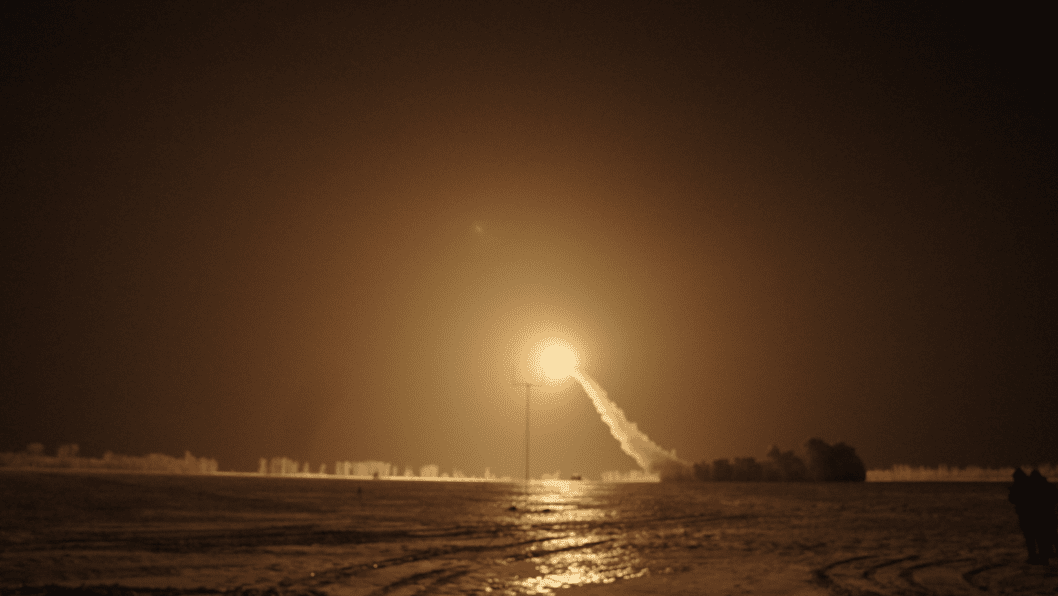
Developers estimate the domestic system could cost three to six times less than the US-made Patriot PAC-3, potentially allowing Ukraine to field multiple Kilchen systems for the price of a single Patriot battery.
According to the bureau, six Kilchen systems could provide circular or sector air defense coverage capable of protecting between 250 and 500 kilometers of Ukrainian territory from aerial threats.
Earlier, reports emerged that the Italian defense company Leonardo planned to test components of its advanced integrated defense system, Michelangelo, in Ukraine by the end of this year.
NATO member states will begin their own trials of the system later in 2027. This timeline places Ukraine at the forefront of testing the new technology under real conditions.
Discuss this article:





-72b63a4e0c8c475ad81fe3eed3f63729.jpeg "Photo of Cyril Barabaltchouk")