- Category
- Latest news
Ukraine’s EU Membership Bid Faces Resistance as European Capitals Delay Accession Talks
 Prefer U24 Media on Google
- Authors

-c439b7bd9030ecf9d5a4287dc361ba31.jpg "Photo of Katherina Popilnichenko")
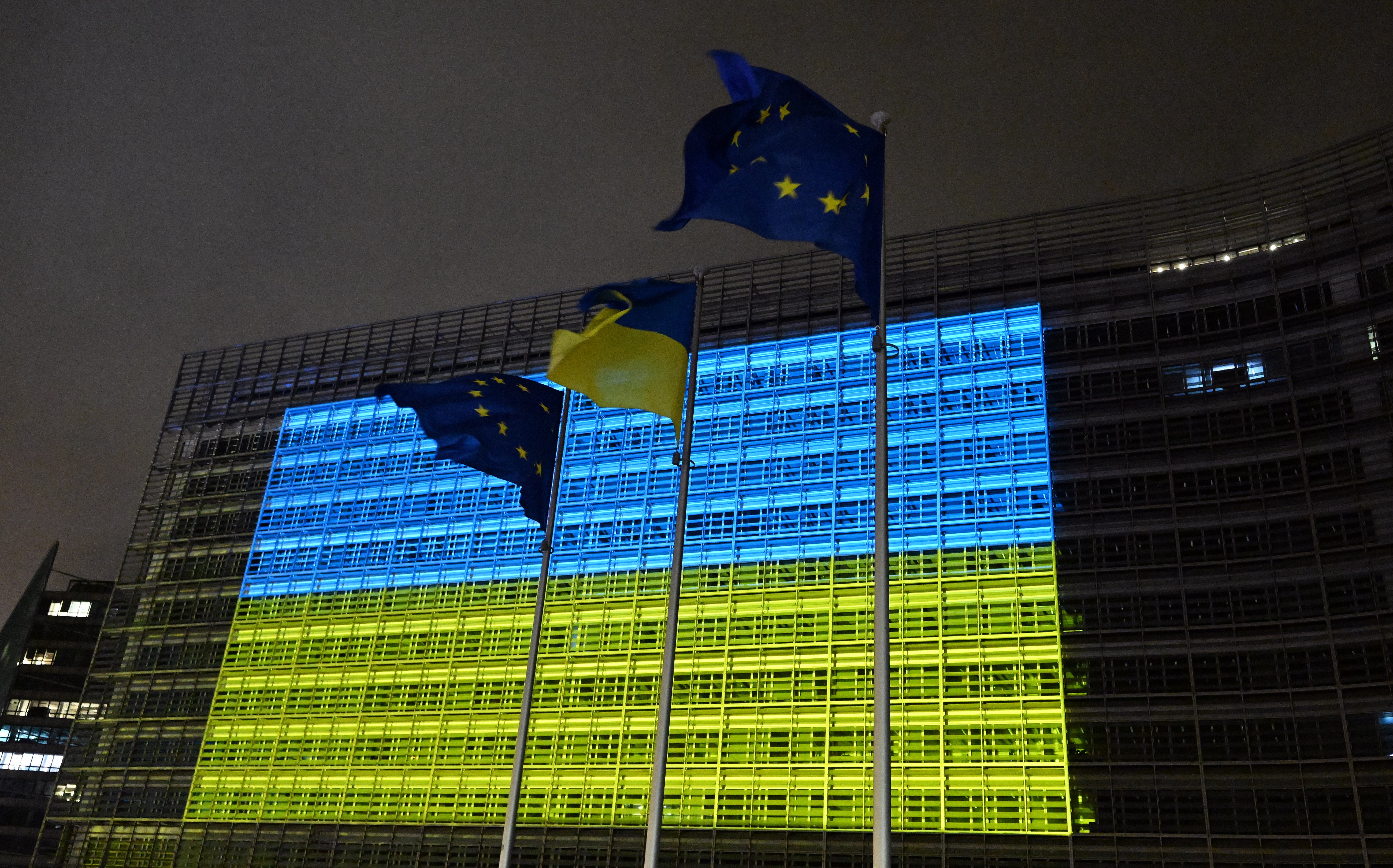
The European Union’s plan to include Ukraine is facing significant resistance from several member states. Many governments are hesitant to discuss expansion due to fears of political backlash at home.
This caution has led to the removal of the topic from the upcoming EU summit in Cyprus, according to POLITICO on April 14.
We bring you stories from the ground. Your support keeps our team in the field.
Internal European politics are a major factor in this delay. Leaders worry that adding new members will give an advantage to populist movements and lead to difficult national referendums.
“Enlargement must remain demanding and merit-based to ensure its success and credibility,” said France’s minister delegate for European affairs, Benjamin Haddad.
There are also concerns about labor competition, similar to the debates seen before Poland joined in 2004.
Major powers like France, Germany, Italy, and the Netherlands are insisting on a strict, merit-based process without exceptions. Even with the pressure of Russia’s full-scale invasion of Ukraine, many capitals lack the political appetite for a quick accession.
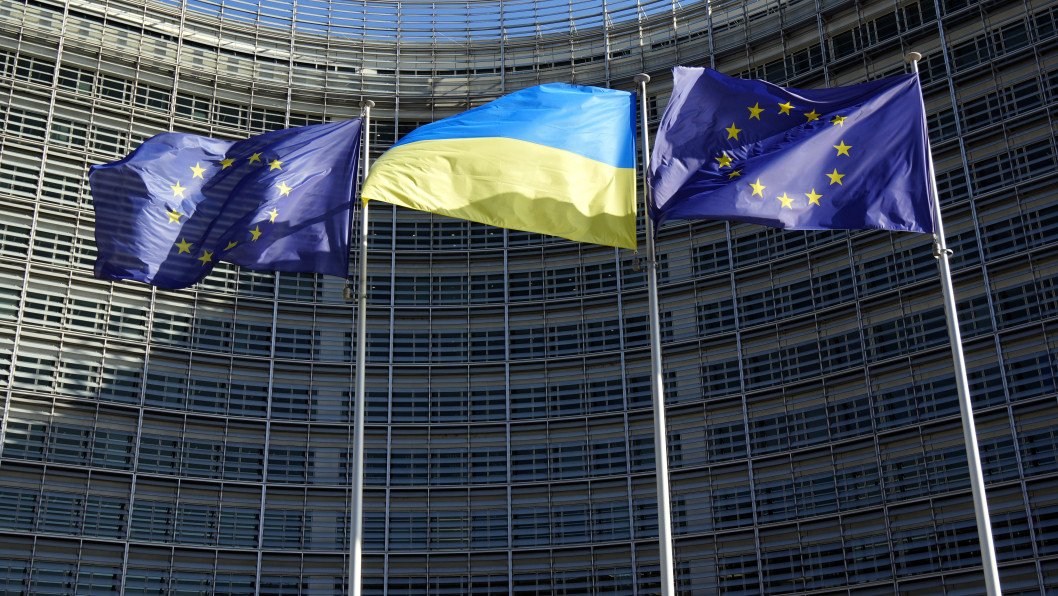
The EU is also cautious after years of political friction with Hungary. To prevent future members from blocking collective decisions, the European Commission is exploring ways to limit veto powers for new arrivals.
As of March 2026, Ukraine had reached 84% implementation of the EU–Ukraine Association Agreement, marking significant progress in aligning its national legislation with European Union standards.
According to a report from the Office of the Deputy Prime Minister for European and Euro-Atlantic Integration, the country’s implementation level increased from 81% in 2024 despite the challenges posed by Russia’s full-scale invasion.
Deputy Prime Minister Taras Kachka noted that this was the final report under the Association Agreement framework, as all future commitments were set to be managed through a new national program for EU law adaptation.
Discuss this article:


-72b63a4e0c8c475ad81fe3eed3f63729.jpeg "Photo of Cyril Barabaltchouk")


-6e3428867ace19a147f0b101a4e966db.jpg "A technician launches a Ukrainian Raybird UAV from a catapult during an aerial reconnaissance mission by soldiers of the 148th Separate Artillery Zhytomyr Brigade in Dnipropetrovsk region, Ukraine, on June 22, 2026. (Source: Getty Images)")

-9ac2babc22fb5599acef753ff4c50139.jpg "KN-30 ballistic missile launch.")