- Category
- Latest news
Ukraine’s Flying Shotguns: How Ukraine Turns Soviet-Era Yak-52s Into WWI-Style Interceptors
 Prefer U24 Media on Google
- Authors


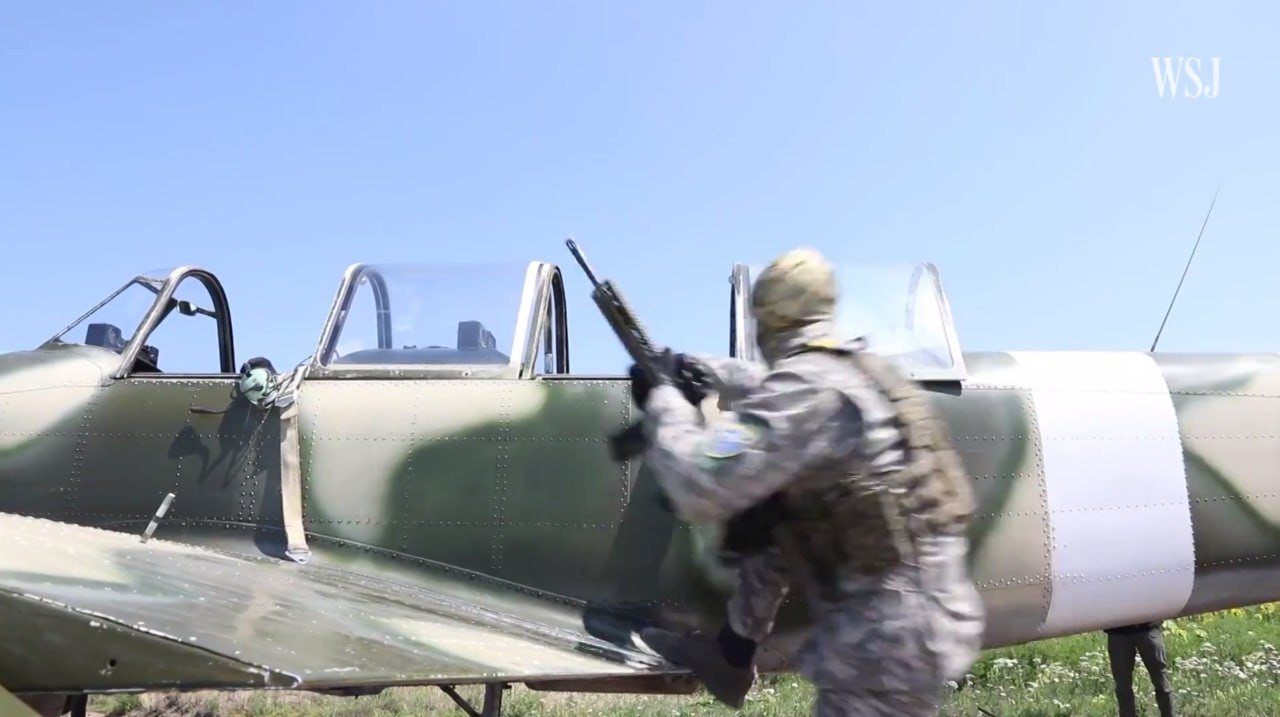
Ukrainian forces have adopted an unconventional method to counter increasing Russian drone attacks by employing Soviet-era Yak-52 training aircraft.
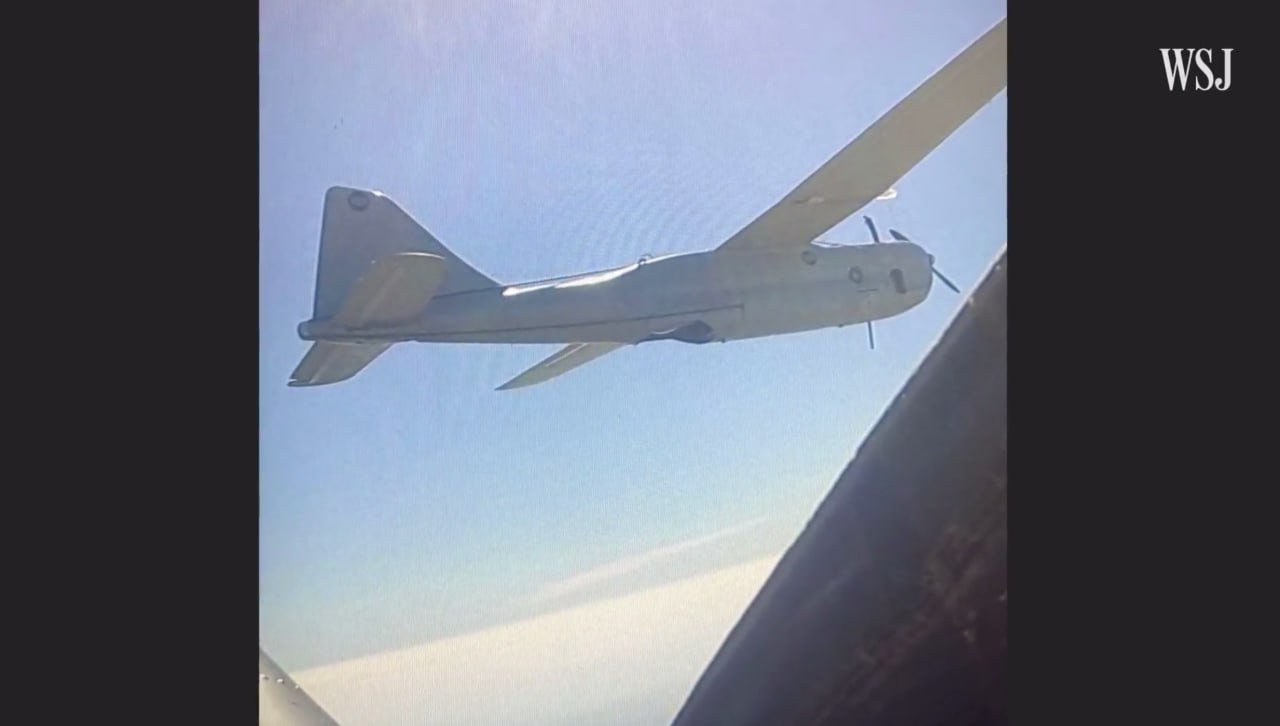
According to The Wall Street Journal, pilots of the 11th Army Aviation Brigade have been intercepting reconnaissance UAVs such as Orlan and Zala, as well as Shahed attack drones, using tactics reminiscent of early 20th-century aerial combat.
The Yak-52 lacks radar, and ground-based tracking units guide the aircraft until a visual contact is made. Each crew consists of a pilot and a gunner, who opens the canopy in flight and engages drones with small arms or machine guns.
Ukraine is shooting down Russian drones with shotguns from Soviet-era Yak-52 planes.
— Ivan Khomenko (@KhomenkoIv60065) August 25, 2025
No radar. No missiles. Just a pilot, a gunner, and WWI-style dogfights in 2025.
🎥:Wall Street Journal pic.twitter.com/GFMM2RDiqf
In some cases, pilots maneuver close enough to disrupt drones by striking their wings with the aircraft itself.
Colonel Mykola Likhatskyi, deputy commander of the brigade, told WSJ that Yak-52 teams account for approximately 10–12% of drones destroyed on an average day. The aircraft, with a maximum speed of nearly 300 km/h, can effectively overtake drones flying at about 185 km/h.
The approach has been compared to tactics of the First World War, when aircraft engaged at close range and gunners attempted to disable opponents from open cockpits. Similar methods were also employed by British pilots during the Second World War against German V-1 flying bombs.
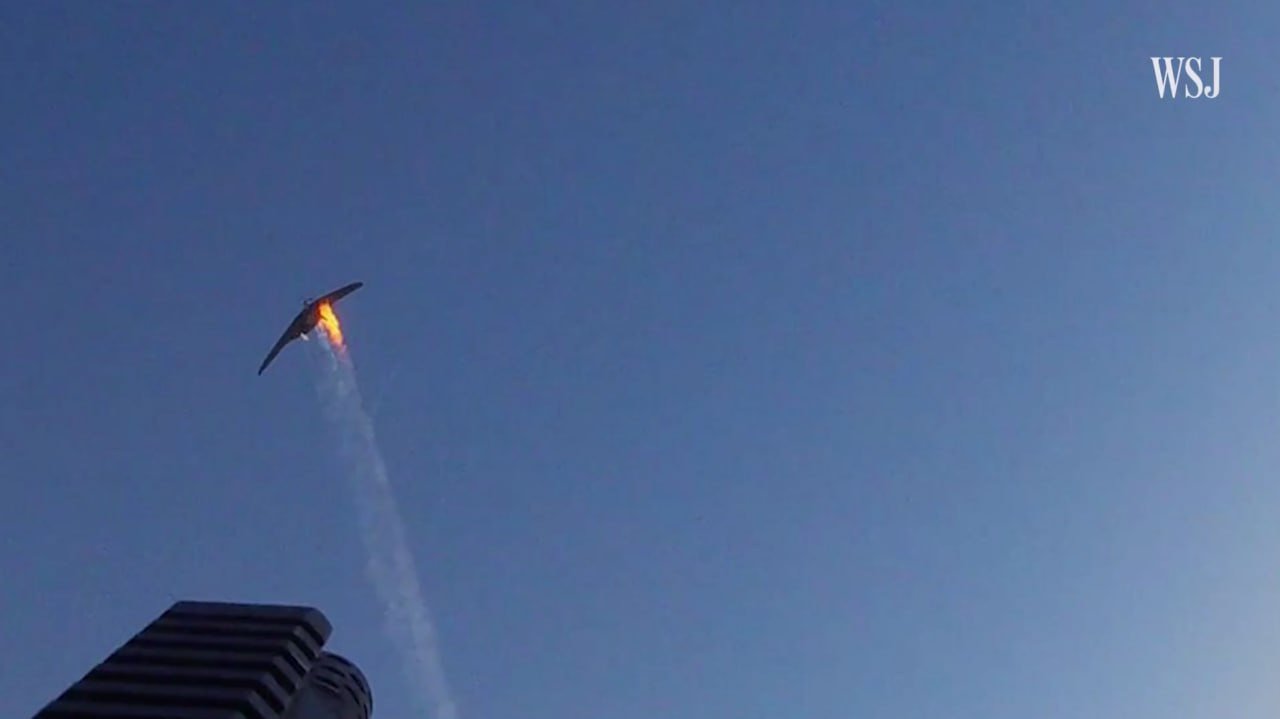
Ukraine continues to rely on advanced Western systems such as Patriot air defense batteries and F-16 fighter jets to counter missile and UAV threats, but these assets are primarily reserved for high-value targets due to their cost.
Mobile air defense groups mounted on pickup trucks with heavy machine guns have also been widely used, though Shahed drones modified to fly at higher altitudes have complicated interception efforts.
In July, the UK-based Centre for Information Resilience estimated that Ukraine’s drone interception rate reached about 89%. However, earlier in the year, as Russia increased the scale of its drone campaigns and deployed decoys, the figure dropped to as low as 47%.
The Yak-52 units are now one element of a wider defense strategy. Once alerted by ground services, the aircraft can be airborne within 15 minutes and begin pursuit of incoming drones. Despite the simplicity of the method, it provides a cost-effective supplement to Ukraine’s layered air defense network.
Earlier, Ukraine deployed its first SHARK light aircraft equipped with an electronic warfare system designed to detect and jam Russian drones.
Discuss this article: