- Category
- Latest news
Outdated Soviet Choppers + Cutting-Edge Sensors = Ukraine’s New Drone Killers
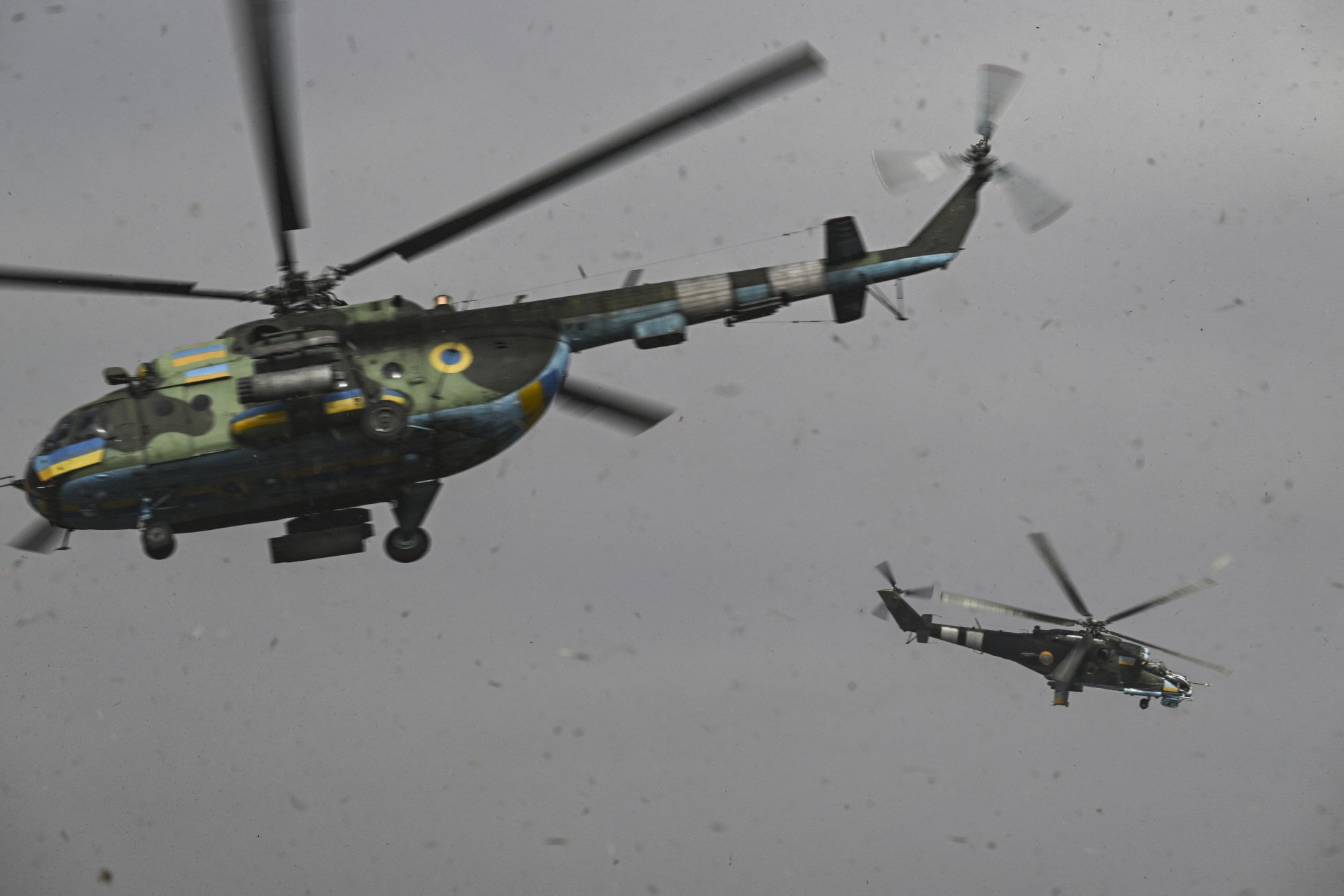
Faced with nightly barrages of Russian suicide drones and a dwindling supply of air defense missiles, Ukraine is turning to an unexpected weapon in the skies: helicopter pairs.
 Prefer U24 Media on Google
- Authors


As Russia intensifies its relentless drone assault on Ukraine with waves of long-range Shahed one-way attack drones, Ukrainian forces are adopting a surprising yet effective countermeasure: helicopter-borne drone hunting, even in total darkness, Defence Blog reported on July 16.
Ukrainian officials report that modified helicopters equipped with advanced multi-sensor systems have become one of the most effective solutions for combating these persistent aerial threats, especially at night or in poor weather, when conventional air defense assets struggle or are unavailable.
We spent 5 days with Ukrainian helicopter crews as they hunt Shaheds, dodge missiles, and protect their country from above.
— UNITED24 Media (@United24media) July 11, 2025
Watch how they do it ⬇️ https://t.co/aw5oC3v6Ls pic.twitter.com/OUN5rvpLBO
With surface-to-air missile stockpiles under pressure and hundreds of drones threatening vast areas of Ukrainian airspace, commanders have turned to a hybrid airborne approach that fuses old Soviet hardware with cutting-edge Western optics.
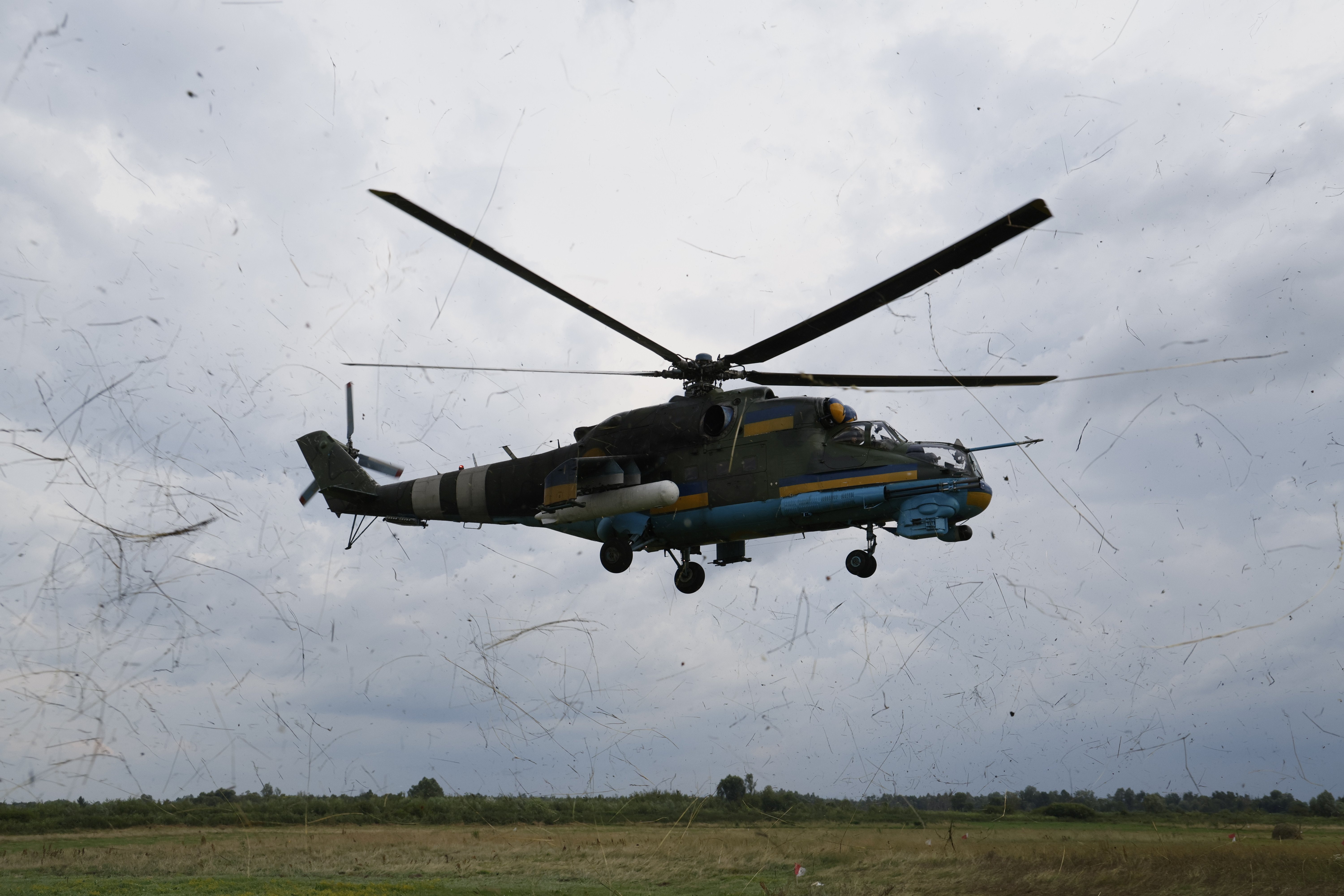
While Soviet-era Mi-8 and Mi-24 have been deployed during daytime attacks and in favorable weather, their effectiveness is severely limited under nighttime or low-visibility conditions.
-5f89d1e5af9a27c70d81d23f6e8b597d.jpeg)
Pairing Airbus helicopters with Mi-8/24 gunships
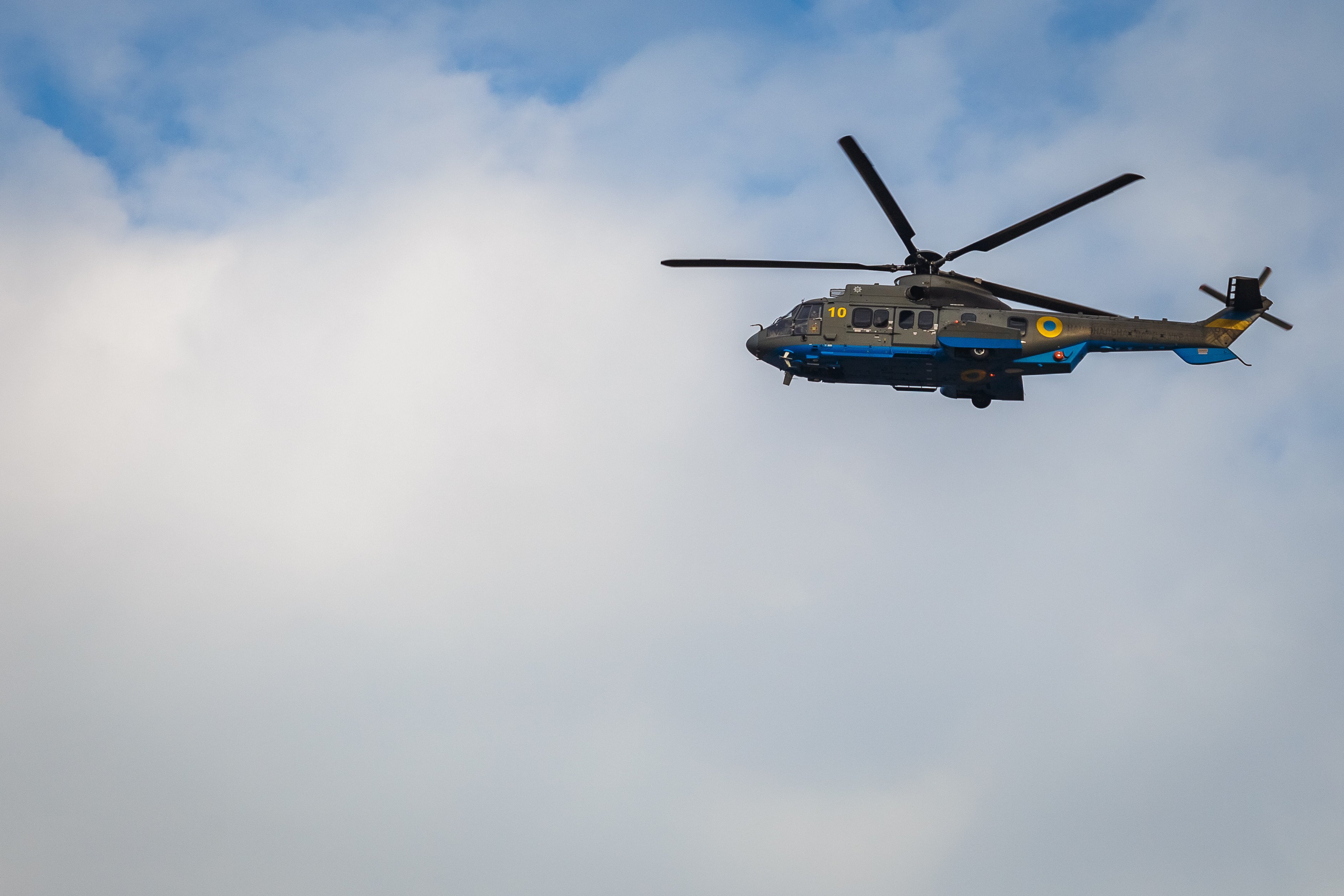
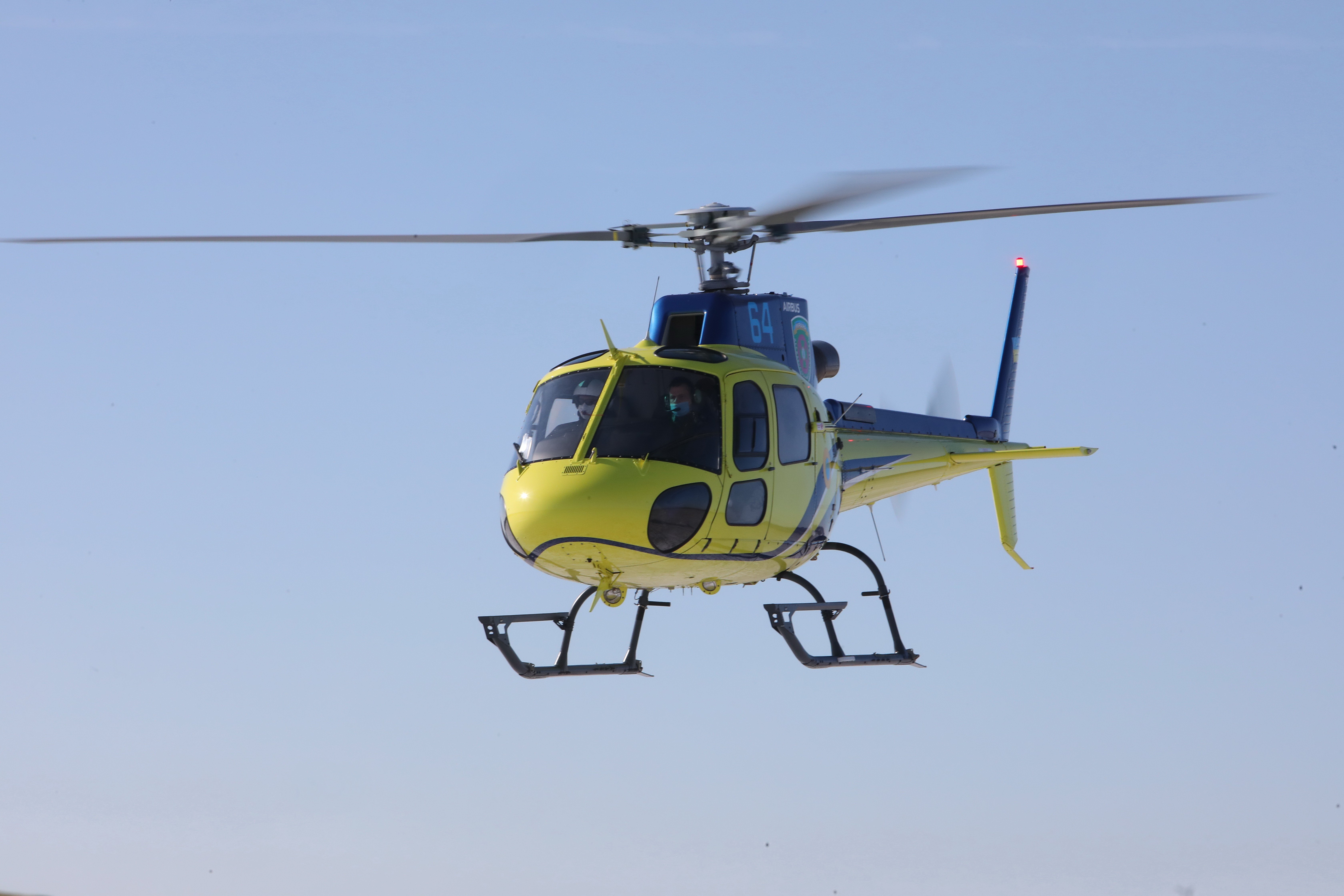
To bridge the detection gap in low-visibility scenarios, Ukraine has repurposed Airbus H125 and H225 helicopters, originally purchased for the State Border Guard Service and State Emergency Service, into airborne surveillance platforms.
These helicopters are now fitted with Teledyne FLIR UltraFORCE 350 electro-optical systems capable of detecting drones in complete darkness.
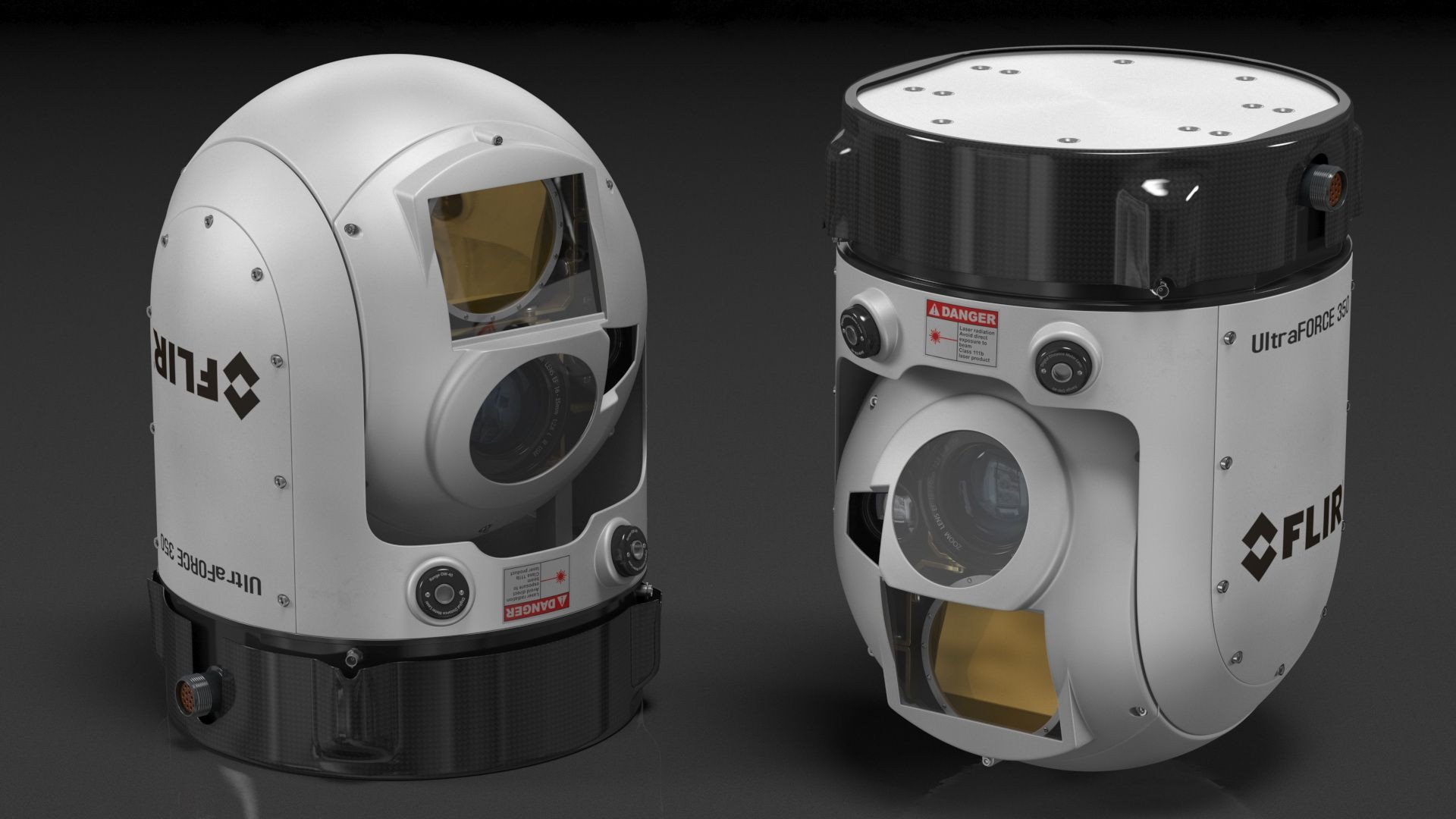
In typical operations, a light Airbus H125 acts as a spotter, locating and tracking incoming drones using its gyro-stabilized FLIR optics.
The H125 then guides a heavier Soviet-era Mi-8 or Mi-24 helicopter into position. Armed with machine guns or other weapons, the helicopters execute the intercept, aiming to neutralize the drone in flight and ensure any debris lands in open terrain.
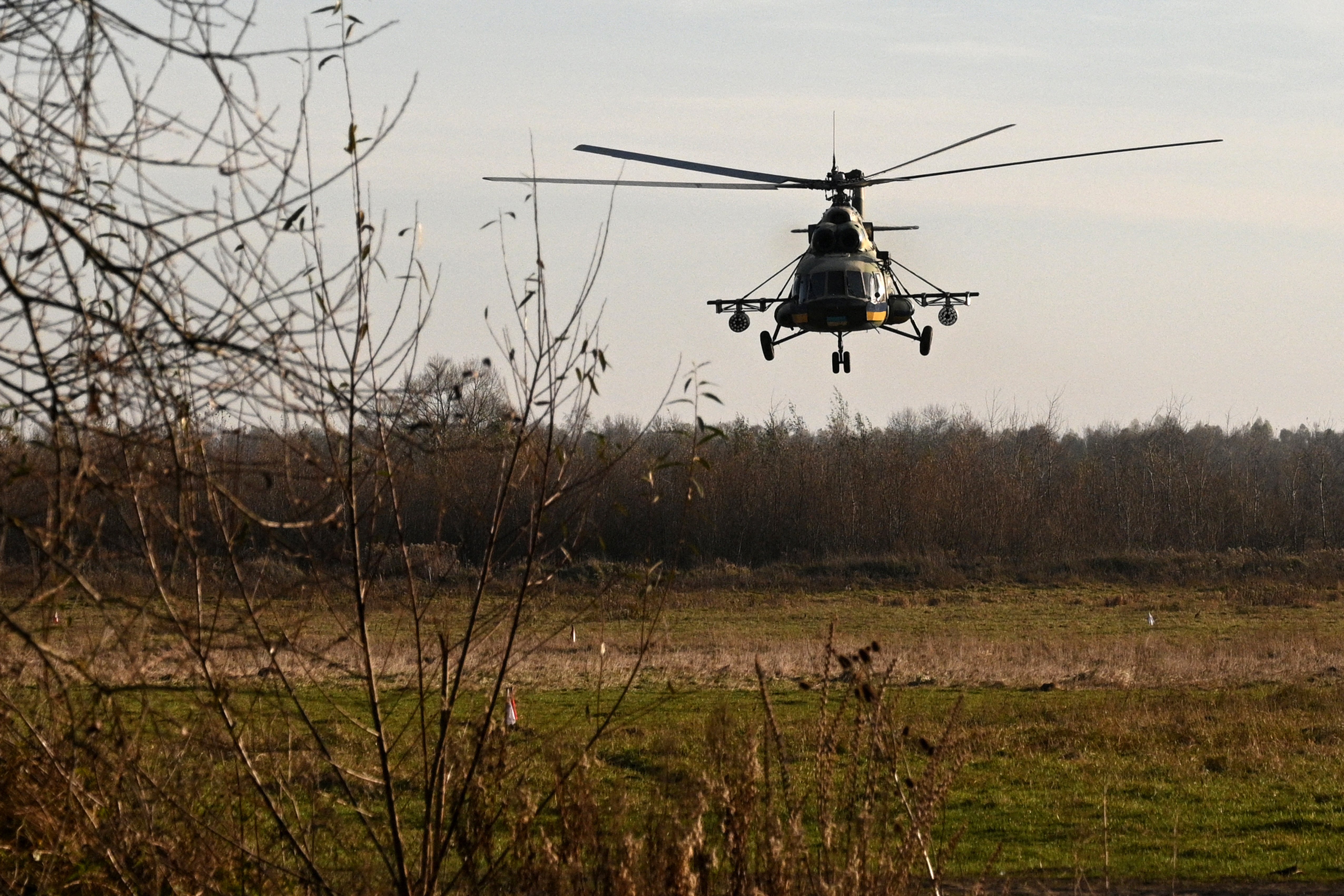
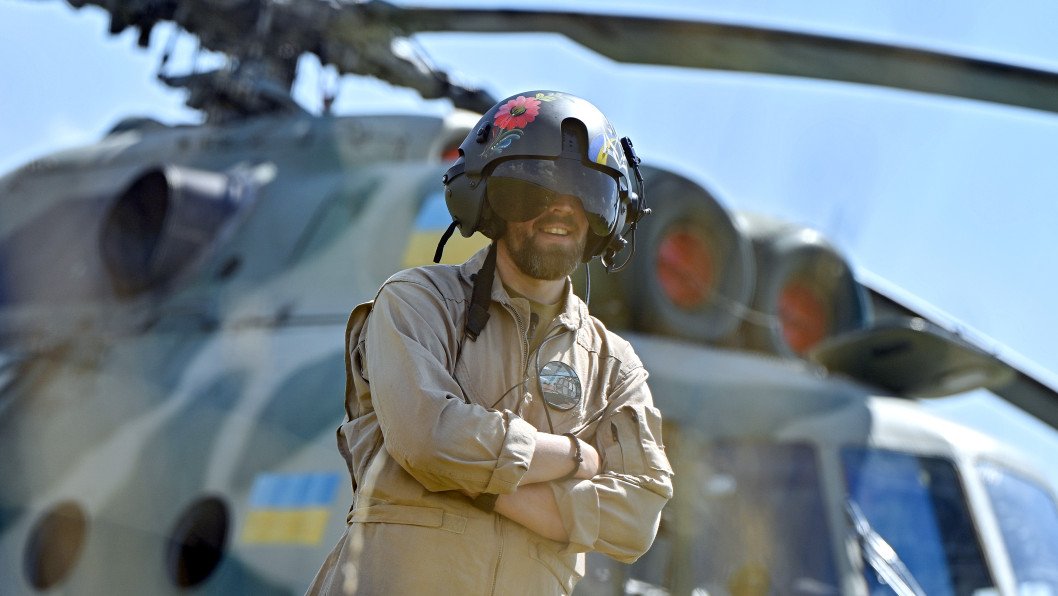
“Our FLIR sensor is our eyes—it allows us to see everything in the darkness or bad weather and work safely against suicide drones,” one Ukrainian pilot explained.
The tactic has proven especially useful in rural areas where civilian casualties from falling drone debris must be avoided. Target coordinates are initially relayed by ground radar, after which the helicopter pair takes over tracking and interception duties.
Critical role of FLIR systems in combat
Originally developed for search-and-rescue and security missions, the UltraFORCE 350 has found a new life in Ukraine’s fast-adapting war effort. Its real-time thermal tracking allows forces to maintain visual contact with small, fast-moving drones even in challenging conditions.
“Teledyne FLIR Defense solutions are proving to be ideally suited for airborne counter-drone applications, as seen recently in Ukraine,” a company spokesperson told Defence Blog.
“The precision of our airborne thermal imaging systems means they are versatile enough to support a wide range of missions to detect, track, and identify targets under all kinds of conditions.”
Despite their high-tech sensors, the Airbus H125s remain unarmed, relying entirely on their accompanying Mi-8 or Mi-24 escorts to carry out the attack.
Ukraine began deploying these combined rotary-wing interception teams in mid-2024. The tactic’s effectiveness depends on timely detection, high crew proficiency, and constant coordination across radar and aviation units. The missions remain dangerous: Shahed-136 drones can carry warheads weighing up to 90 kg and travel at speeds that challenge close-quarters interception.
Expanding the counter-drone arsenal
Looking ahead, Ukrainian defense officials are considering outfitting additional helicopters—and possibly light aircraft—with similar sensor systems to expand coverage.
With Russian drone raids expected to intensify, some estimates suggest Ukraine may soon face as many as 1,000 drone attacks per day during future escalation phases, Defence Blog notes.
The helicopter interception tactic is emblematic of Ukraine’s broader approach to the war: adapt fast, innovate under pressure, and use every available tool to stay one step ahead of Russia’s evolving tactics.
Earlier, a Belarusian Mi-24 helicopter shot down a Russian attack drone over the country’s airspace on July 12.
The drone, identified as a “Herbera"-type unmanned aerial vehicle, was reportedly flying toward Ukrainian territory when it was intercepted.
Discuss this article:



-111f0e5095e02c02446ffed57bfb0ab1.jpeg "Photo of Roman Kohanets")
-72b63a4e0c8c475ad81fe3eed3f63729.jpeg "Photo of Cyril Barabaltchouk")
-e00d178a31a987cd514e15ad3a8c2131.jpeg "Max Klymenko wearing the Etnodim, featuring embroidery inspired by traditional Ukrainian crafts. (Source: Ian Treherne)")
