- Category
- Latest news
Ukrainians Protest in Major Cities Against New Law That Could Compromise Anti-Corruption Independence
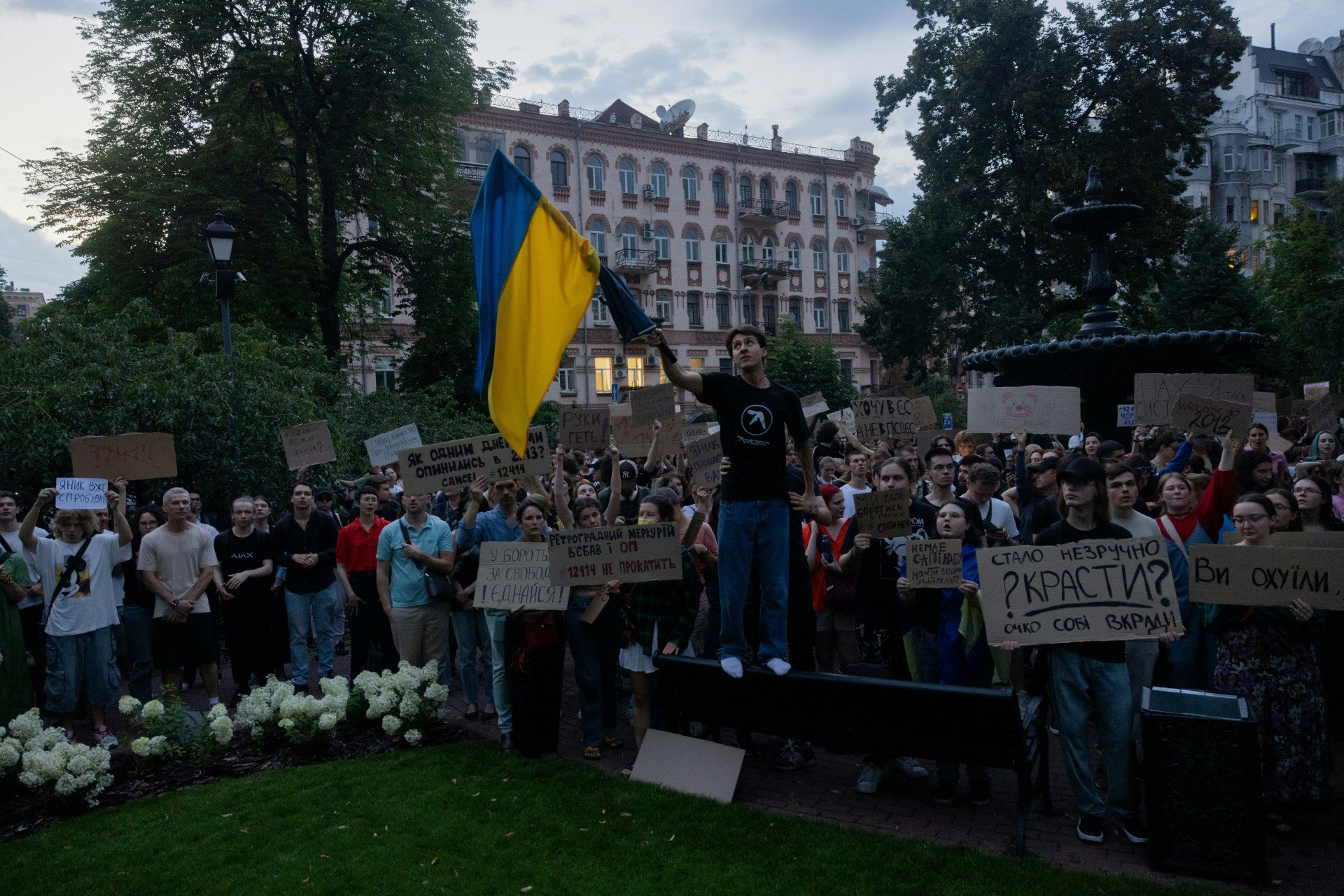
Thousands of Ukrainians took to the streets on July 22 to protest against a newly signed law that critics warn compromises the independence of the country’s top anti-corruption agencies.
 Prefer U24 Media on Google
- Authors


Yesterday, on July 22, Ukrainians went out to protest a new law regarding anti-corruption bodies, speaking out against any limitations on their independence.
The legislation, passed by the Ukrainian parliament and signed by President Volodymyr Zelenskyy, has sparked backlash across the country, UNITED24 Media reports.
⚡️ Zelenskyy: Ukraine’s anti-corruption system will work “only without Russian influence.”
— UNITED24 Media (@United24media) July 22, 2025
He spoke with NABU chief Kryvonos, SAPO head Klymenko, Prosecutor General Kravchenko, and SBU chief Maliuk. pic.twitter.com/Y26t5vvyDz
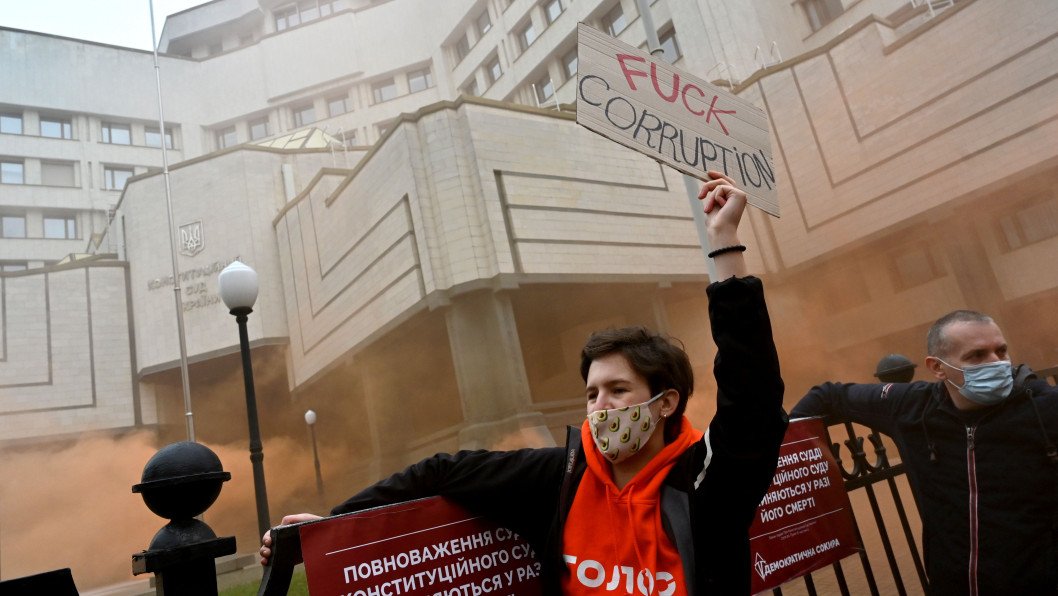
The law, formally known as Bill No. 12414, grants new powers to the Prosecutor General, including the ability to override, reassign, or even close cases handled by the National Anti-Corruption Bureau (NABU) and the Specialized Anti-Corruption Prosecutor’s Office (SAPO).
According to the text, the law allows the Prosecutor General to:
Access all NABU case materials or delegate that access to another prosecutor;
Issue binding written instructions to NABU detectives;
Transfer investigations to other law enforcement agencies;
Close investigations at the request of a defendant;
Personally assign or reassign cases and sign off on indictments for top officials;
Limit SAPO leadership’s ability to assign prosecutors or manage key appeals.
Ukraine’s top law enforcement agencies—including the Security Service of Ukraine, represented by its Chief Vasyl Maliuk; the Office of the Prosecutor General, led by Ruslan Kravchenko; and the State Bureau of Investigation, headed by Director Oleksii Sukhachov—told G7 representatives during a meeting that they are lawfully investigating and dismantling Russian infiltration within anti-corruption bodies, including NABU, and remain committed to upholding the rule of law even during wartime.
Chief of the Main Directorate of Intelligence of Ukraine, Kyrylo Budanov, later released a statement: “We have one common trouble, one enemy. So internal disagreements should be resolved through open dialogue in order to achieve one united goal—to defend our country.”
I spoke with NABU Director Semen Kryvonos, SAPO Prosecutor Oleksandr Klymenko, Prosecutor General Ruslan Kravchenko, and Head of the Security Service of Ukraine Vasyl Maliuk. We discussed various challenges.
— Volodymyr Zelenskyy / Володимир Зеленський (@ZelenskyyUa) July 22, 2025
The anti-corruption infrastructure will work. Only without Russian… pic.twitter.com/GQwlIrzNmk
In his evening address, President Zelenskyy stated, “Of course, the NABU and SAPO will continue their work.”
“And it’s important that the Prosecutor General is committed to ensuring that the inevitability of punishment becomes a reality in Ukraine for those who break the law.”
Zelenskyy acknowledged longstanding frustrations with the lack of progress on major corruption cases. “There is no rational explanation for why criminal proceedings worth billions have been ‘hanging’ for years,” he said, citing the need to ensure the inevitability of punishment and remove Russian influence from Ukraine’s legal institutions.
The head of the Prosecutor General’s Office, Ruslan Kravchenko, said he does not object to the protests—so long as they remain peaceful and within the law.
He has also addressed concerns that NABU and the SAPO could lose their independence following the recent adoption of Bill No. 12414 by Parliament.
“Are there concerns that NABU and SAPO will lose their independence? They don’t report to me. NABU definitely doesn’t. SAPO, due to the changes, is now part of a unified system with us. According to the Law of Ukraine on the Prosecutor’s Office, SAPO remains a department within our structure. We’ll be one family. They’ll continue working on their cases, and we’ll work on ours,” Kravchenko said.
Addressing this expanded power, Kravchenko cited the high-profile investigation into Deputy Prime Minister and Minister of National Unity Oleksiy Chernyshov, who is suspected by NABU of abuse of office and receiving substantial unlawful benefits for himself and others.
“Some journalists claimed the new Prosecutor General was appointed just to take the Chernyshov case away. But I promise you directly—despite these changes—I will not touch that case. It was being handled by NABU and it will stay with NABU,” he said.
Responding to questions about whether the Prosecutor General should have the authority to sign off on indictments against top officials investigated by SAPO, Kravchenko invoked the rule of law:
“The President proposed my candidacy, Parliament approved it, and Parliament was elected by the people. If you don’t support certain members of Parliament, that’s a matter for the voters. This is the legal framework of a rule-of-law state,” he said.
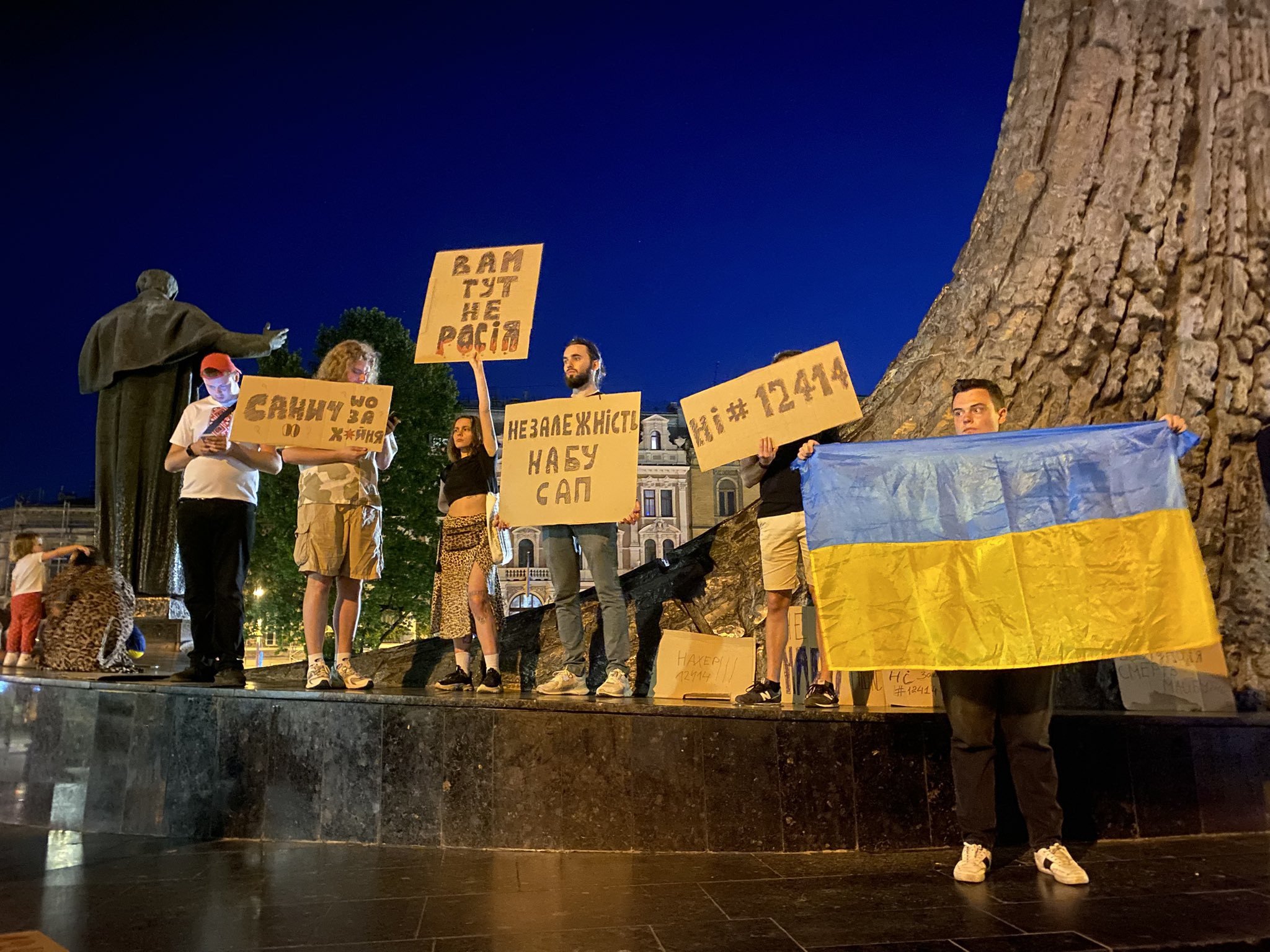
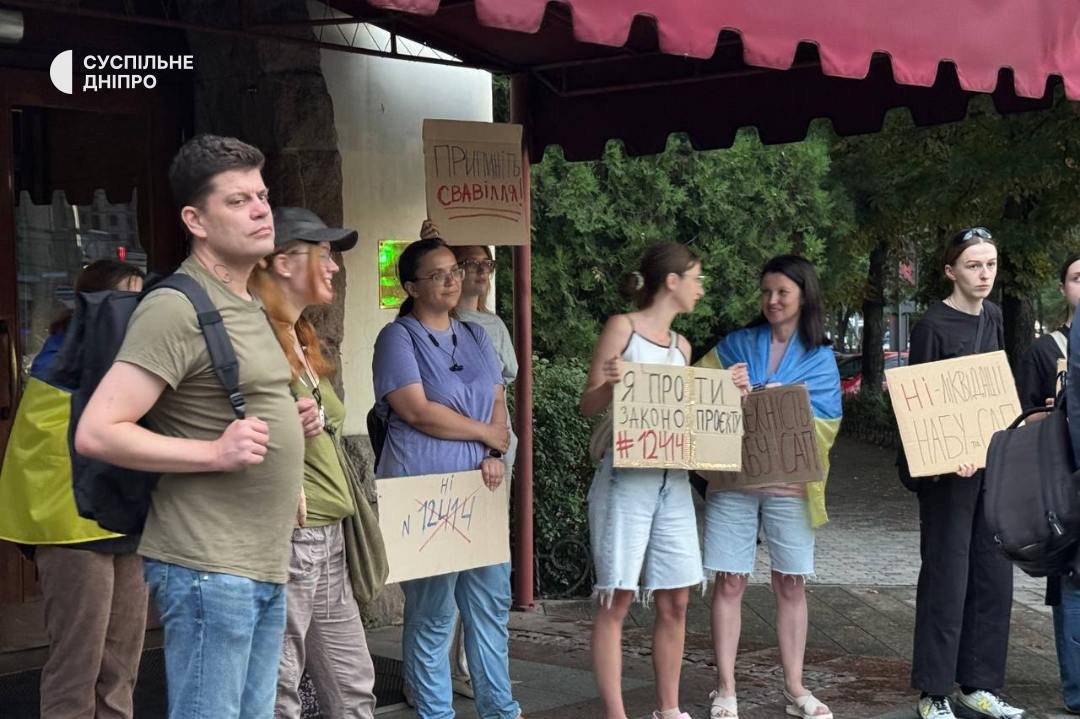
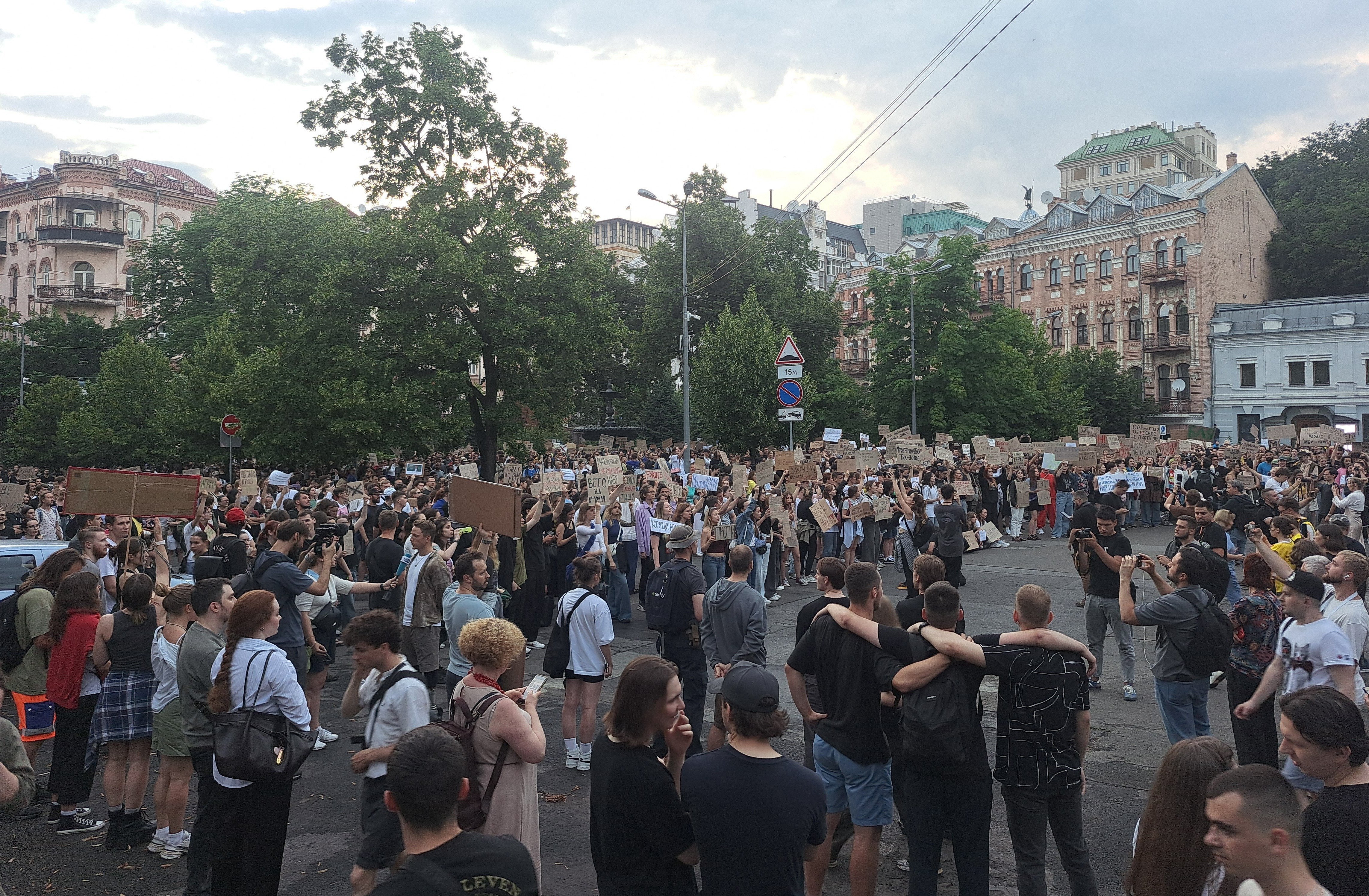
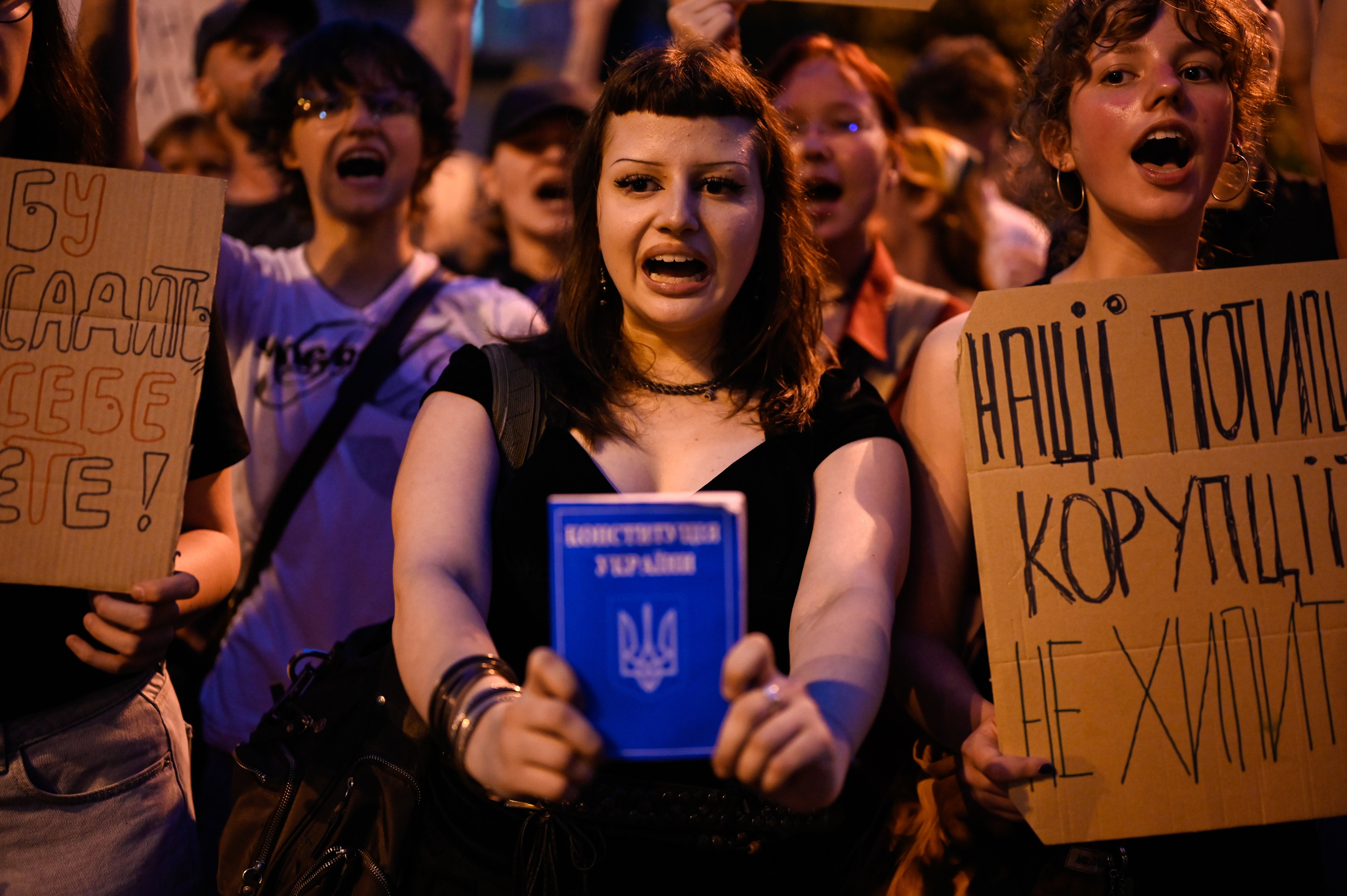
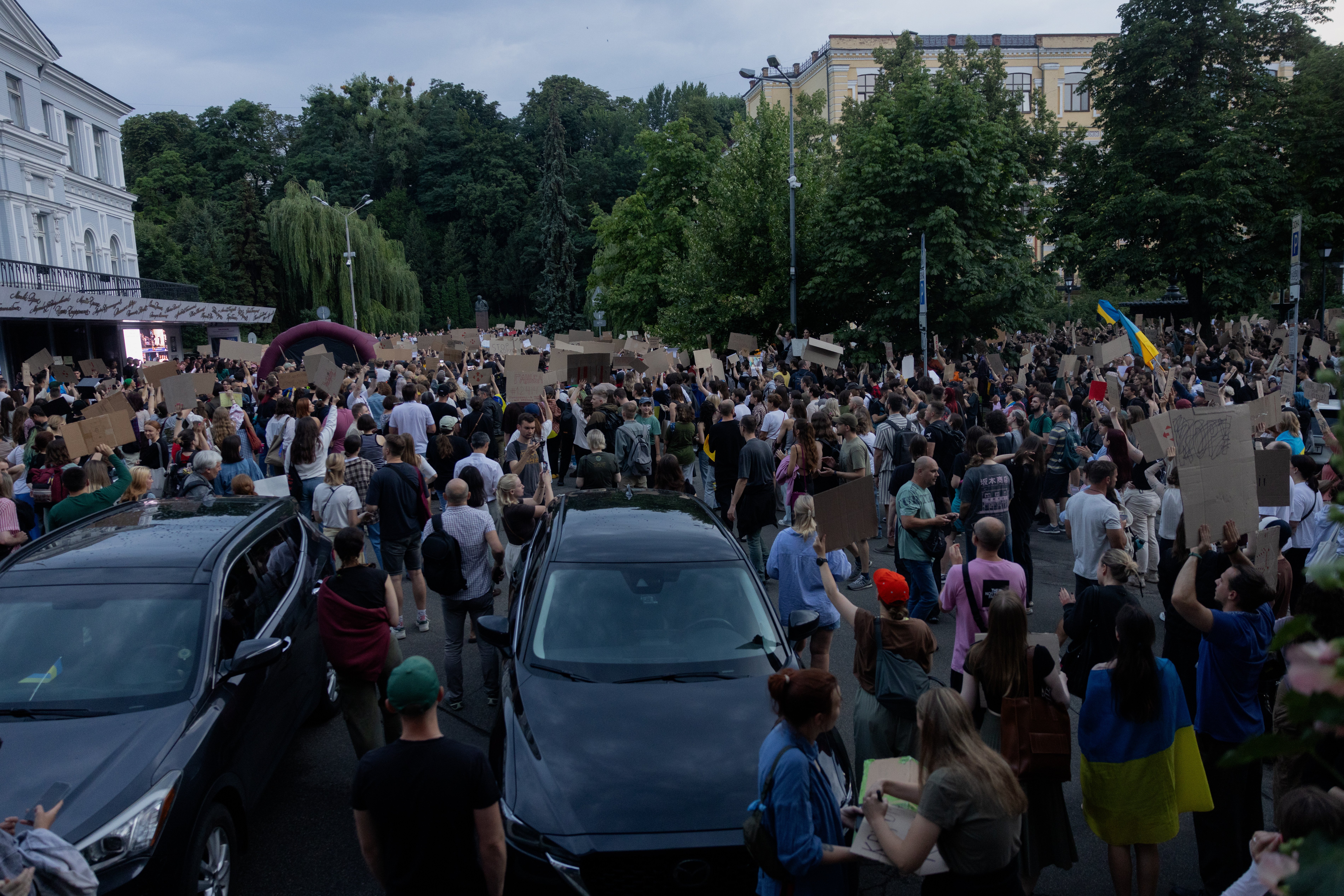
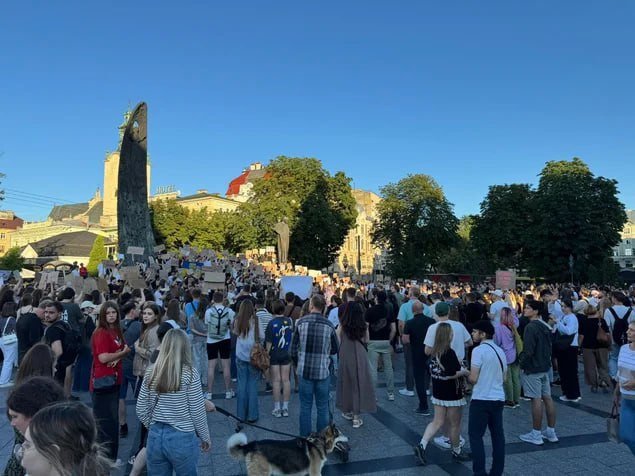
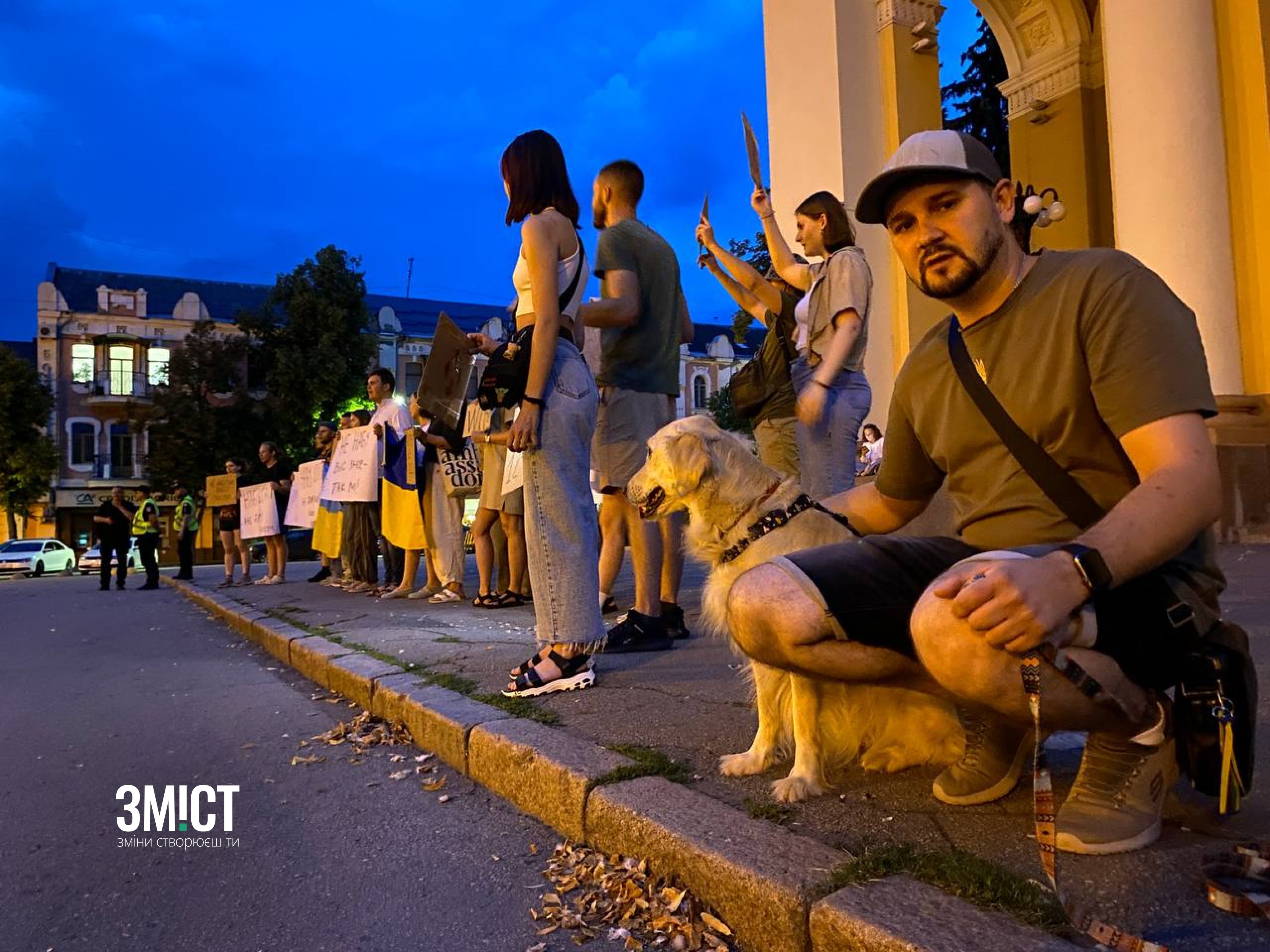
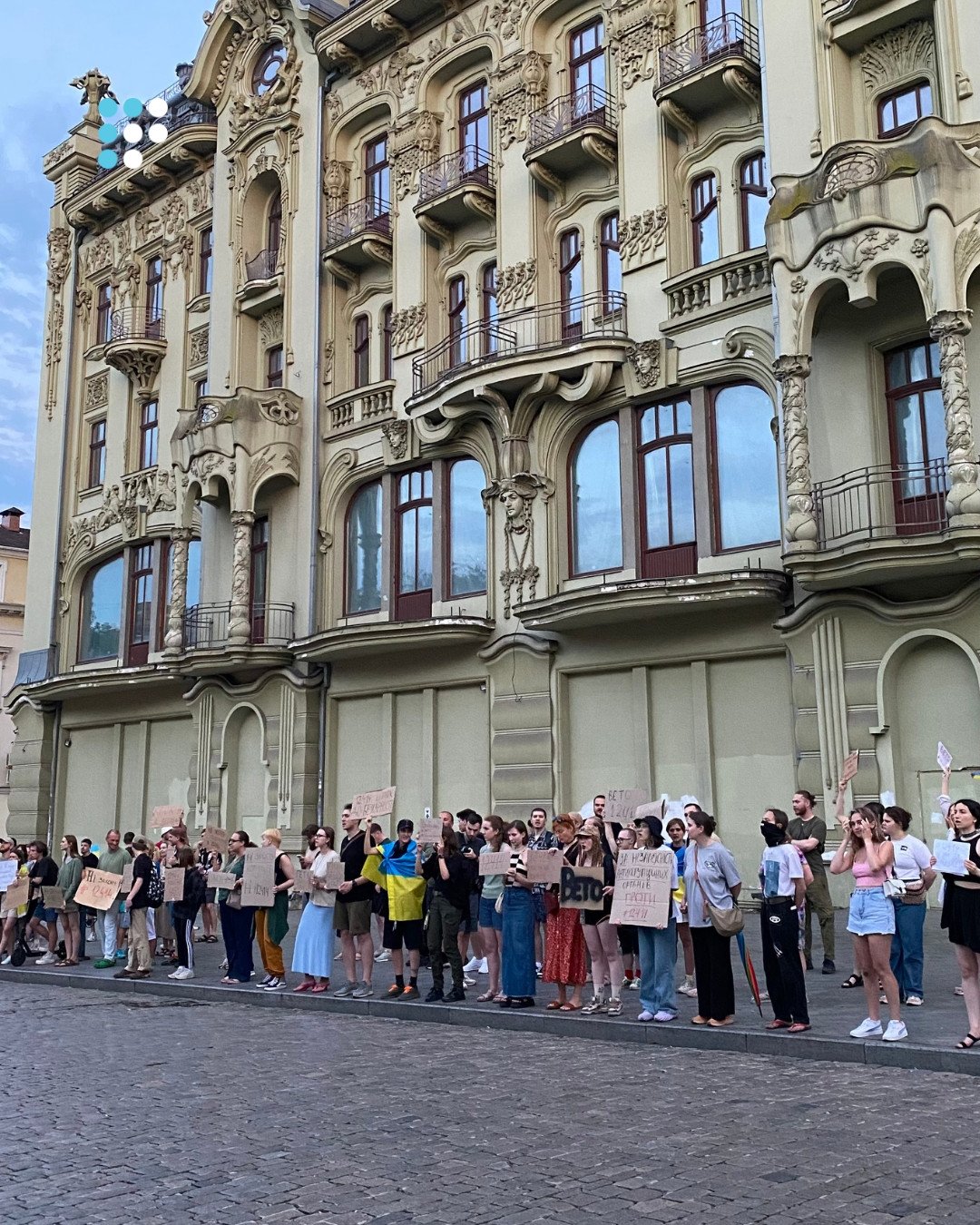
Protests were held in major Ukrainian cities and are set to take place today, on July 23, again. People are demanding a veto on the law that was passed yesterday.
Demonstrations were held in Kyiv, Dnipro, Lviv, Poltava, and Sumy, with more planned in other cities.
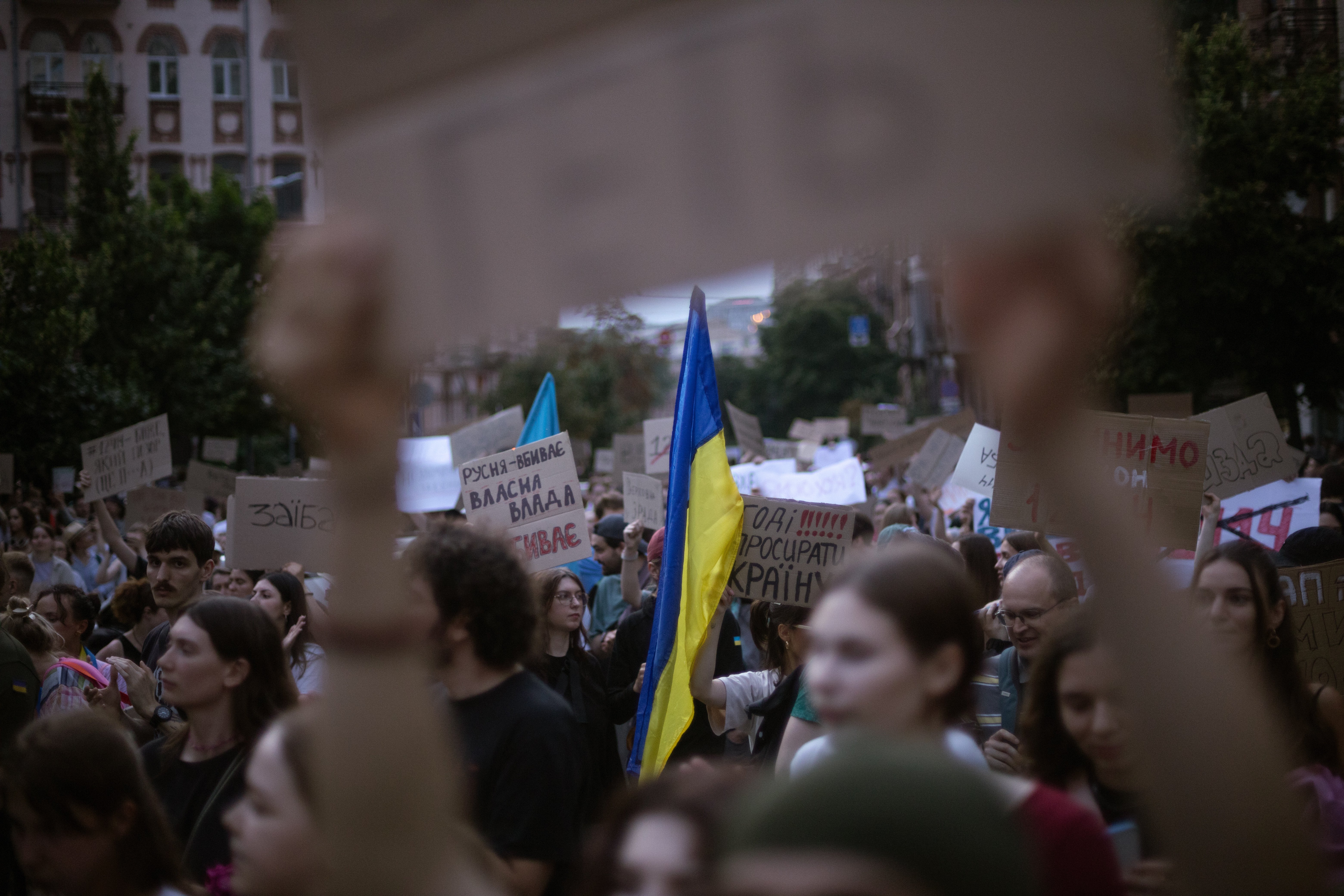
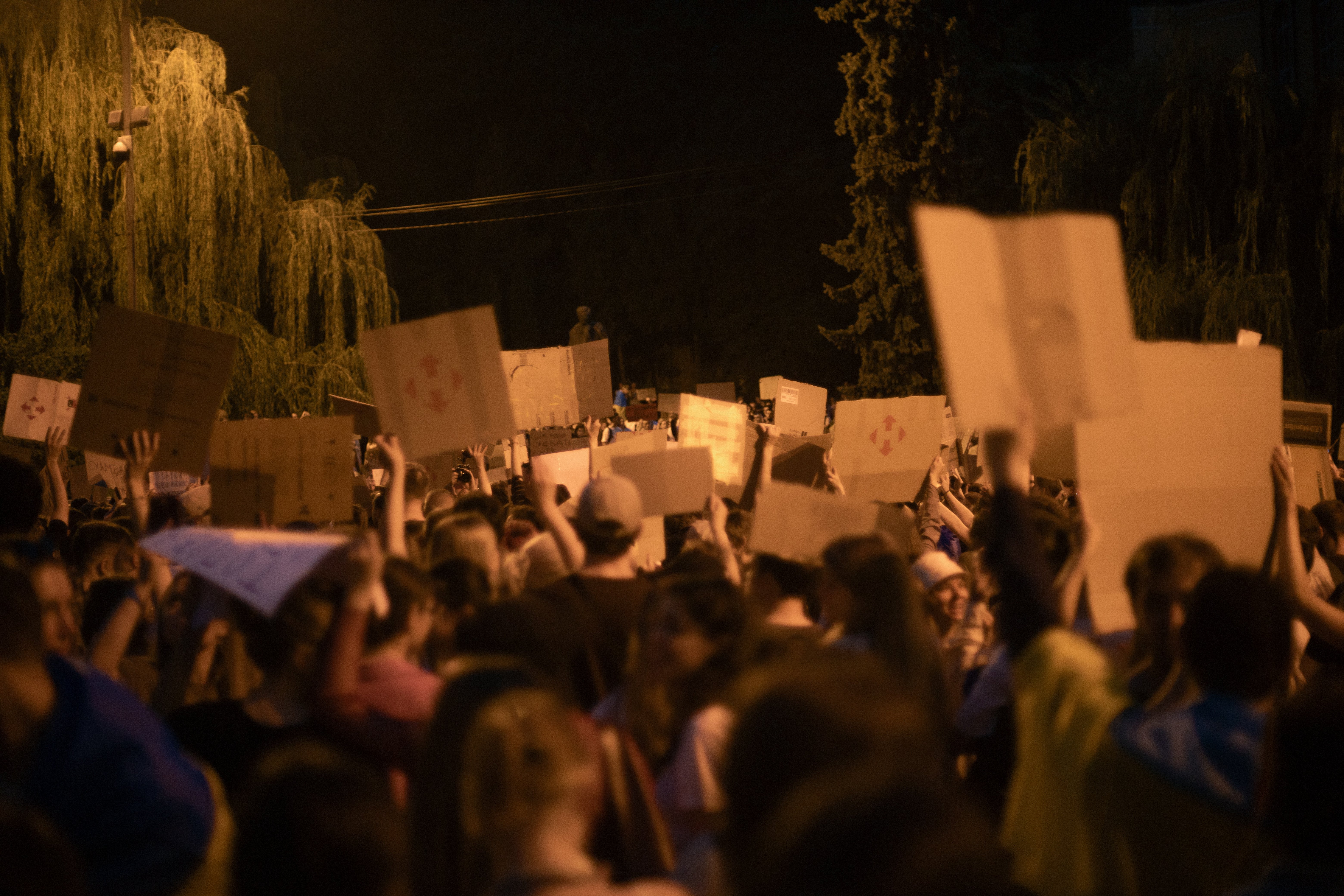
In the capital, protestors gathered near the Franko Theater, chanting slogans such as “Veto the law,” “Return to Europe,” and “Shame!”
A projection reading “Veto the Law” lit up the theater’s facade, as public anger over the law’s implications grew.
Today, on July 23, Ukrainian President gathered all heads of Ukraine’s law enforcement and anti-corruption agencies, along with the Prosecutor General.
“It was a much-needed meeting—a frank and constructive conversation that truly helps. We all share a common enemy: the Russian occupiers. And defending the Ukrainian state requires a strong enough law enforcement and anti-corruption system—one that ensures a real sense of justice,” he wrote.
He added that they agreed that everyone would work solely in a constructive manner.
“We all hear what society is saying. We see what people expect from state institutions—ensured justice and the effective functioning of each institution.”
I gathered all heads of Ukraine’s law enforcement and anti-corruption agencies, along with the Prosecutor General. It was a much-needed meeting — a frank and constructive conversation that truly helps. We all share a common enemy: the Russian occupiers. And defending the… pic.twitter.com/GNIA585mGR
— Volodymyr Zelenskyy / Володимир Зеленський (@ZelenskyyUa) July 23, 2025
He announced that next week, there will be an in-depth working meeting on the joint action plan. In two weeks, Zelenskyy stated, a joint plan must be ready—outlining the steps that are needed and will be implemented to strengthen Ukraine, resolve existing issues, deliver greater justice, and truly protect the interests of Ukrainian society.
Guillaume Mercier, a representative of the European Commission, said the EU is “worried by Ukraine’s recent steps” regarding its anti-corruption institutions.
Earlier, the European Union expressed concern over Ukraine’s recent actions regarding its anti-corruption institutions, the National Anti-Corruption Bureau (NABU) and the Specialized Anti-Corruption Prosecutor’s Office (SAPO).
Discuss this article:


-c439b7bd9030ecf9d5a4287dc361ba31.jpg "Photo of Katherina Popilnichenko")