- Category
- Latest news
US B-2 Bombers Strike Iran’s Deepest Bunker During High-Risk Rescue Mission
 Prefer U24 Media on Google
- Authors


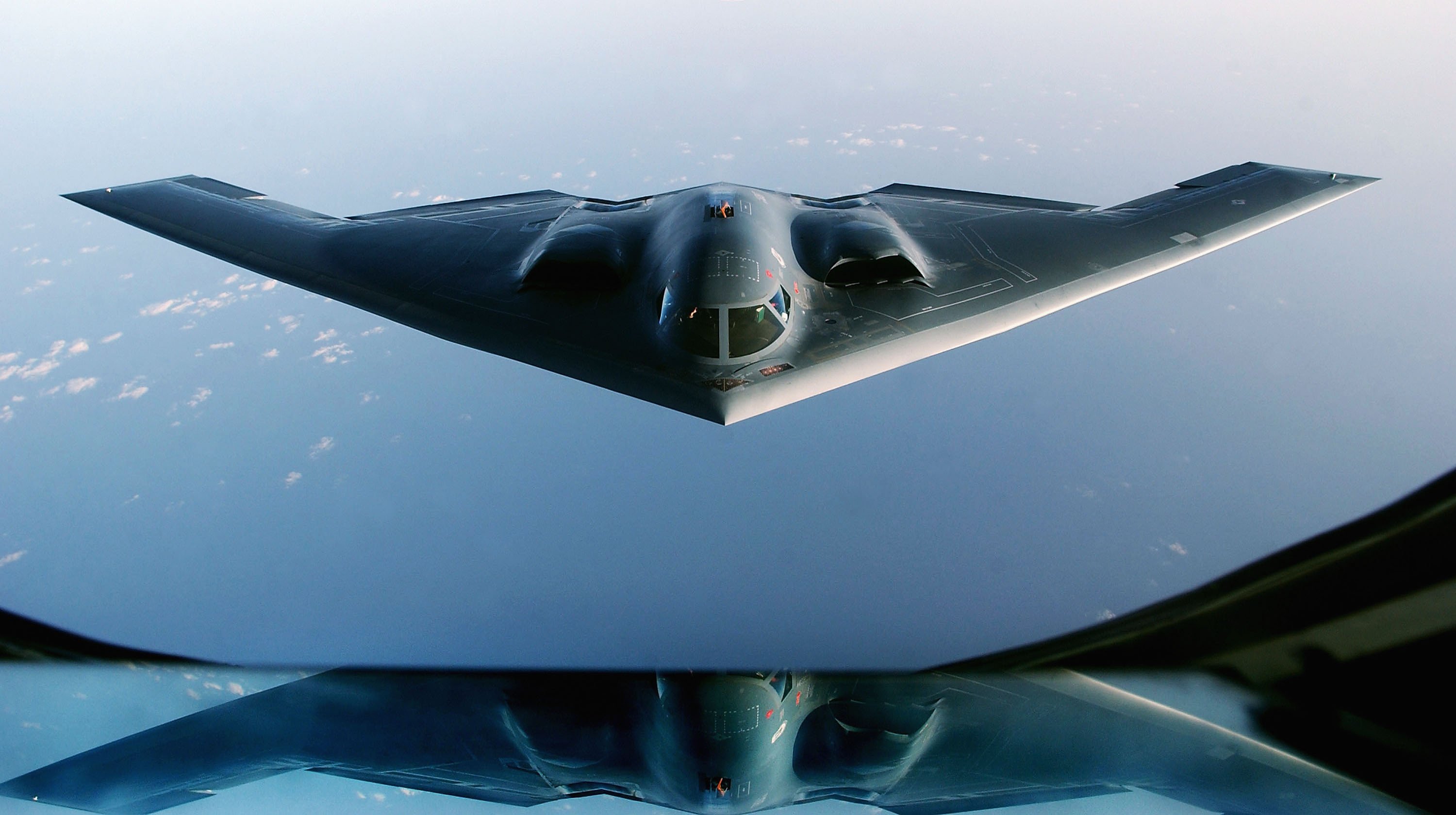
US B-2 Spirit bombers carried out a strike on an underground Islamic Revolutionary Guard Corps (IRGC) facility near Tehran using GBU-57 Massive Ordnance Penetrator bombs during a broader operation that included the rescue of downed American personnel.
We bring you stories from the ground. Your support keeps our team in the field.
According to The Wall Street Journal on April 7, the mission was ordered by US Central Command commander Admiral Brad Cooper after intelligence identified a concentration of senior IRGC personnel inside a hardened underground site.
The report indicates the strike was conducted as part of Operation Epic Fury, which also involved efforts to recover crew members from a downed F-15E aircraft inside Iran.
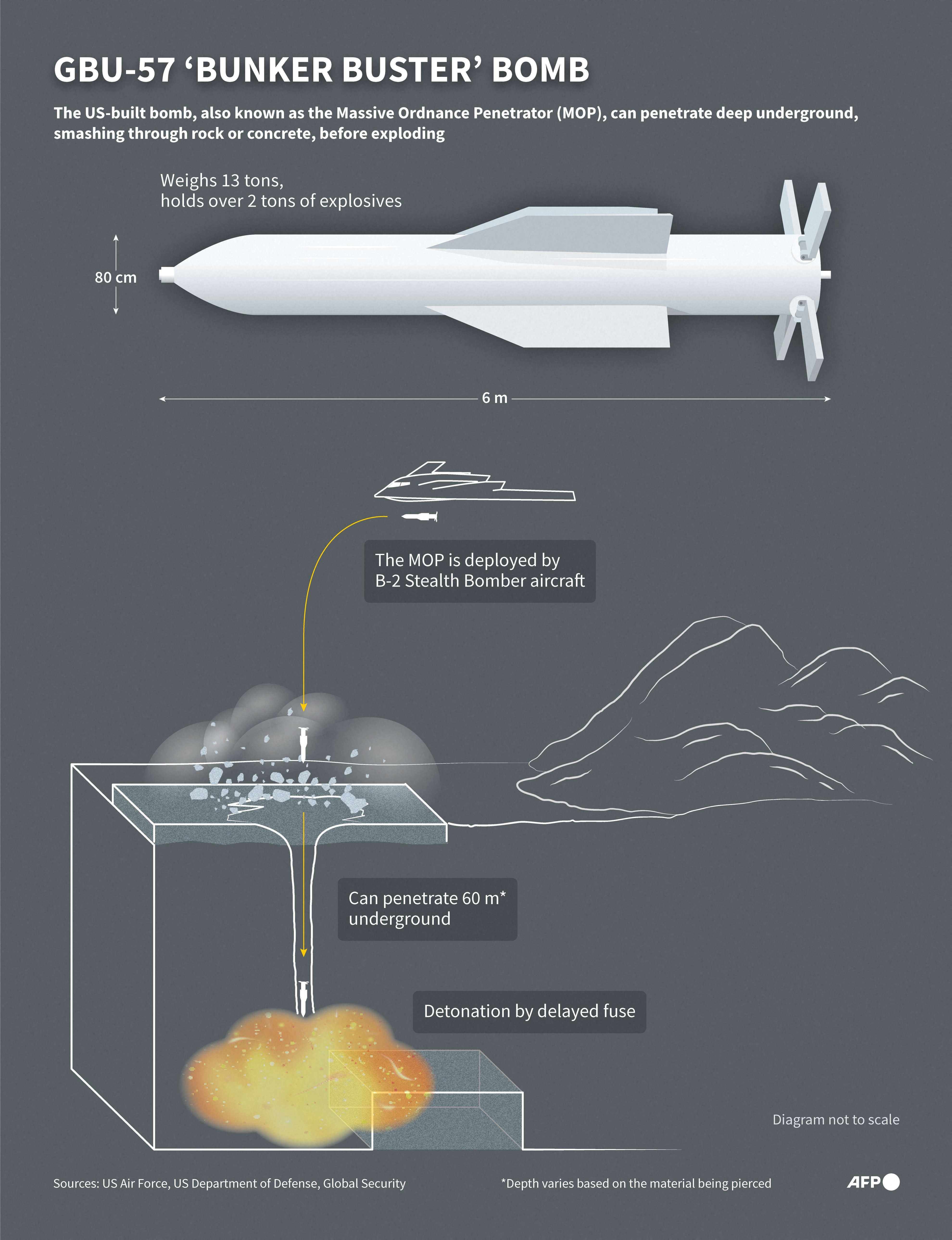
The Wall Street Journal reports that B-2 bombers launched from Whiteman Air Force Base in the United States and completed a round-trip mission lasting approximately 36 hours. The aircraft delivered GBU-57 Massive Ordnance Penetrators, a 30,000-pound class precision-guided munition designed to destroy deeply buried and fortified targets.
The strike occurred within a narrow operational window between two rescue phases. In parallel, US forces used additional airpower to secure the recovery zone. The report notes that US bombers dropped around one hundred 2,000-pound bombs to prevent Iranian forces from approaching the area during the extraction effort.
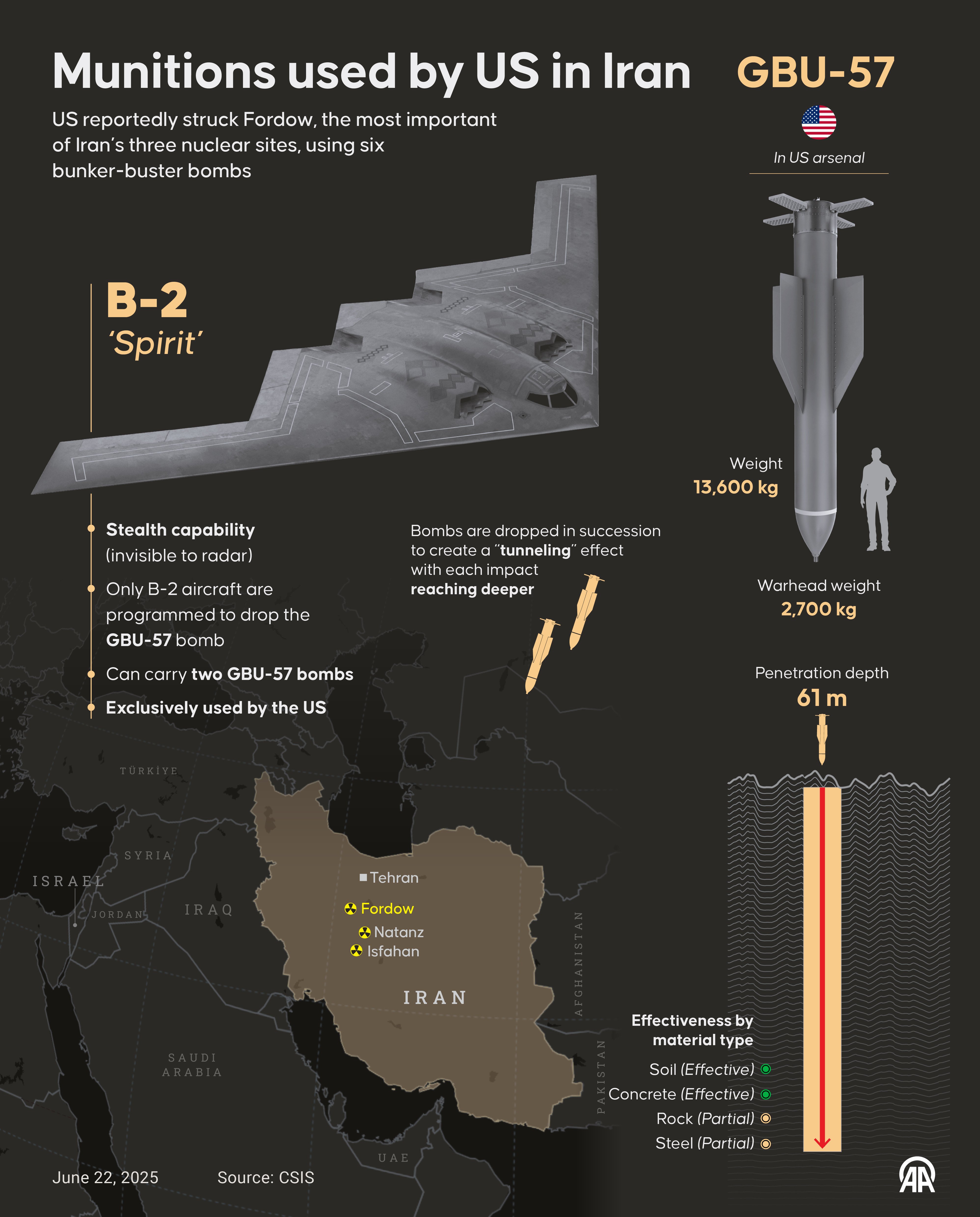
Separate reporting cited by The Wall Street Journal indicates that the targeted IRGC facility may have been located in the mountainous Jamaran district in northern Tehran, although this assessment has not been officially confirmed by US authorities. As of the reporting, the Pentagon and US Central Command had not issued formal statements on the strike.
The GBU-57 Massive Ordnance Penetrator, referenced by The Wall Street Journal, is the largest conventional bunker-busting weapon in the US arsenal. It is specifically designed to penetrate reinforced concrete and underground structures before detonation.
The B-2 bomber remains the only operational aircraft capable of delivering this weapon due to its payload capacity and stealth characteristics.
According to The Wall Street Journal, the reported strike builds on previous US operations targeting hardened Iranian infrastructure. In June 2025, B-2 bombers used the same type of munition during Operation Midnight Hammer against Iranian nuclear-related facilities, marking its first known combat use.
Earlier, images of a stealth flying-wing aircraft at Greece’s Larisa Air Base were initially identified as a B-2 bomber, but analysts later suggested it was likely the classified US RQ-180 reconnaissance drone.
Discuss this article:
-9a7b3a98ed5c506e0b77a6663f5727c5.png)

-c439b7bd9030ecf9d5a4287dc361ba31.jpg "Photo of Katherina Popilnichenko")