- Category
- Latest news
US Falls Behind in Air Superiority as Fighter Jets Retire Faster Than They’re Built
 Prefer U24 Media on Google
- Authors




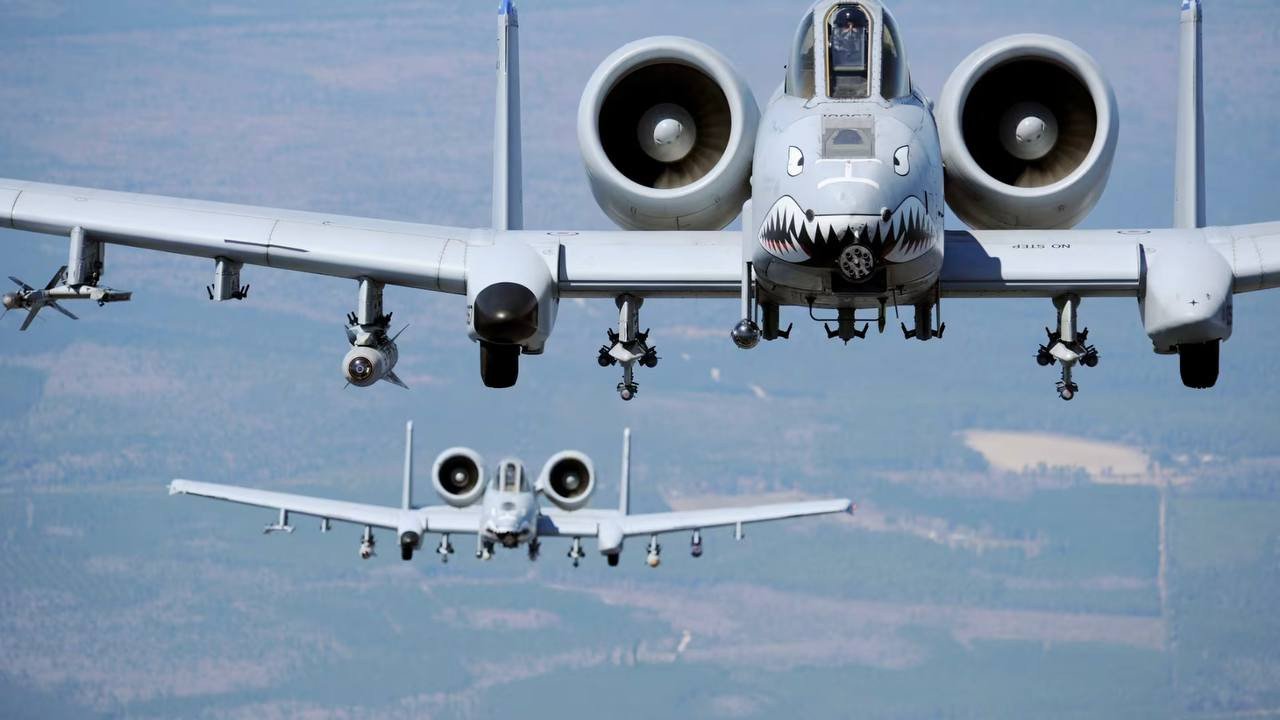
The United States Air Force is retiring combat aircraft nearly five times faster than it is building new ones, raising concerns among defense analysts about the country’s long-held aerial dominance.
According to Defense Express, citing a recent analysis published by Defense News, the United States is on track to decommission approximately 340 aircraft in the 2026 fiscal year while producing only 76 new ones.
In 2025, the figures stood at 250 retirements versus 91 new aircraft—meaning the Air Force is shrinking at a rate unseen since the end of the Cold War.
Douglas Birkey, Executive Director of the Mitchell Institute for Aerospace Studies, warned in Defense News that “America’s air forces are at the edge of their capacity,” losing combat mass that once served as a cornerstone of US military power.
The issue gained attention after the US National Guard disbanded the 103rd Fighter Squadron last month, leaving Maryland without a flying unit for the first time.
While symbolic, the decision reflects deeper structural issues, including limited funding for modern replacements and a growing fleet of aging aircraft—many built during President Ronald Reagan’s military expansion in the 1980s.
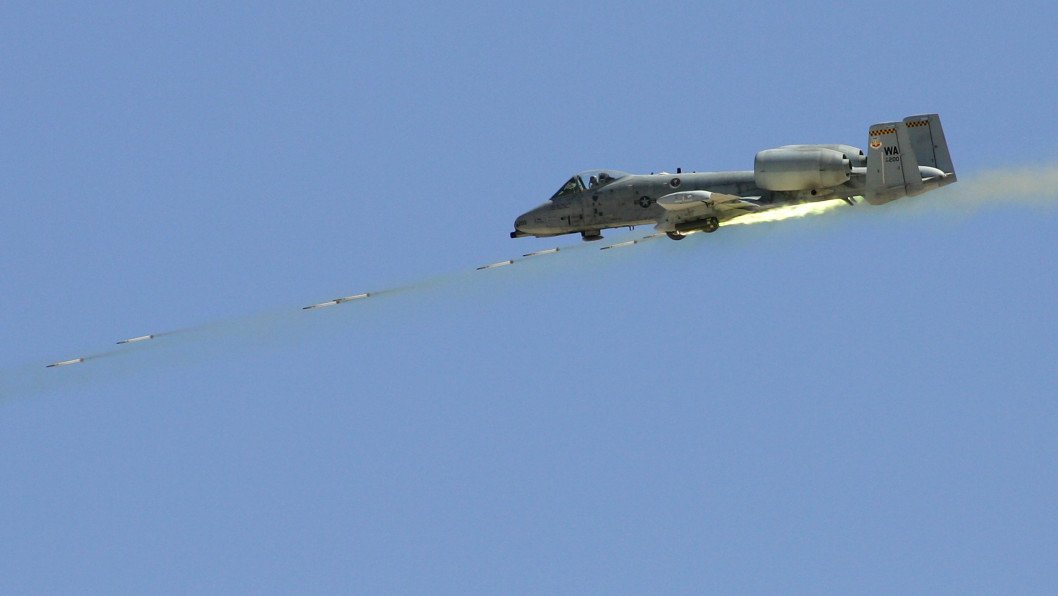
Currently, the US Air Force operates around 2,200 fighter jets, roughly half the number it had at the end of the Cold War. The trend is concerning given simultaneous challenges posed by China, Russia, Iran, and North Korea—all investing heavily in advanced air capabilities.
Analysts also point to China’s rapid progress. According to data cited by Defense Express and the Center for Strategic and International Studies (CSIS), China’s air fleet has reached a similar size—around 2,200 fighters—with nearly half belonging to the 4+ generation.
Older aircraft, such as MiG-19 and MiG-21 variants, now account for less than 15% of its inventory. Moreover, the number of Chinese fifth-generation fighters continues to grow rapidly.
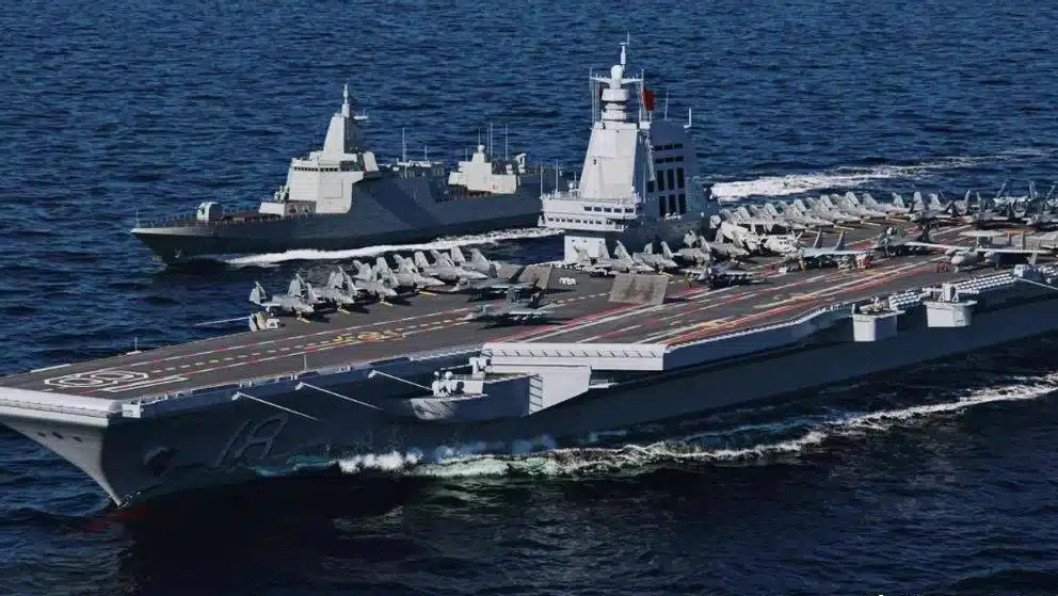
The shift suggests that the technological gap the US has long relied on is narrowing. While the US still maintains a qualitative advantage through aircraft like the F-35 and F-22, experts warn that numerical and industrial trends may erode that edge in the coming decade.
Birkey concluded that America’s rivals “know the US Air Force is stretched thin,” and that this reality is “factored into their decision-making as they challenge US interests worldwide.”
Earlier, Russia renewed public claims about developing the MiG‑41 interceptor to rival next-generation Western jets like the US F‑47. However, experts note that the project remains conceptual, with no prototype built and key technologies—such as the AL‑51F1 engines—still in testing. Analysts suggest the MiG‑41 is more of a media narrative than a viable defense program.
Discuss this article:



-c439b7bd9030ecf9d5a4287dc361ba31.jpg "Photo of Katherina Popilnichenko")

-111f0e5095e02c02446ffed57bfb0ab1.jpeg "Photo of Roman Kohanets")


-72b63a4e0c8c475ad81fe3eed3f63729.jpeg "Photo of Cyril Barabaltchouk")