- Category
- Latest news
US A-10 Shows Two “Shahed” Kills After CENTCOM Tour—Could Its Rockets Help Ukraine Beat Drone Swarms?
New photos of an A-10C Thunderbolt II returning to Portsmouth from a CENTCOM deployment show two Shahed-type drone silhouettes on its nose, alongside “Ares” nose art. While the US Air Force has not confirmed the engagements, the markings suggest the Warthog has been actively used to shoot down low-cost drones in the theater.
 Prefer U24 Media on Google
- Authors


Aviation photographers captured images of an A-10C (callsign TABOR61) returning from Lajes with fresh markings, as two Shahed-type silhouettes and the figure of Ares adorned the jet’s nose, signaling past air-to-air counter-UAS missions, defense media outlet Army Recognition reported on October 13.
The aircraft had spent roughly six months in the CENTCOM area of responsibility as part of Operation Inherent Resolve, where one-way attack drones have become a persistent threat.
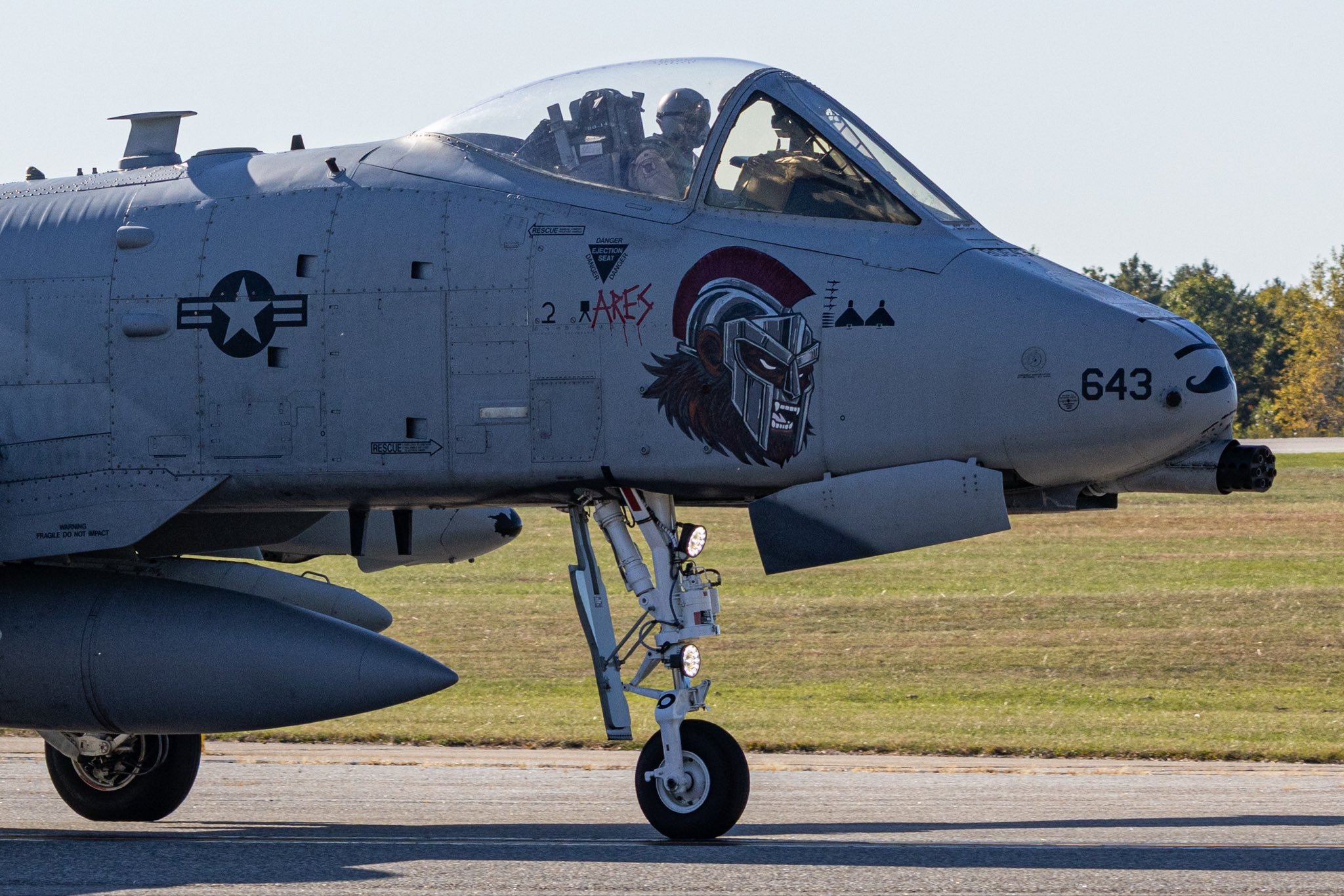
Although there has been no official Air Force statement, these visual indicators reveal a quiet adaptation of the Warthog’s mission set, aligning endurance, sensor stability, and magazine depth with the growing need to defeat inexpensive drones.
Why the A-10 works against drones
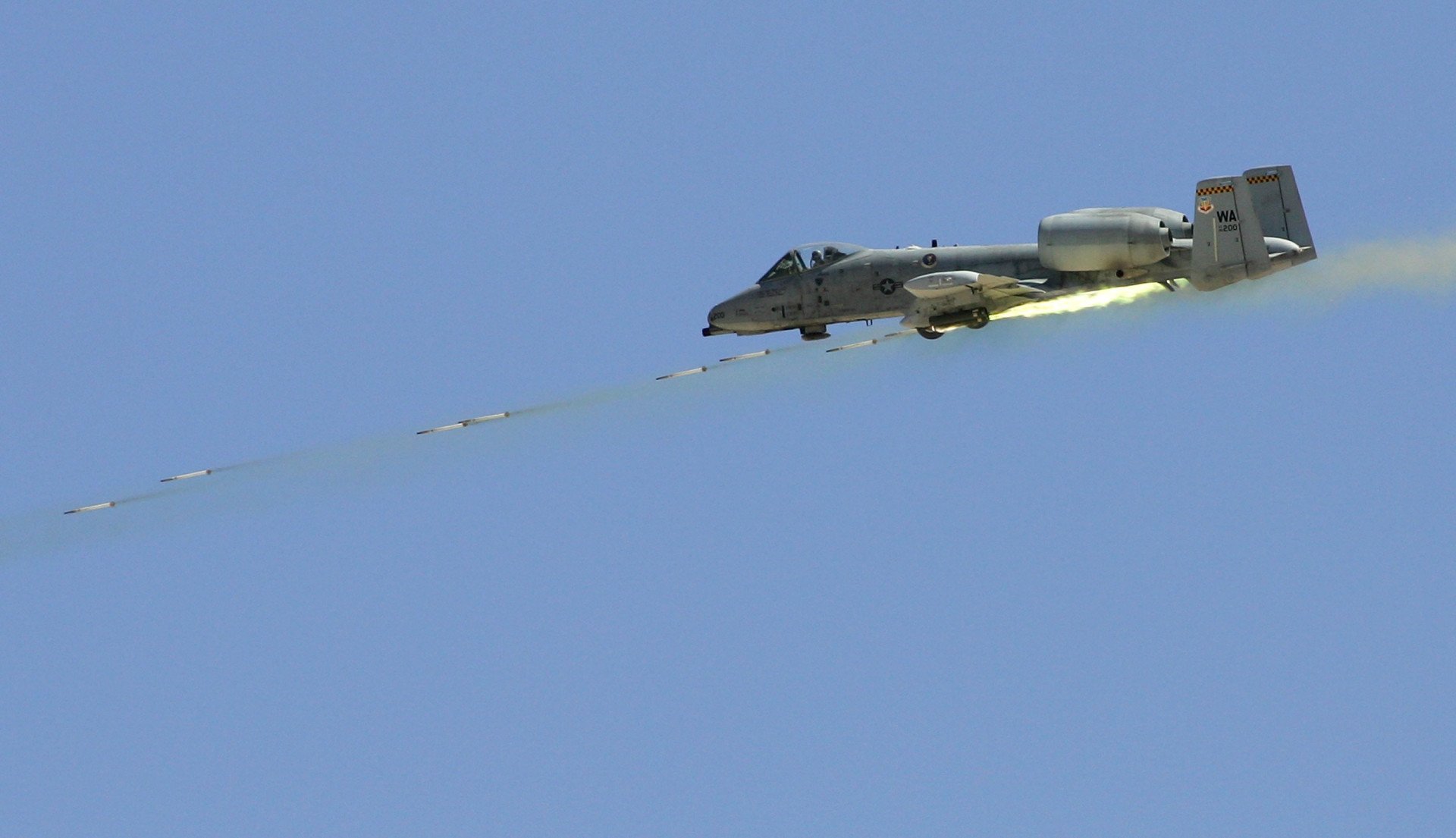
The A-10’s long loiter times, targeting pods, and weapons capacity make it particularly suited for counter-UAS roles. Equipped with laser-guided APKWS II 70mm rockets, the jet can engage slow, fragile drones repeatedly on a single sortie.
TABOR61 (mixed the callsigns on the first flight 😅) arriving at PSM after a trip from Lajes! pic.twitter.com/pJwwJAgtJL
— Alex (@mhtplanes) October 10, 2025
Proximity-fuzed rockets allow operators to strike targets without relying on high-cost missiles, preserving more expensive interceptors for higher-value threats.
“The Warthog’s combination of persistence and affordable precision is perfect for this kind of low-cost threat,” said an aviation analyst familiar with CENTCOM operations.
“It can clear swarms and mop up leakers without risking $100,000 missiles on $1,000 drones.”
The GAU-8/A Avenger 30mm Gatling Gun is why the A-10 Thunderbolt is arguably the best close air support plane in history. pic.twitter.com/0UmBuZJnsV
— Defense News Nigeria (@DefenseNigeria) September 12, 2022
Operational and strategic implications
Historically, the A-10 earned its reputation in Iraq and Syria for convoy protection, close air support, and overwatch—roles that relied on endurance and rapid retasking.
The recent deployment shows how the platform’s flexibility has expanded quietly, now encompassing counter-UAS missions that bridge gaps between ground defenses and high-end fighters.
It’s a 🐦! It’s a ✈! Nope, even better! It’s an A-10 #Thunderbolt II on an attack run @DMAFB. pic.twitter.com/ElRAkHrMsR
— Department of War 🇺🇸 (@DeptofWar) March 20, 2017
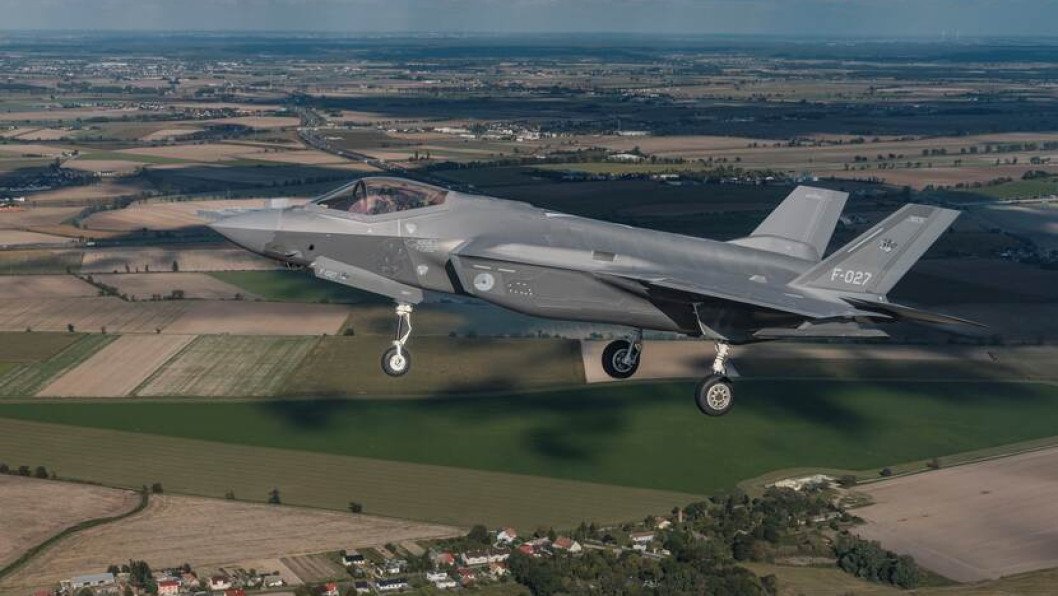
This development also carries a strategic signal. Nose art featuring drone kills has precedent within NATO, including the Dutch F-35 that downed a Russian UAV over Poland earlier this year.
The silhouettes communicate capability, resolve, and routine readiness, reinforcing deterrence through transparency while normalizing counter-UAS doctrine.
Ukrainian angle
While Ukraine is unlikely to receive A-10s, the operational approach offers transferable lessons. Persistence, low-cost precision effects, and multiple engagement opportunities could be adapted for rotary-wing aircraft, light fixed-wing platforms, or even drones equipped with targeting pods.
Ukraine’s ongoing struggle against Russian Shahed-type swarms could benefit from similar principles: extending on-station time, leveraging cost-effective guided munitions, and creating layered counter-UAS defenses that maximize limited resources.
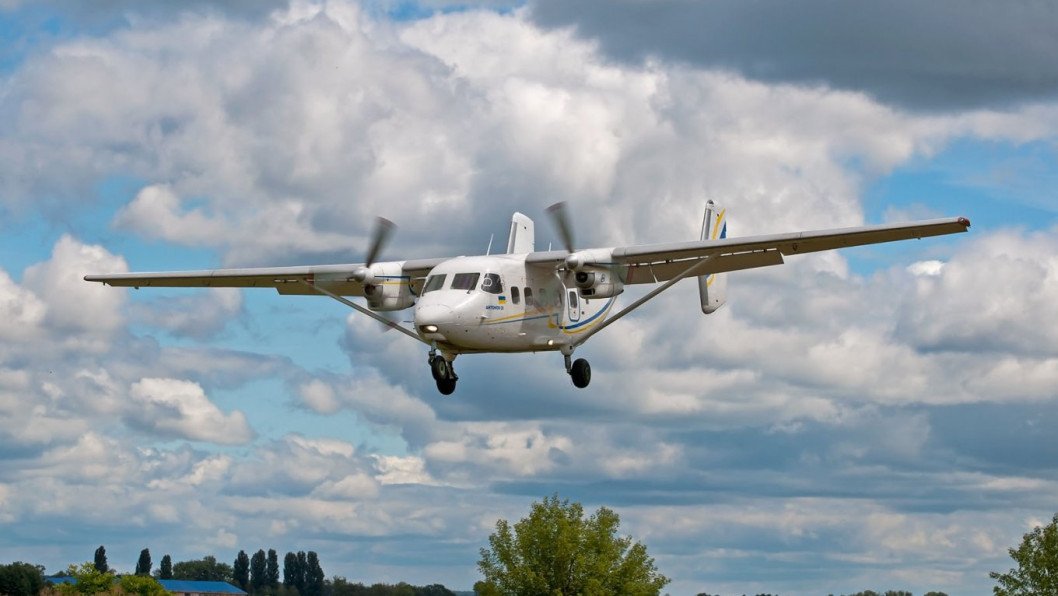
Matching low-cost attackers with affordable, repeatable countermeasures could shift the tactical economics in Kyiv’s favor.
The A-10’s return from CENTCOM with two Shahed silhouettes is more than symbolic—it reflects a broader doctrinal shift in modern air warfare.
By emphasizing endurance, low-cost effects, and flexible engagement geometry, the Warthog demonstrates how air assets can effectively counter drone swarms without overcommitting high-end resources.
U.S. Air Force A-10 Thunderbolt II's signal "thank you" to a KC-135 Stratotanker after receiving fuel during a combat patrol over the U.S. Central Command area of responsibility. pic.twitter.com/ew0zGmG0t0
— U.S. Central Command (@CENTCOM) August 7, 2025
Earlier, the Royal Netherlands Air Force recorded the first confirmed combat kill of its F-35A fighter jet against a Russian drone. The aircraft involved, tail number F-027, belongs to the 313th Squadron.
The aircraft was marked with a “kill mark”—a symbol painted on the fuselage to indicate the successful downing of an enemy target.
Discuss this article:
-9bd5e1532102621f8fb1c4ba871a3171.png)

-72b63a4e0c8c475ad81fe3eed3f63729.jpeg "Photo of Cyril Barabaltchouk")
-e00d178a31a987cd514e15ad3a8c2131.jpeg "Max Klymenko wearing the Etnodim, featuring embroidery inspired by traditional Ukrainian crafts. (Source: Ian Treherne)")