- Category
- War in Ukraine
How One Ukrainian F-16 Ace Pilot Crushed Six Russian Missiles With Just Four of His Own
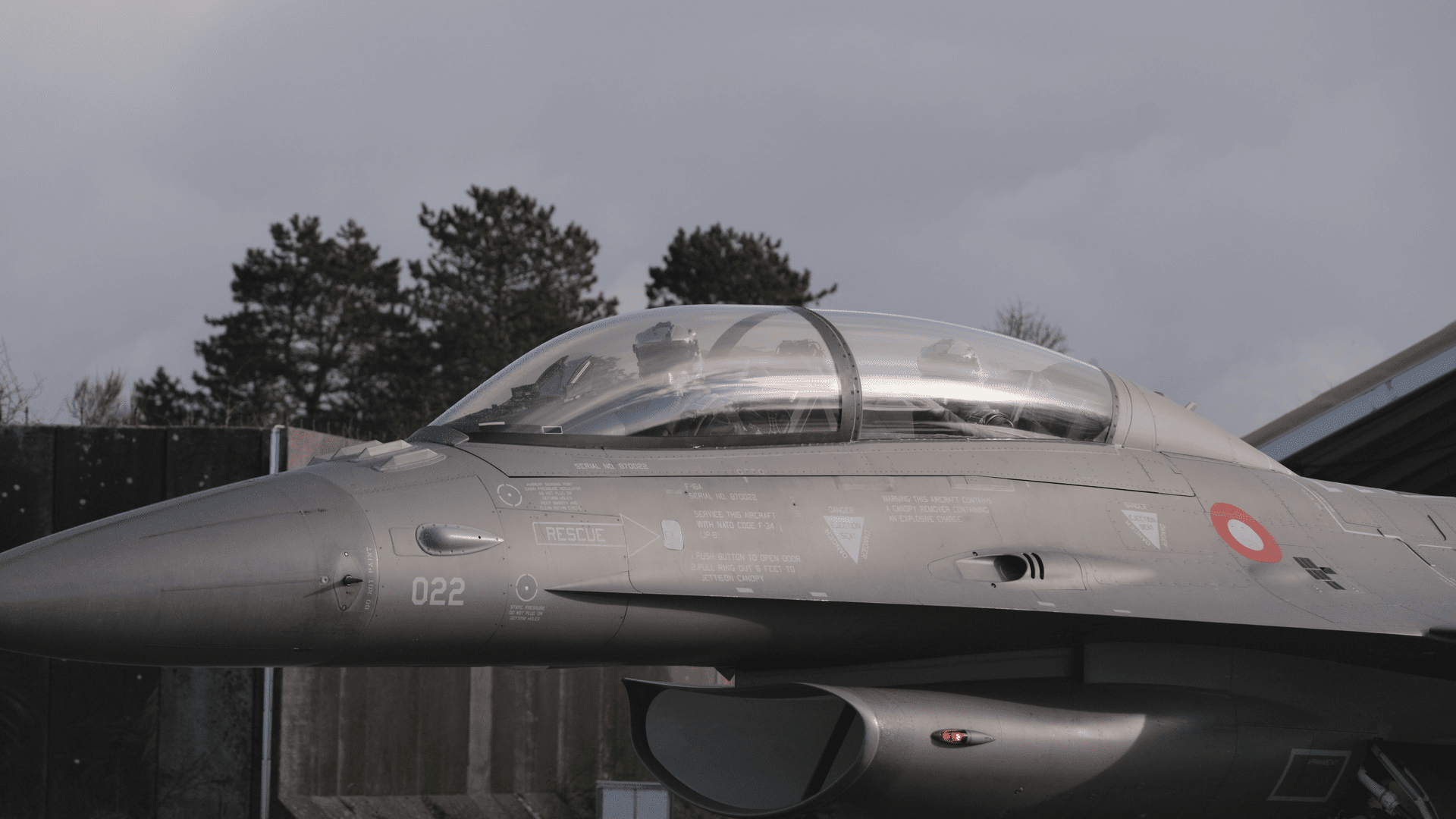
When an F-16 pilot took off in December 2024 to protect Ukraine during a massive Russian attack, his only thought was defending his homeland—not setting records. But that’s exactly what happened after he shot down six Russian cruise missiles in a single mission—something never before achieved over Ukrainian skies.
 Prefer U24 Media on Google
- Authors

-73e9c0fd8873a094288a7552f3ac2ab4.jpg "Photo of Olena Blizniakova")
In an exclusive interview, the Ukrainian F-16 pilot recalled that historic day—and revealed who he dedicated the mission to.
The first to take off
It was the early morning of December 13. Another Russian attack was underway against Ukraine—nearly 200 strike drones and 94 cruise missiles, as well as ballistic missiles. An F-16 pilot was on duty. That’s where our story begins.
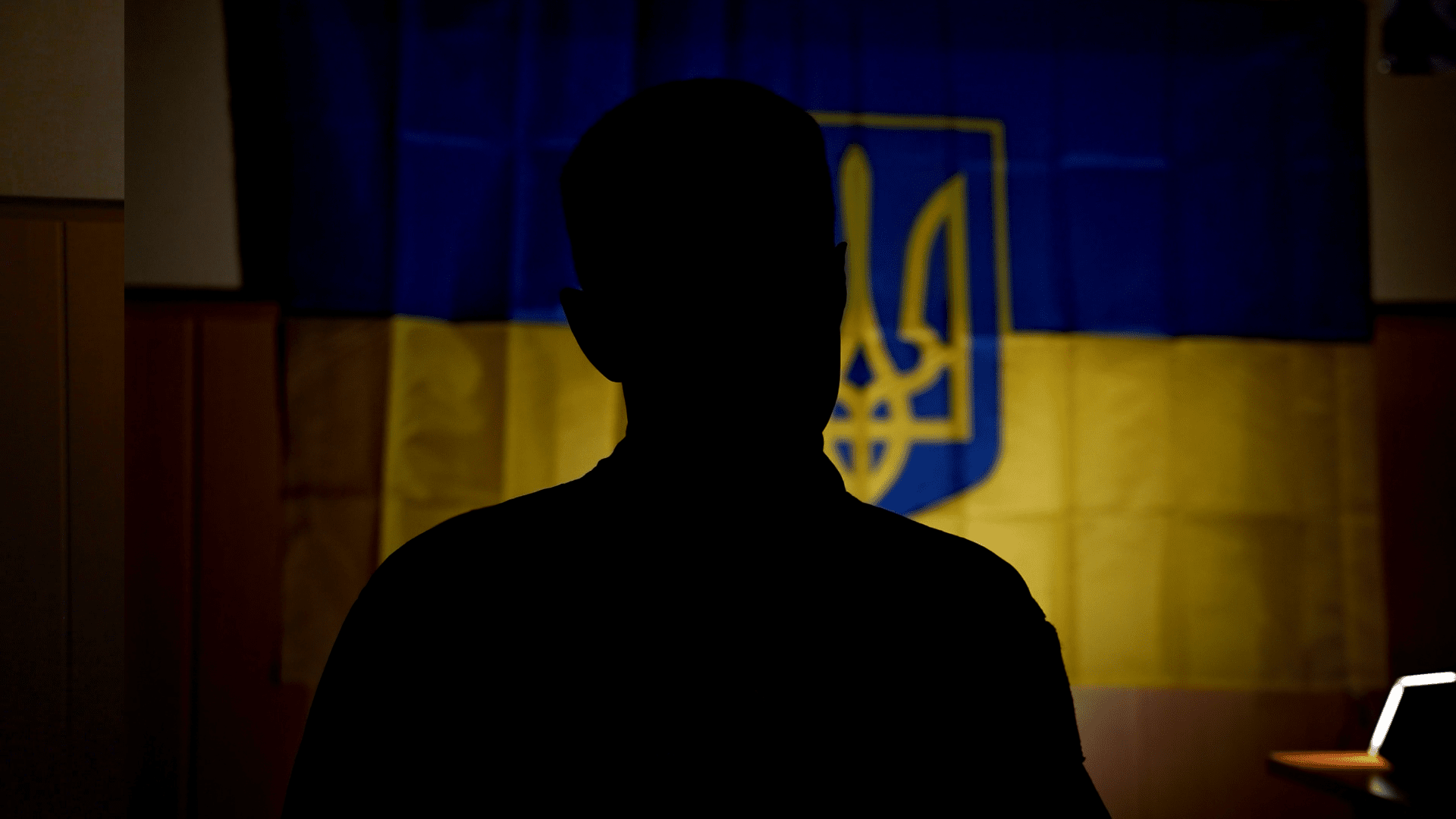
In almost a year—a 30-year-old A., who asked not to disclose either his name or his callsign—recalled the day that now has its own place in Ukraine’s Air Force’s history.
“We were scrambled to intercept cruise missiles,” the pilot says, recalling how the mission began. “I was the first guy who took off. Two more guys were on the ground starting the jet. The time was short for us to react as cruise missiles have a speed of around 400 knots [740 km/h—ed].”
Guided by GCI control, he immediately proceeded to the so-called “kill box”—an area designated for intercepting aerial threats. Equipped with four air-to-air missiles on his F-16 jet, he was led to the first set of targets.
“It wasn't one, two, or even three [missiles—ed.]—it was more,” A. says. “I just turned on my radar, my weapons, and was ready to shoot down all the enemy's assets in our airspace.”
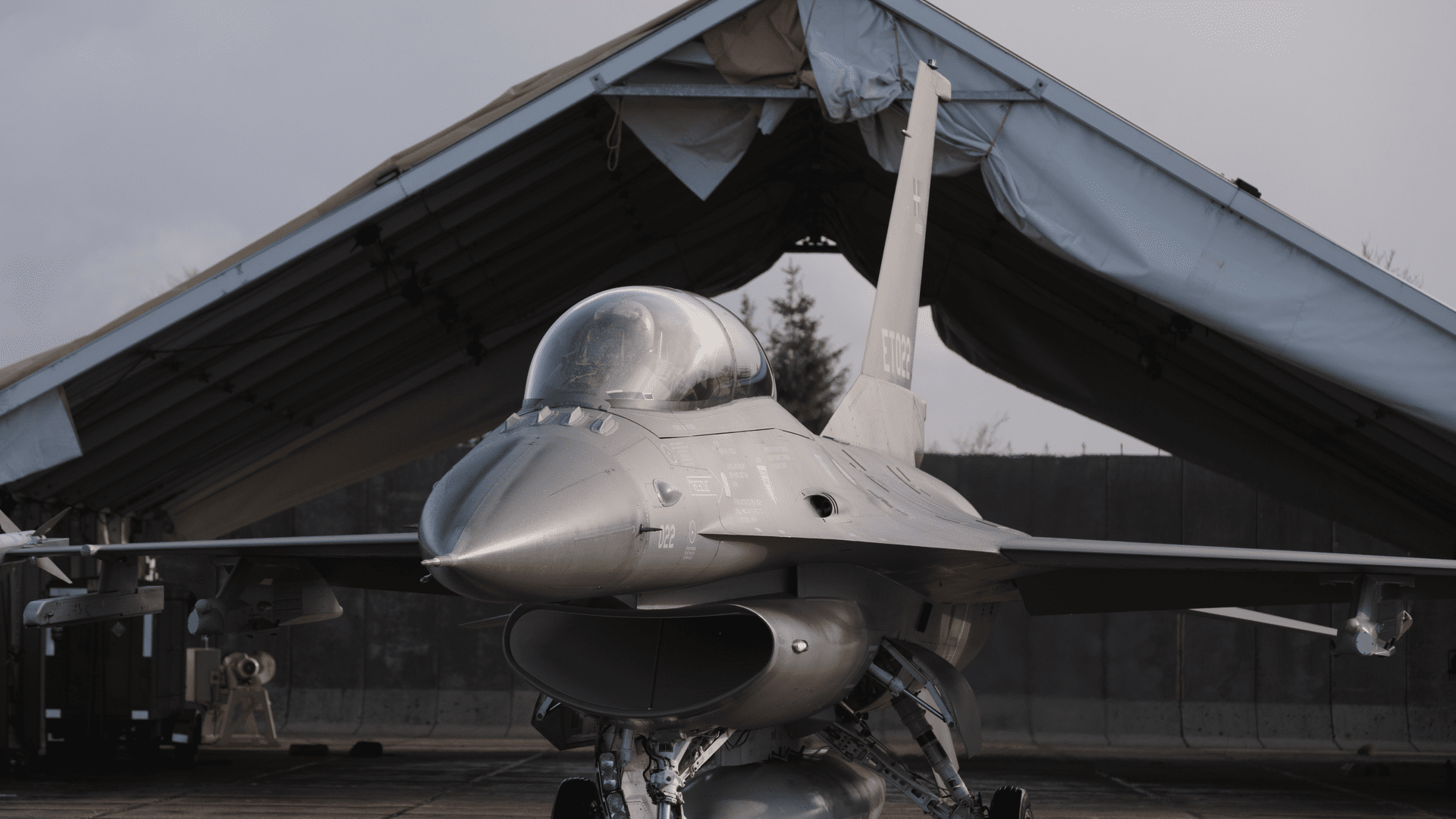
The pilot recalls it wasn’t easy to intercept a missile head-on. Ground control vectored him back, and he moved into trail to start the intercept from behind. Being faster than the targets, A. was able to close in on them. “I locked onto the incoming missiles and engaged with my air-to-air ones. I did my best—fired four, and shot down four.”
I saw all the splashes. I watched that, like, in a movie.
A.
F-16 pilot
The pilot told ground control he was out of missiles and was sent back to his patrol area. With fuel still in his tanks and the Russian missile wave past, he chose to remain on station, burn off fuel, and then return to base. Almost immediately, however, he received new information from the ground: two more Russian missiles were coming from the south, heading toward Ukraine’s capital, Kyiv.
Something no one in Ukraine did before
“I realized that I was out of missiles, but my jet wasn’t completely unarmed,” says the pilot, recalling his first reaction after hearing about the two incoming missiles. “I had a M61 Vulcan gun—20 millimeters—and I had around 510 rounds. Nobody had shot down cruise missiles or any aerial targets in our airspace with an F-16 gun before.”
While training in the United States, Ukrainian pilots were taught this, he says—theoretically in lectures and practically on simulators. After returning to Ukraine, he and his fellow pilots discussed it as a method to counter Russian aerial threats. Some had even attempted it, but without success. “I decided that I should try it,” A. says. “With only me in the airspace, there was a chance.”
I said to my GCI that I was ready to intercept those two cruise missiles.
A.
F-16 pilot
GCI guided the F-16 pilot toward these missiles, and as with the previous threats, it was difficult to lock them head-on. The pilot had to turn and lock onto them from the tail. “I said, ‘Okay, buddy, you can't shoot from a distance, because you don't have your air-to-air missiles on your radar, so you need to get closer.’ So, that's what I did.”
The challenge in eliminating cruise missiles is their small surface area. To shoot them down effectively, he had to close to within 500 meters (1500 feet).
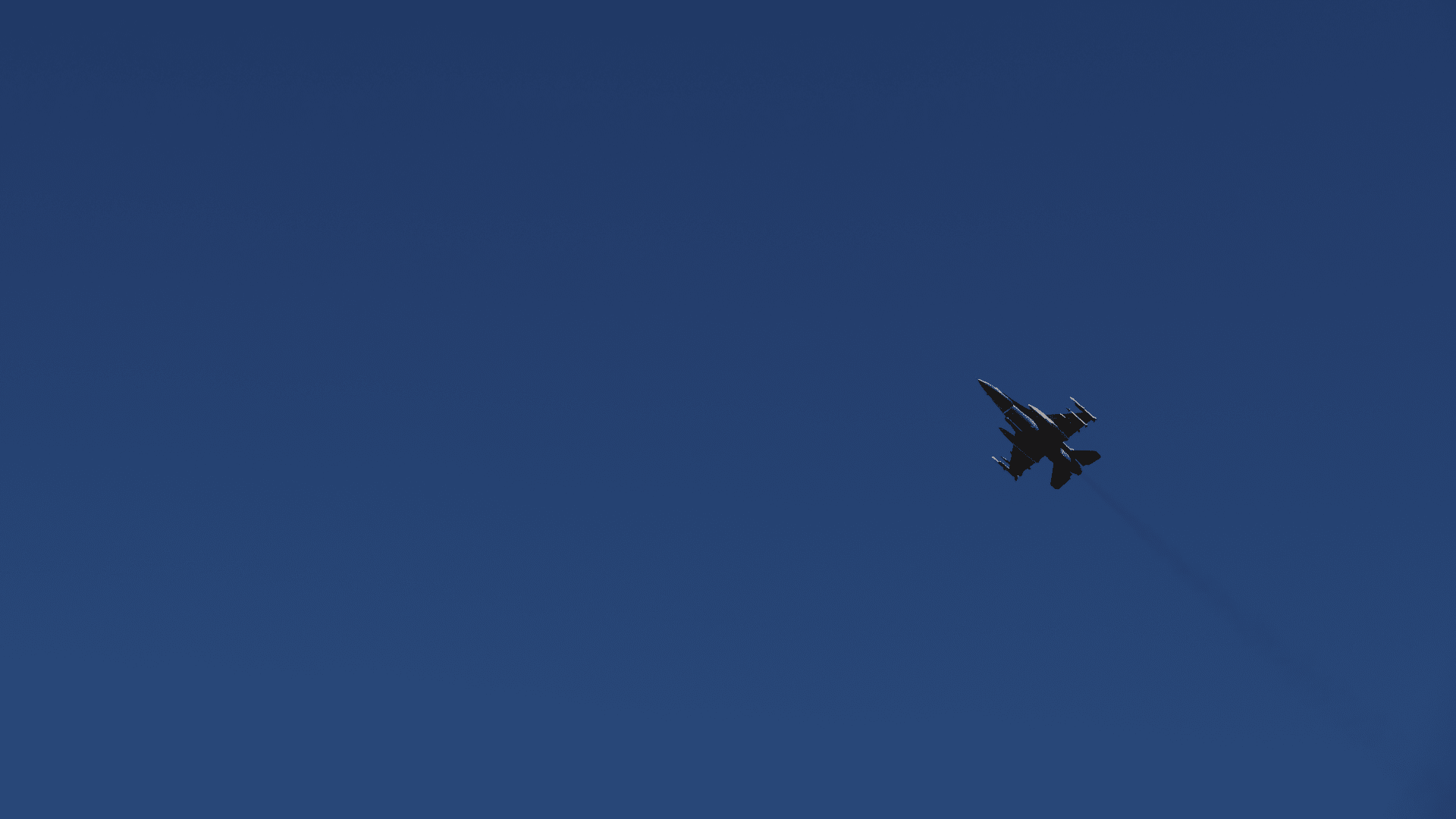
“I got a deep breath in my lungs, turned toward the missile, and squeezed the trigger. A second lasted a lifetime for me. I instantly saw a big splash and realized—I just hit this cruise missile with my 20 millimeter round.”
A. stresses that he felt there was no alternative but to intercept these targets. “I’m doing this for my nation, for all people, for all comrades who fell in a fight—especially for my fellow pilot who fell down during a cruise missile interception, like this one.”
The comrade he referred to was Ukrainian pilot Oleksii Mes, call sign “Moonfish”, who was killed on August 26, 2024, while repelling a massive Russian air strike. During that battle, Oleksii had managed to eliminate three Russian cruise missiles and one attack UAV.
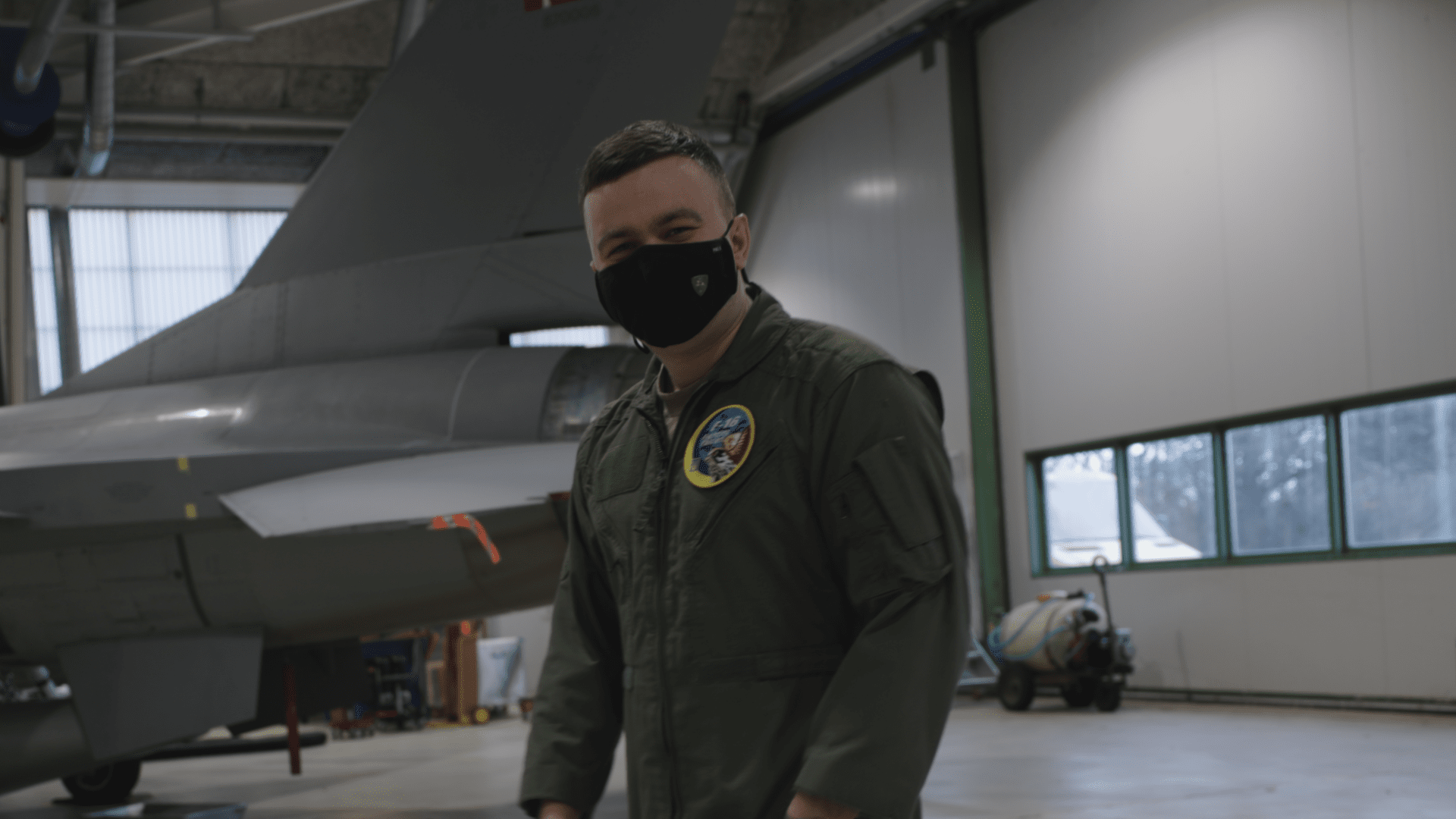
“I flew that mission with him—we were both in the air,” the pilot says. “It was my first combat sortie in Ukraine on an F-16. We did great, but only I returned to the airfield after the interception. I dedicated that flight to him, and to all the comrades we have lost in this war.”
One shot—two hits
The first thought just after the strike was whether he was still alive or not, the pilot jokes. “I looked at my body and saw that nothing bad had happened to me. I looked at all my indicators of the liquids—fuel, oil, and hydraulic—thinking that debris from these shot-down cruise missiles could hit my jet. All was good and it worked well.”
The next step was to inform GCI about the successful strike using the gun. “There was a small break in our communication—they probably didn't believe it. I landed and told the guys—my maintenance, my crew chief—that I shot down five cruise missiles. I didn't realize that I hit two missiles simultaneously.”
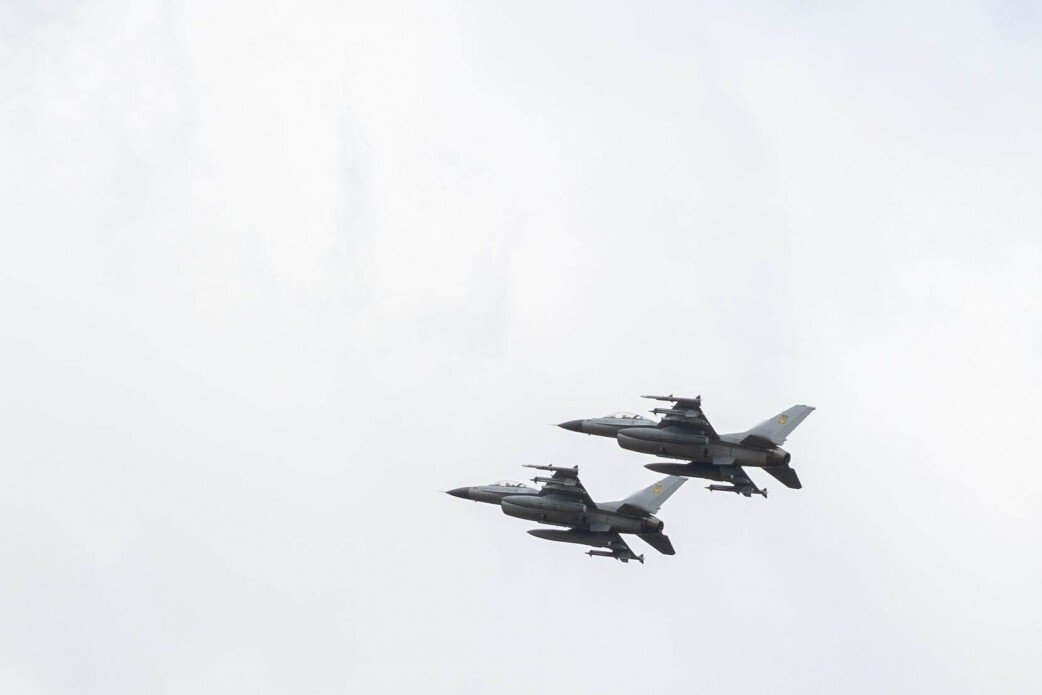
That only became evident later on, during the flight debriefing and analysis of jet materials. A. could not have been more thrilled: “I was sitting in this jet in the cockpit of an F-16 and I was proud and happy that we have the ability to use these jets already, and to intercept these missiles and to be more lethal against such targets.”
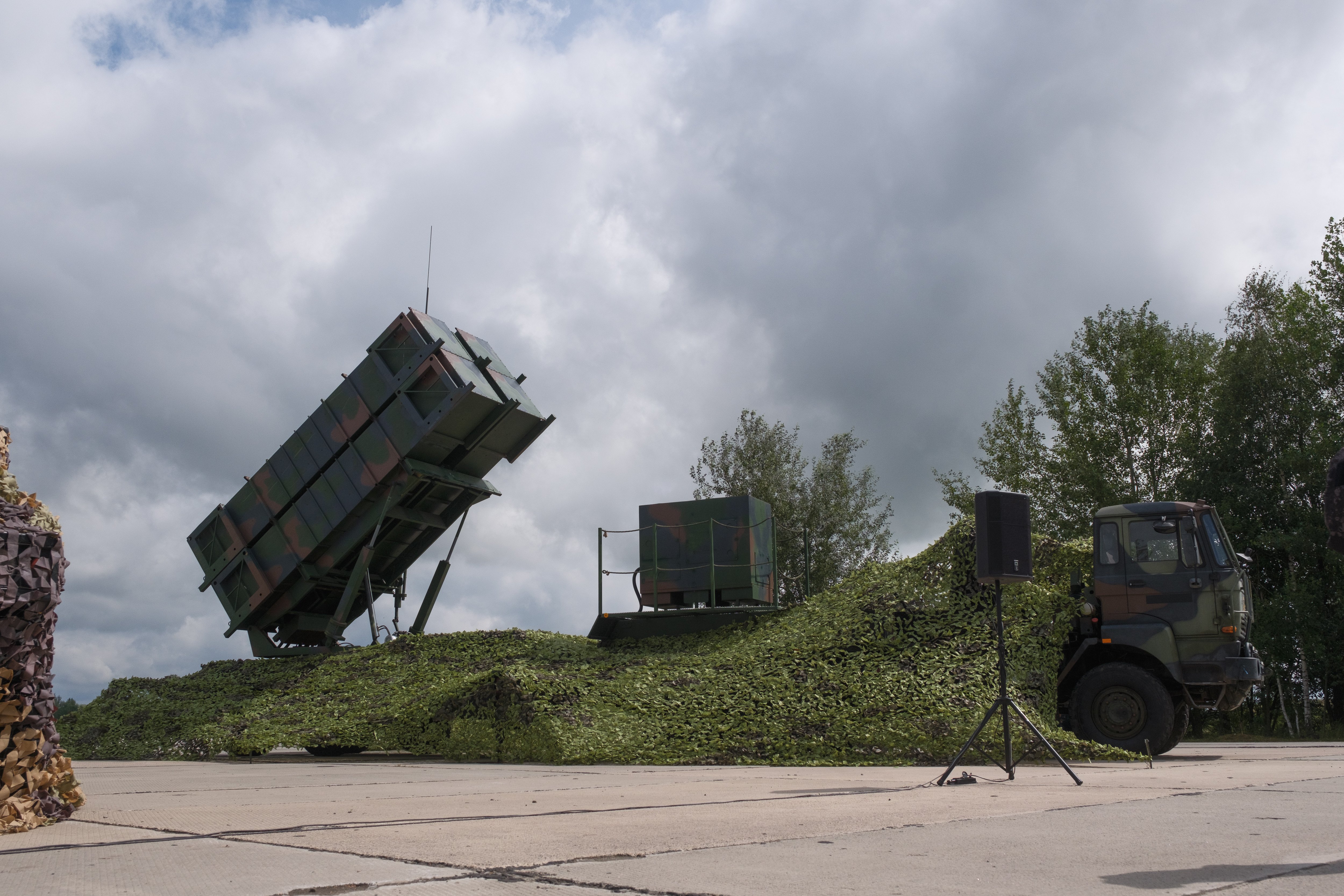
He stresses that Western equipment provided by partners makes his team more effective—not only in countering Russian aerial threats, but also in supporting Ukrainian land forces and striking ground targets on the frontline. “We appreciate this help and all this equipment, all the weapons, such as F-16s, systems like Patriots, NASAMS, and IRIS-T. We are very thankful. I can't even imagine how this war would go without this.”
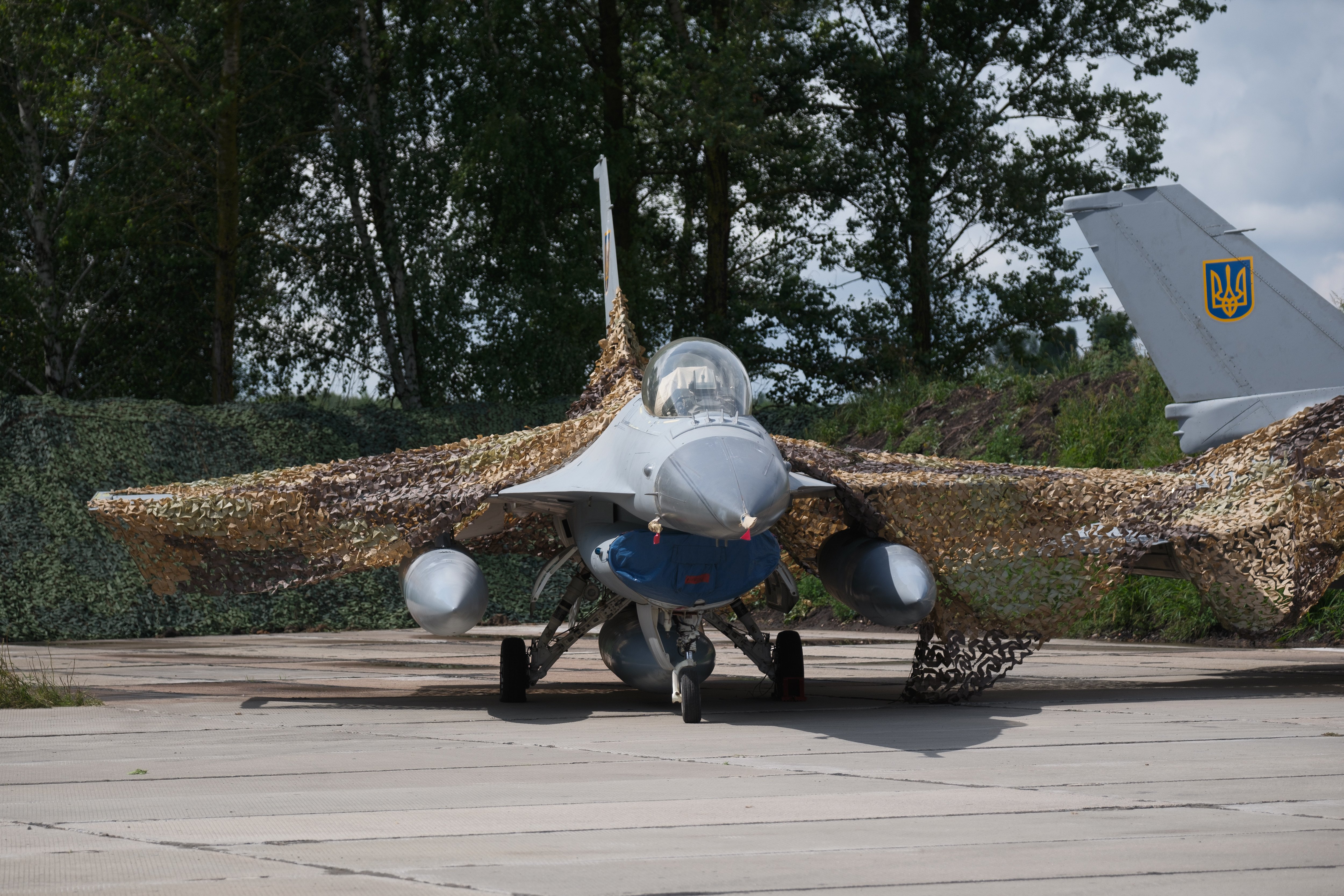
The pilot, however, underlines that it's not only the equipment that improves, but also the mentality of the defenders. “We were trained in the Western way—tactics, approaches. We brought it here, to Ukraine, and we can share this information, improve our air force, and develop it.”
At the same time, A. adds that it’s important for the world to continue supporting Ukraine, which also means protecting all of Europe. “This war is going further and further. We should create our collective defense to prevent something like what happened here in Ukraine in the future. We should stand together.”
The pilot stresses—Ukraine is a peaceful nation. “If somebody comes to Ukraine as a guest, we will treat them well with bread. But if somebody comes here with a sword, we will fight with our swords.”
Discuss this article:

-c439b7bd9030ecf9d5a4287dc361ba31.jpg "Photo of Katherina Popilnichenko")
-72b63a4e0c8c475ad81fe3eed3f63729.jpeg "Photo of Cyril Barabaltchouk")