- Category
- Latest news
US Rolls Out New Mobile Tomahawk Launcher That Could One Day Strike for Ukraine
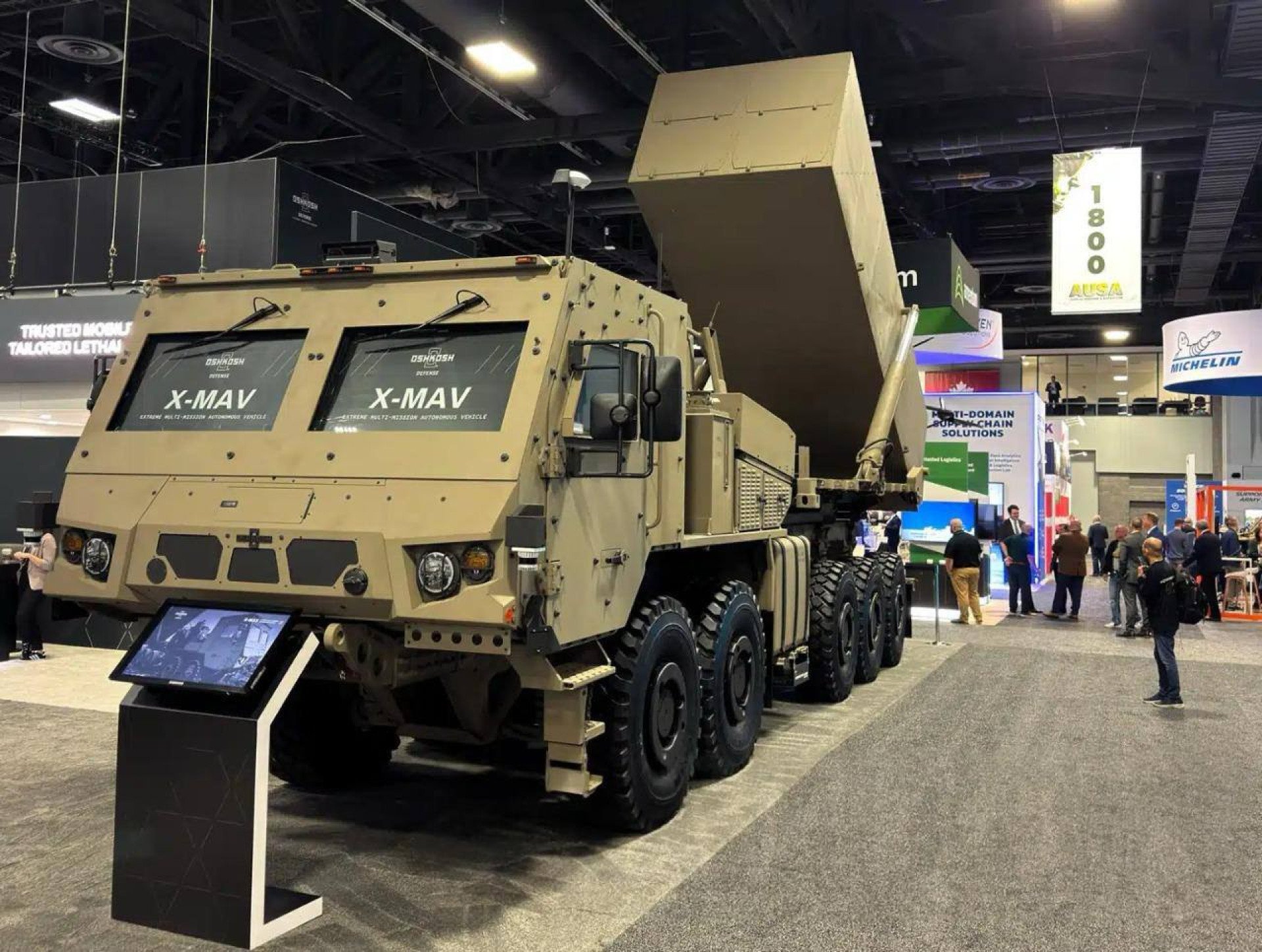
As the US explores more mobile and autonomous ways to launch long-range missiles, one system unveiled in Washington could mark a turning point—both for American doctrine and for Ukraine’s future strike capability.
 Prefer U24 Media on Google
- Authors


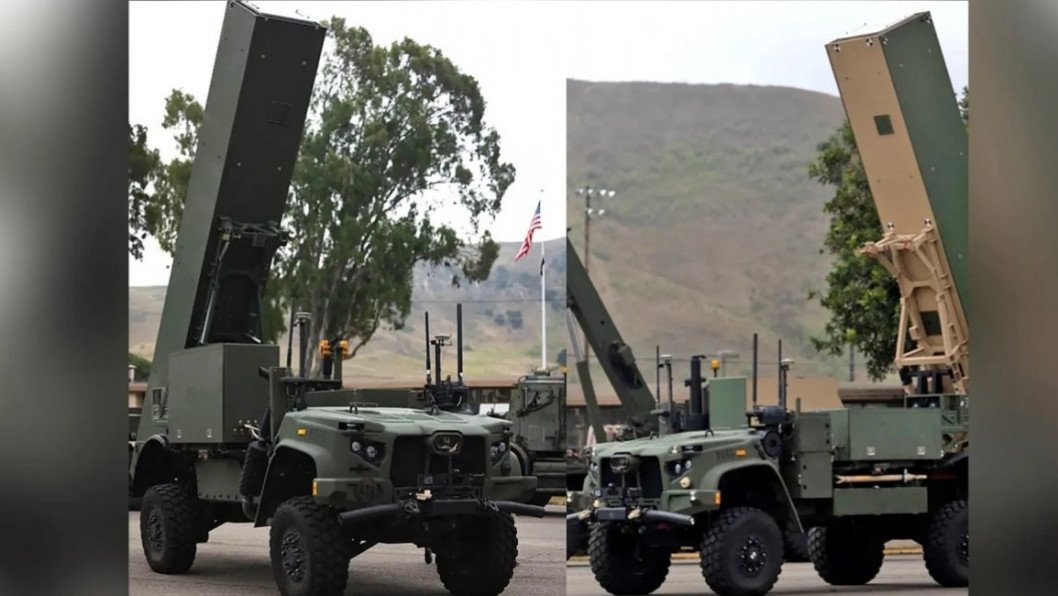
At the AUSA 2025 defense expo in Washington, D.C., Oshkosh Defense unveiled the X-MAV, a new mobile land-based launcher designed to carry four Tomahawk cruise missiles.
The vehicle, developed as part of the US Army’s modernization efforts, is entering the spotlight just as Washington and Kyiv engage in technical talks over a potential transfer of Tomahawk systems to Ukraine, Army Recognition reported on October 14.
The X-MAV (Extreme Multi-Mission Autonomous Vehicle) is engineered for cross-country mobility, autonomous operations, and rapid repositioning.
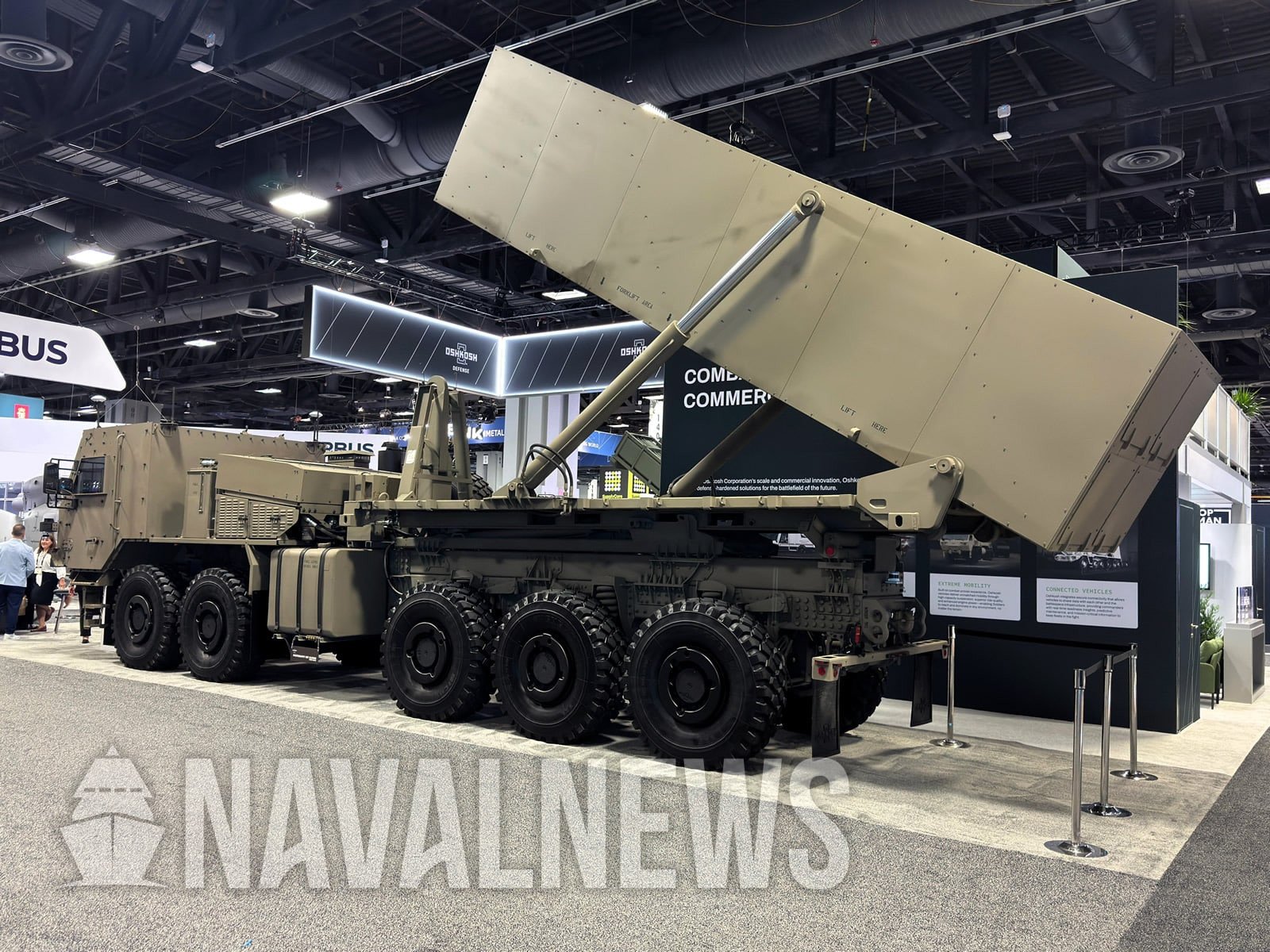
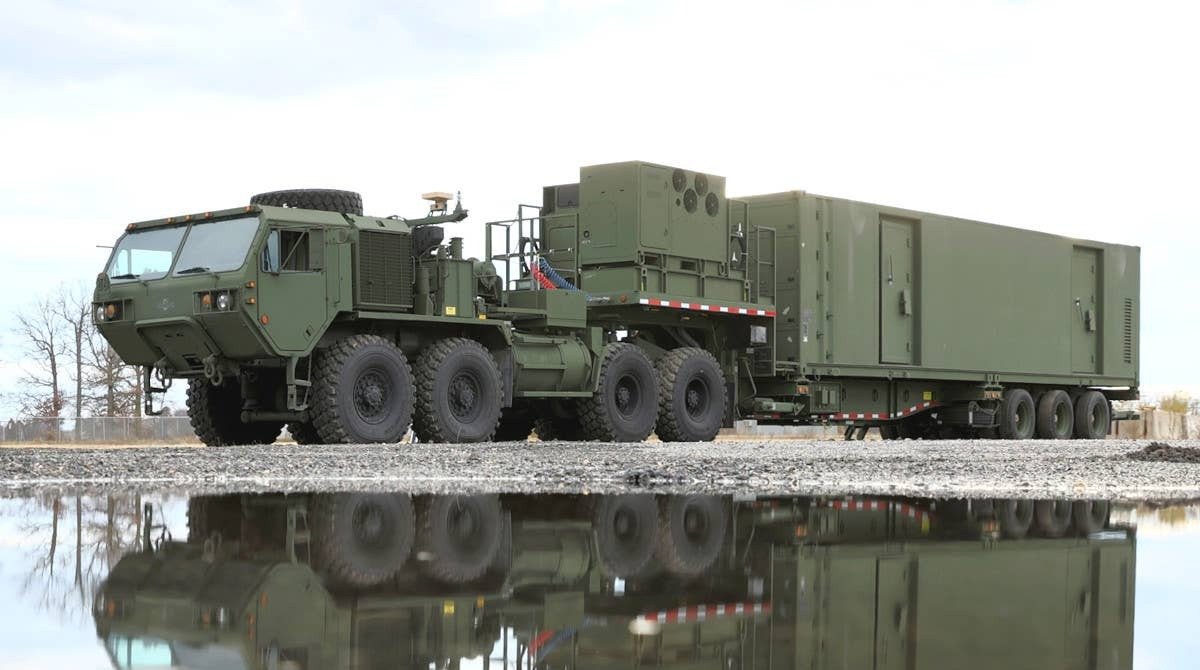
According to Army Recognition, it offers a more survivable and flexible alternative to the current containerized Typhon launcher system used by the US Army, which has already deployed land-launched Tomahawks to the Indo-Pacific theater.
Unlike the Typhon system—which relies on trailer-mounted launchers—the X-MAV is purpose-built for off-road operations in contested terrain. It maintains the same four-missile capacity but adds enhanced mobility and reduced signature, enabling “shoot-and-scoot” tactics and easier concealment in wooded or urban environments.
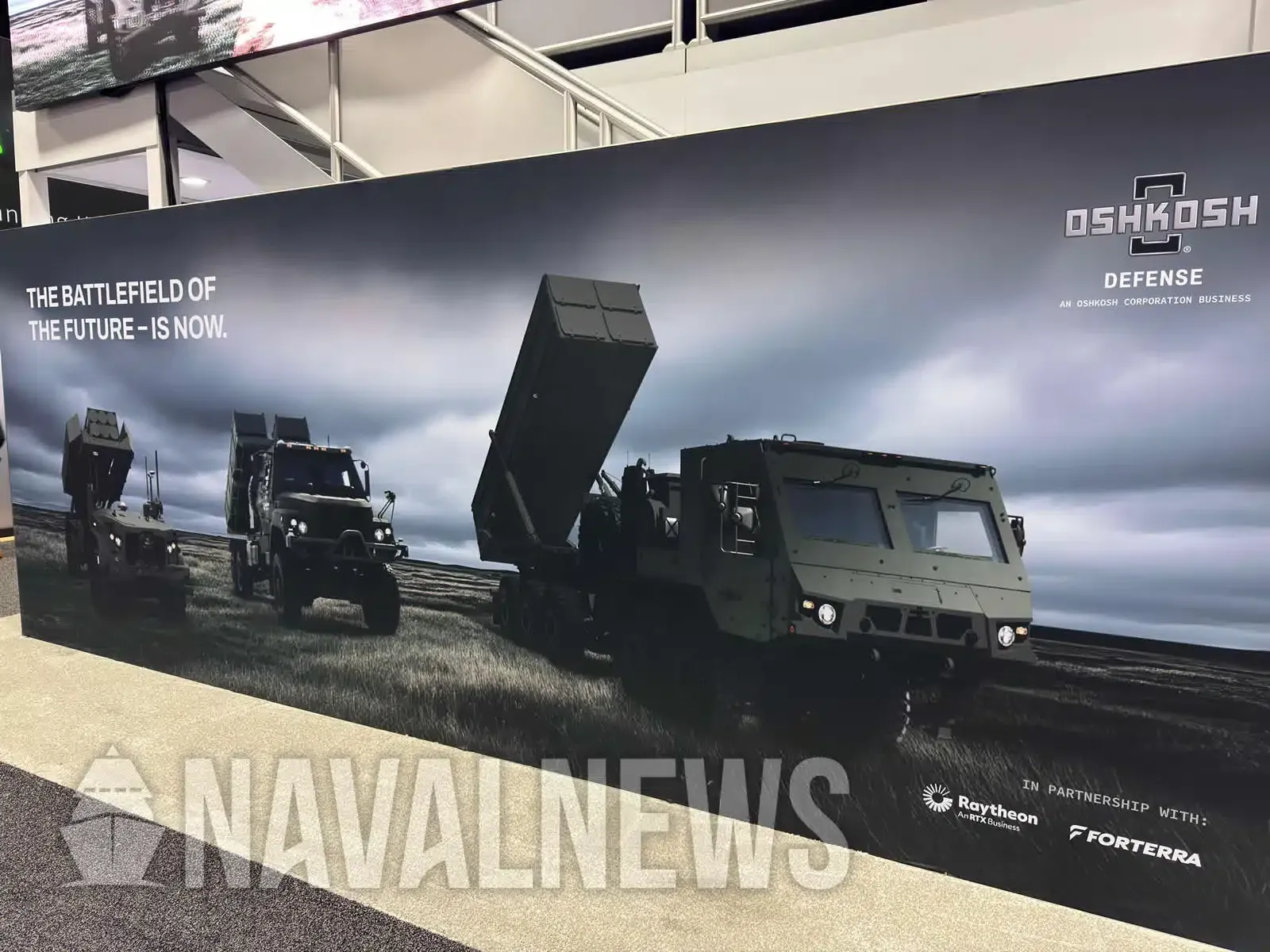
The X-MAV is part of a new Family of Multi-Mission Autonomous Vehicles (FMAV), which also includes the M-MAV, optimized for GMLRS and PrSM rockets, and the L-MAV, designed to launch Switchblade 600 drones and counter-unmanned aerial systems (C-UAS) such as the BlueHalo Titan.
All three vehicles are capable of operating autonomously or in a coordinated, low-crew fire-support network.
The rollout comes as Ukrainian officials confirmed on October 10 that Kyiv and Washington are now in “detailed and active” technical coordination on Tomahawk integration. This includes discussions on missile configurations, targeting architecture, and suitable launch platforms.
President Volodymyr Zelenskyy has stated that if Tomahawks are transferred, they would be used exclusively against military targets—a message intended to manage escalation concerns with Moscow.
From a technical standpoint, the X-MAV supports the US Army’s Common Autonomous Multi-Domain Launcher, Heavy (CAML-H) concept, which envisions an autonomous-capable, high-endurance launcher for long-range fires.
Oshkosh’s platform incorporates onboard power for sensors and fire control, an open-architecture design for payload flexibility, and autonomous control systems for low-signature movement and reloads in high-threat environments.
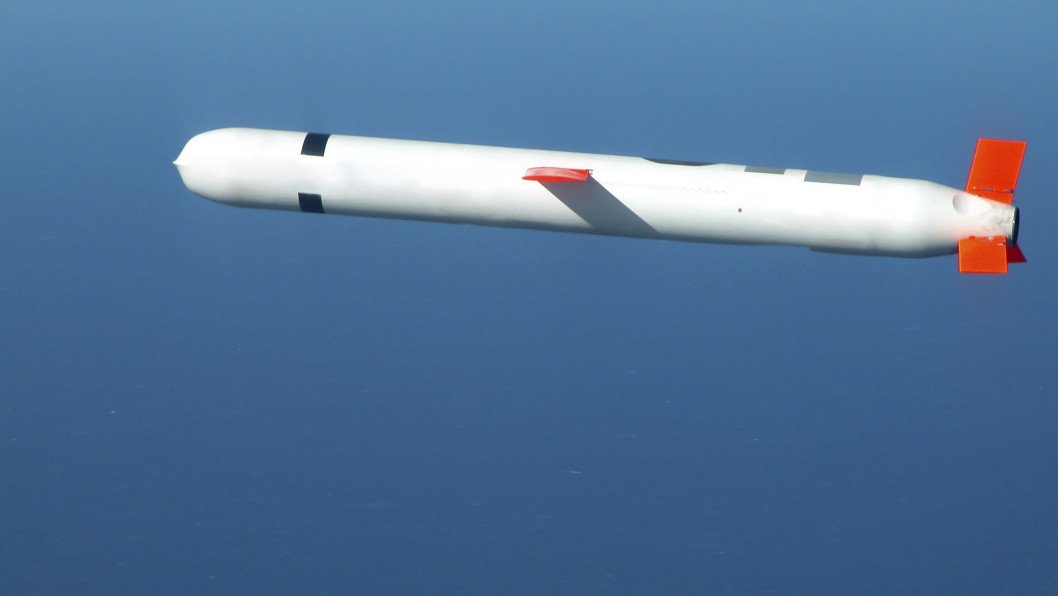
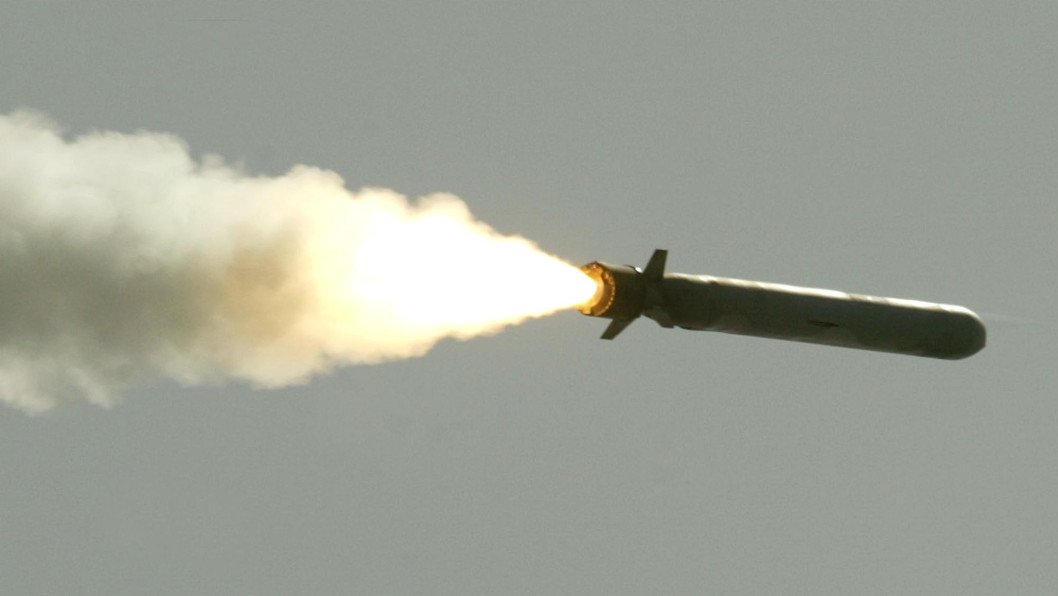
The Tomahawk missiles themselves remain among the longest-range options in the US inventory. The Block IV and Block V variants can reach approximately 1,600 km, operate with two-way datalinks, follow terrain, loiter near targets, and be reprogrammed mid-flight.
Block Va and Vb versions add anti-ship seekers and multi-effect warheads for hardened land targets, respectively.
If transferred to Ukraine, a mobile launcher like the X-MAV would offer the ability to strike deep behind Russian lines—including air defense systems, command nodes, and fuel depots—while avoiding prolonged exposure to counterbattery fire or surveillance.
The platform’s mobility would be particularly valuable in European terrain, where fixed systems are more vulnerable.
Earlier, US Vice President JD Vance said that Russia must “wake up and accept reality,” stressing that Moscow bears responsibility for the ongoing war in Ukraine.
Vance noted that Russia has suffered heavy losses with little to gain and added that President Donald Trump’s stance on the war reflects growing concern over those losses and their economic impact.
Discuss this article:



-c439b7bd9030ecf9d5a4287dc361ba31.jpg "Photo of Katherina Popilnichenko")