- Category
- Latest news
Want to Sell to NATO? First, Test Your Tech in Ukraine, Says Top General
 Prefer U24 Media on Google
- Authors


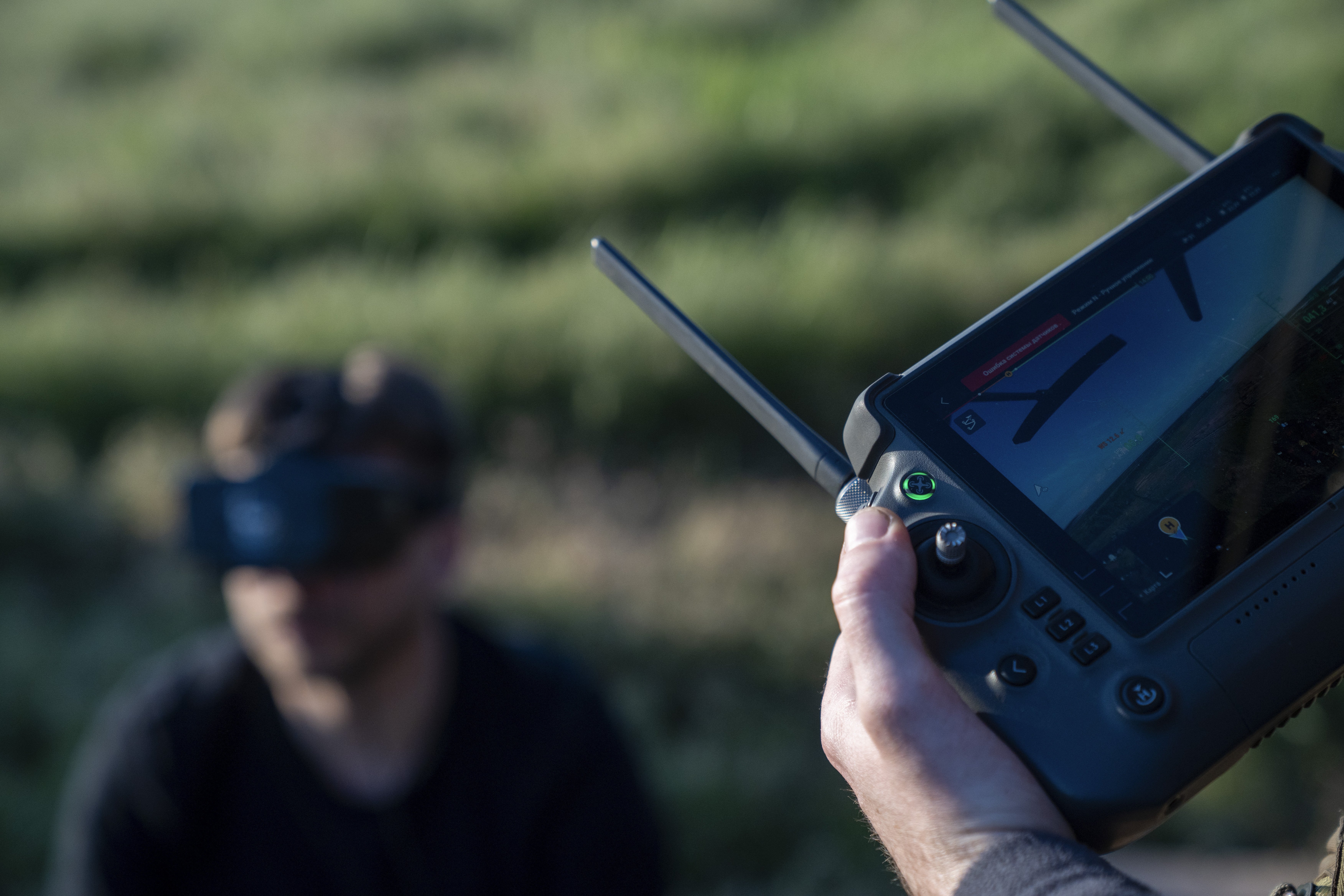
Defense companies seeking to enter the European and NATO markets should test their technologies in Ukraine, where Ukrainian forces continue to engage Russian troops using advanced systems, says NATO top general, according to Defense One on August 28.
General Alexus Grynkewich, Commander of US European Command and NATO Supreme Allied Commander Europe, emphasized that few companies are currently evaluating their systems in real-world combat scenarios against a peer adversary.
Those that have completed such tests have either gained crucial insights or withdrawn, realizing they are unprepared for the demands of modern warfare. He urged firms to participate in the upcoming Defense Tech Valley conference in Ukraine, where dozens of European companies with licensing and co-production agreements are expected to present their solutions.
Meanwhile, NATO member states are significantly increasing defense spending in response to shifting security priorities. A substantial portion of these funds will support Ukraine, while also benefiting the US defense industry through the NATO Prioritised Ukraine Requirements List (PURL).
This new initiative, introduced a month ago, has already attracted over $2 billion in pledges.
Grynkewich explained that the US European Command collaborates with NATO to prioritize Ukraine’s military needs. Ukrainian officials submit capability requests, which are assessed and elevated through joint US–NATO working groups.
Some equipment, such as PAC-3 missiles, will be supplied exclusively by the United States, while other systems can be sourced or developed across the alliance.
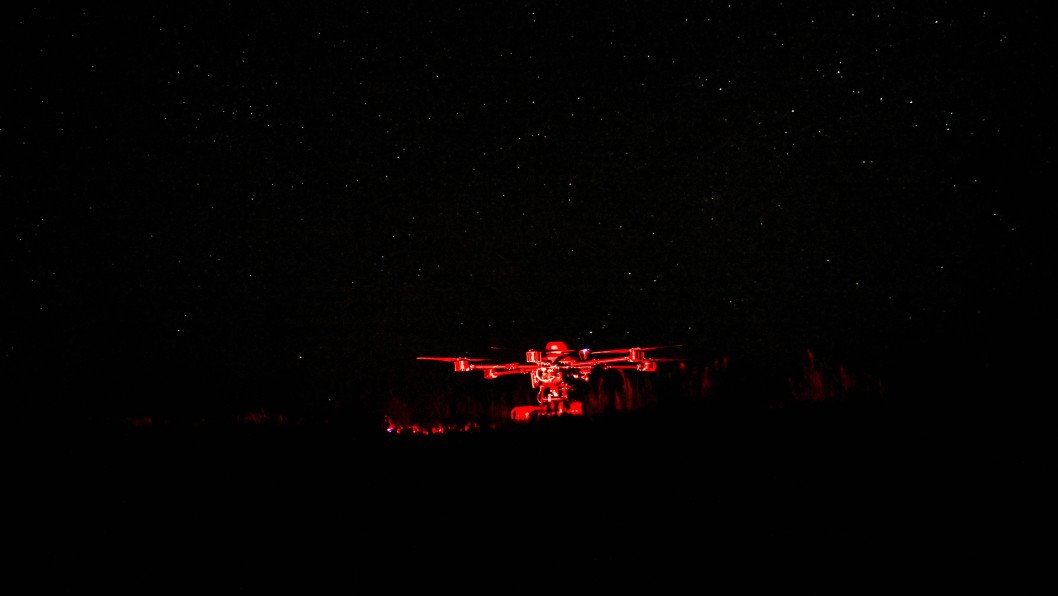
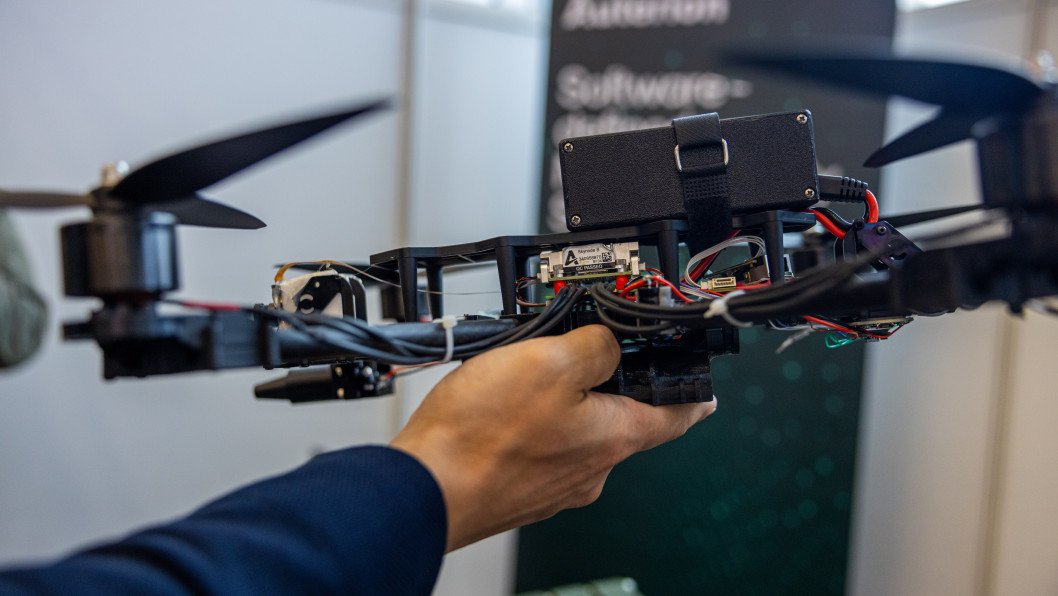
The PURL mechanism is intended to be flexible, covering a wide range of defense needs beyond missile systems, including advanced drones and other critical battlefield technologies.
Ukraine’s current priorities remain focused on Patriot interceptors and air defense systems to counter persistent missile and drone threats.
Feedback from Ukrainian military personnel operating these systems is expected to influence long-term procurement strategies and defense development across both the US and Europe.
Grynkewich noted that companies aiming to compete in future defense markets—particularly in fast-growing regions like Europe and the Indo-Pacific—must engage directly with current battle environments and find partners with the relevant operational experience.
Earlier, Ukrainian forces began using the American-made MQ-35A V-BAT drone, developed by Shield AI, for autonomous reconnaissance missions. The VTOL drone, equipped with AI-based target detection, thermal imaging, and advanced optics, has proven effective on the battlefield, even under electronic warfare.
Discuss this article:


-c439b7bd9030ecf9d5a4287dc361ba31.jpg "Photo of Katherina Popilnichenko")