- Category
- Latest news
Why Is Russia Putting Fake Air-to-Air Missiles on Shahed Drones?
 Prefer U24 Media on Google
- Authors


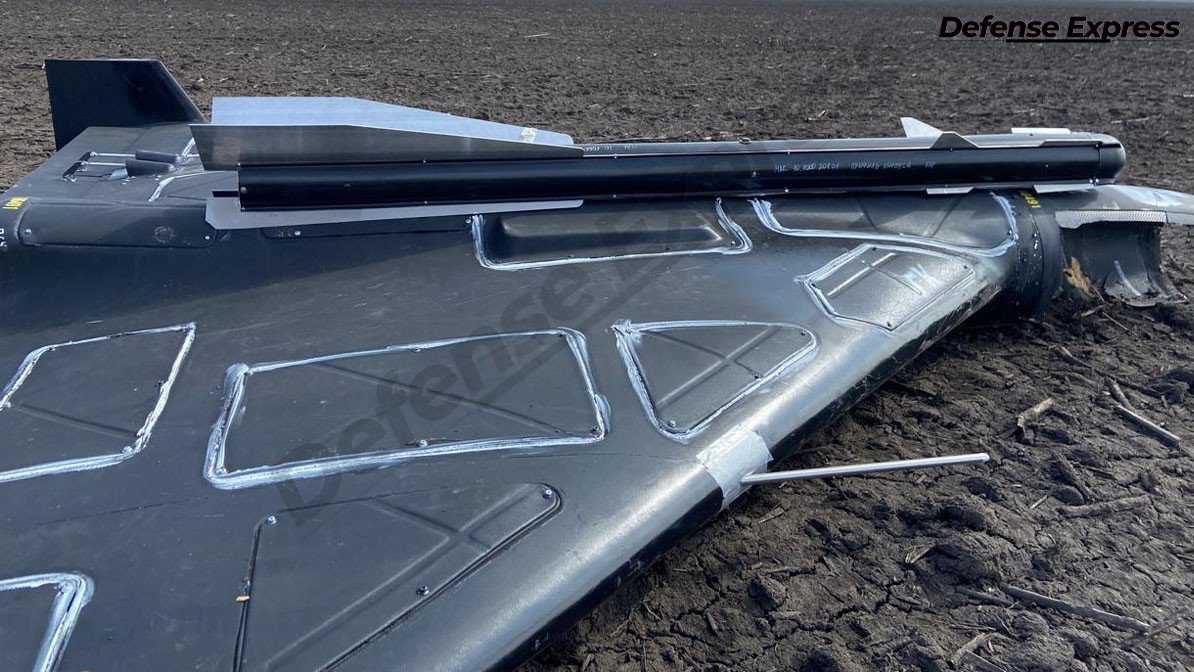
Russia has begun deploying modified Shahed-type long-range drones equipped with mock-ups of R-60 air-to-air missiles, in what appears to be a new experimental configuration.
We bring you stories from the ground. Your support keeps our team in the field.
According to Defense Express on March 30, one such drone—identified as a “Gerbera-2” variant produced in Russia’s Alabuga facility in February—was recently downed and is now being examined. The drone reportedly carried a realistically modeled R-60 missile replica alongside its standard warhead.
The outlet reports that the mock missile included aerodynamic control surfaces but was not mounted on a proper pylon, resulting in modifications to its structure, including trimmed lower fins. According to Defense Express, markings on the replica may indicate limited-scale production of such components.
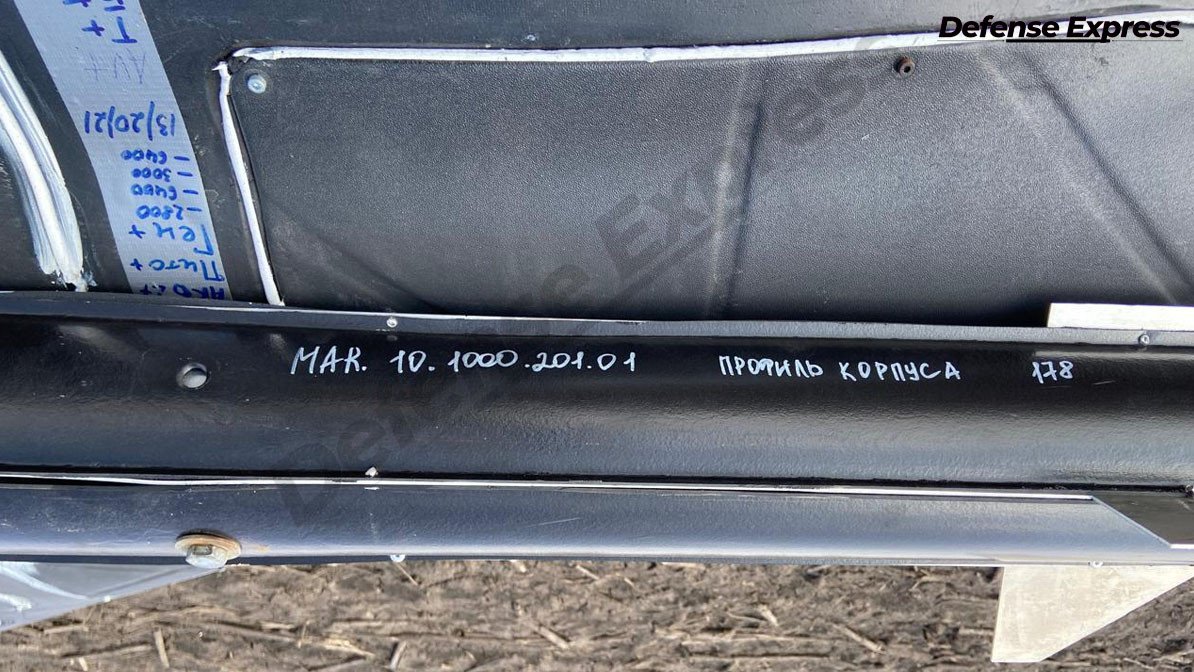
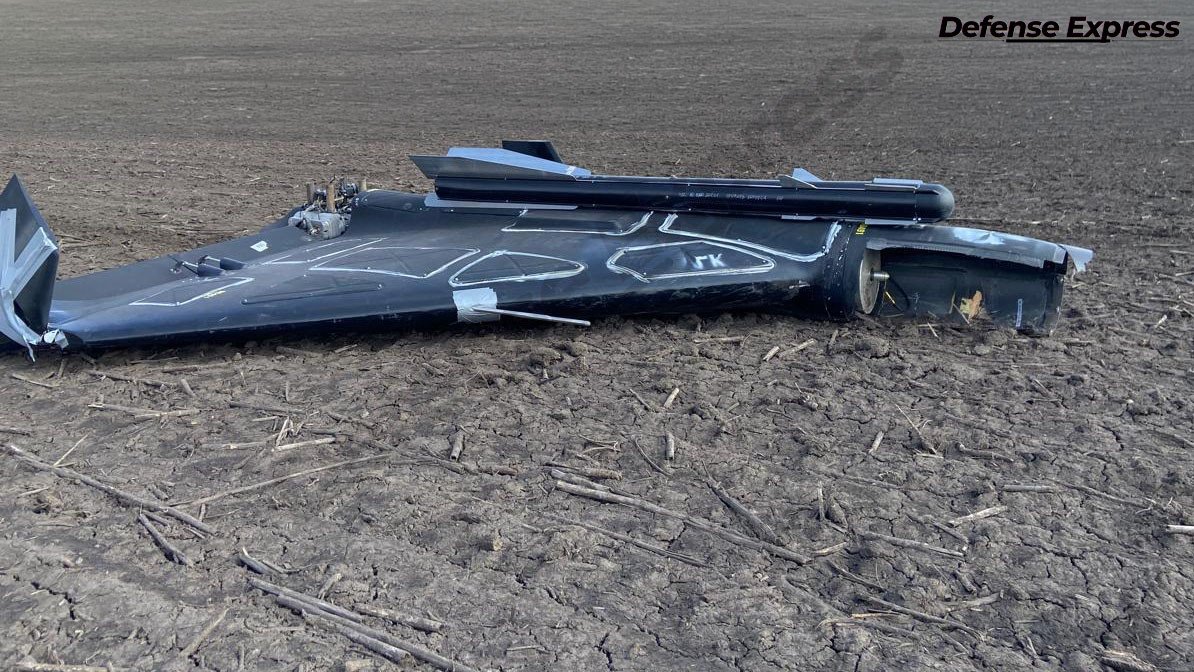
One possible explanation is that Russia is testing how additional payloads—such as missile-shaped objects—affect the drone’s flight characteristics. This type of evaluation would typically require telemetry data, which is easier to collect when drones are operated over controlled or domestic airspace.
However, Defense Express notes that similar configurations may have already been used operationally. The first reported case of a Shahed-type drone carrying an R-60-type object dates back to early December 2025.
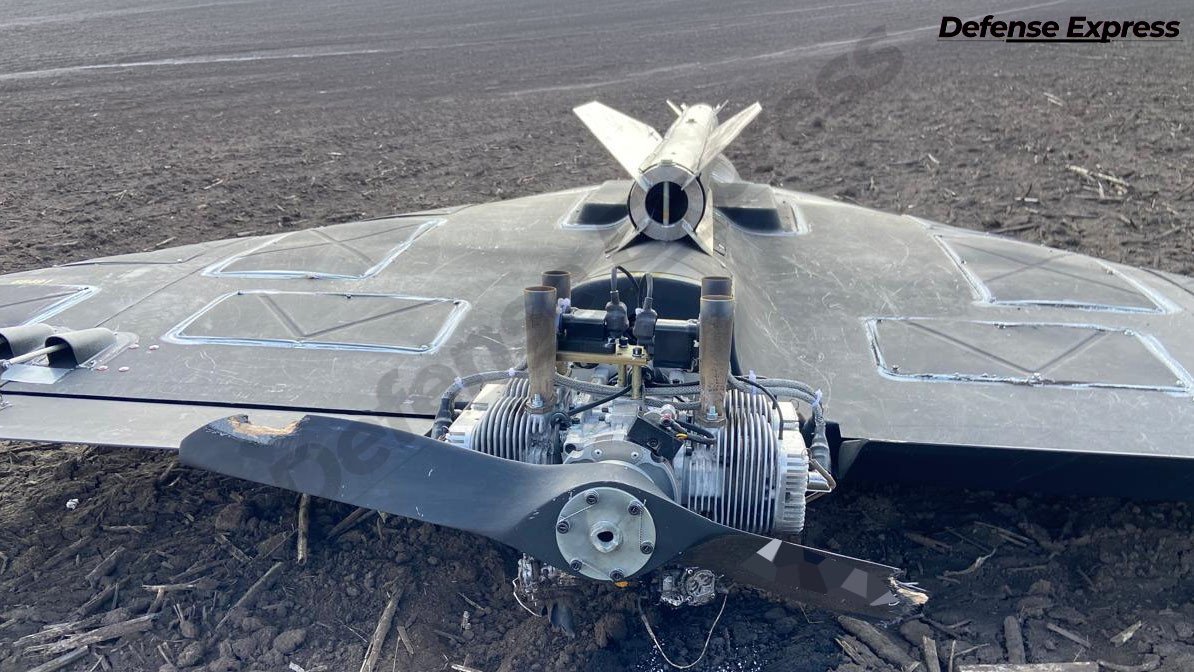
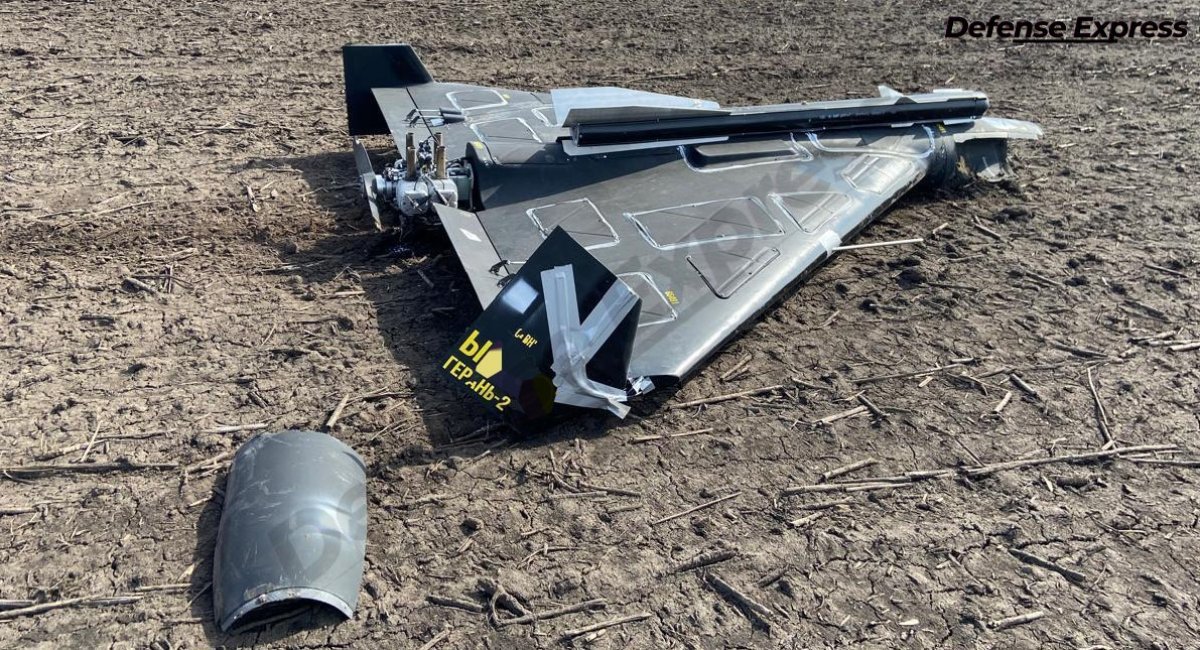
Another interpretation cited by Defense Express suggests the configuration could be intended to simulate a threat to Ukrainian aircraft, particularly helicopters, by creating the appearance of an air-to-air capability—even if the missile itself is non-functional.
The development follows a broader pattern of ongoing modifications to Shahed-type drones used by Russia, including changes to payloads, guidance systems, and electronic warfare resistance.
Earlier, Russia was reported to have experimented with arming Shahed-type drones with air-defense capabilities. According to Ukrainian radio technology expert Serhii Beskrestnov, a modified drone equipped with a 9K333 Verba MANPADS was recovered by Ukrainian forces, allowing operators to remotely launch surface-to-air missiles—potentially turning the loitering munition into a flying anti-air platform and forcing Ukrainian pilots to adjust engagement tactics.
Discuss this article:
-9a7b3a98ed5c506e0b77a6663f5727c5.png)