- Category
- Latest news
With Russian Backing, North Korea Unveils Missiles to Hunt Drones and US F-35s
 Prefer U24 Media on Google
- Authors


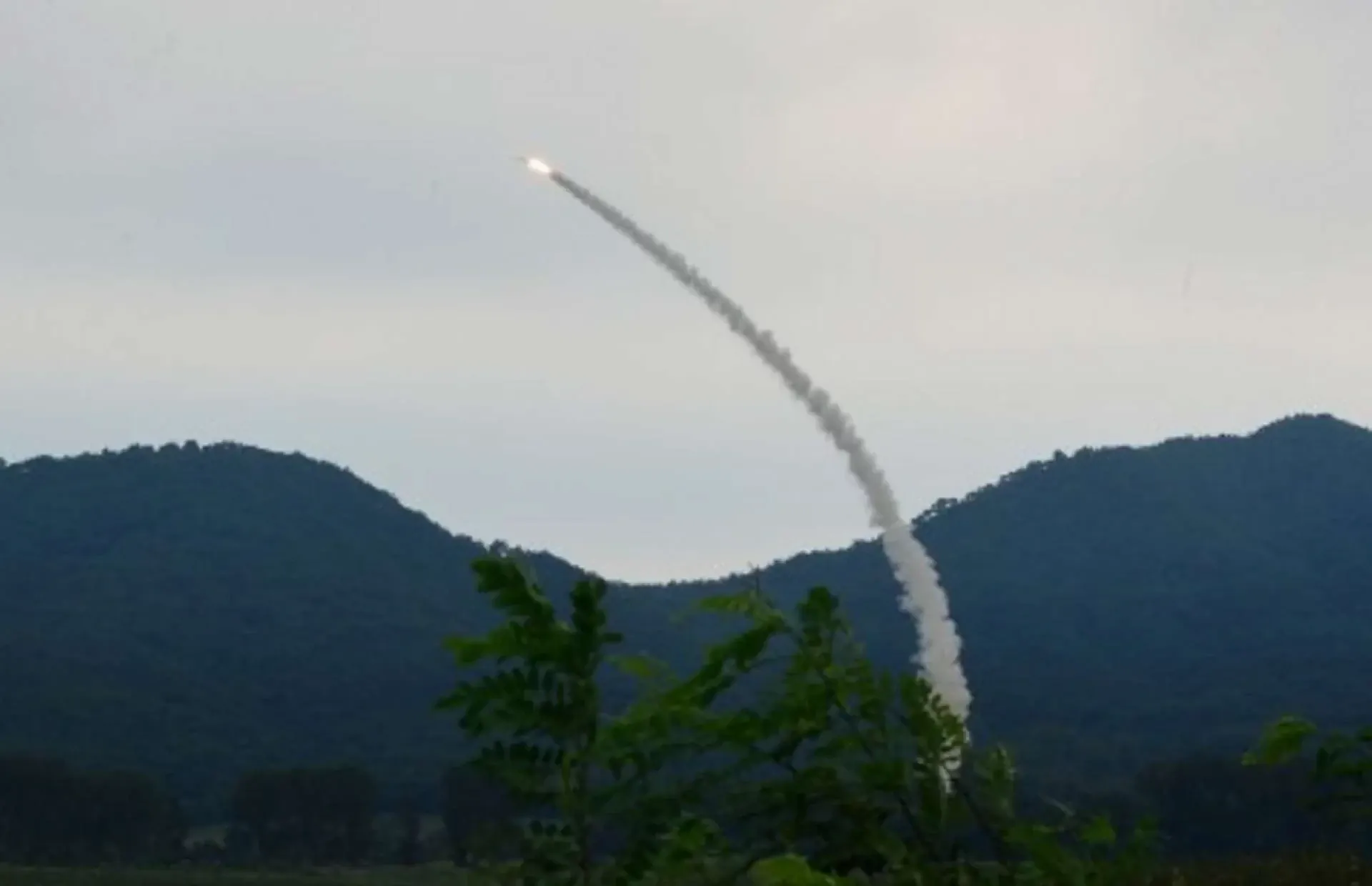
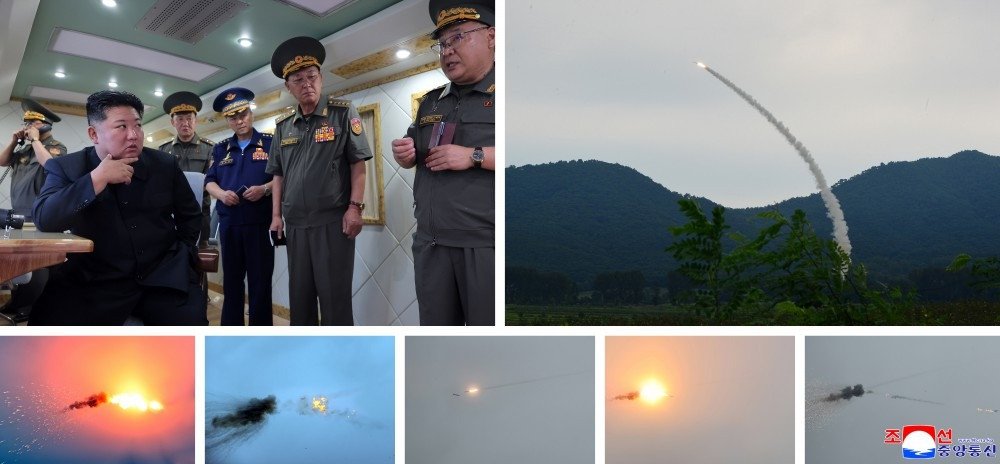
North Korea has conducted live-fire tests of two newly developed surface-to-air missile systems, according to a report by the Korean Central News Agency (KCNA) on August 24.
The tests, held a day earlier, were reportedly aimed at evaluating the systems’ performance against various aerial threats, including drones and cruise missiles.
The trials were supervised by senior defense officials and took place at a testing site under the authority of the DPRK Missile Administration.
The missiles reportedly demonstrated high precision and rapid response capabilities, guided by what North Korean sources described as a “unique and special technology.”
The country claims both missiles successfully intercepted target drones and low-flying cruise missiles, indicating progress in developing a more integrated and responsive air defense network.
KCNA did not release detailed technical specifications. However, open-source assessments suggest that the new interceptors represent a significant improvement over older systems such as the KN-06.
The upgraded systems may feature enhanced guidance mechanisms, including radar-homing or dual-mode seekers, and potentially include solid-fuel propulsion for faster deployment. Advancements in fire-control systems could allow for the simultaneous engagement of multiple targets, increasing the system’s ability to address complex aerial threats.
The development coincides with growing military cooperation between Pyongyang and Moscow. Since the signing of a comprehensive strategic partnership agreement earlier in 2025, Russia has reportedly transferred Pantsir-S1 air defense systems to North Korea.
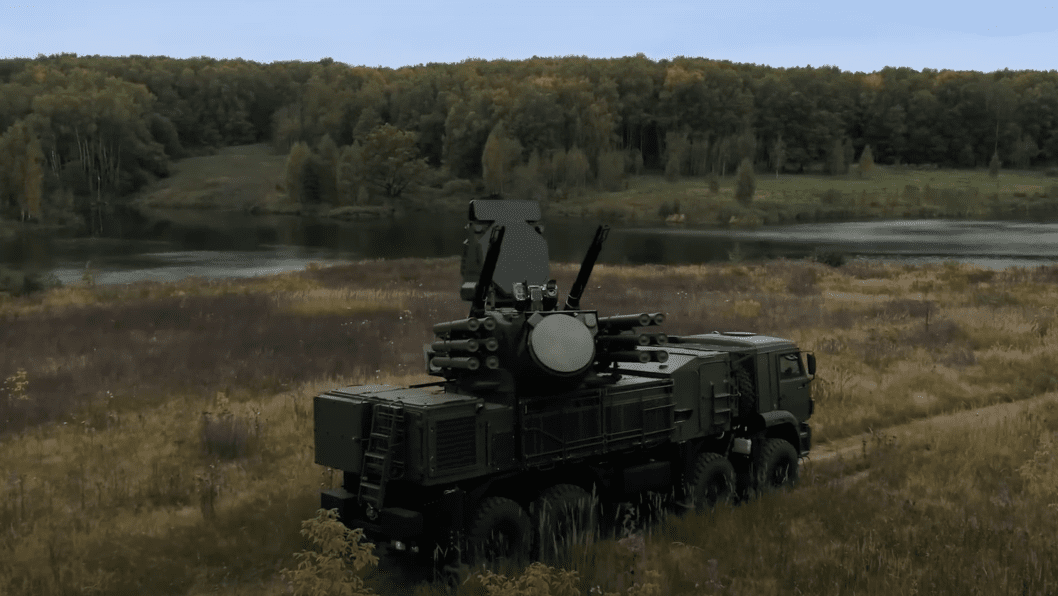
These systems are believed to be deployed near Pyongyang and have also been observed on newly built North Korean naval platforms, including a missile destroyer equipped with Russian-origin weapon systems.
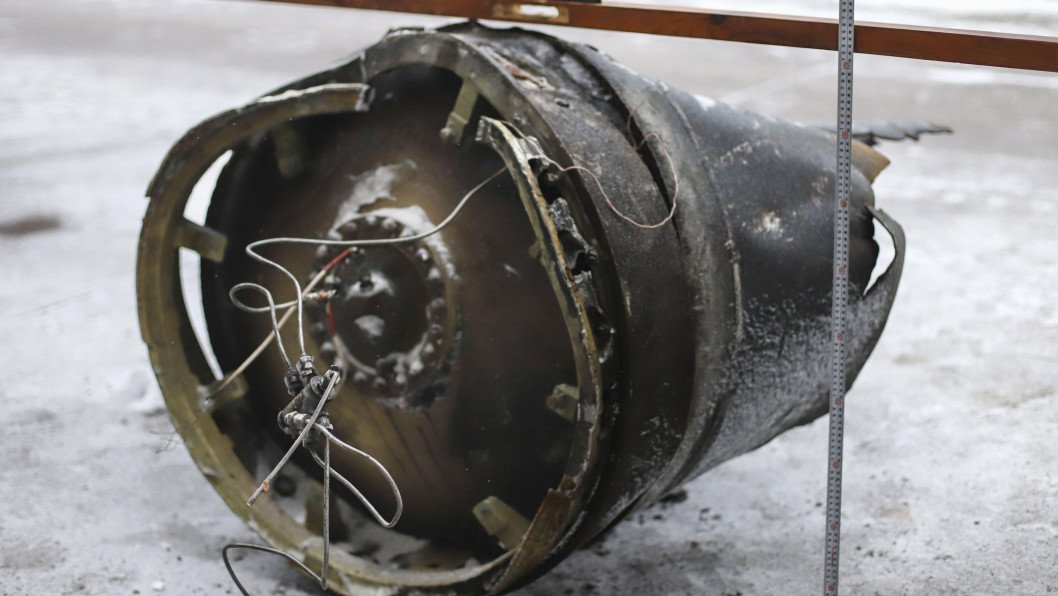
Ukrainian Defense Intelligence Chief Kyrylo Budanov previously stated that Russia had provided technical assistance to North Korea in refining the KN-23 short-range ballistic missile.
According to Budanov, guidance errors of up to 1.5 kilometers were corrected, significantly improving the missile’s accuracy and battlefield performance. He also noted that Russia may assist North Korea in setting up production of long-range drones based on the Iranian Shahed-136 design.
The latest missile tests come as North Korea prepares for a domestic political event—a Party Congress where military advances are likely to be showcased. The country continues to allocate substantial resources to defense programs despite economic pressure from international sanctions and ongoing internal challenges.
In parallel, according to Army Recognition on August 25, the United States and South Korea have resumed joint military exercises featuring advanced platforms such as F-35 fighter jets, Aegis-equipped warships, and integrated missile defense systems—activities that Pyongyang routinely condemns as rehearsals for invasion.
North Korea’s new missiles are explicitly designed to counter modern aerial threats, including low-flying drones and advanced stealth aircraft like the US-made F-35. The tests showcased the system’s ability to rapidly acquire and neutralize maneuvering targets, reinforcing a shift in doctrine toward defending against precision airstrikes and loitering munitions.
Against this backdrop, North Korea’s decision to reveal progress in its air defense systems reflects a shift in strategic priorities.
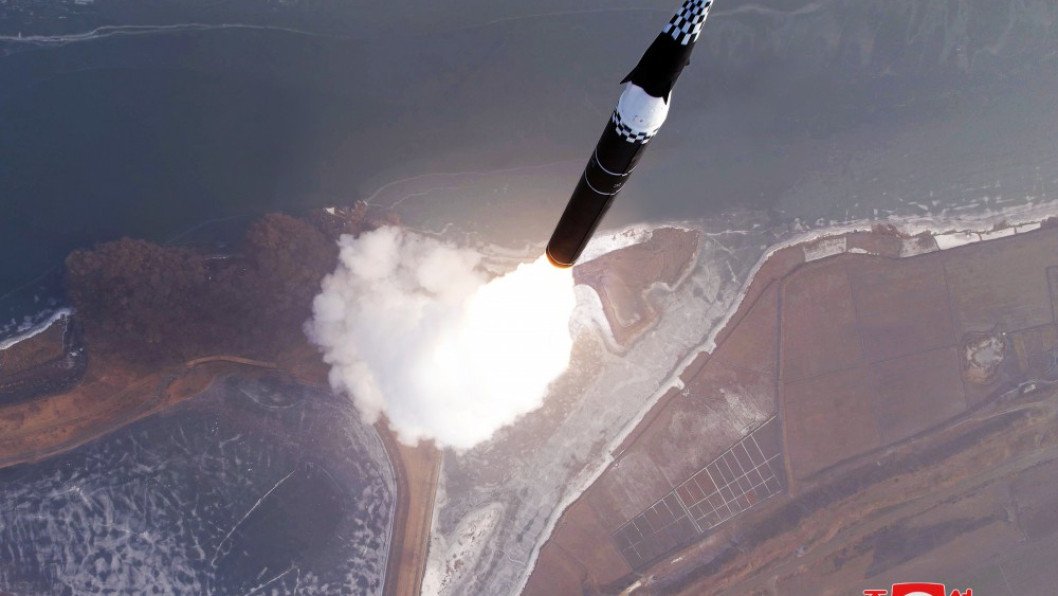
Traditionally focused on offensive missile capabilities, the regime now appears to be developing a more layered and multidomain defensive posture. The new systems could play a role in protecting key assets—such as command centers, missile units, and critical infrastructure—from air-based threats.
The tests also align with North Korea’s broader efforts to position itself within a trilateral alignment with Russia and China. While the extent of technical cooperation remains unverified, the appearance of Russian equipment in North Korea’s arsenal and the timing of the tests suggest growing strategic coordination.
The evolving security dynamics in the region may compel defense planners in Seoul, Tokyo, and Washington to reassess the air superiority assumptions that have underpinned their strategies.
Earlier, on August 15, Russian leader Vladimir Putin praised North Korean troops for their “heroic participation” in battles against Ukrainian forces in the Kursk region. In a letter to Kim Jong Un, Putin referenced the countries’ growing military alliance and confirmed North Korea’s deployment of soldiers to support Russia’s war effort.
Discuss this article:


-c439b7bd9030ecf9d5a4287dc361ba31.jpg "Photo of Katherina Popilnichenko")