- Category
- Latest news
“You Feel Calm Near the Front”—Lithuanian Doctor and Former Minister Serves in Ukraine’s Combat Hospitals
 Prefer U24 Media on Google
- Authors


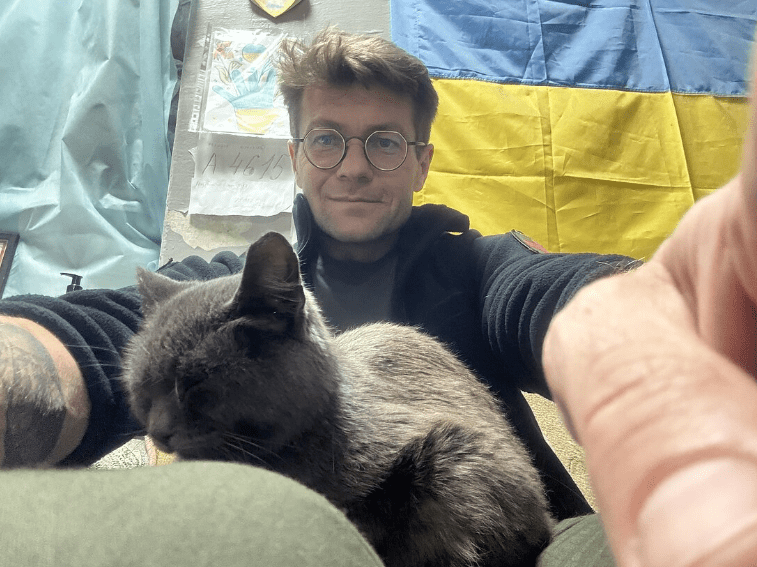
Aurimas Pečkauskas, former Minister of Health of Lithuania and now an anesthesiologist-intensivist, has returned from another mission in Ukraine. For two and a half weeks, he worked in a combat zone as a volunteer with the “Blue-Yellow Medical Aid” initiative, supporting Ukrainian medics, treating patients, and studying military medicine, LRT reported on October 19.
As part of the mission, he spent one week in Donetsk region, working with Ukrainian medical teams near the front line, and another week with TacMed Ukraine, helping organize medical evacuations.
“The first time I visited Ukraine was when I was Minister of Health—that was an official visit to civilian medical facilities in Poltava, Lviv, and Kyiv. The second time, as a doctor, I went on a mission with colleagues from this medical institution, organized by the Ministry of Health and Kaunas University Hospital. At that time, we worked in Dnipropetrovsk Mechnikov Hospital, assisted the TacMed Ukraine organization which evacuates the wounded from the front, and also visited military medical facilities,” Pečkauskas explained.
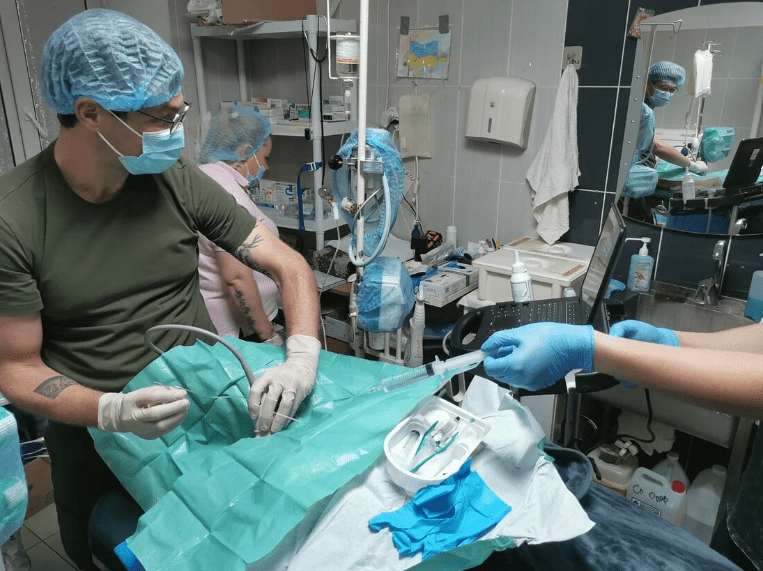
In addition to providing hands-on medical assistance, he delivered medical equipment to Ukraine—including surgical tools—gathered by the Lithuanian Society of Anesthesiologists and Intensivists. Some of this aid was donated to a hospital in Dnipro, LRT reported.
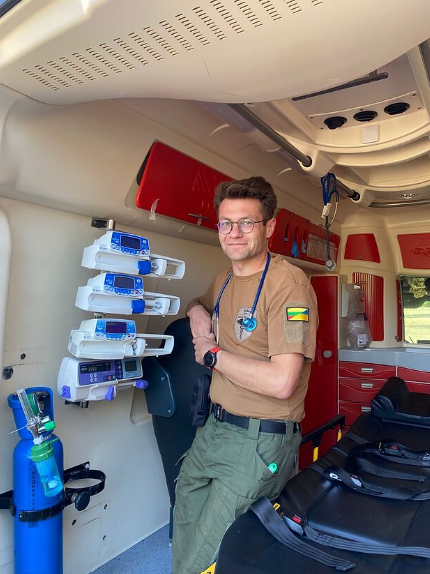
He mentioned that he worked in an intensive care unit, which was a highly modern ambulance specifically designed for transporting critical patients. He added that he also provided assistance to doctors in Kyiv, visited the Vinnytsia Military Medical Center, and deployed to the Donetsk region to work with mobile surgical teams who were operating very close to the front line.
According to LRT, Pečkauskas shared that despite the constant danger, people working in the combat zone display remarkable focus and composure.
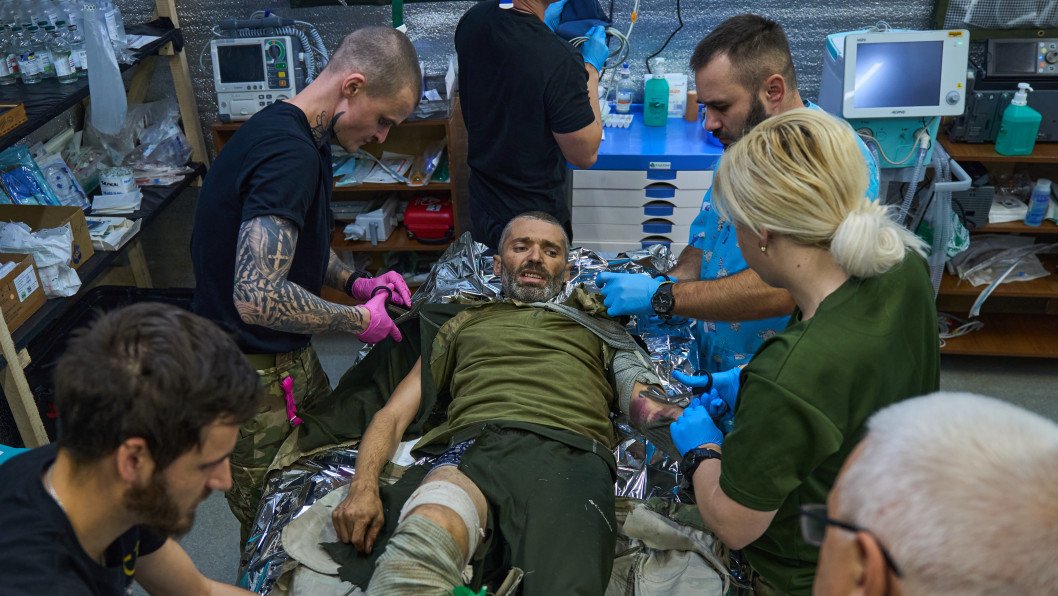
“The closer you are to the front, the calmer you feel… When you're in the operating room and three guided bombs drop nearby—the walls shake, the generators turn on automatically, and the locals calmly note: ‘Seems like a strike with 500-kilo KABs.’ Or when they bring in four patients hit by an FPV drone in town—moments like that remind you that the reality of war is right here.”
According to him, the mission is not only about providing help—it’s also about learning.
“We share knowledge while learning from the Ukrainians—both on a clinical level and on organizational and strategic levels,” Pečkauskas said.
He emphasized the importance of transferring this experience to Lithuania, especially in terms of preparing the healthcare system for potential crisis scenarios. Participants of the Blue-Yellow Medical Aid initiative have already created a knowledge base in Lithuania capable of functioning in emergency conditions.
“These are the people who can give real advice on how to prepare our healthcare system for a crisis… They have leadership qualities, experience—and if we ever have to operate in extreme conditions, it’s these people who will be turned to,” Pečkauskas noted.
In the context of growing threats, he stressed the need for a transparent, public dialogue on national readiness. He asserted that now is not the time to hide from potential problems, nor will there be time to learn how to deal with those problems once they arise.
Earlier, the 12th Szczecin Mechanized Brigade held a special training session called Brave Tiger (pl. Dzielny Tygrys) at the Drawsko training ground in Poland. The exercise was organized to familiarize civilian doctors, who had recently been sworn in as military reservists, with the demands of battlefield medicine.
The drills featured simulations of typical combat injuries, such as lacerations and gunshot wounds resulting from artillery shelling, with scenarios informed by the current experience of Ukrainian military medics.
Discuss this article:
-6c7b568bf1f65853b7afd9dc1c3ca1fe.jpeg)


-c439b7bd9030ecf9d5a4287dc361ba31.jpg "Photo of Katherina Popilnichenko")


