- Category
- Latest news
Zelenskyy Unveils New Bill Amid Public Protests, Vows Anti-Corruption Agency Independence
 Prefer U24 Media on Google
- Authors



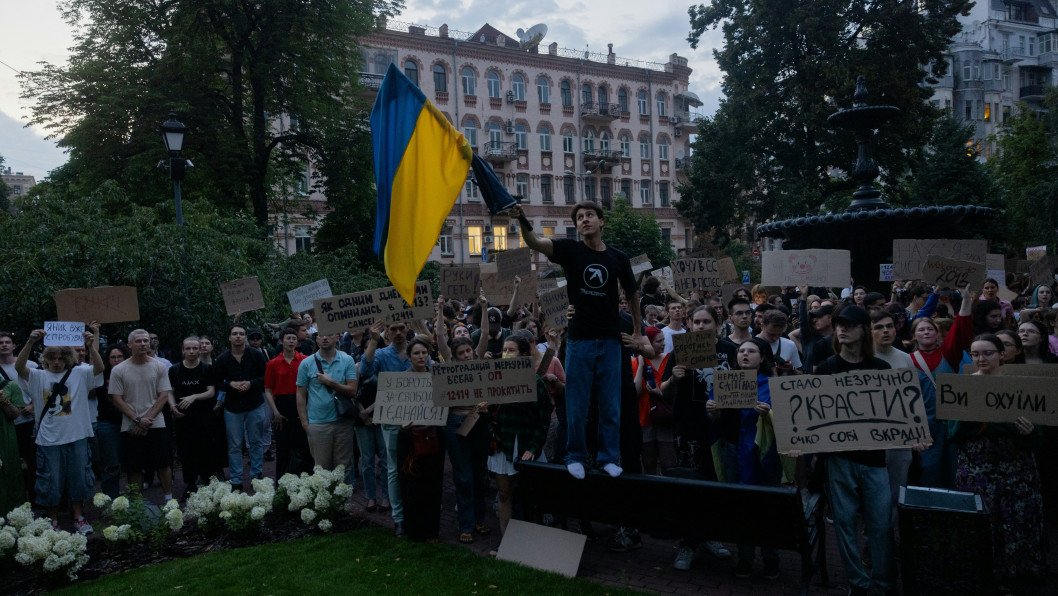
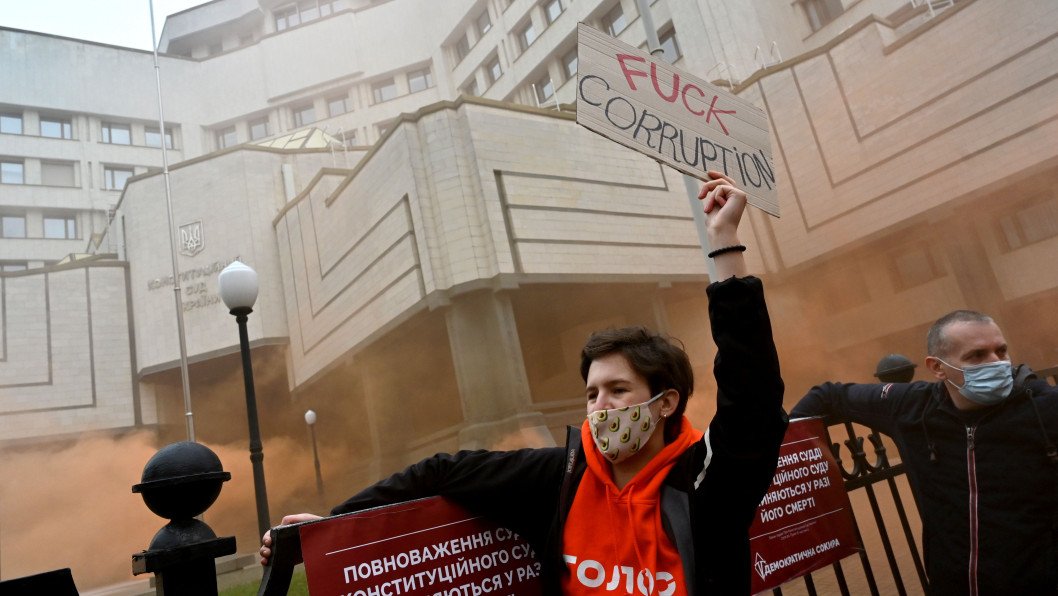
Ukrainian President Volodymyr Zelenskyy has defended a controversial new anti-corruption law that sparked public protests across Ukraine this week, assuring citizens that the independence of Ukraine’s anti-corruption bodies will not be compromised and that revisions are already underway.
Speaking at a meeting with journalists, attended by the UNITED24 Media correspondent following the July 22-23 protests, Zelenskyy acknowledged public anger over the legislation—formally known as Bill No. 12414—which grants the Prosecutor General powers over key anti-corruption agencies, including the National Anti-Corruption Bureau of Ukraine (NABU) and the Specialized Anti-Corruption Prosecutor’s Office (SAPO).
Zelenskyy said a new bill had already been prepared, emphasizing that it is grounded in “core principles of the independence of anti-corruption agencies.”
He said the proposed legislation includes safeguards against Russian influence, including mandatory polygraph testing every two years for employees of NABU, SAPO, the National Police, and the State Bureau of Investigations who have relatives from or living in Russia.
“All law enforcement officers and anti-corruption officials must be subject to the same conditions,” Zelenskyy said, underlining the need for consistent standards across agencies.
The president also pushed back on concerns that NABU and SAPO would be subordinated to the Prosecutor General’s Office, saying simply: “No.”
Zelenskyy admitted that communication around the bill could have been better. “Probably, there should have been a dialogue. Communication is always necessary,” he said.
But he stressed that the war against Russia remains Ukraine’s top priority. “The biggest problem is the war. The main enemy is Russia.”
The President explained that a clause allowing only court-authorized urgent searches had been removed from the law after feedback from Ukraine’s business community. While the idea was “good,” he said, in practice, it had stalled law enforcement operations across all agencies.
Zelenskyy made clear that anti-corruption institutions must remain independent but must also meet public expectations. “They must act effectively and oversee what is happening within their own structures,” he said.
“If certain changes introduced by lawmakers pose a risk of losing the independence of anti-corruption agencies, then those risks must be eliminated.”
The President also dismissed rumors that European Commission President Ursula von der Leyen had warned him about the bill. “Everything that has been written about it, everything she supposedly told me—that’s fake,” he said. “We did not have a conversation.”
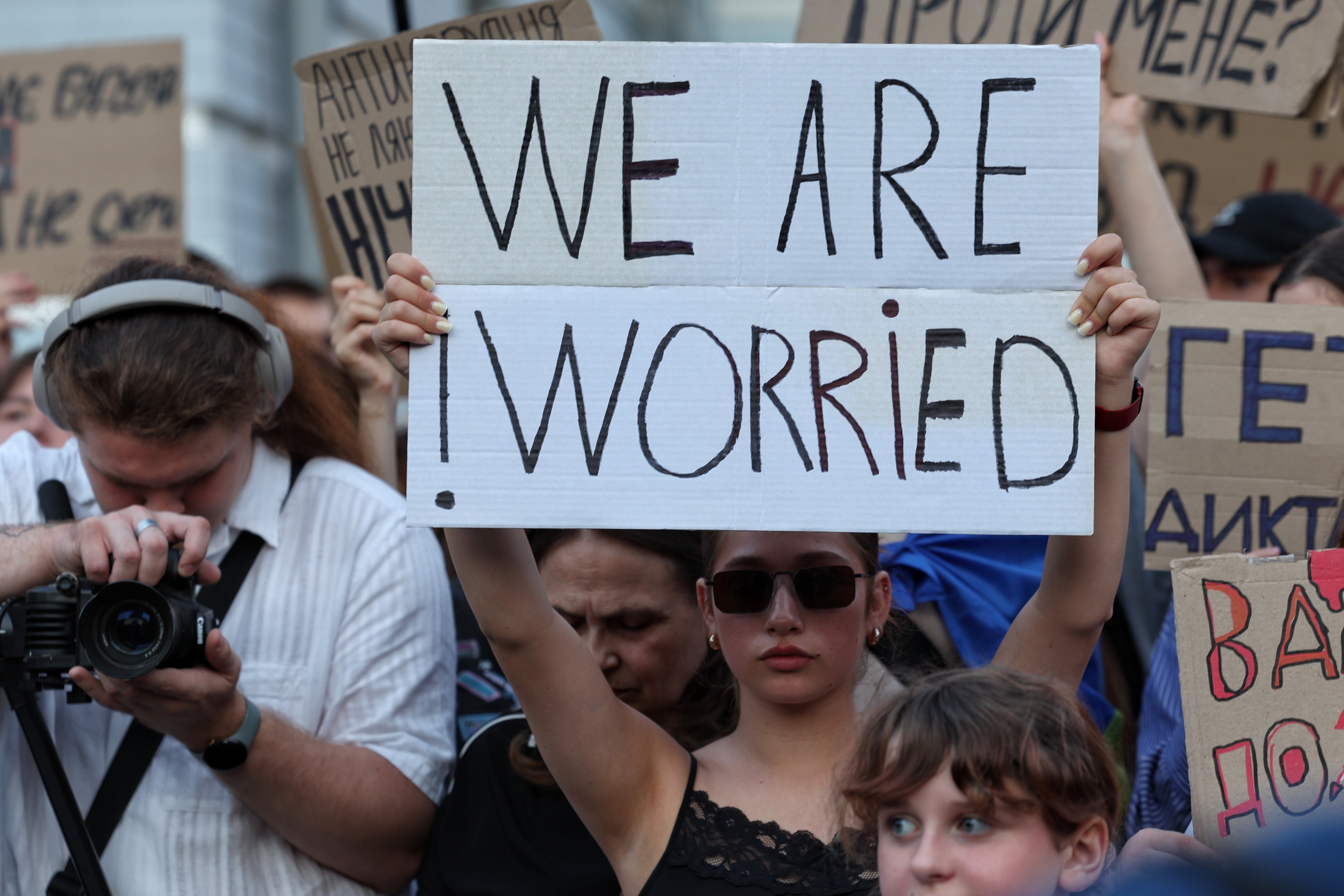
Zelenskyy underscored his respect for public opinion, saying he welcomed protests as part of a healthy democracy. “People have the right to say what they think,” he said. “People asked for changes. We responded.”
Asked what would happen if Ukraine’s parliament fails to pass the new bill, Zelenskyy said, “The most important thing right now is that the bill exists. It has been registered. I believe it will receive enough votes. I want that to happen.”
He noted that Western partners remain supportive despite the internal turmoil, citing a recent conversation with British Prime Minister Keir Starmer. “He said: if you need support, we will all stand behind you.”

Regarding Ukraine’s European integration, Zelenskyy said he had reassured allies that no risks were being taken. “We are part of the same infrastructure as Europe; we want to be part of Europe. No one is willing to take any risks,” he said.
“As for NABU and SAPO, I told them that I will find a solution. I will present my vision based on what’s needed on the anti-corruption side and what society wants.”
Earlier, US Senators Jeanne Shaheen of the Democratic Party and Lindsey Graham of the Republican Party expressed concern that a recently passed law in Ukraine, which makes the National Anti-Corruption Bureau (NABU) and the Specialized Anti-Corruption Prosecutor’s Office (SAP) dependent on the Prosecutor General, undermines much of the progress made in the country’s fight against corruption.
Discuss this article:




-c439b7bd9030ecf9d5a4287dc361ba31.jpg "Photo of Katherina Popilnichenko")