- Category
- Life in Ukraine
At Ukraine’s National Prayer Breakfast, Faith Meets the Reality of War
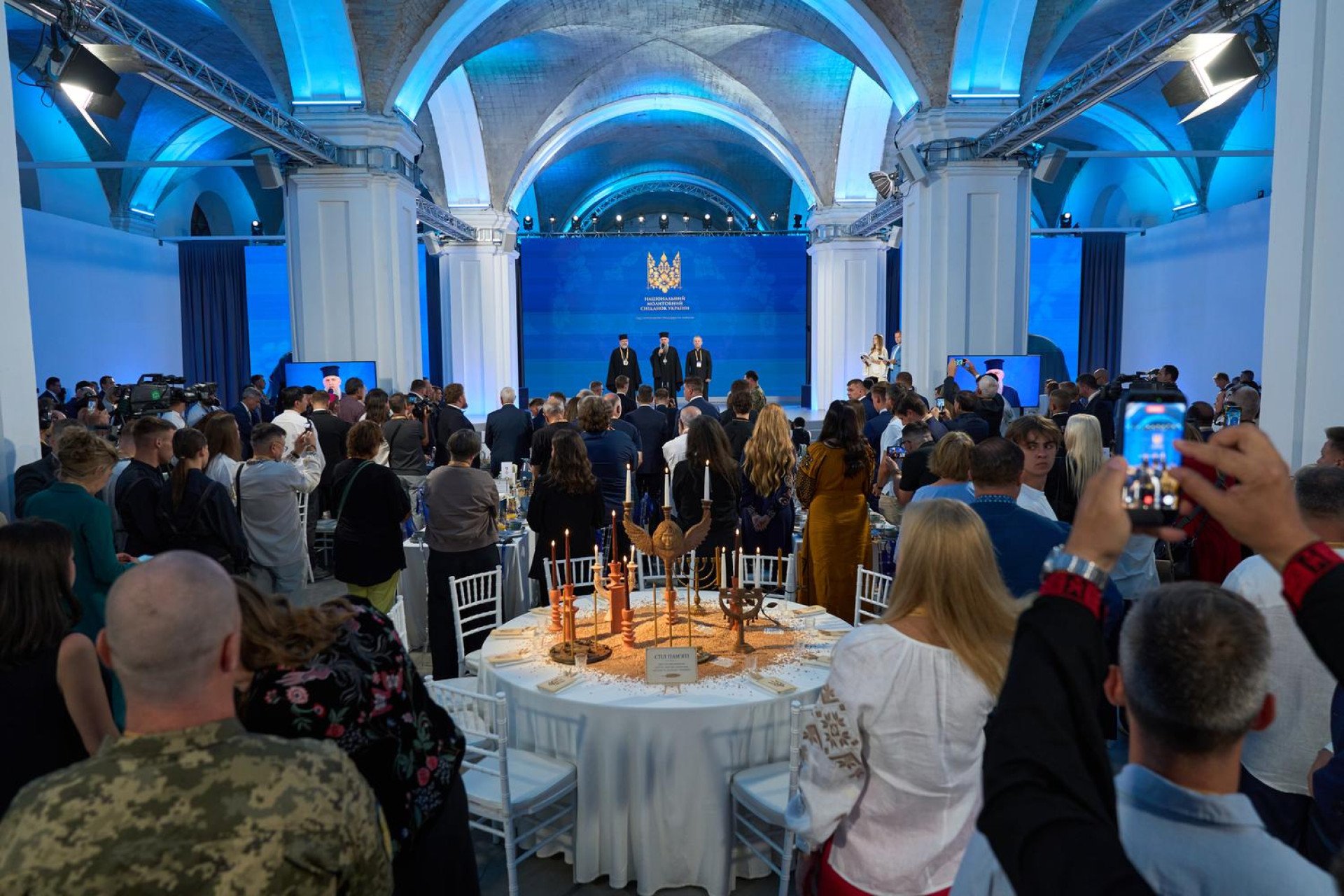
Religious leaders, military chaplains, journalists, diplomats, and international supporters gathered in Kyiv to pray for Ukraine—and to reflect on what faith, justice, and solidarity mean more than four years into Russia’s full-scale war.
 Prefer U24 Media on Google
- Authors


-5adb65e550f9dec24a01a35019e4b6b5.jpg "Chief News Editor")

-f88628fa403b11af0b72ec7b062ce954.jpeg "Photo of Amira Barkhush")
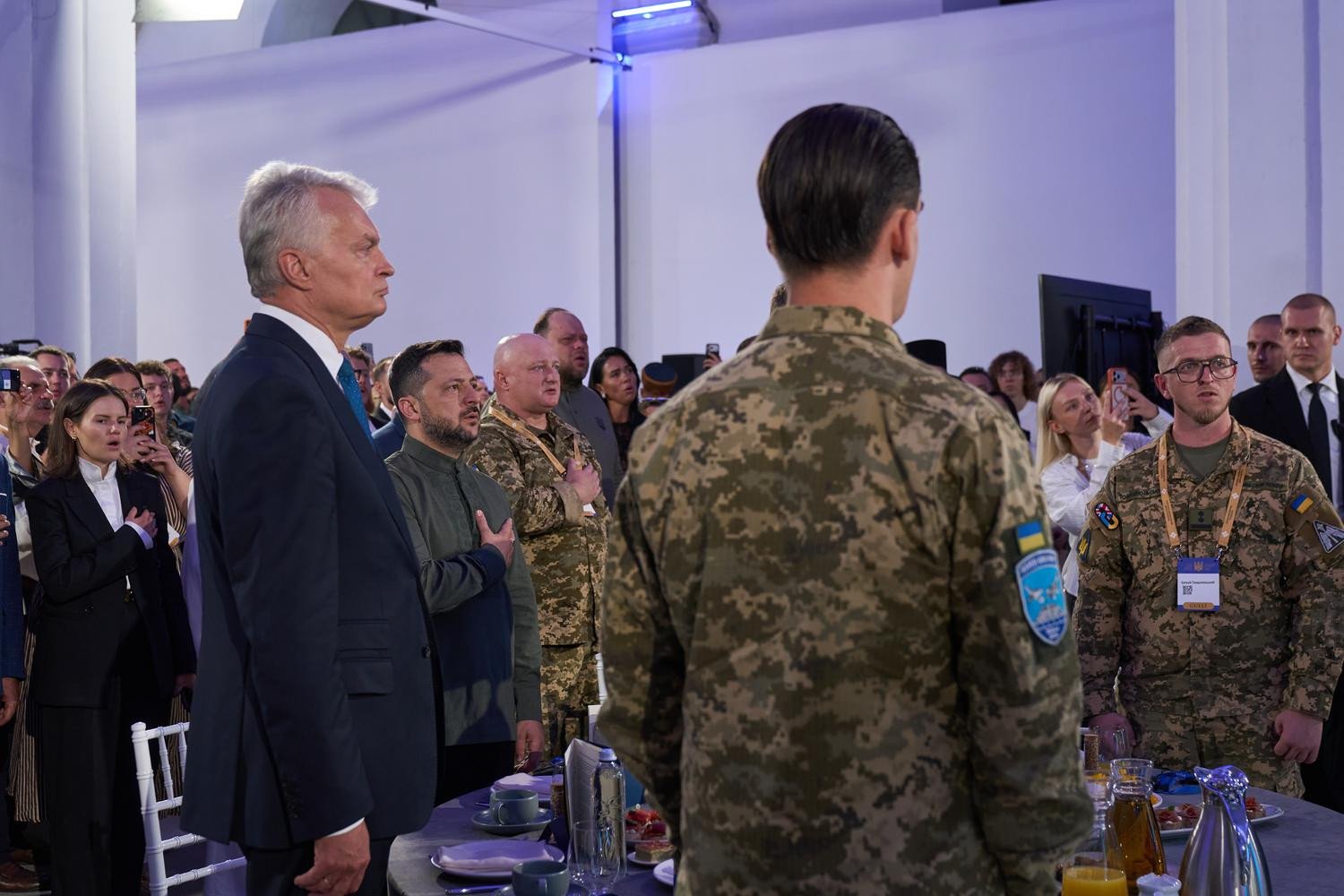
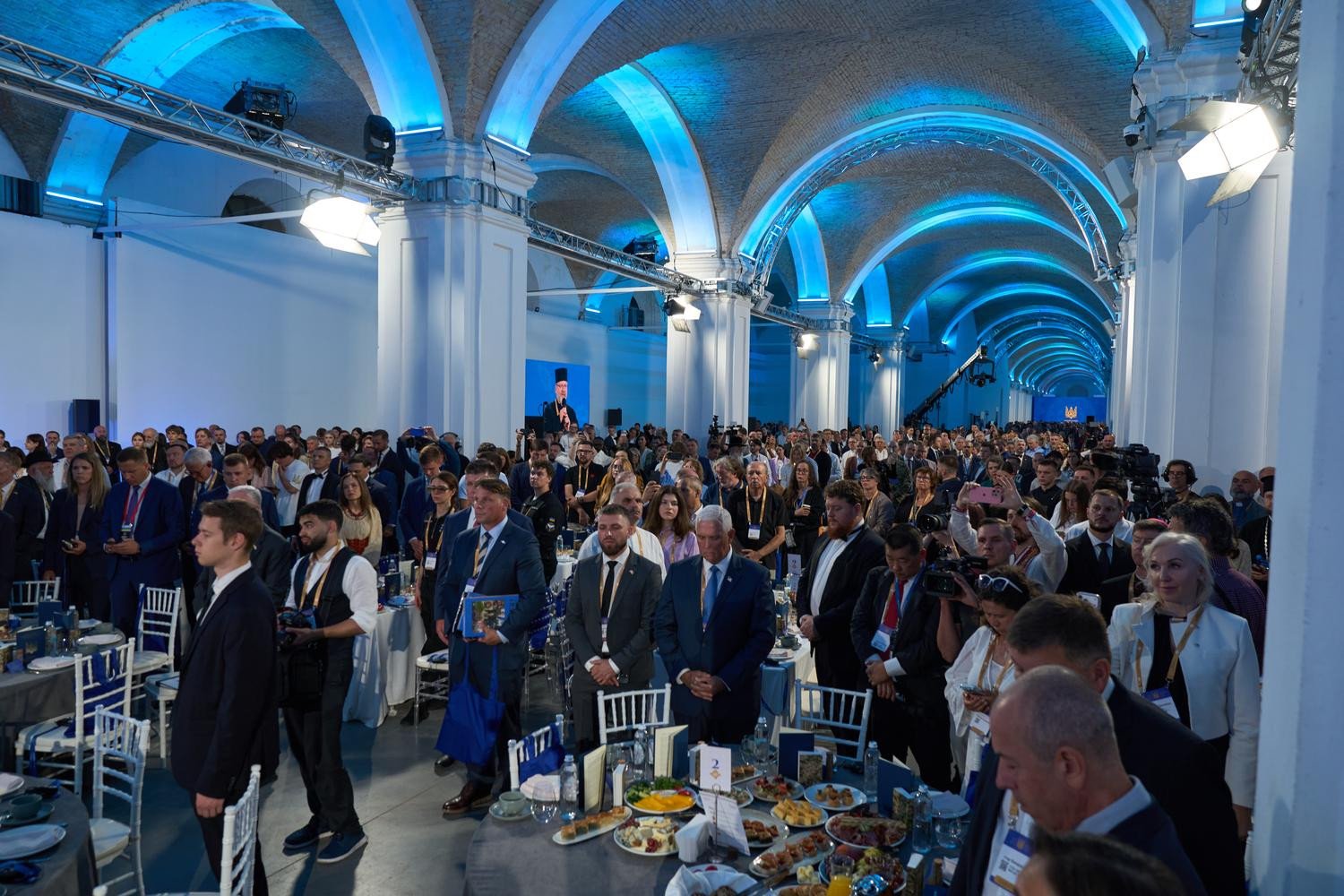
On the eve of Ukraine’s 35th Independence Day, religious leaders, military personnel, chaplains, government officials, and international guests gathered in Kyiv for the National Prayer Breakfast of Ukraine.
We bring you stories from the ground. Your support keeps our team in the field.
Held under the patronage of President Volodymyr Zelenskyy, the annual interfaith gathering is intended as a space for prayer and dialogue around peace, unity, justice, freedom, and responsibility. This year also carries particular symbolism: Ukraine is marking 35 years of independence and the collapse of the Soviet system, which for decades imposed state atheism and persecuted religious communities.
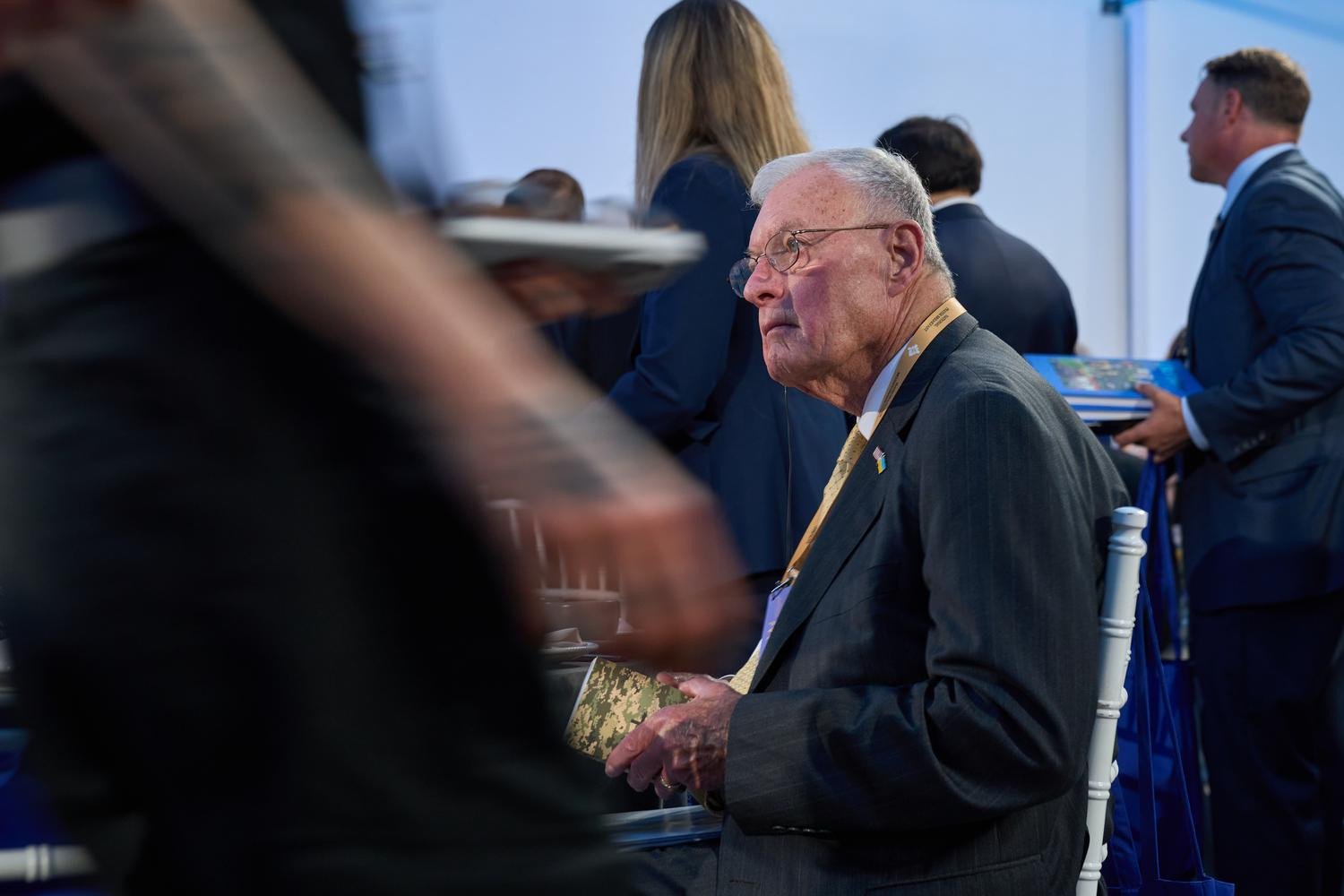
Former US Vice President Mike Pence and retired Lieutenant General Keith Kellogg were among the international guests attending this year’s gathering.
But amid Russia’s continuing war, the conversations extended far beyond religion in the abstract. Speakers and guests reflected on life under missile and drone attacks, religious persecution in Russian-occupied territories, the meaning of a just peace, and the role faith plays for those living through war firsthand.
UNITED24 Media attended the National Prayer Breakfast and spoke with participants about why they came—and what they were praying for.
“This atmosphere is a phenomenon”
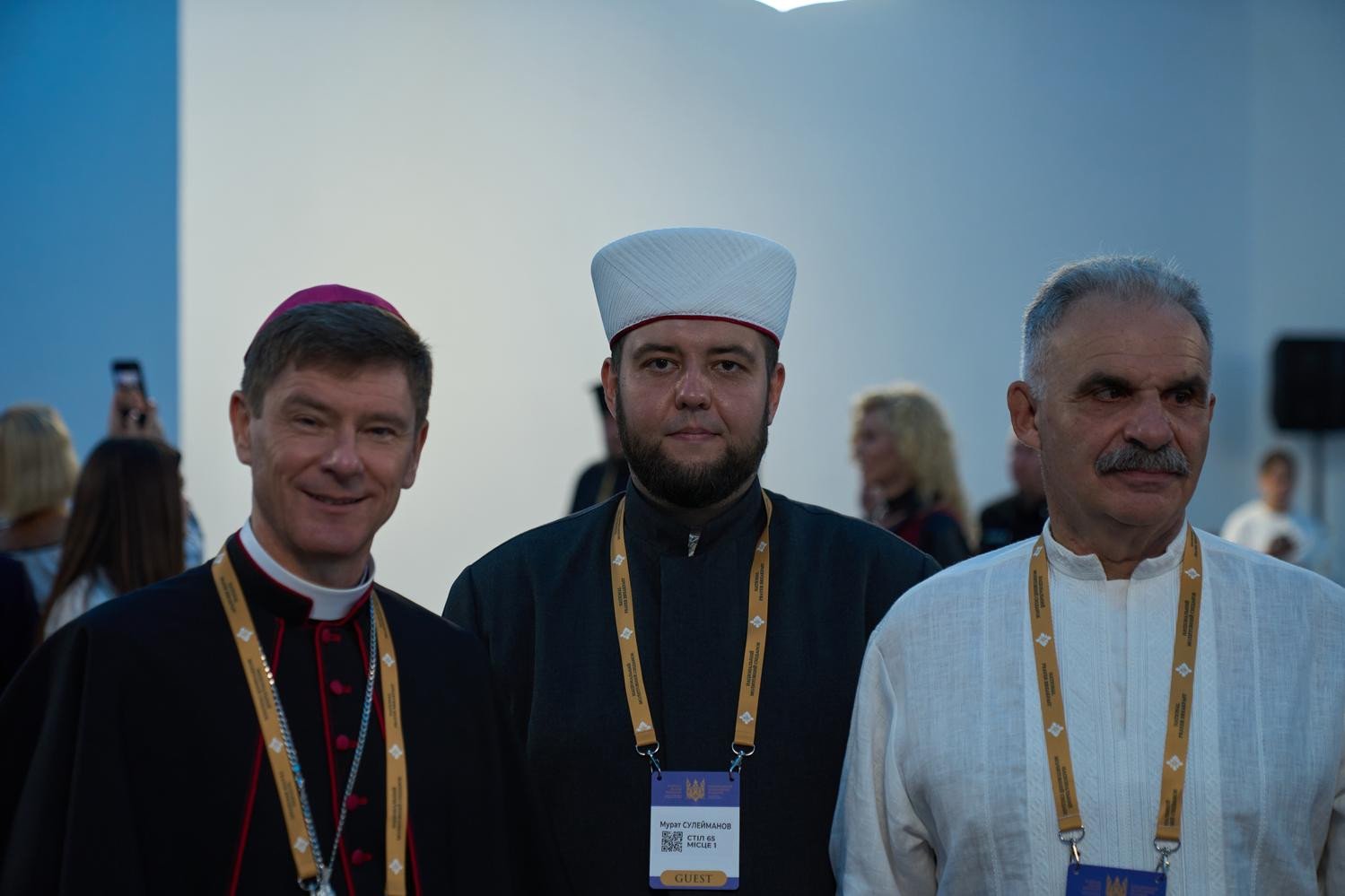
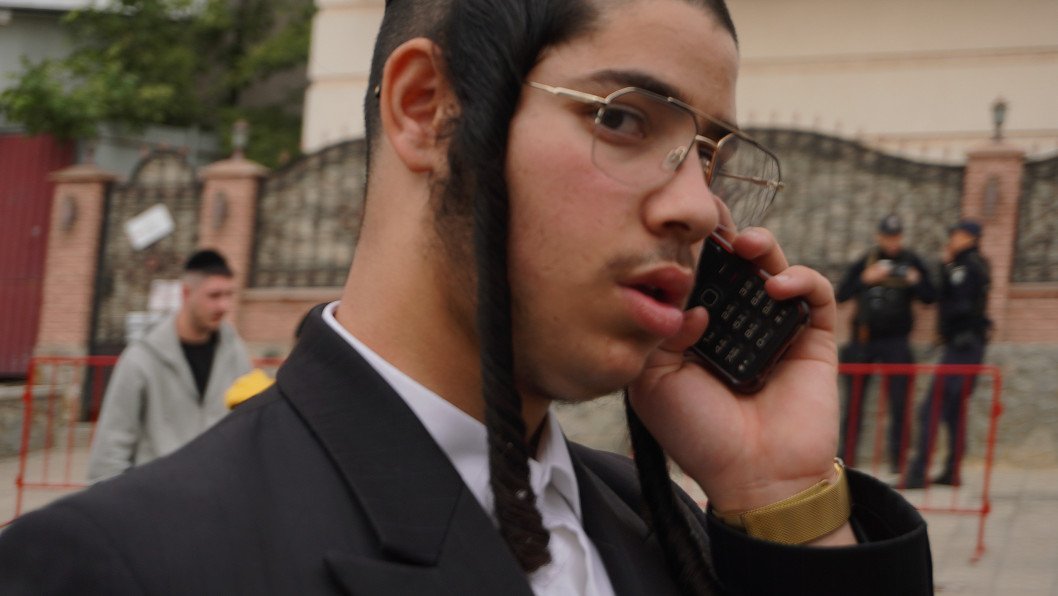
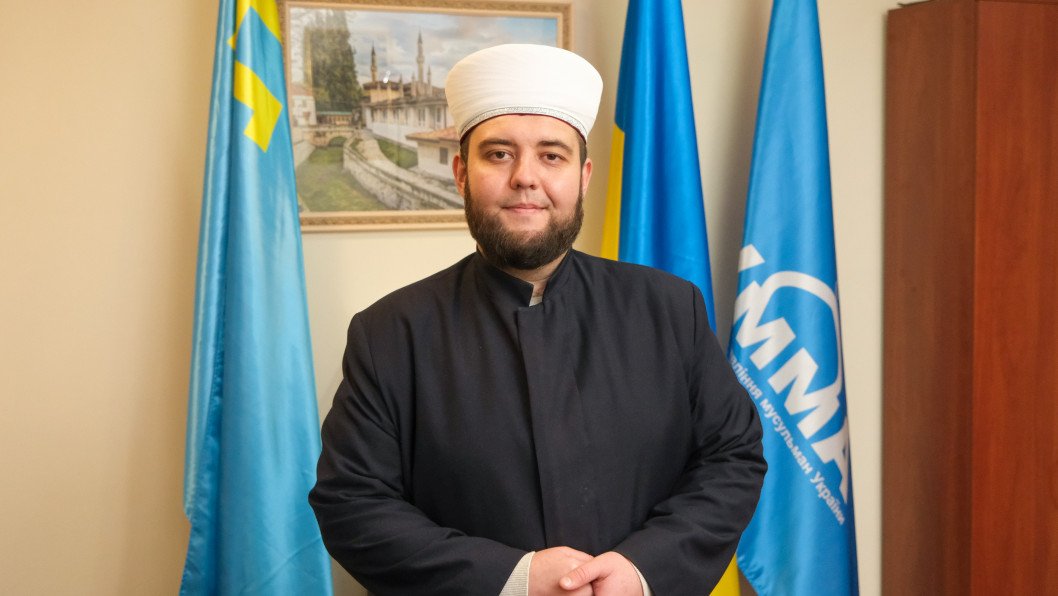
For Murat Suleimanov, Mufti of the Spiritual Administration of Muslims of Ukraine “Umma,” the significance of the gathering lay in the diversity of the people in the room.
Ukraine’s ability to bring different faiths together, he said, has itself become a source of strength during the war.
Ukraine has united representatives of different ethnicities and faiths. That is our strength. If we know how to reach agreement and help one another, no enemy will be able to defeat us.
Murat Suleimanov
Mufti of the Spiritual Administration of Muslims of Ukraine “Umma”
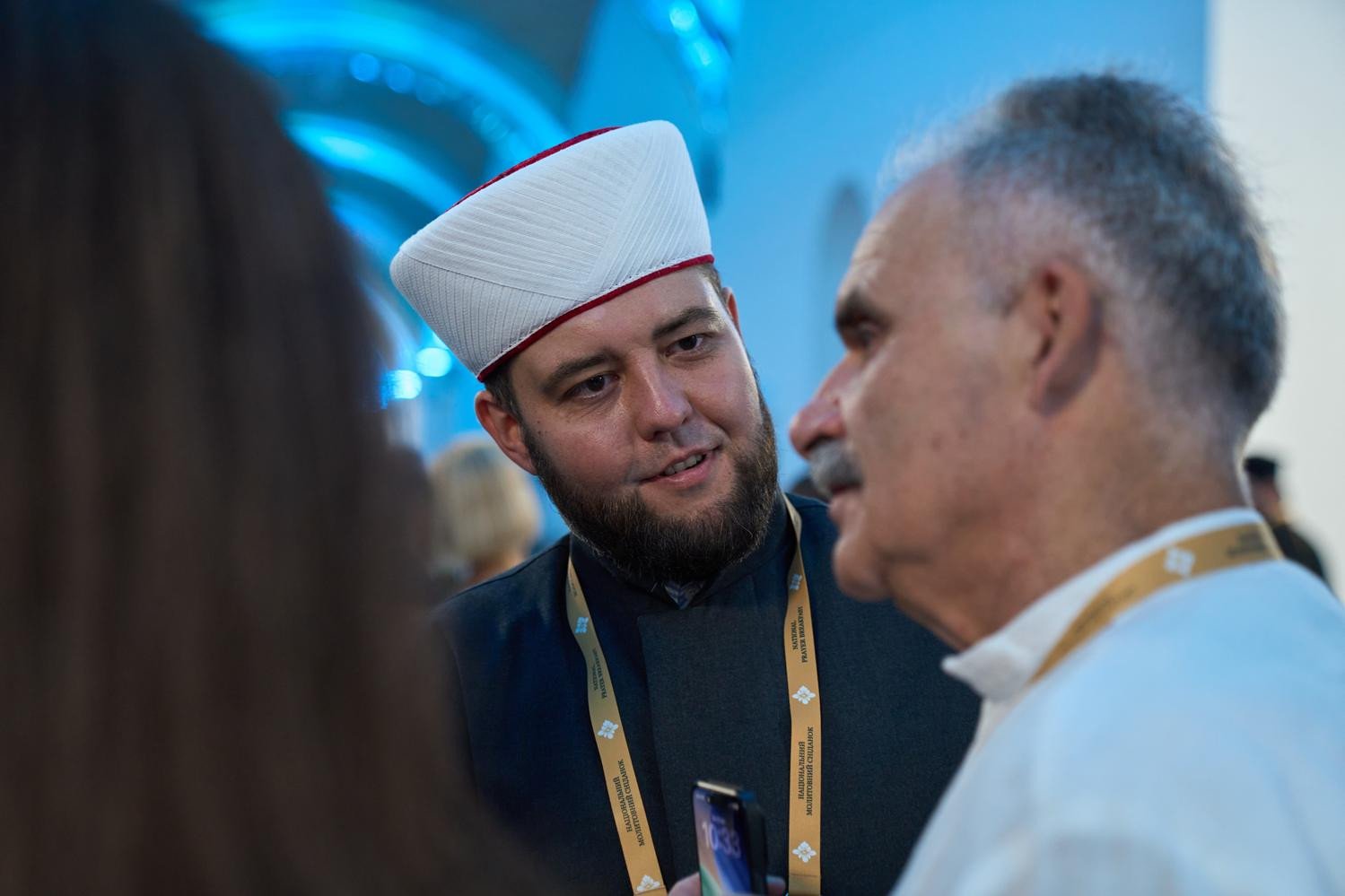
Suleimanov said the cooperation he sees among Ukraine’s religious communities continues to surprise colleagues abroad.
This atmosphere is a phenomenon. You have a priest, a mufti, a rabbi, and others together, working for peace and for Ukraine’s victory.
Murat Suleimanov
Mufti of the Spiritual Administration of Muslims of Ukraine “Umma”
Faith, he added, has also shaped his own response to the war—not as a reason to withdraw from events around him, but as an impetus to act.
Now there are so many trials. Faith helps me not to sit and complain, but to do even more good.
Murat Suleimanov
Mufti of the Spiritual Administration of Muslims of Ukraine “Umma”
“I believe in God more there than I do here”
For Yakov Syniakov, head of the chaplaincy service of the 7th Rapid Response Corps of Ukraine’s Air Assault Forces, questions of faith are inseparable from the battlefield.
Syniakov is the first and currently only Jewish military chaplain serving as an officer in the Armed Forces of Ukraine. He described religious differences as secondary to the values that hold a society together.
We have to find the things that unite us, not divide us. Whether someone belongs to a Christian denomination, is Jewish, Hindu, Buddhist—it does not change the fact that they should be a good person.
Yakov Syniakov
Head of the chaplaincy service of the 7th Rapid Response Corps of Ukraine’s Air Assault Forces
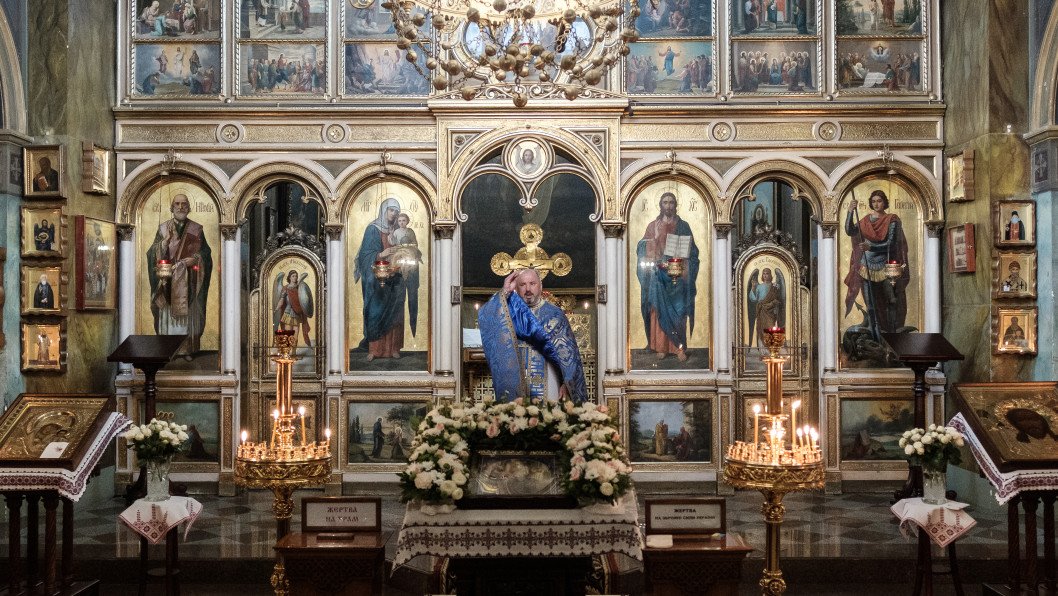
His most personal answer came when he was asked whether faith had helped him overcome difficult times in his life.
I’m a military chaplain. I’m a combat veteran. I’m not on the front line now, but I’m close. We run from drones, from everything flying at us. Maybe it sounds like a joke, but I believe in God more there than I do here.
Yakov Syniakov
Head of the chaplaincy service of the 7th Rapid Response Corps of Ukraine’s Air Assault Forces
Syniakov has experienced war at its most intimate.
Explosions have gone off near me. I’ve saved people. People have died in my arms. I cried like a child. There’s nothing wrong with that. If I didn’t have faith, I wouldn’t know how to go on.
Yakov Syniakov
Head of the chaplaincy service of the 7th Rapid Response Corps of Ukraine’s Air Assault Forces
“I thought I would be writing about rebuilding”
The gathering also brought international visitors to Kyiv at a moment when Russia continues its large-scale attacks on Ukrainian cities.
Jill Nelson, Christianity Today’s Ukraine and Israel correspondent, has covered Ukraine since 2014.
For her, returning to Kyiv meant confronting the distance between what she once expected Ukraine’s future to look like and where the country finds itself in 2026.
I did not think that in 2026 I would be continuing to cover a full-scale invasion that’s four and a half years in. I thought that I would be covering stories of rebuilding, stories of rehabilitation, and instead we’re at the place we’re at right now.
Jill Nelson
Christianity Today’s Ukraine and Israel correspondent
Nelson described a Kyiv where ordinary life and the reality of war exist side by side: crowded parks and restaurants, weddings and children alongside nightly air raid alerts and fear of Russian strikes.
There’s both resilience here, but there is a need to protect the people of Ukraine, and I would love for the world to see and understand that.
Jill Nelson
Christianity Today’s Ukraine and Israel correspondent
Asked what she was praying for, Nelson’s answer was also practical.
I am praying that Ukraine receives the Patriot interceptors that it needs to protect its population. I’m praying for a just end to this war—one that takes into consideration the long-term security needs of this country.
Jill Nelson
Christianity Today’s Ukraine and Israel correspondent
Faith under Russian occupation
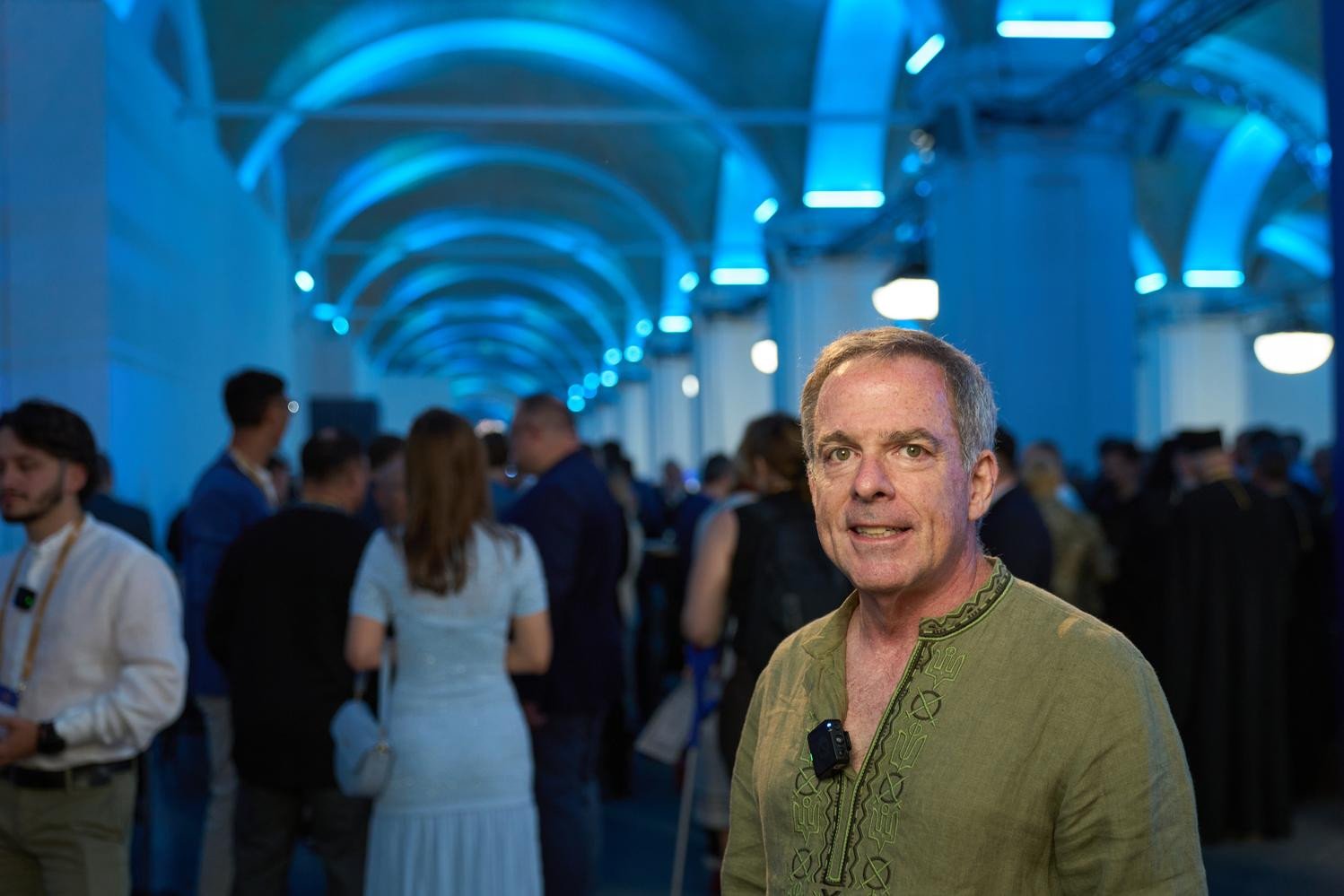
For Steven Moore, founder of the Ukraine Freedom Project and a former Republican congressional chief of staff, the event also offered an opportunity to challenge the image Russia projects to religious conservatives abroad.
Putin will tell you that he’s a great Christian. Putin will lead you to believe that he is a defender of Christendom and a very holy man, and it’s utter nonsense.
Steven Moore
Founder of the Ukraine Freedom Project
Moore argued that international Christians should see for themselves what Russia’s war has meant for religious communities in Ukraine.
That broader pattern has been documented by the US Commission on International Religious Freedom, which says Russian authorities in occupied Ukrainian territories have banned religious groups, seized places of worship, detained religious leaders and imposed Russia’s restrictive religious laws.
USCIRF’s 2026 annual report said at least 47 Christian religious leaders had been killed and at least 700 houses of worship and other religious sites damaged or destroyed since the full-scale invasion.
For Moore, that makes religious freedom part of what is at stake in the war.
Ukraine is fighting for freedom. Ukraine is fighting for its life.
Steven Moore
Founder of the Ukraine Freedom Project
Praying for a peace that is “secure” and “stable”
John Herbst, senior director of the Atlantic Council’s Eurasia Center and a former US ambassador to Ukraine, described the breakfast itself as an expression of Ukraine’s religious pluralism.
It demonstrates the tolerance of Ukrainian society. It’s all religions.
John Herbst
Senior director of the Atlantic Council’s Eurasia Center
But when asked what he was praying for, Herbst returned to the question hanging over nearly every discussion about Ukraine: what peace would actually mean.
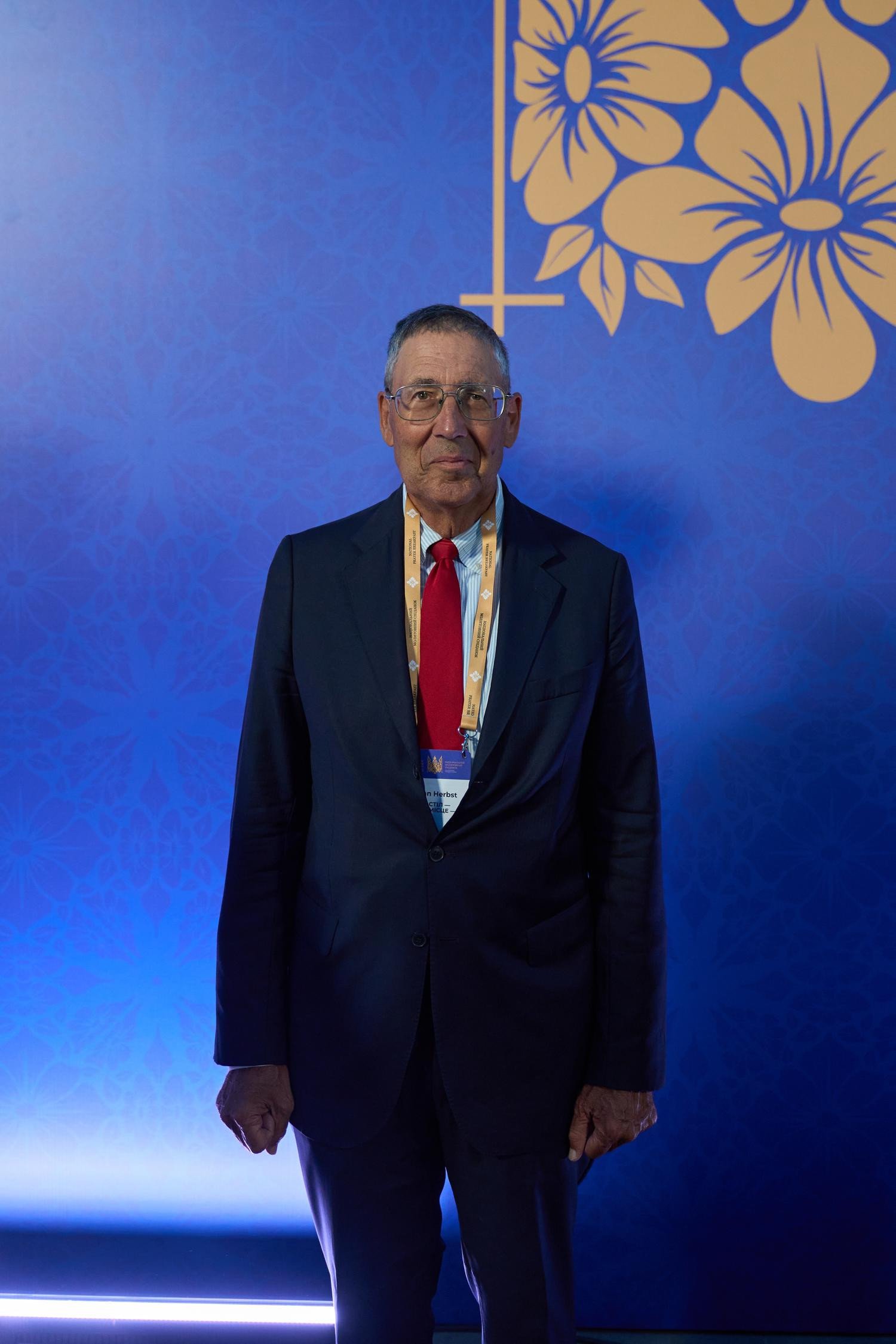
I pray for an independent, strong, secure Ukraine, and I look forward to the day that Moscow ends its aggression in Ukraine and a secure peace, a stable peace, is established.
John Herbst
Senior director of the Atlantic Council’s Eurasia Center
Herbst said that achieving it would require greater material support from Ukraine’s partners, particularly air defense.
There are not enough supplies of anti-ballistic missile batteries and interceptors, and the US needs to produce a lot more.
John Herbst
Senior director of the Atlantic Council’s Eurasia Center
“Prayer is important, action is important”
Ken Isaacs, vice president of programs and government relations at the Christian humanitarian organization Samaritan’s Purse, first came to Ukraine on February 24, 2022, and spent much of the following year in the country.
He said returning for the National Prayer Breakfast was partly about maintaining international attention on a war that has become easier for those outside Ukraine to look away from.
Ukraine needs to have greater visibility in the world. What’s going on here? What is continuing to go on here? Ukraine is on a front line, and in many ways it’s a front line for Europe.
Ken Isaacs
Vice President of Programs and Government Relations at the Christian humanitarian organization Samaritan’s Purse
For Isaacs, the language of peace does not mean denying Ukraine the right to defend itself.
As Christians, we’re called to justice. We’re called to peace. But that doesn’t mean that you don’t push back, you don’t fight back, you don’t protect yourself, you don’t defend yourself.
Ken Isaacs
Vice President of Programs and Government Relations at the Christian humanitarian organization Samaritan’s Purse
And while hundreds gathered in Kyiv to pray, he said faith cannot end there.
I think prayer is important, but I also think action is important.
Ken Isaacs
Vice President of Programs and Government Relations at the Christian humanitarian organization Samaritan’s Purse
For those gathered in Kyiv, prayer was not an escape from the reality of war, but another way of confronting it.
If I didn’t have faith, I wouldn’t know how to go on.
Yakov Syniakov
Head of the chaplaincy service of the 7th Rapid Response Corps of Ukraine’s Air Assault Forces
Discuss this article:

-4c422f6574674b417eac2384290103ac.jpg "Russia Left This Ukrainian Village 90% Mined. Here’s What Life There Looks Like Now")

-3a853f88a4a74bc05cf023d26995450c.jpg "Art Goes Underground in Zaporizhzhia as GOGOLFEST Returns 30 Km From Frontline")
-73e9c0fd8873a094288a7552f3ac2ab4.jpg "Photo of Olena Blizniakova")