- Category
- Life in Ukraine
“Nobody Wants a Victim”: The Man Behind DakhaBrakha on Reimagining Ukrainian Art
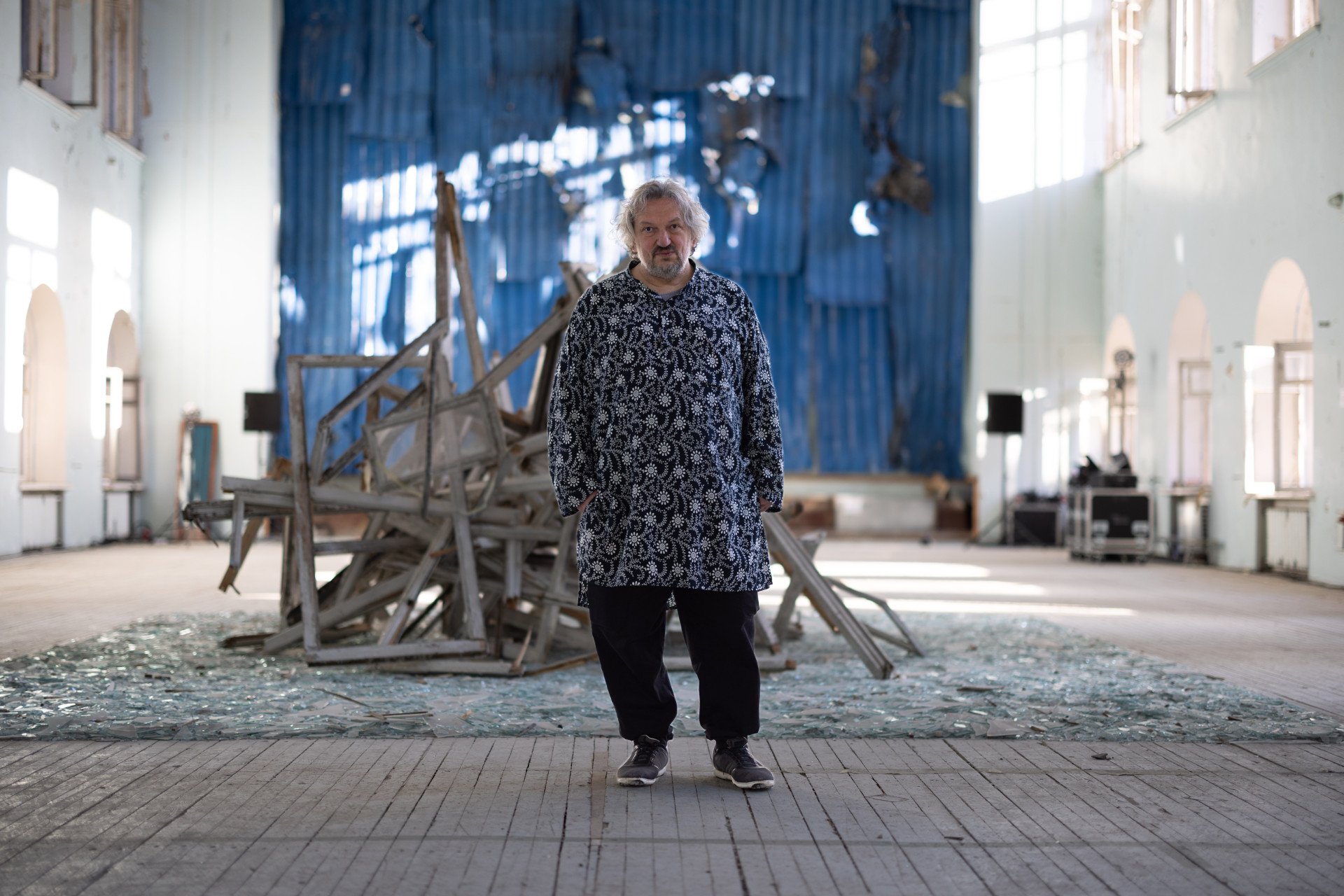
Inside Kyiv’s October Palace, steps from where 48 protesters were fatally shot during the Maidan Revolution, theatre director Vladyslav Troitskyi is confronting a crucial cultural conundrum. Confronting international institutions that reduce Ukraine to a stage for war and tragedy, the GogolFest founder lays out a radical strategy to position the country’s avant-garde art scene on its own terms.
 Prefer U24 Media on Google
- Authors

-554f0711f15a880af68b2550a739eee4.jpg "Photo of Lucile Brizard")
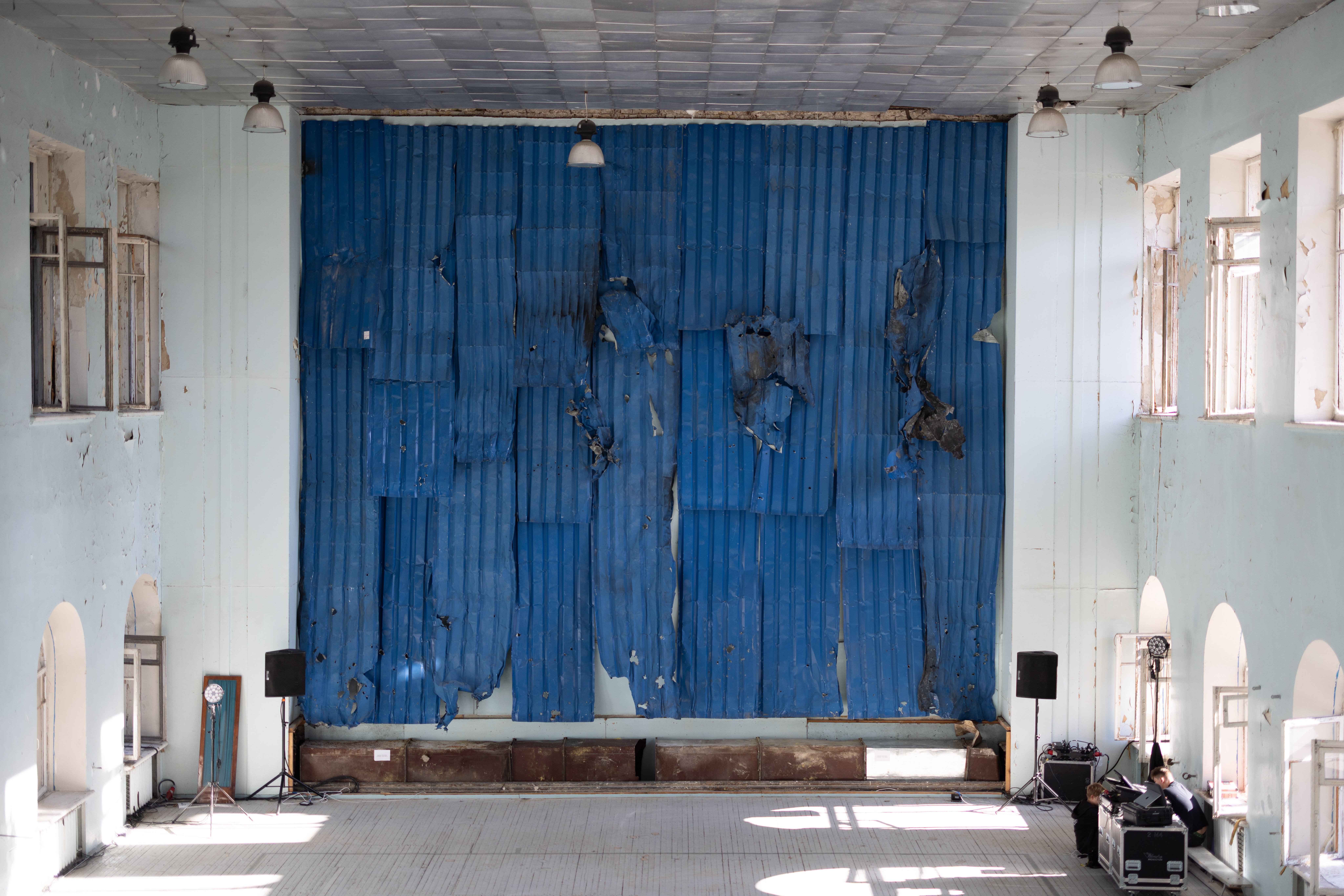
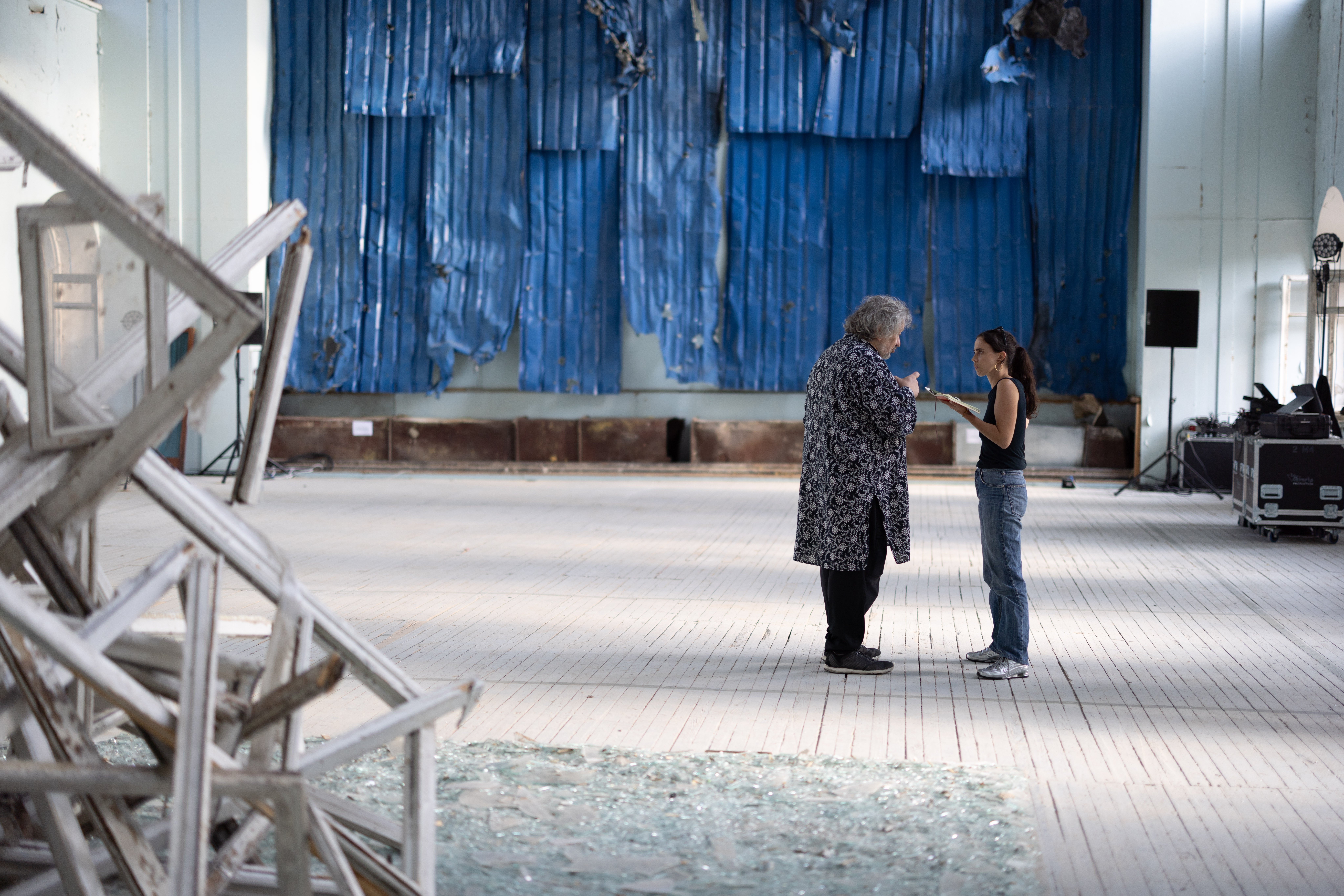
If you were to walk up Instytutska Street in central Kyiv, where 48 protesters were fatally shot during the Maidan revolution, and turn left, you would arrive at the October Palace. On this occasion, a pared-down version of the annual GogolFest, created by Vladyslav Troitskyi, was taking place.
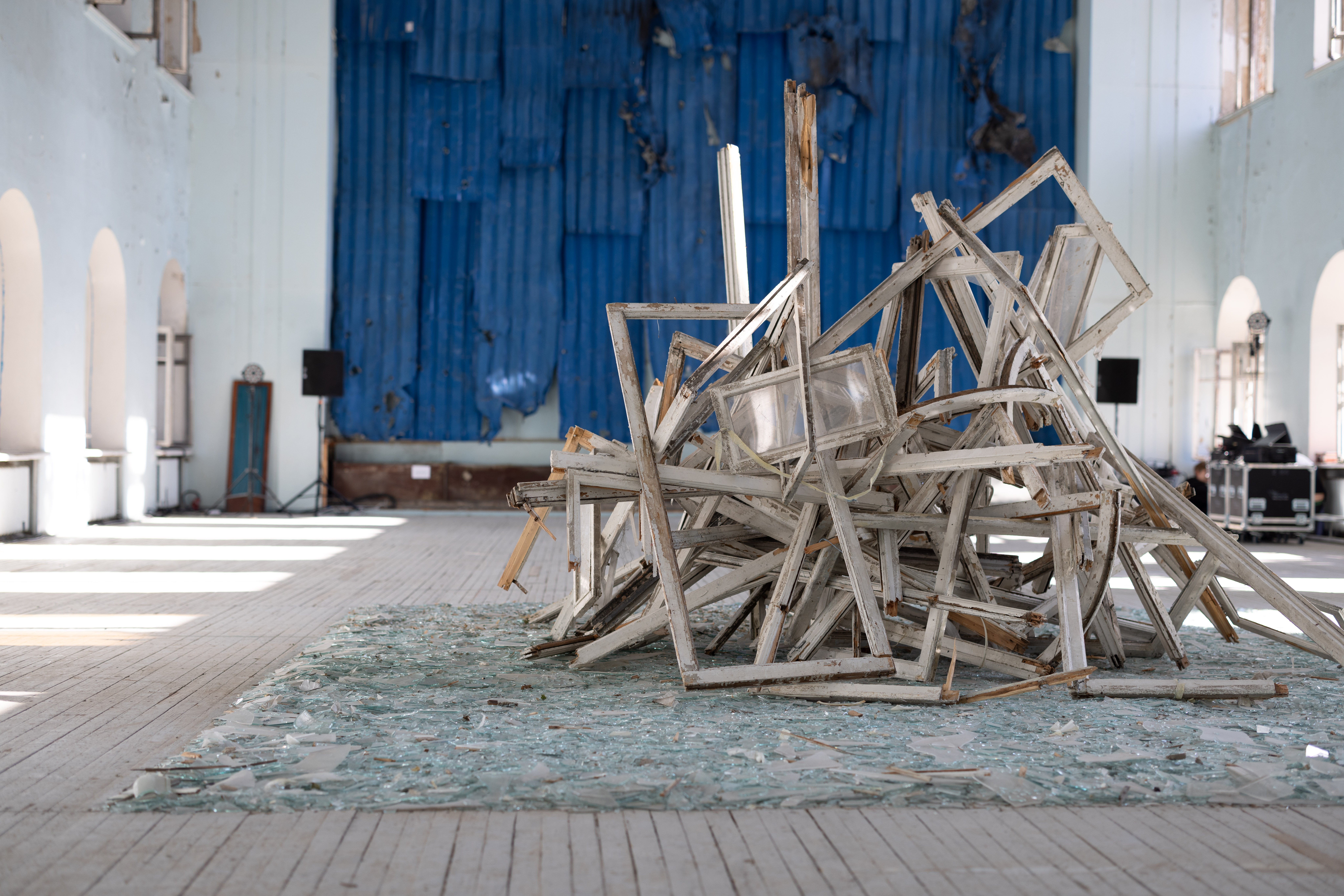
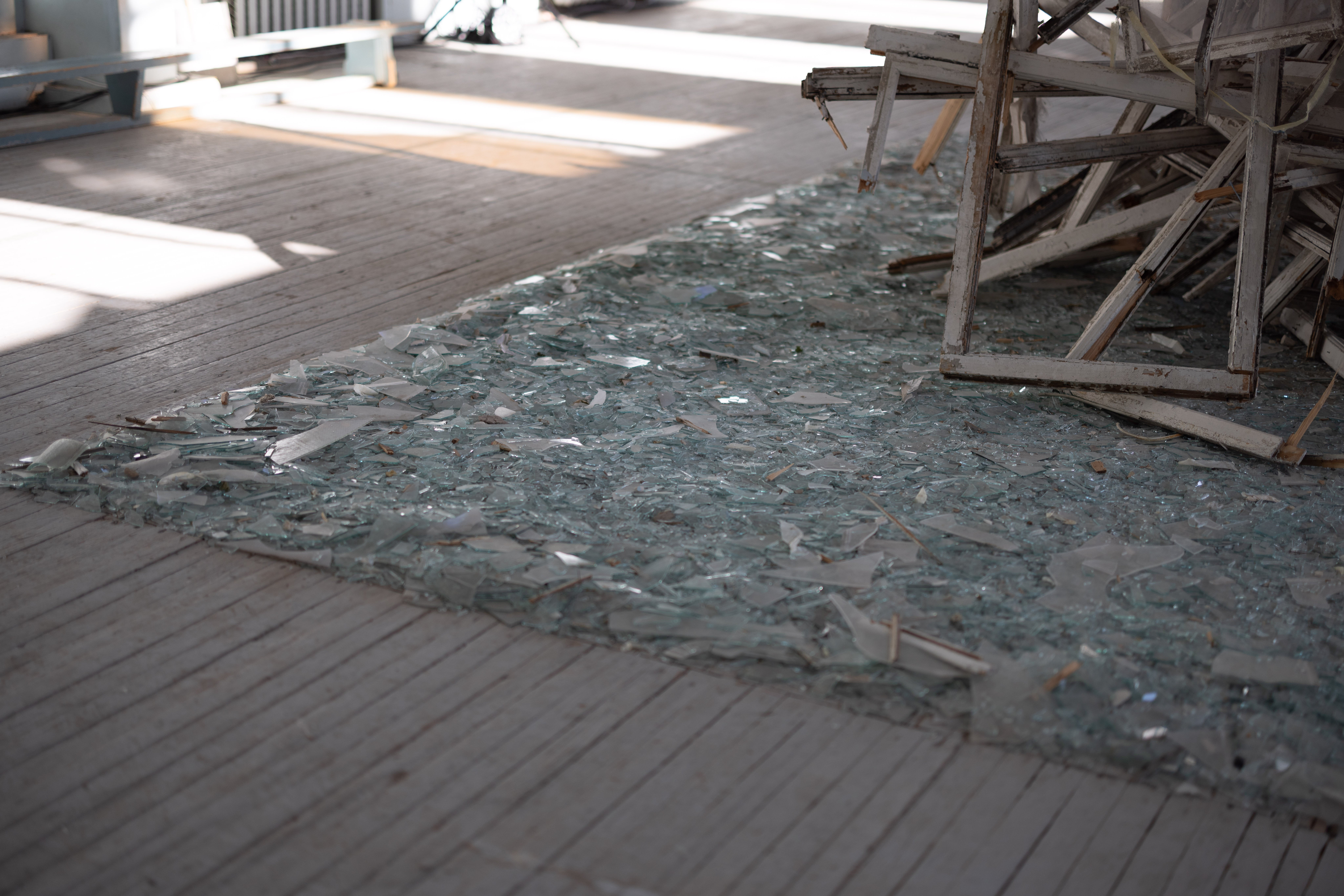
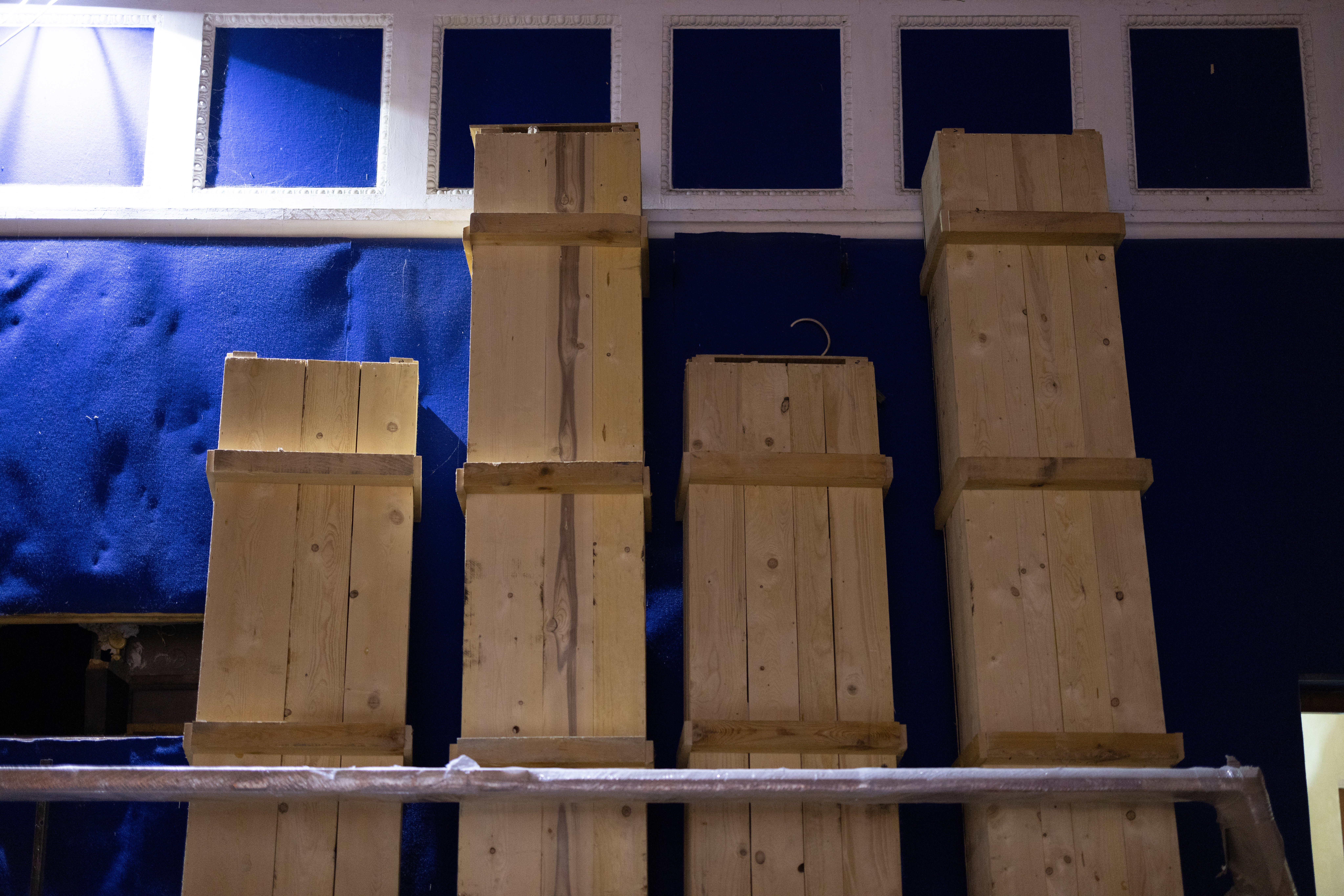
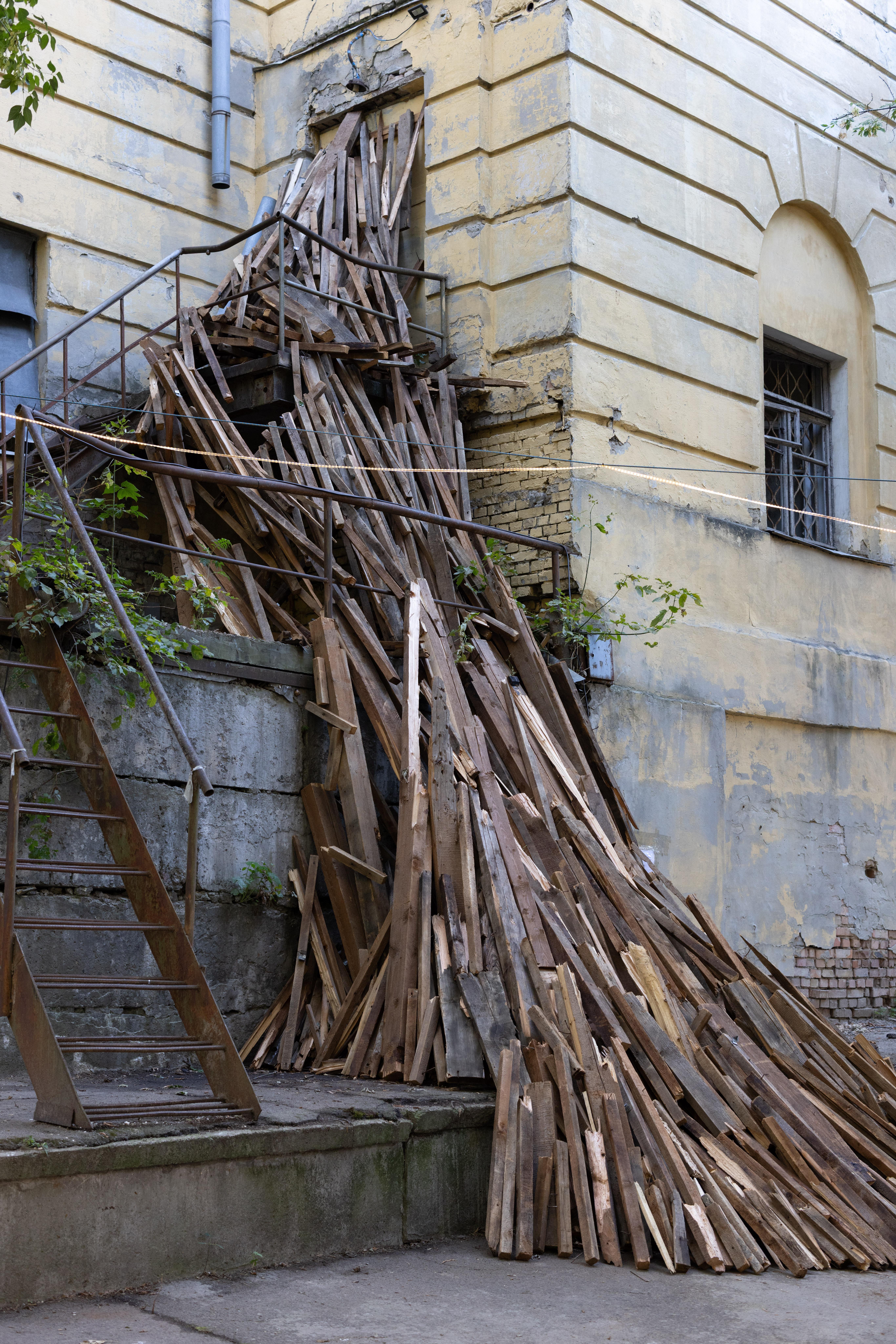
In the center of the main hall of the palace—a huge, sunlit rehearsal space painted robin’s egg blue—stood a mangled wooden formation, an installation imagined by Troitskyi. Amplified over speakers was the crunching sound of people walking on glass, cleverly triggered by hidden microphones recording onlookers' footsteps.
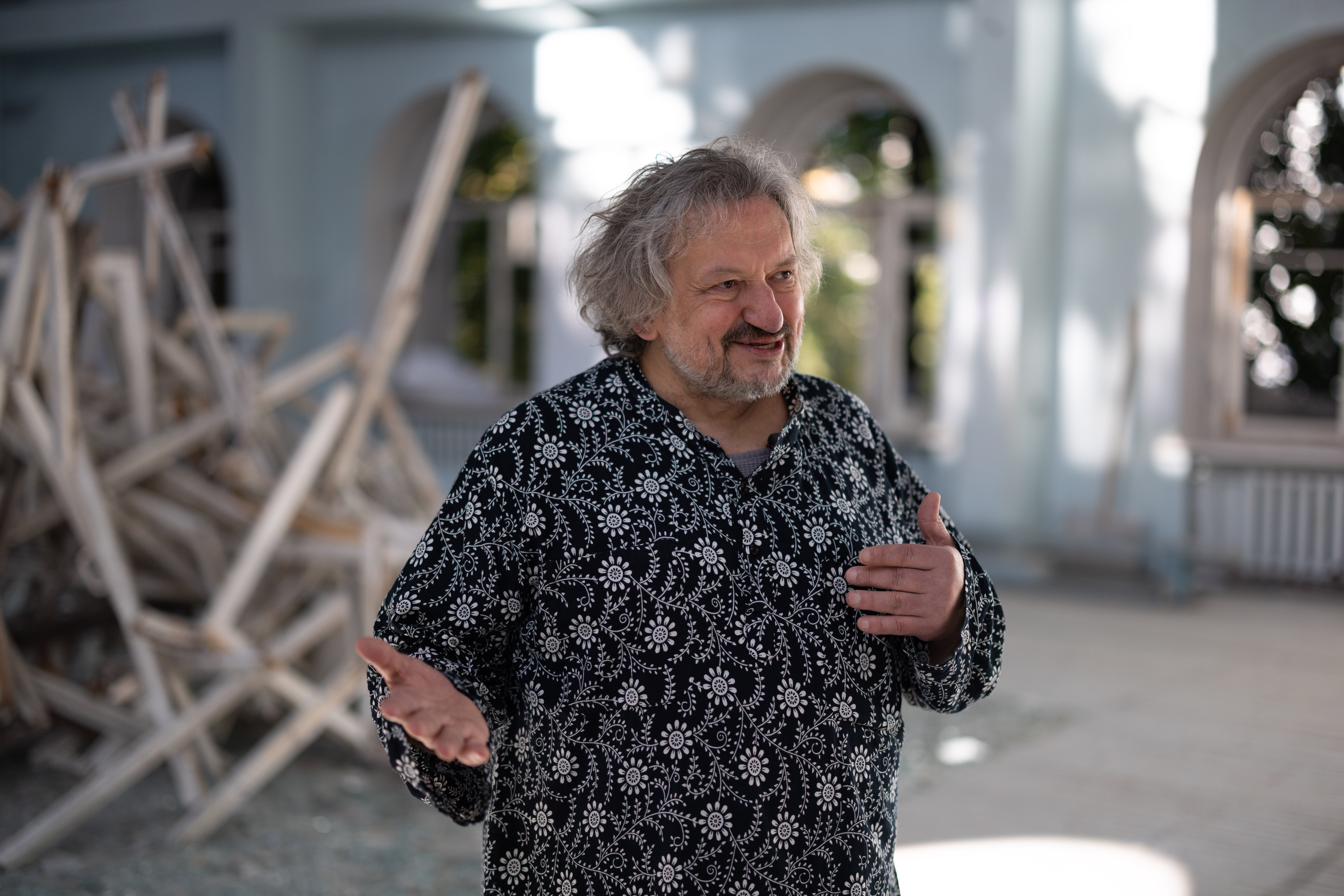
Troitskyi, who seems to tower over the audience, is charming and engaged. His large figure dominates, clad in an Indian Kurta, a light cotton shirt that stops at the knee. The theatre director holds a lucid, unvarnished view of Ukraine’s current cultural conundrum.
Unintentionally or not, global institutions are often inclined to view Ukraine only through the lens of war and upheaval, and frame its art scene through tragedy. Troitskyi believes that such optics don’t do justice to the vital, cutting-edge contemporary scene within the country.
"Nobody wants a victim," Troitskyi says with characteristic sharpness. "People want heroes."
You’ve argued that the modern myth of Ukraine hasn’t truly been established on the world stage yet. What do you mean by that, and how do we begin to build it?
Vlad Troitskyi: When I ask people abroad what they know about Ukraine, they know about the war. They know we are defending our territory. But why we resist so fiercely against Russia—that, people rarely understand. Many in the West still harbor romantic, anti-colonial sentiments toward the Soviet Union, failing to see that it was fundamentally an imperial construct. Trying to debate this purely on political terms often gets us nowhere.
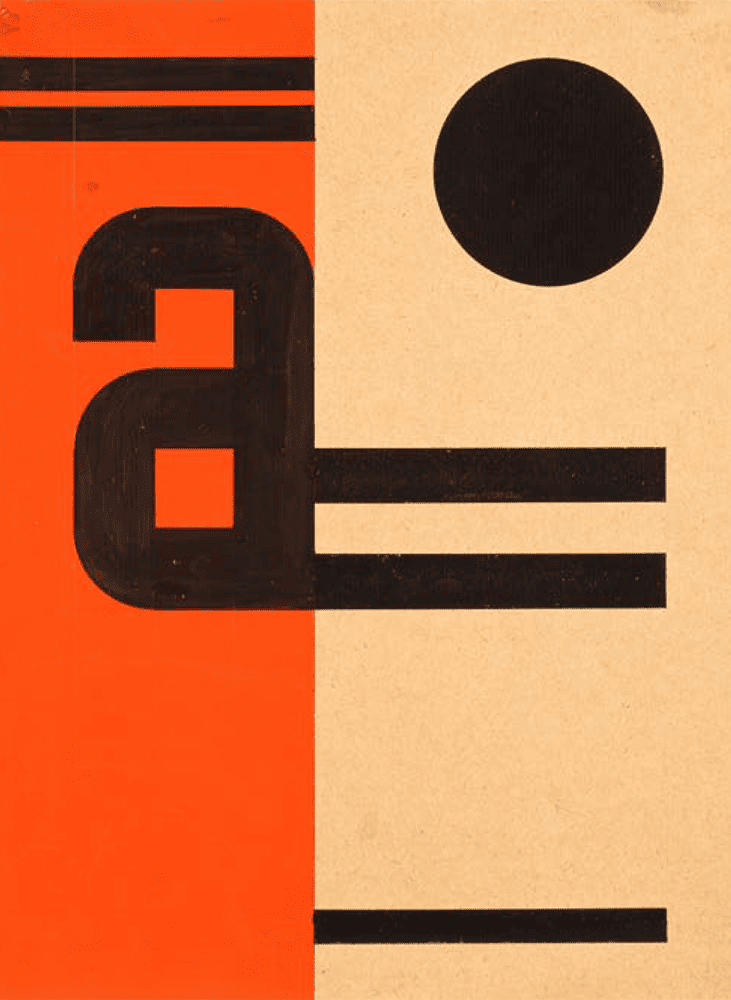
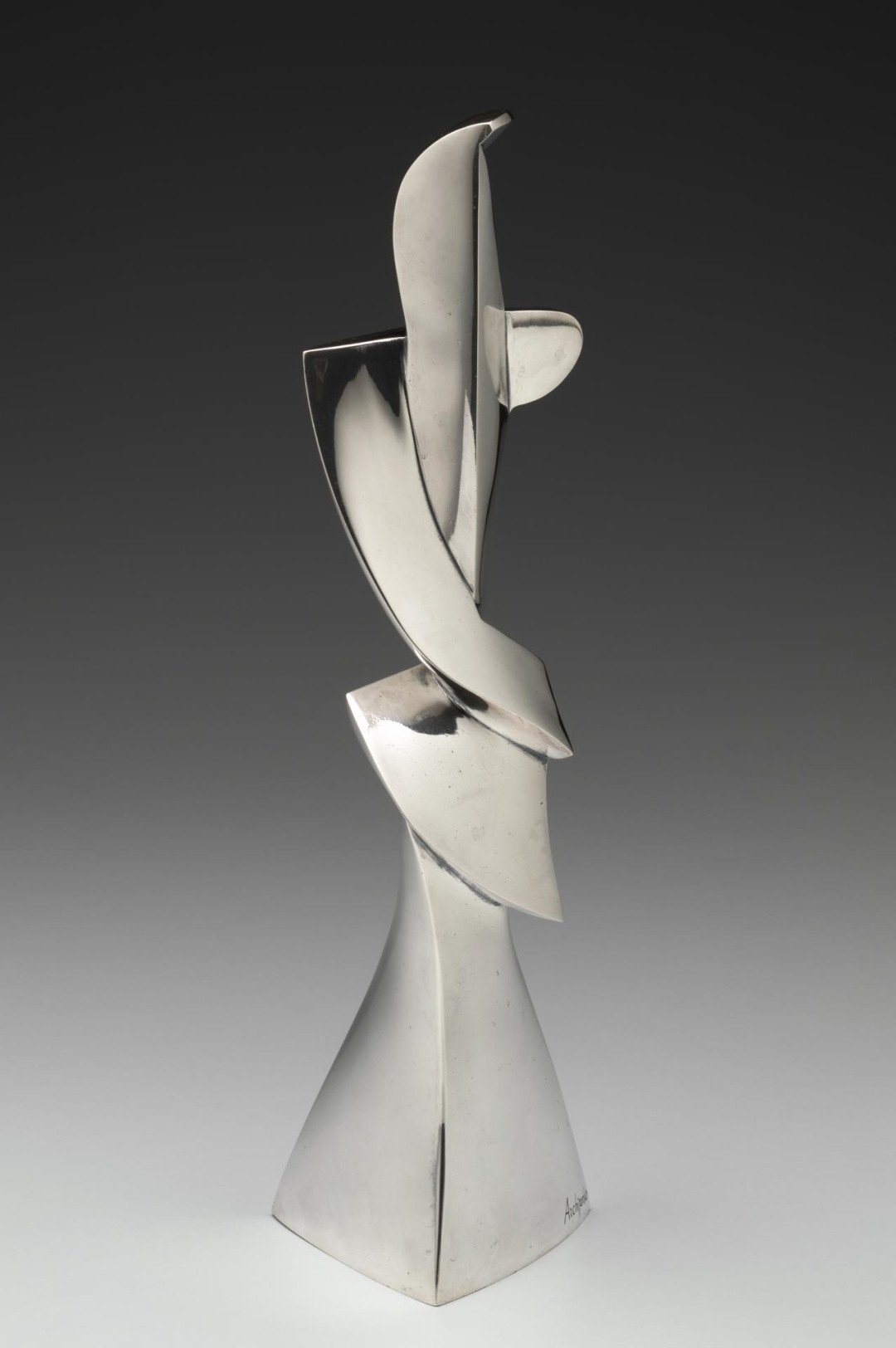
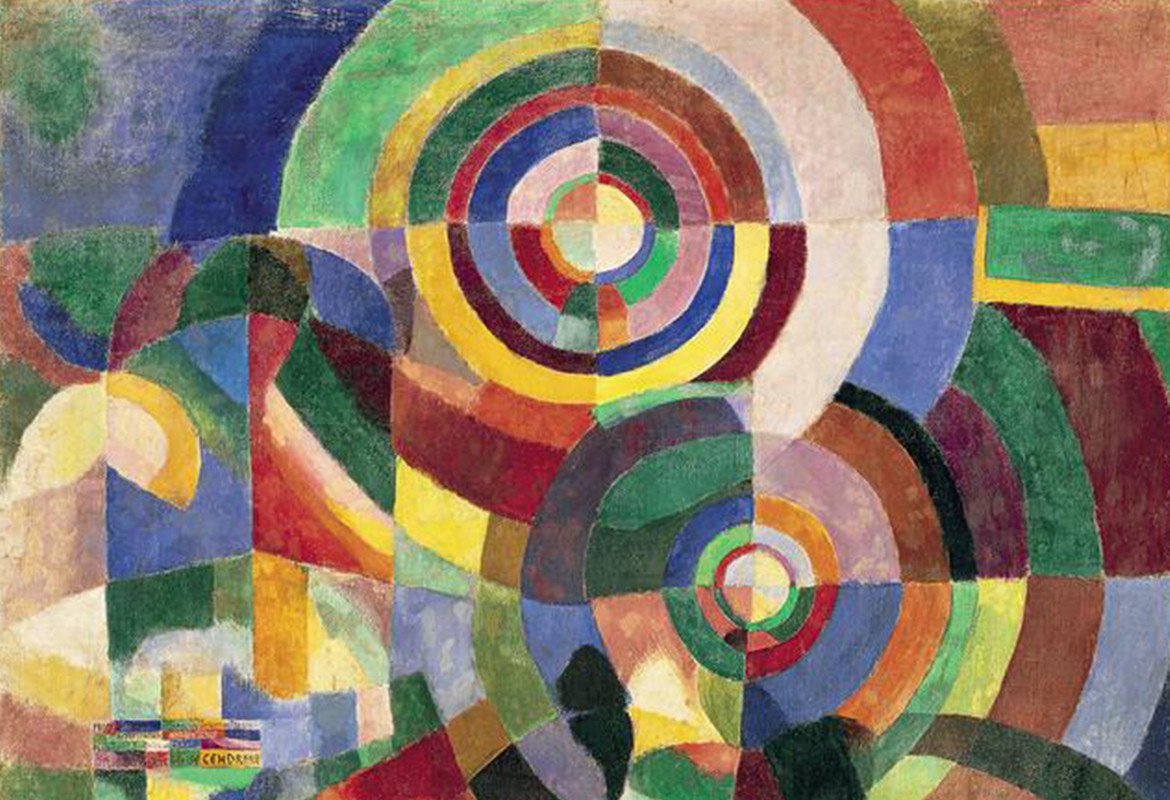
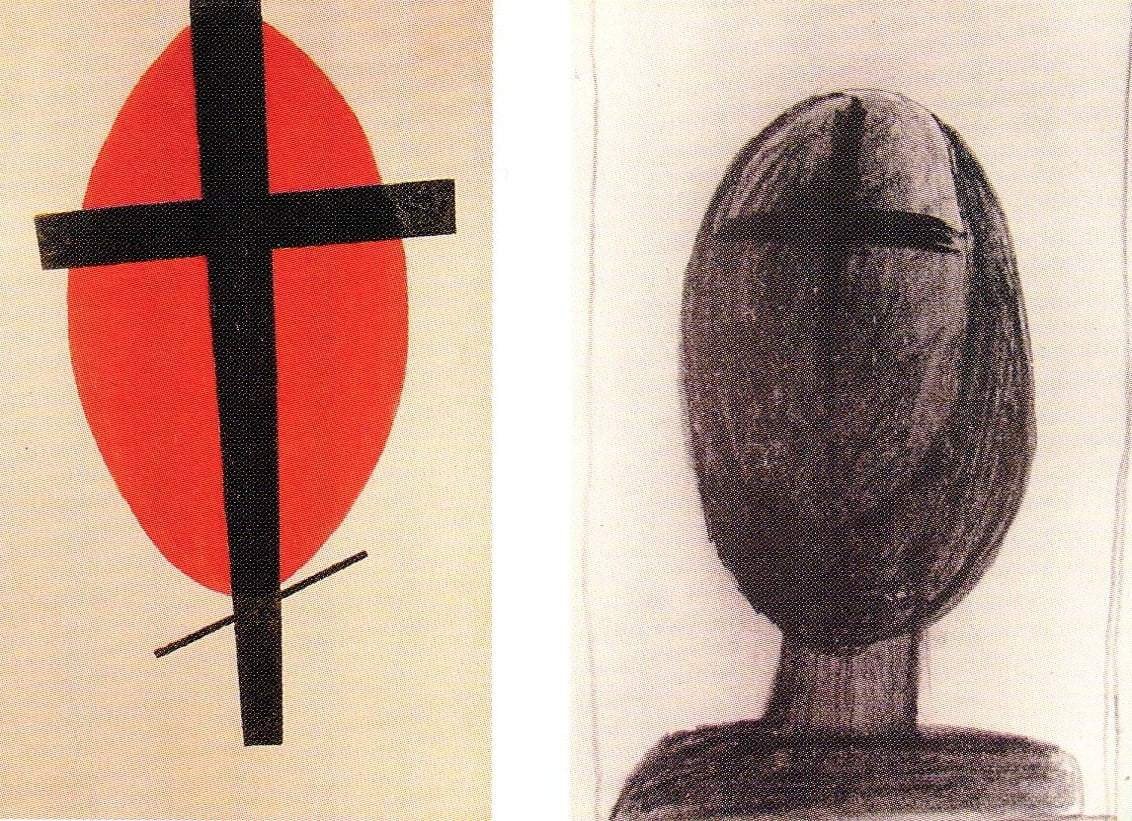
That is why we must present the world with a new mythos of Ukraine. We have a vast history, brilliant 20th-century avant-garde creators, fabulous contemporary artists, playwrights, and composers. We have to open this world up. But our strategy has to be about cultivation, not just isolated events.
Cultivation in what sense?
Vlad Troitskyi: Right now, global representation of Ukrainian culture is event-driven. You might see a fabulous concert by Dakh Daughters or DakhaBrakha , but a week later, the audience forgets. The modern mind has a very short memory.
Cultivation is like agriculture. When you plant grain in the soil, you have to understand the ground. You have to water it, protect it, harvest it, and ensure that next year someone continues the work. We need a systemic strategy. We cannot just show up through the context of war; we have to establish Ukrainian artists as essential fixtures of global culture, period.
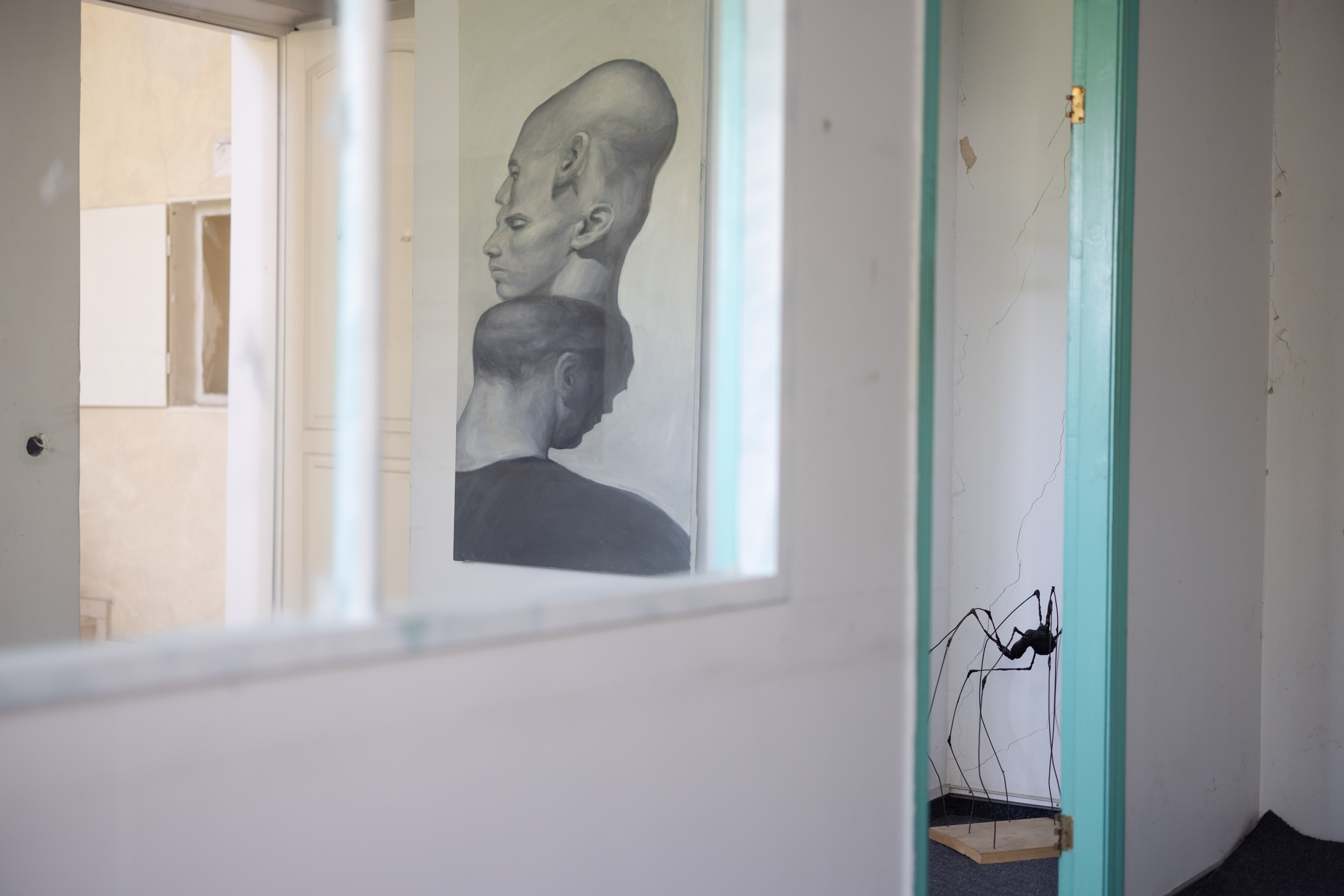
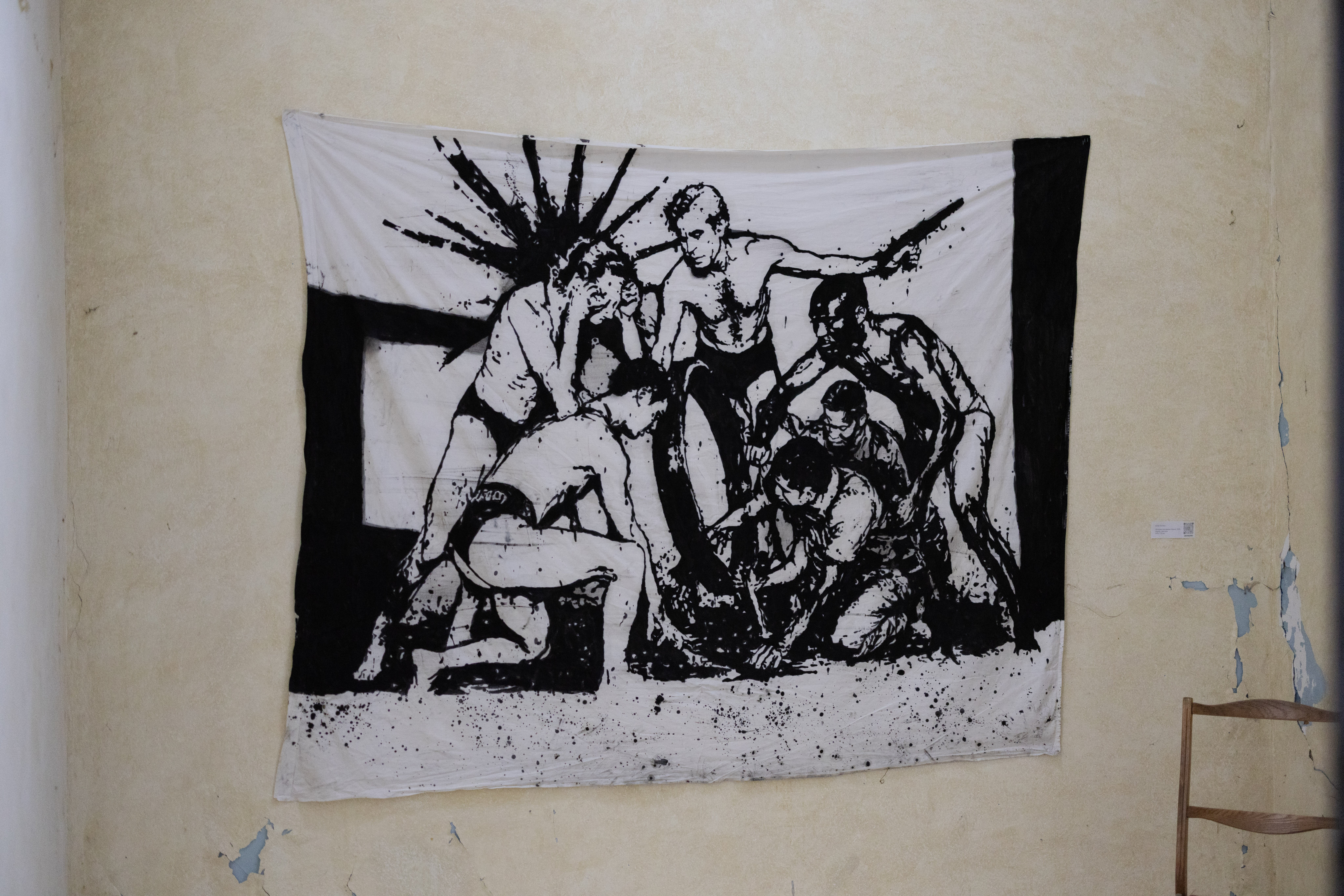
How do we shift that narrative in practice? How do you concretely project an image of heroism when the media and global institutions constantly try to apply the label of "victim"?
Vlad Troitskyi: You see, for example, this festival is a hymn to the hero. Because it seems impossible—everything about it is impossible. For example, do you think it would be possible to do this kind of event in France?
I think the space would be too expensive, and then there are all the security regulations... it would be impossible.
Vlad Troitskyi: Exactly. But in Kyiv, despite the danger, we did it. That is an act of life and heroism.
Culture is an instrument of cognitive war. Western curators often tell me, "Culture and politics should be separate." That is nonsense. If you touch someone’s heart and mind, if you influence an audience, you change how they see reality. That is politics. The question is: do you have the courage to take responsibility for that influence?
How do you take that message to audiences who feel distant from the war against Ukraine—like the Global South, where Soviet nostalgia remains strong?
Vlad Troitskyi: By building authentic bridges. Last April, we brought an initiative to Johannesburg, South Africa. I invited local street dancers, and together we created a performance exploring the mechanics of resistance.
In Africa or Latin America, there is historically a deep sentiment toward Russia as a historic leader of anti-colonial movements. But when we drew parallels between the realities of Apartheid 40 years ago and what Ukraine faces today—focusing on how children and teenagers experience occupation and resistance—the connection clicked immediately. It’s no longer abstract. We are taking this performance to the Market Theatre in Johannesburg, followed by tours across Africa, Europe, and the US.
You mentioned that this isn't just a conventional war, but a cognitive one. How does art combat the rise of global fatigue and political cynicism?
Vlad Troitskyi: Right now, the world is edging toward a new wave of authoritarianism and neo-fascism—you see it across Europe and the Americas. Thinkers in the West feel this creeping danger, but many prefer to look away, like in the film Don't Look Up. They think, "Let's just drink some wine, have dinner, and pretend it’s fine."
Art's role in a cognitive war is to shatter that denial. It forces people to confront reality and restores their capacity to dream about a future worth defending.
There’s an ongoing debate in the art world about memory—some say we should build memorials after the war, while others believe we must process it immediately. How are you handling the living memory of this conflict?
Vlad Troitskyi: We cannot wait. Memory work must happen now.
We recently worked on a memorial project in Paris—a park space where every tree carries the name of someone lost in this war. It’s not a graveyard; it’s a place where families can stand under an open sky, hear the silence, and feel a sense of dignity and love.
I am preparing an installation featuring video messages recorded by soldiers on the front line for their children. Short, intimate phone clips. We are gathering 100 of these for a multi-screen installation. Many of these parents do not know if they will ever see their children again, yet in these clips, they speak only of love and the future. That resilience—that refusal to surrender one's humanity—is the ultimate act of heroism.
Discuss this article:
-4a56a6b482ec132402c16ef6fcabf9a2.png)

-4c422f6574674b417eac2384290103ac.jpg "Russia Left This Ukrainian Village 90% Mined. Here’s What Life There Looks Like Now")


-3a853f88a4a74bc05cf023d26995450c.jpg "Art Goes Underground in Zaporizhzhia as GOGOLFEST Returns 30 Km From Frontline")
-73e9c0fd8873a094288a7552f3ac2ab4.jpg "Photo of Olena Blizniakova")