- Category
- Life in Ukraine
Ukraine Clears Private Firms to Build and Lease Underground Weapons Factories
 Prefer U24 Media on Google
- Authors


Ukraine's government has approved a new mechanism allowing private companies to build underground weapons production facilities and lease or sell them to defense manufacturers, Prime Minister Serhii Koretskyi announced on October 22.
The decision is intended to expand protected manufacturing capacity as Russia intensifies its strikes on Ukrainian industrial facilities, Koretskyi explained in a statement published on the same day.
We bring you stories from the ground. Your support keeps our team in the field.
Under the new rules, private businesses can construct underground production sites specifically designed for the needs of Ukraine's defense industry. Once completed, these facilities can be leased or sold to companies directly involved in weapons manufacturing.
"In practice, this means that starting today, private companies can build such facilities and later lease or sell them to enterprises that directly manufacture weapons," Koretskyi wrote.
The prime minister emphasized that allowing private investment in underground industrial infrastructure would help increase the availability of manufacturing space amid intensified Russian attacks.

The government also introduced customs exemptions for components imported to manufacture weapons financed by international partners. Such imports will be exempt from customs duties and value-added tax, reducing administrative and financial burdens on defense manufacturers.
Additionally, authorities have simplified customs inspections and clearance procedures through a single-window system, which Koretskyi indicated would significantly reduce processing times for businesses.
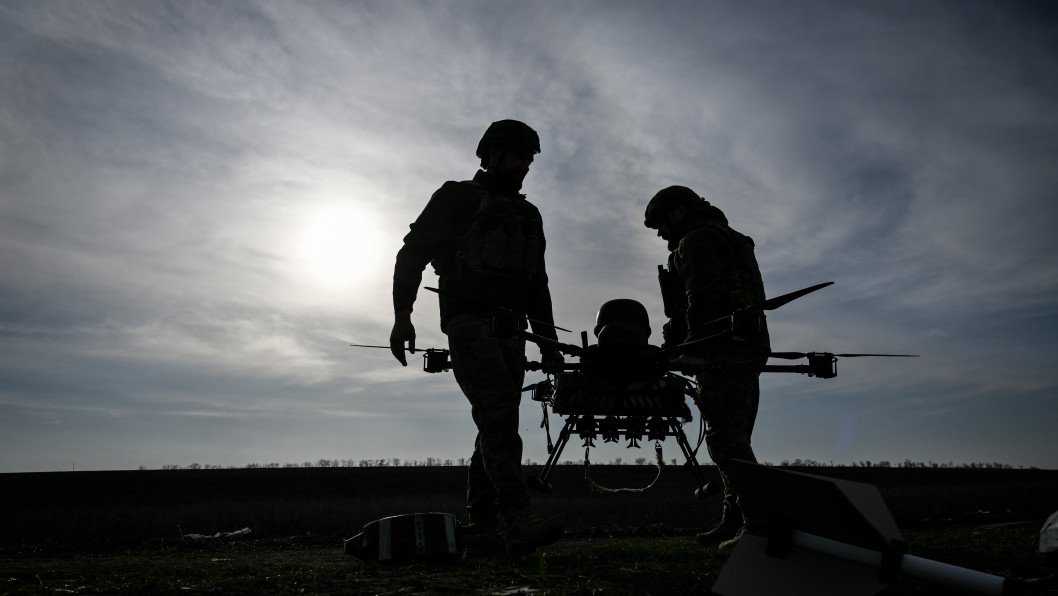
Russia has pursued a similar strategy to shield its own drone industry from Ukrainian strikes.
An estimated 42,000 square meters of underground production space has been built for the Geran, a Shahed-derived attack drone, at the Alabuga complex in Tatarstan. Satellite imagery from late August also recorded at least 10 new workshops, dozens of storage facilities, and lattice-tower structures around the main production areas.
The shift underground followed Ukraine's earliest strikes on Alabuga, first carried out in April 2024, and has made the wider Geran production chain steadily harder and more expensive to hit.
Discuss this article: