- Category
- War in Ukraine
Ukrainian Forces Go 15 Km Underground in One of the War’s Most Unusual Assault Operations
 Prefer U24 Media on Google
- Authors


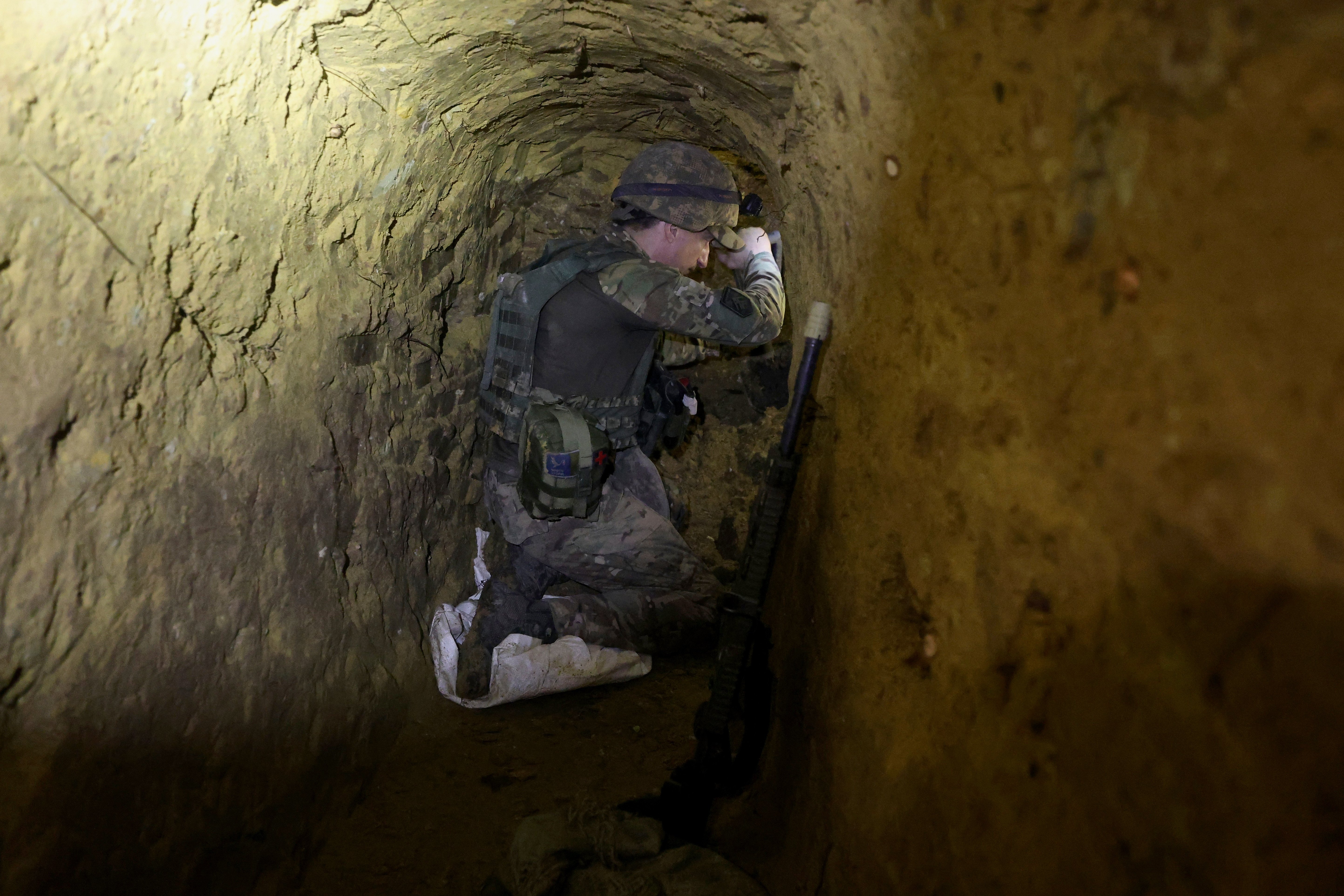
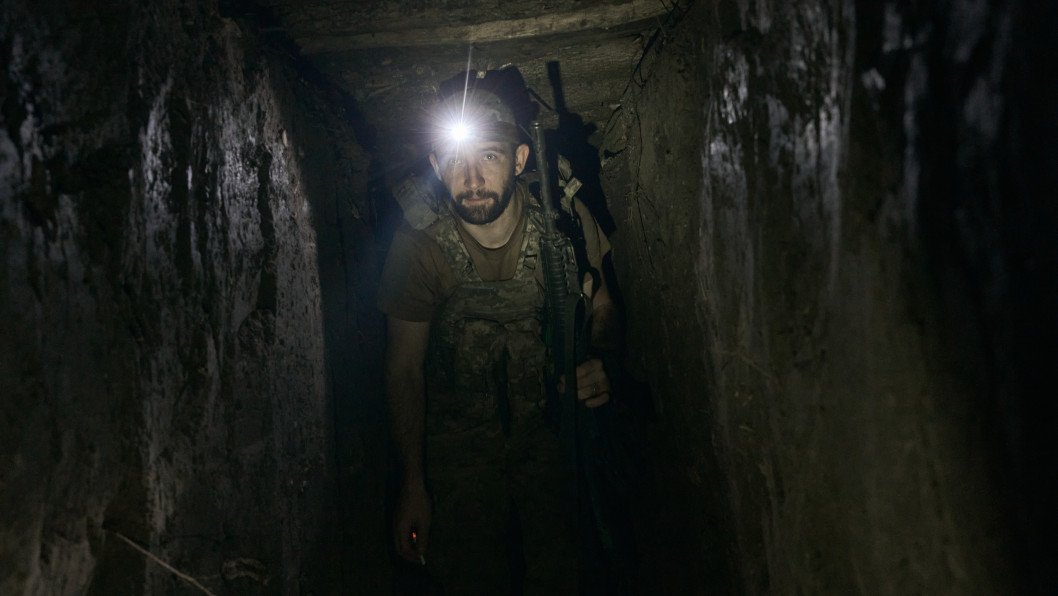
Ukrainian forces traveled more than 15 kilometers through underground infrastructure before emerging behind Russian positions during Operation VELES, a counteroffensive operation on the Kupiansk axis coordinated by the 2nd Khartiia Corps of Ukraine’s National Guard, the unit said on October 22.
The underground route was integrated into a single operational network with dedicated communications, navigation, low-noise logistics, and synchronized drone strikes.
We bring you stories from the ground. Your support keeps our team in the field.
According to Militarnyi, at the same time, Ukrainian units attacked Russian positions on the surface, allowing the Defense Forces to pressure them from two directions.
According to Khartiia, more than 100 Russian troops were killed during the operation, and more than 30 others were captured.
Boots under ground!
— Khartiia Corps in English (@khartiia_eng) October 22, 2026
Asymmetric breakthrough in the Kharkiv Region: Khartiia Corps conducts the subterranean counteroffensive Operation VELES, advancing 15 km underground.
Corps Commander General Ihor Obolenskyi explains a unique operation. pic.twitter.com/qRQ93kckpK
Brig. Gen. Ihor Obolenskyi, commander of the 2nd Khartiia Corps, said Ukrainian forces studied Russia’s own experience with underground movement and adapted similar methods for their counteroffensive.
Preparing troops for the mission required both physical and psychological training for extended operations in confined spaces. Combat engineers and sappers prepared the underground routes, while dedicated life-support systems were used to sustain personnel beneath the battlefield.
15 kilometers underground, behind Russian lines: Khartiia reveals details of Operation Veles — the world’s first underground counteroffensive.
— Army Media 🇺🇦 (@armyinformcomua) October 22, 2026
When Russian drones made movement above ground increasingly dangerous, Ukrainian forces found another way to attack.
On October 22,… pic.twitter.com/jDaWD257Nt
The operation was significantly more complex than simply moving troops through tunnels. Specialized communications and navigation were required underground, while supplies had to be transported with minimal noise to avoid revealing the movement above.
Airborne coordination was provided by a joint center working with the 429th Achilles Brigade of Unmanned Systems. Units from Ukraine’s Defense Intelligence, the 23rd R.U.H Assault Regiment, the 21st Lava Unmanned Systems Regiment, and other formations also participated.
By synchronizing the underground advance with drone operations and attacks on the surface, Ukrainian forces were able to emerge in the Russian rear while enemy troops were simultaneously engaged from another direction.
Khartiia said Operation VELES helped secure the rear approaches to Kupiansk and created conditions for further Ukrainian operations in the Kharkiv region.
The operation was named VELES after the Slavic pagan deity associated with the underworld—a reference to the underground battlefield Ukrainian troops used to reach Russian positions from an unexpected direction.
Earlier, Ukraine’s Operation Vivaldi ended with 277 square kilometers retaken and at least 8,000 Russian troops killed or wounded.
Discuss this article: