- Category
- Opinion
Ukraine and the Council of Europe: Thirty Years of Shared Values and Renewed Purpose
 Prefer U24 Media on Google
- Authors

-9ab3b63f905b2166694cb8db0903d1b9.jpg "Andrii Sybiha, Minister of Foreign Affairs of Ukraine")
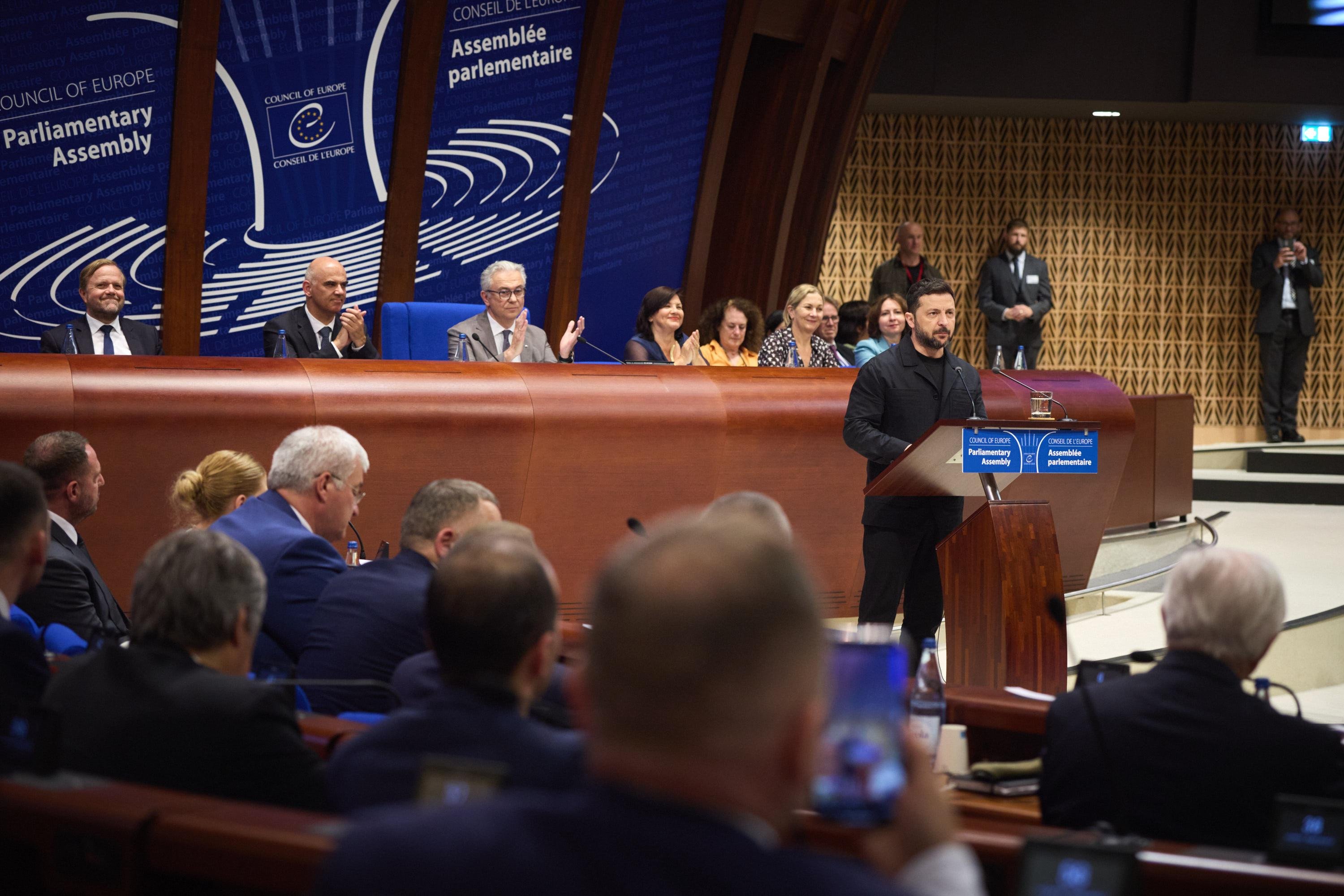
Back in the 1949 when the Council of Europe was founded, its founders – the Pioneers of Europe Winston Churchill, Konrad Adenauer, Robert Schuman, Paul-Henri Spaak, Alcide de Gasperi and Ernest Bevin were clearly determined to prevent the tragedy of war from ever returning back to the continent.
Their ambition was clear and noble: to unite European democratic nations around the ideals of human rights, democracy, and the rule of law. Thus the Council of Europe became the first political organization established after WWII to bring together free European democracies in a common legal and moral framework, built not on force but on principles.
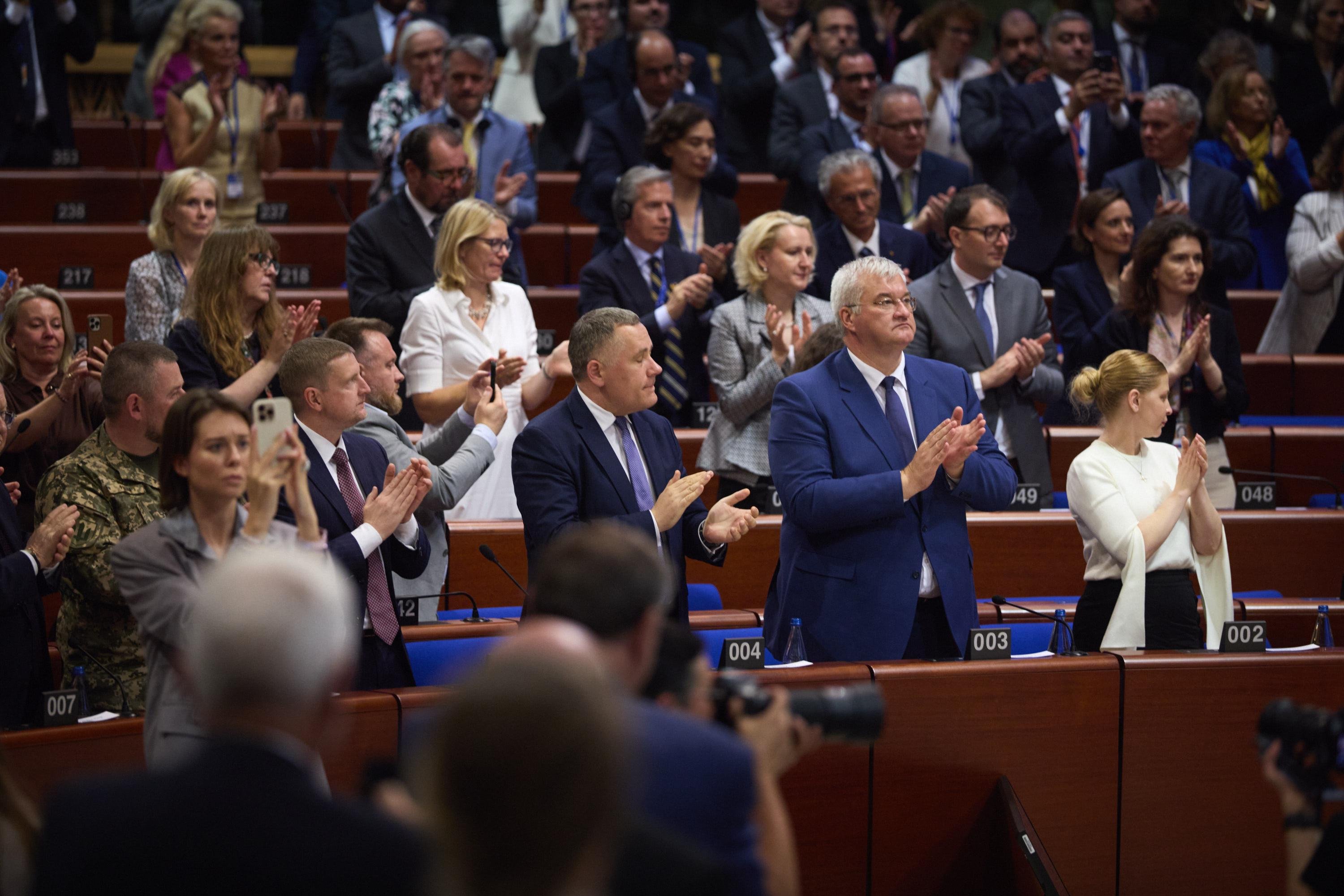
Throughout the years, these principles have evolved in response to Europe’s emerging challenges. During the Cold War, the Council served as a moral compass for the divided continent, offering an idea of a free and just Europe to millions on the other side of the Iron Curtain.
The fall of the Berlin Wall and the collapse of the USSR opened a new chapter for democracy and European integration. The Council of Europe became home for the emerging democracies of Central and Eastern Europe, guiding their transformations through dialogue, assistance, and accession to the European Convention on Human Rights.
It was in this historical moment, on November 9, 1995, that Ukraine joined the Council. I remember it vividly. Those days, as a student at the Ivan Franko National University of Lviv studying international relations, I felt, alongside my generation, a sense of hope. For us, Ukraine’s accession was not only a diplomatic milestone but a civilizational choice: a return to Europe, to the family of nations where freedom, human dignity, and justice were the foundations of public life.
Over these three decades, Ukraine has walked a transformative path. Membership in the Council of Europe has profoundly shaped our national identity anchoring Ukraine within the family of European democracies guided by shared values.
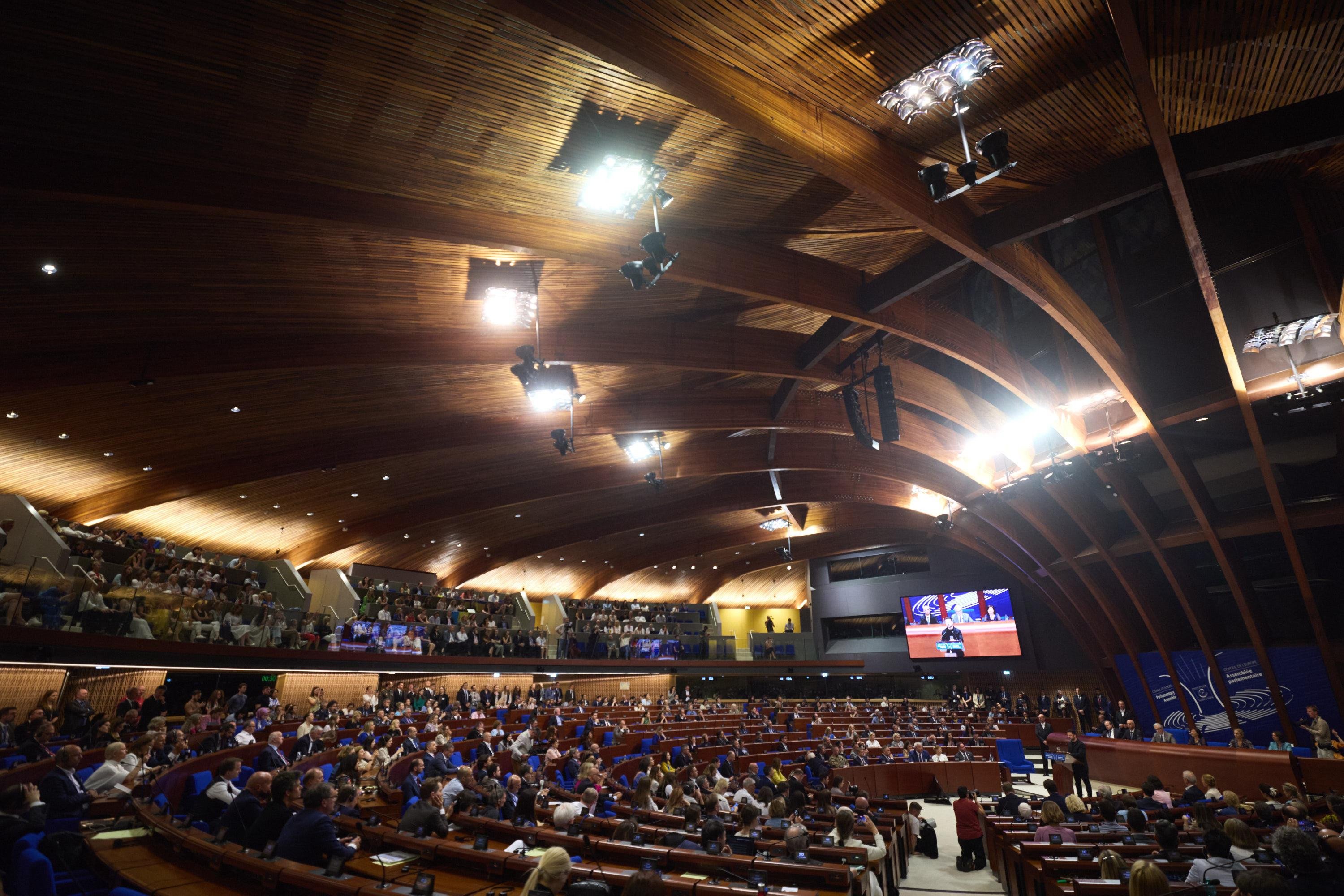
The ideals of Strasbourg inspired Ukrainians during the Orange Revolution and the Revolution of Dignity, when millions took to the streets to defend their European choice.
Today, as Ukraine moves toward full membership in the European Union, we view the Council of Europe as an indispensable partner and moral compass in this journey - a source of standards, experience, and solidarity that continue to guide our transformation and reinforce our resilience.
As we remember that great hope thirty years ago, we now face a violent reality where we have to defend our values every day.
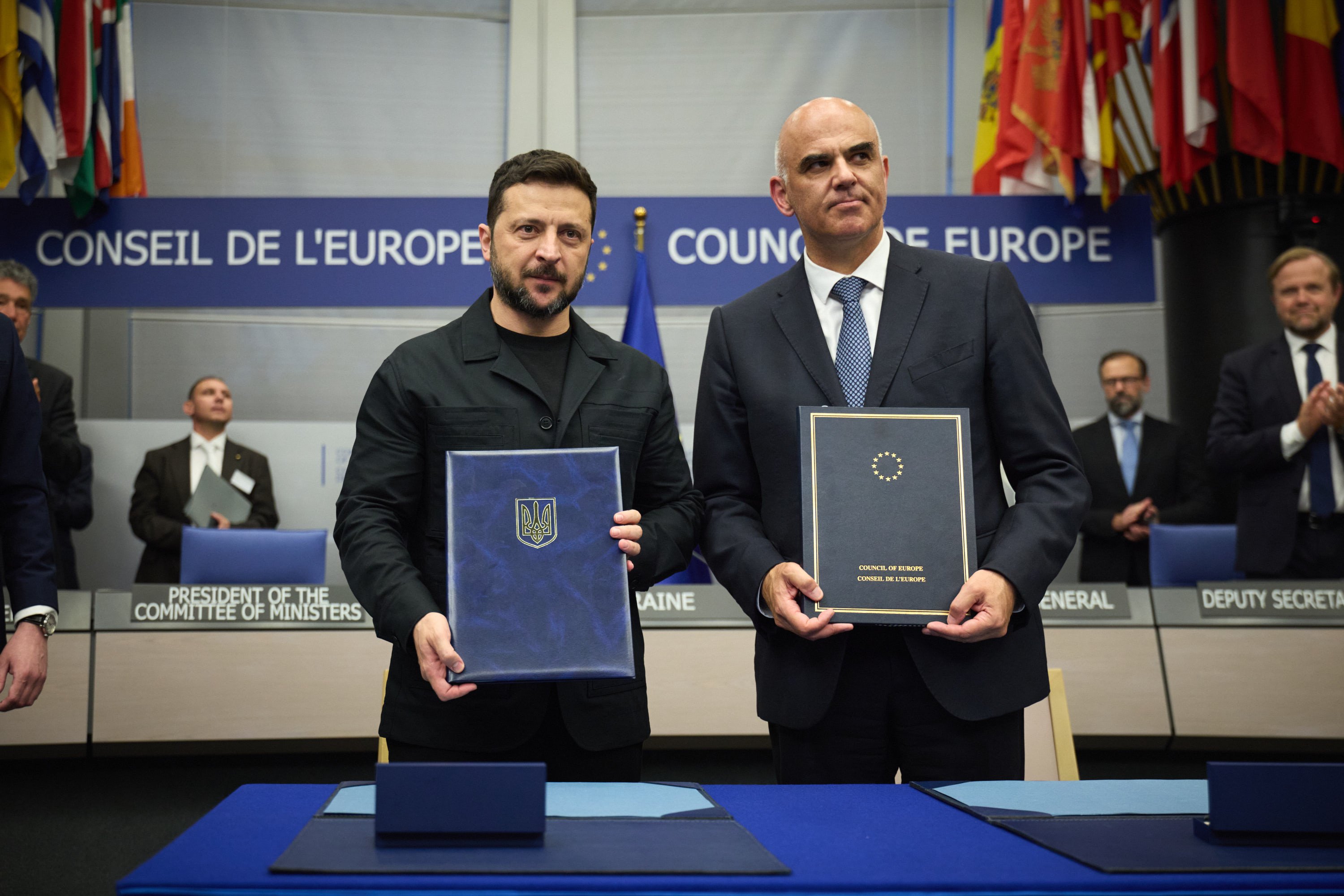
Europe is facing its greatest test since 1945: a brutal, unprovoked war of aggression by the Russian Federation against Ukraine. This war is not only against our statehood and our citizens; it is an assault on the very values upon which the Council of Europe was built. In this struggle, Ukraine stands as the frontline defender of those values.
The decisions taken by the Council of Europe since 2022: the expulsion of Russia, the establishment of the Register of Damage and the work toward the Special Tribunal for the Crime of Aggression demonstrate that the Council has rediscovered the moral purpose that guided its founders in 1949.
In defending Ukraine, the Council of Europe defends itself – its mission, its legacy, its vision of a continent united in peace, law, and justice. The accountability mechanisms now taking shape under its auspices are not just legal instruments; they are the contemporary expression of the Council’s founding principle: pursuit of peace based upon justice and international co-operation.
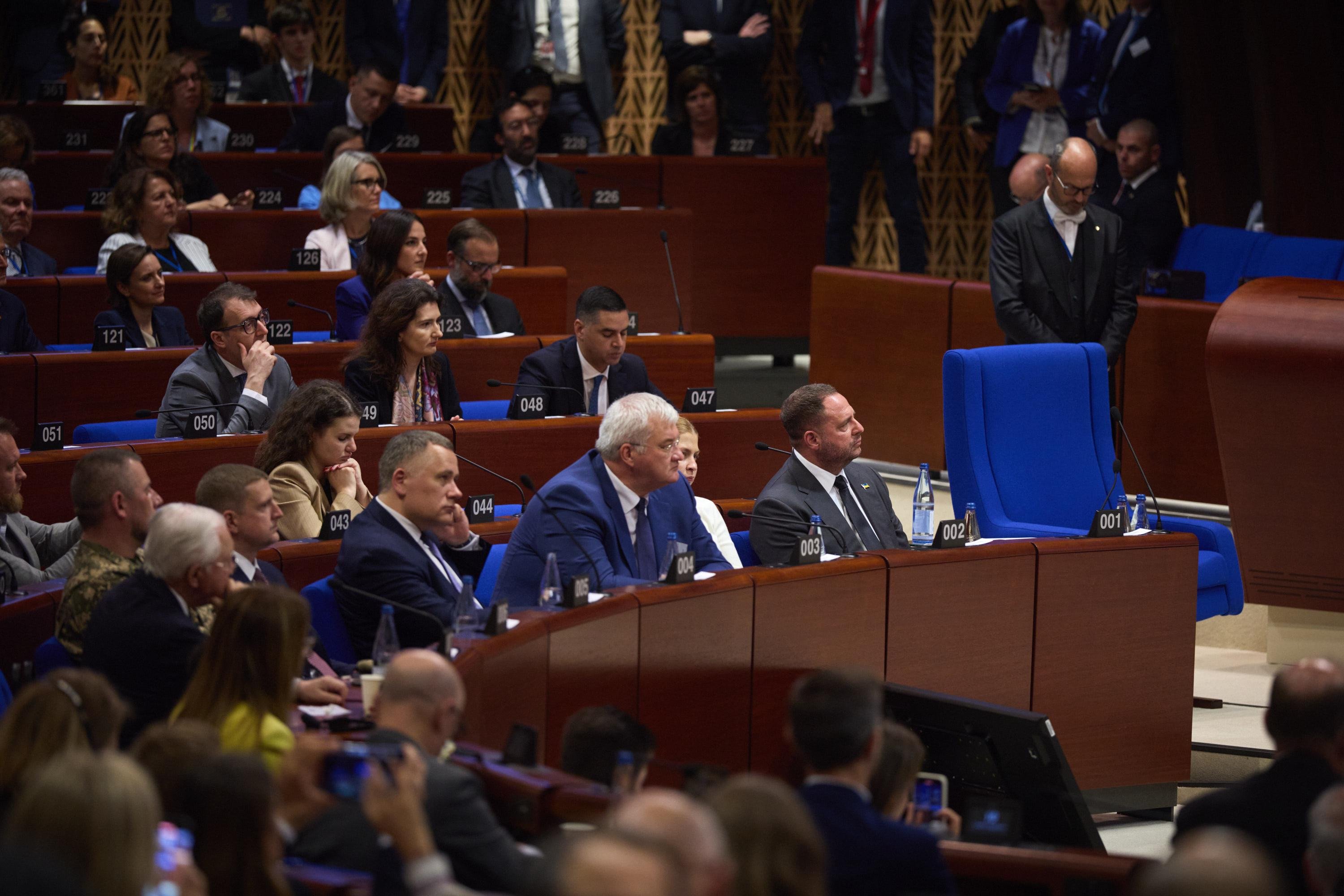
As we mark the 30th anniversary of Ukraine’s membership, we are not celebrating, but rather paying tribute to our common European commitment. Our determination to build a Europe whole, free and at peace. A Europe where the rule of law protects the weak, justice prevails over force, and every nation, large or small, can live in dignity.
The story of Ukraine and the Council of Europe is, in essence, a shared story of belief in human rights, perseverance in the face of tyranny, and unwavering faith in the idea of Europe itself.
Today, just as in 1949, 1995, 2005 and 2014, and since February 2022, the consolidation of progressive forces in Europe means success in the struggle for human rights, the rule of law, and democracy.
Together, we shall force Moscow to end the war, restore peace, and ensure accountability. This is our moral duty before future generations of Europeans.
Discuss this article:
-206008aed5f329e86c52788e3e423f23.jpg "Photo of Oleksandr Moiseienko")

-f3430f0449615e9897dff835086ac204.jpg "Ukraine Broke With a Soviet-Era Military System and Rebuilt It Around the Soldier")
-e126c16a85d580738cf2d57e760b80a3.jpeg "Photo of Vladyslav Greziev")