- Category
- War in Ukraine
$200M Boost for Ukraine Air Defense Brings Canada’s PURL Support to $830M
 Prefer U24 Media on Google
- Authors


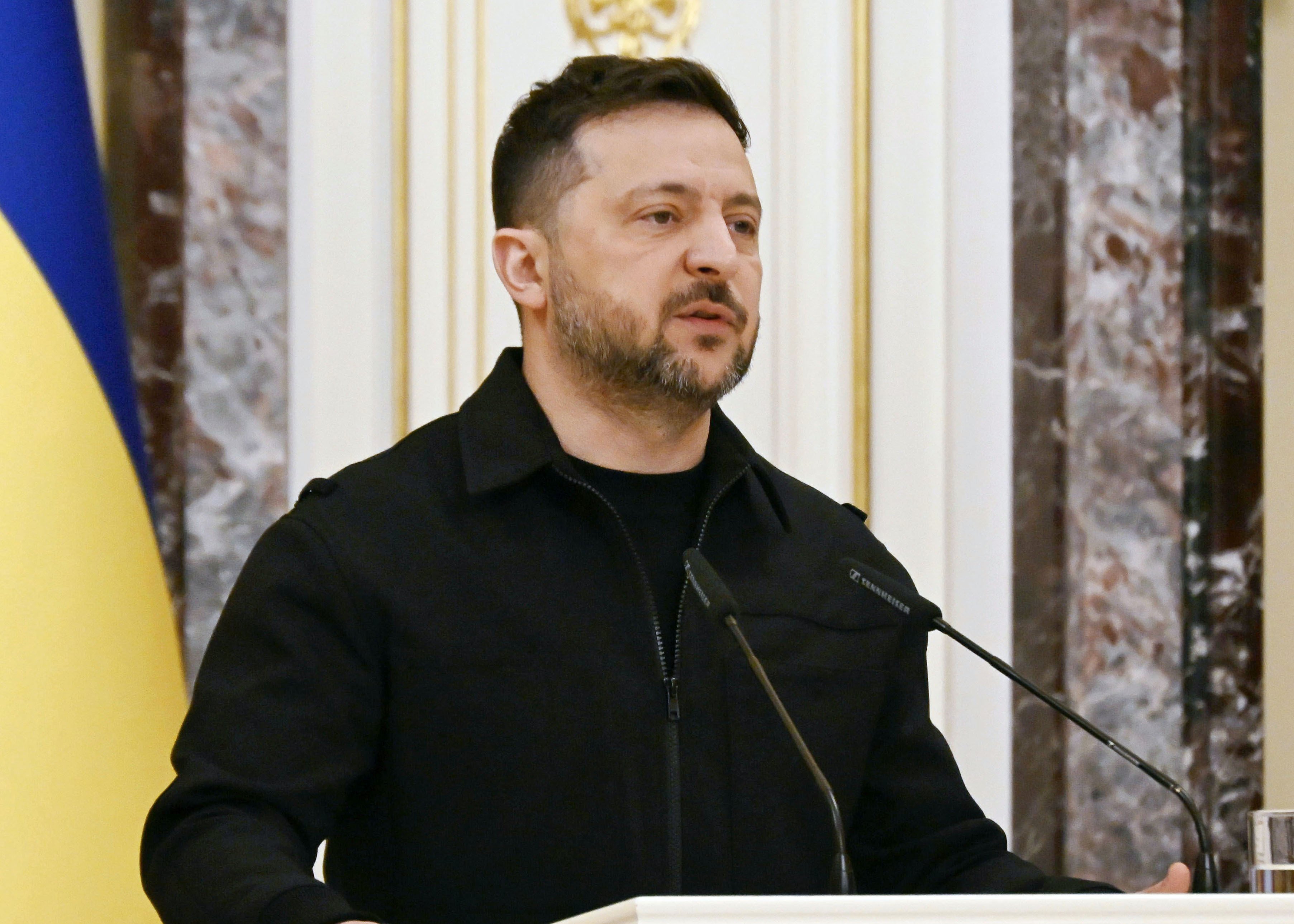
Ukrainian President Volodymyr Zelenskyy said Canada has contributed more than $830 million to support Ukraine’s air defense efforts under the PURL (Prioritized Ukraine Requirements List) initiative. The announcement followed a meeting with Canadian Prime Minister Mark Carney.
In a statement published on Telegram on May 4, after their talks on the sidelines of the European Political Community Summit in Yerevan, Zelenskyy thanked Canada for its continued backing and highlighted a newly announced contribution.
We bring you stories from the ground. Your support keeps our team in the field.
“Additional $200 million, announced today by Prime Minister Mark Carney, is an important contribution to protecting our people from constant Russian ballistic strikes. In total, Canada has already allocated more than $830 million to support this initiative. These are decisions that truly save lives,” Zelenskyy said.
The Ukrainian president added that the discussions also focused on strengthening bilateral cooperation, securing further support for Ukraine, and intensifying efforts to return Ukrainian children who were forcibly taken by Russia.
Additionally, Canadian Foreign Minister Anita Anand has recently announced a new package of sanctions targeting 100 vessels linked to Russia’s so-called “shadow fleet .”
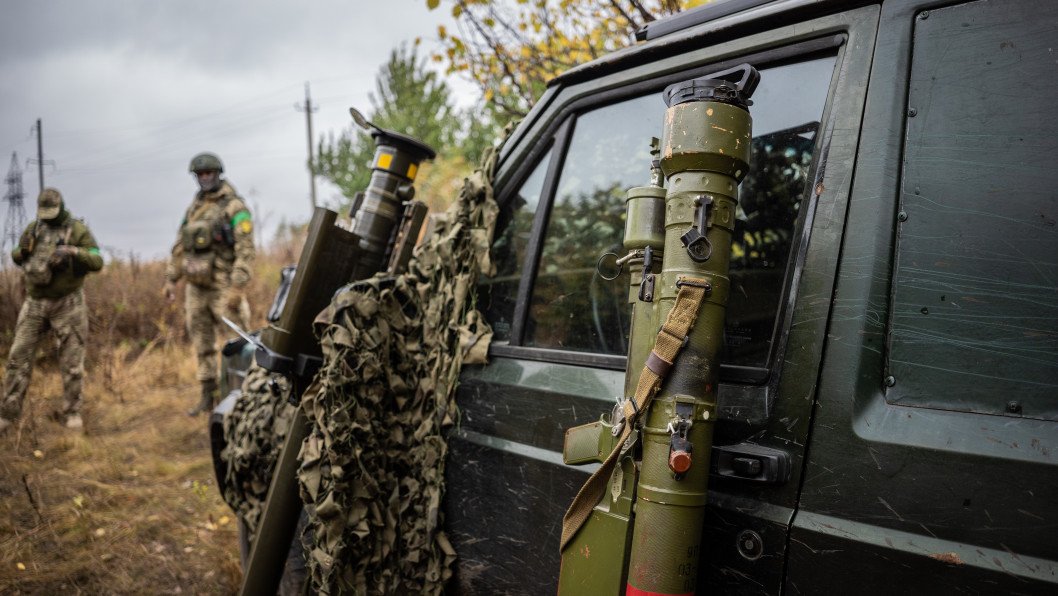
Ottawa said the measure is aimed at intensifying efforts to curb Russia’s attempts to evade international sanctions.
“To further strengthen our efforts to counter Russia’s sanctions evasion, Canada is adding 100 more vessels from Russia’s shadow fleet to its sanctions list,” the statement said.
The government noted that Russia continues to depend heavily on oil and gas revenues to finance its full-scale war against Ukraine. According to the statement, the shadow fleet is used to transport restricted goods and commodities, including crude oil, to various global destinations while bypassing sanctions.
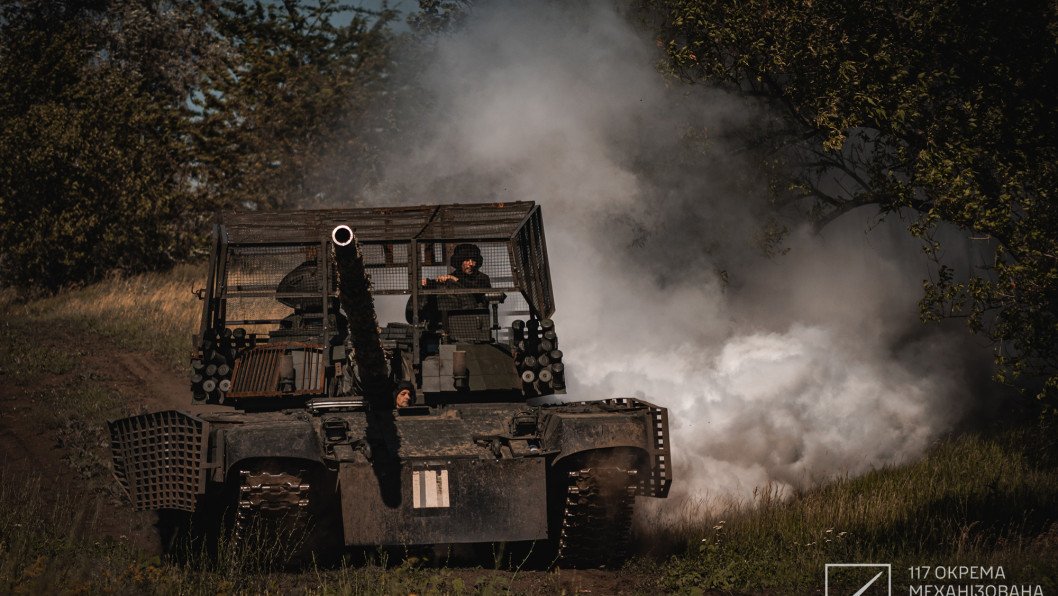
Anand stressed that the new measures are intended to reduce Russia’s ability to sustain its military operations and to limit its capacity to carry out attacks against civilians.
At the same time, according to NATO’s annual, defense spending across Europe and Canada rose sharply in 2025, increasing by 19% amid ongoing Russian aggression and broader geopolitical pressures reshaping global security priorities.
The report stated that total defense expenditure among alliance members reached $1.4 trillion in 2025, representing a 6% increase compared with the previous year.
It also noted a significant benchmark achievement: all 32 member states of the NATO met the alliance’s target of spending at least 2% of GDP on defense for the first time, underscoring a broad acceleration in military investment across the bloc.
Discuss this article:


-c439b7bd9030ecf9d5a4287dc361ba31.jpg "Photo of Katherina Popilnichenko")
-111f0e5095e02c02446ffed57bfb0ab1.jpeg "Photo of Roman Kohanets")