- Category
- War in Ukraine
Another Tu-95 Is Gone—and Russia Can’t Build New Ones. Here’s How Many May Be Left
 Prefer U24 Media on Google
- Authors


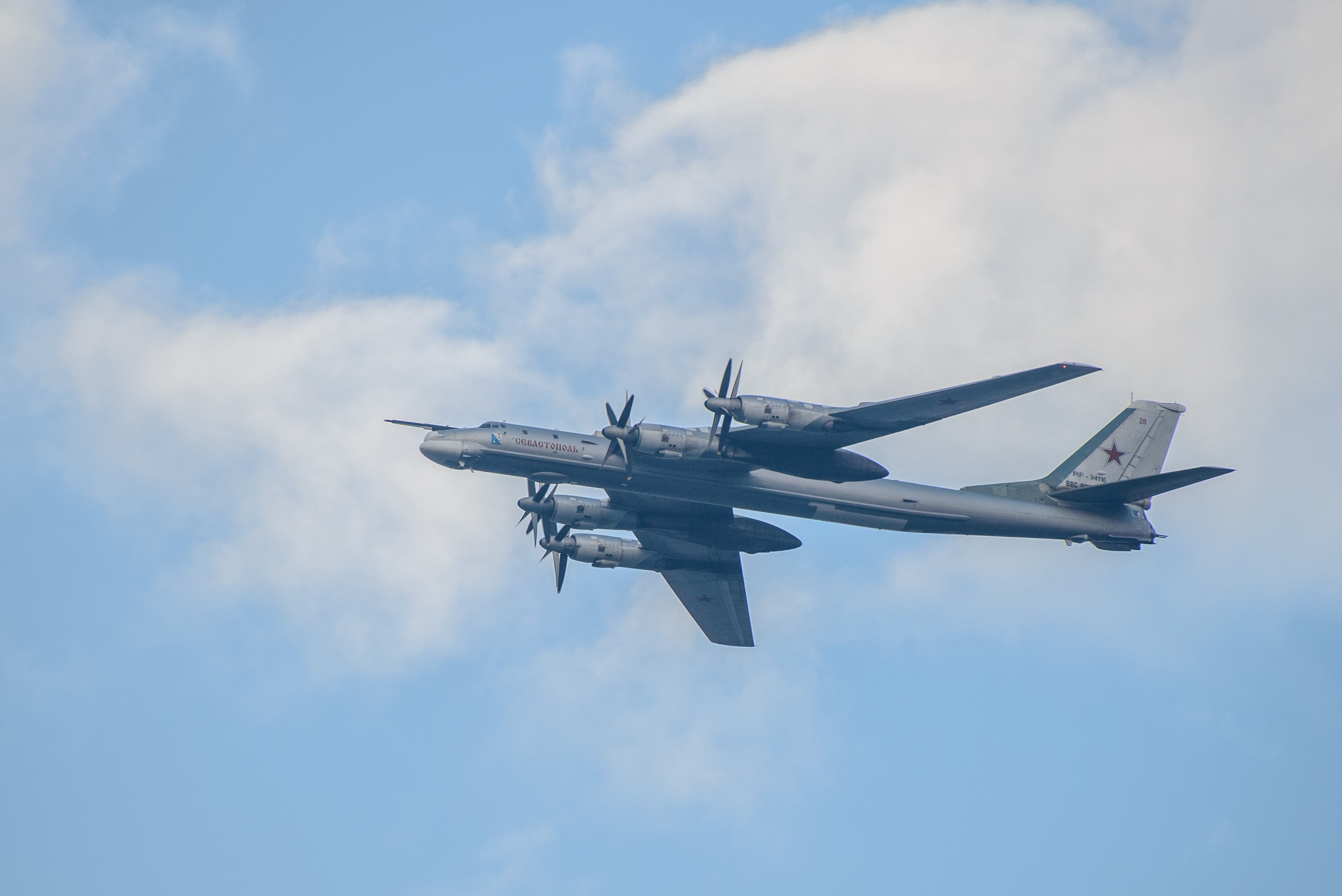
A Russian Tu-95MS strategic bomber crashed shortly after taking off from Ukrainka air base in the Amur region on September 29—an exceptionally rare loss involving an aircraft Moscow stopped producing decades ago and still relies on to launch long-range cruise missiles against Ukraine.
According to Defense Express, the last comparable loss of a Tu-95MS occurred 11 years ago, in 2015.
We bring you stories from the ground. Your support keeps our team in the field.
Russian sources have not officially disclosed the cause of the latest crash, although reports circulating inside Russia claim three of the bomber’s four engines failed shortly after takeoff.
Six of the seven crew members were killed, while one survived.
Footage from the scene of the crash, reportedly a Tu-95 aircraft. pic.twitter.com/lHDgkih5cR
— Exilenova+ (@Exilenova_plus) September 29, 2026
It remains unclear why the aircraft was flying. Defense Express suggested the bomber may have been relocating from Ukrainka to another Russian airfield farther west or northwest, although a training mission also remains possible.
The 2015 crash bears a similarity. That Tu-95MS also suffered the failure of three engines during a flight from Ukrainka. All seven crew members attempted to bail out, with five surviving and two killed.
For an even earlier Tu-95-family accident with no survivors, Defense Express points back more than four decades. In February 1985, a Tu-95RTs crashed over the South China Sea during a mission from Cam Ranh, killing its crew.
Moment of the crash of a Russian military aircraft in the Amur region.
— Exilenova+ (@Exilenova_plus) September 29, 2026
Based on the aircraft model and the sound of the crash, it is preliminarily identified as a Tu-95???, not a Tu-154.
Reports indicate that 6 people died.
1x300 (likely referring to a specific type of… pic.twitter.com/Lh6VZBq63a
But the significance of the September 29 crash goes far beyond its rarity.
Russia no longer manufactures Tu-95MS bombers. The surviving aircraft are Soviet-built machines that Moscow can overhaul and modernize, but every airframe destroyed represents a loss that cannot simply be replaced by ordering another bomber from a production line.
That makes the size of the remaining fleet increasingly important.
Ukraine’s Defense Intelligence estimated in late August that Russia had around 38 Tu-95MS and upgraded Tu-95MSM bombers in combat-ready condition, according to Defense Express.
Days later, on August 28, Ukraine’s Security Service struck Engels air base with a MICH 2000 drone, destroying another Tu-95MS.
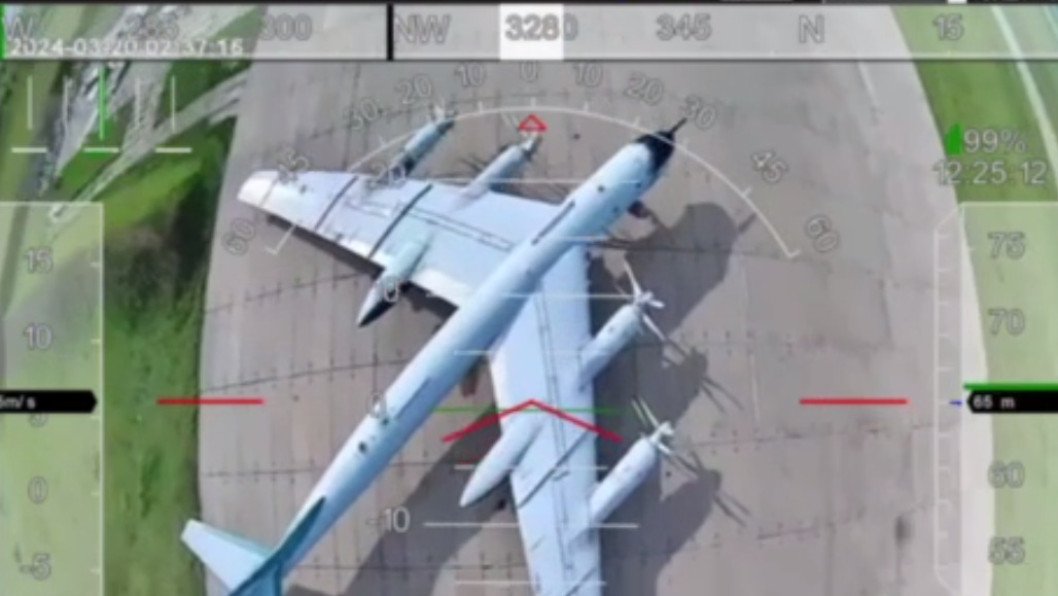
Adding the September 29 crash would theoretically reduce that combat-ready fleet to roughly 36 aircraft, Defense Express calculated.
The precise number available for missions at any given moment may differ because aircraft regularly undergo repairs and maintenance.
Still, the trend is difficult for Russia to reverse.
The Tu-95MS remains one of Moscow’s principal platforms for launching Kh-101 cruise missiles against Ukraine. Yet the aircraft are aging, production has long since ended, and maintaining the remaining fleet becomes increasingly difficult with every passing year.
Previously, a Russian Tu-22M3 long-range bomber crashed in Russia’s Irkutsk region.
The Russian Defense Ministry confirmed the crash, stating that the aircraft was undergoing a training mission. According to the Russian military, the crew ejected and survived.
Discuss this article:
-9a7b3a98ed5c506e0b77a6663f5727c5.png)


-c439b7bd9030ecf9d5a4287dc361ba31.jpg "Photo of Katherina Popilnichenko")



-29a1a43aba23f9bb779a1ac8b98d2121.jpeg "Photo of Illia Kabachynskyi")