- Category
- War in Ukraine
Bucha Through the Eyes of One of the First to See Russia’s War Crimes
 Prefer U24 Media on Google
- Authors

-46f6afa2f66d31ff3df8ea1a8f5524ec.jpg "Photo of Jess Daly")
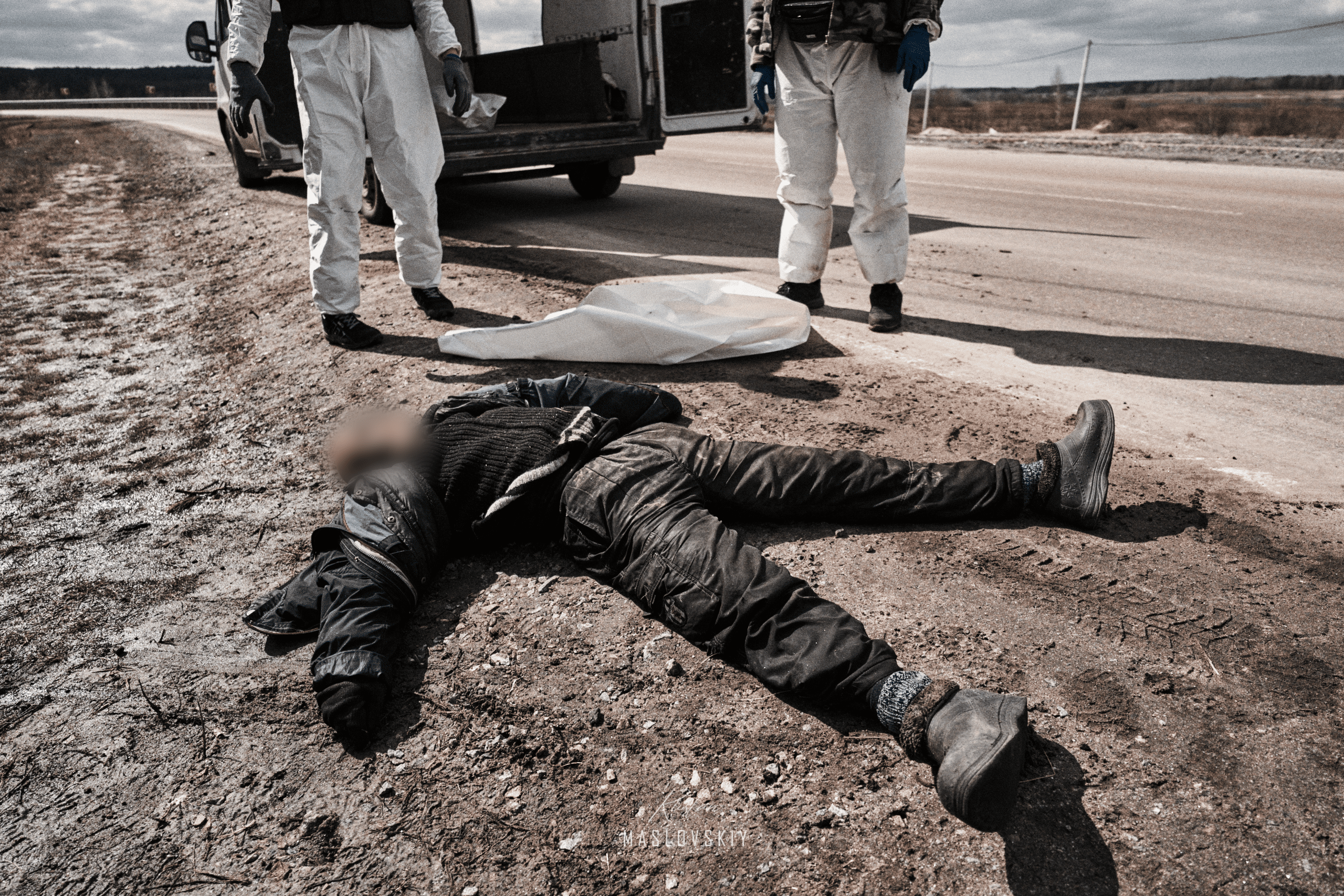
It was impossible to withstand what I had filmed.” In Bucha, where Russian occupation claimed hundreds of civilian lives, photographer Ruslan Maslovskiy bears witness to the unimaginable.
March 31, 2026, marked four years since the Bucha massacre. Russia’s full-scale invasion had been raging for over one month at that point.
“I planned to visit Bucha and Irpin, but it was still dangerous then, and we couldn’t obtain military permission,” said Maslovskiy. He was among the first photographers to enter the city after its liberation.
Both cities of the Kyiv region came to define the early evidence of Russian war crimes. Hundreds of civilians were killed in Bucha while under Russian occupation throughout March 2022, many through summary executions, and thousands more suffered the consequences of the violence at the hands of Russian forces. Ukrainian forces liberated the city on March 31st.
Warning: This article contains graphic images from Bucha that readers may find distressing.
Entering Bucha
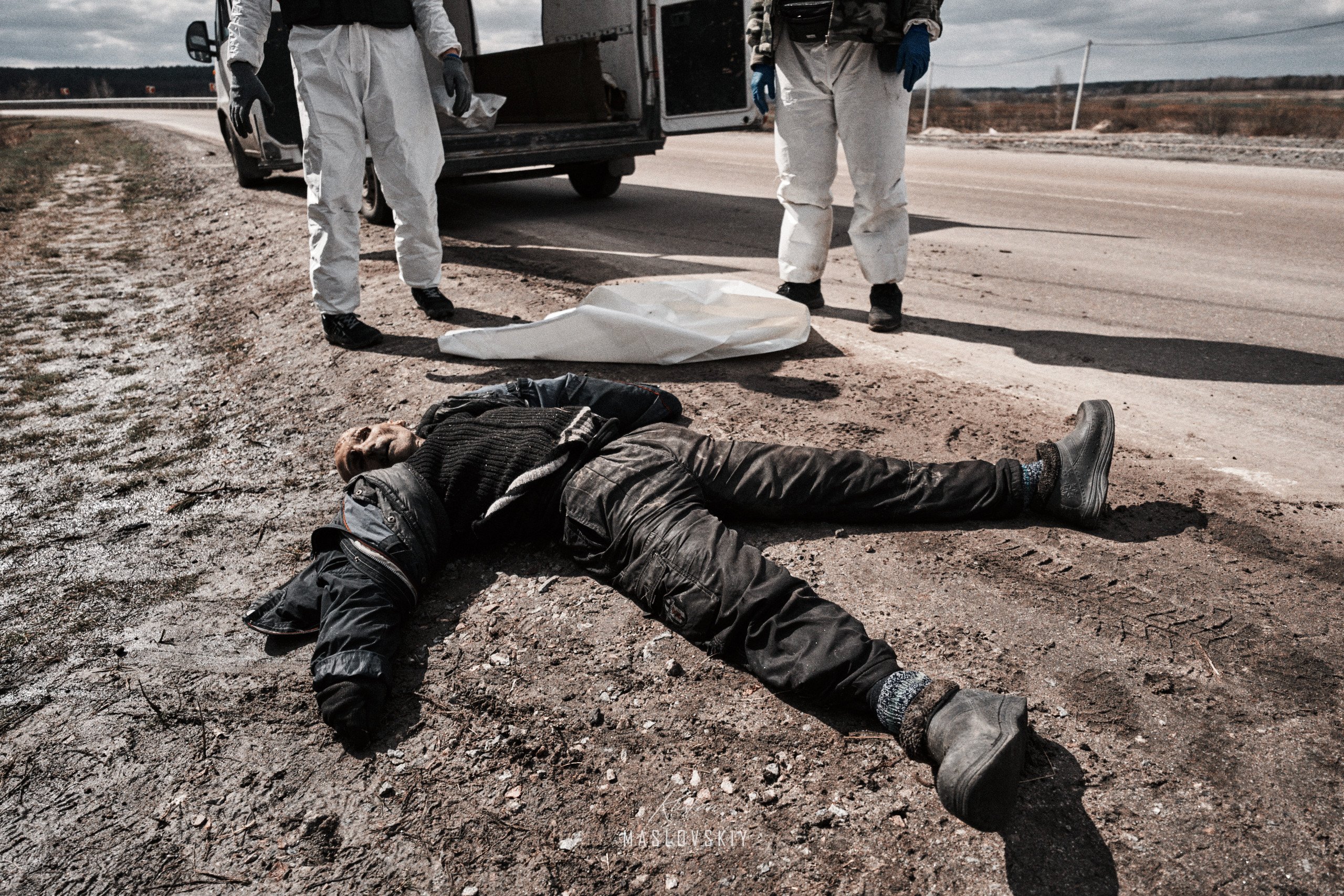
On April 3, 2022, Maslovskiy entered the city unofficially through a group of volunteers. Evidence of mass killings, torture, and other war crimes was uncovered.
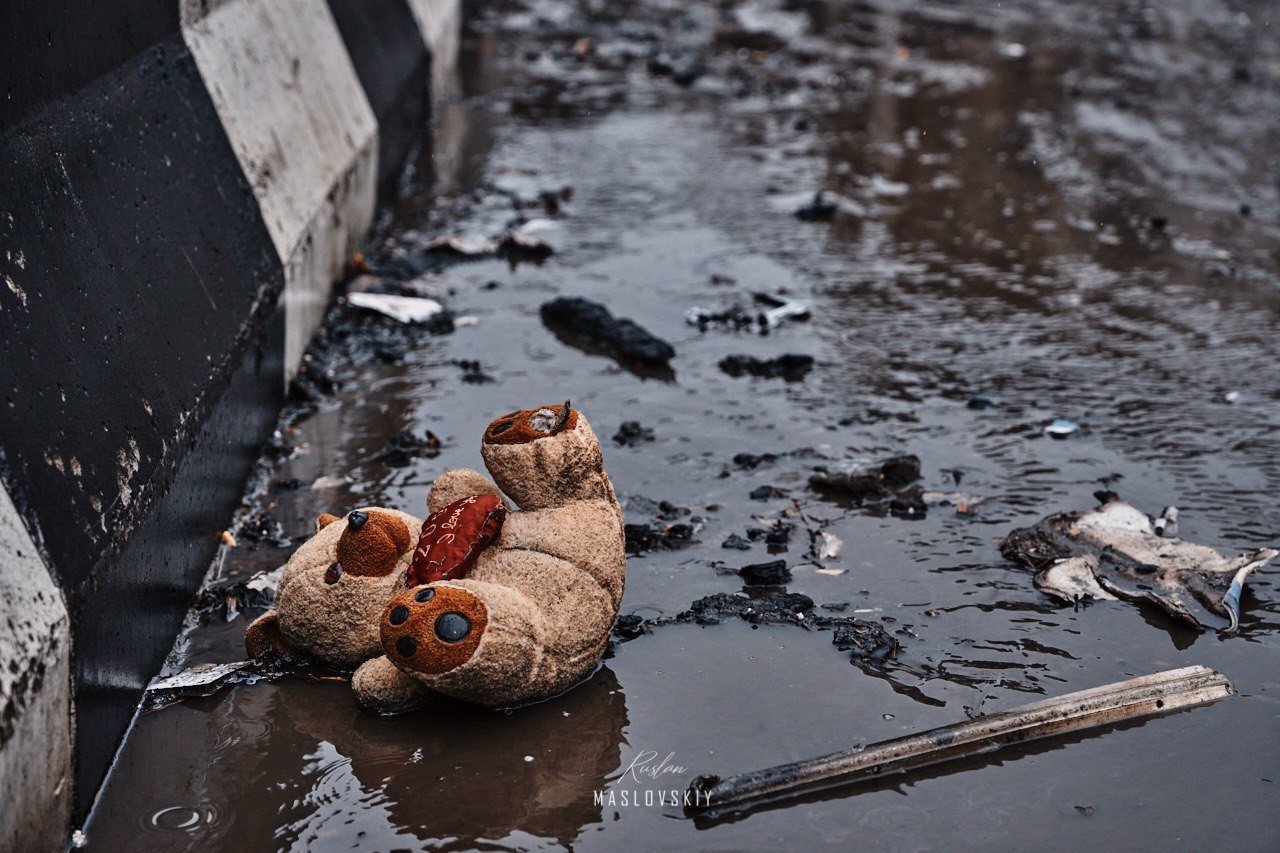
While civilians attempted to escape Russian occupation, many children and families were killed in cold blood. Detailed cases of forced labor, with Bucha residents made to clear bodies, have also been recorded.
I remember sitting over the photos and crying loudly, because it was impossible to withstand what I had filmed…I'm sure that this is something I will never be able to forget, no matter how much I might want to.
Ruslan Maslovskiy
Photographer
For Ruslan, his memory of witnessing extensive war crimes feels disjointed: “As if it were in a fog, as if I was observing everything from the side. It's hard to describe the feeling—it was probably a mix of fear and shock. That's why everything remains in my memory in fragments. It's as if it wasn't me, but someone else.”
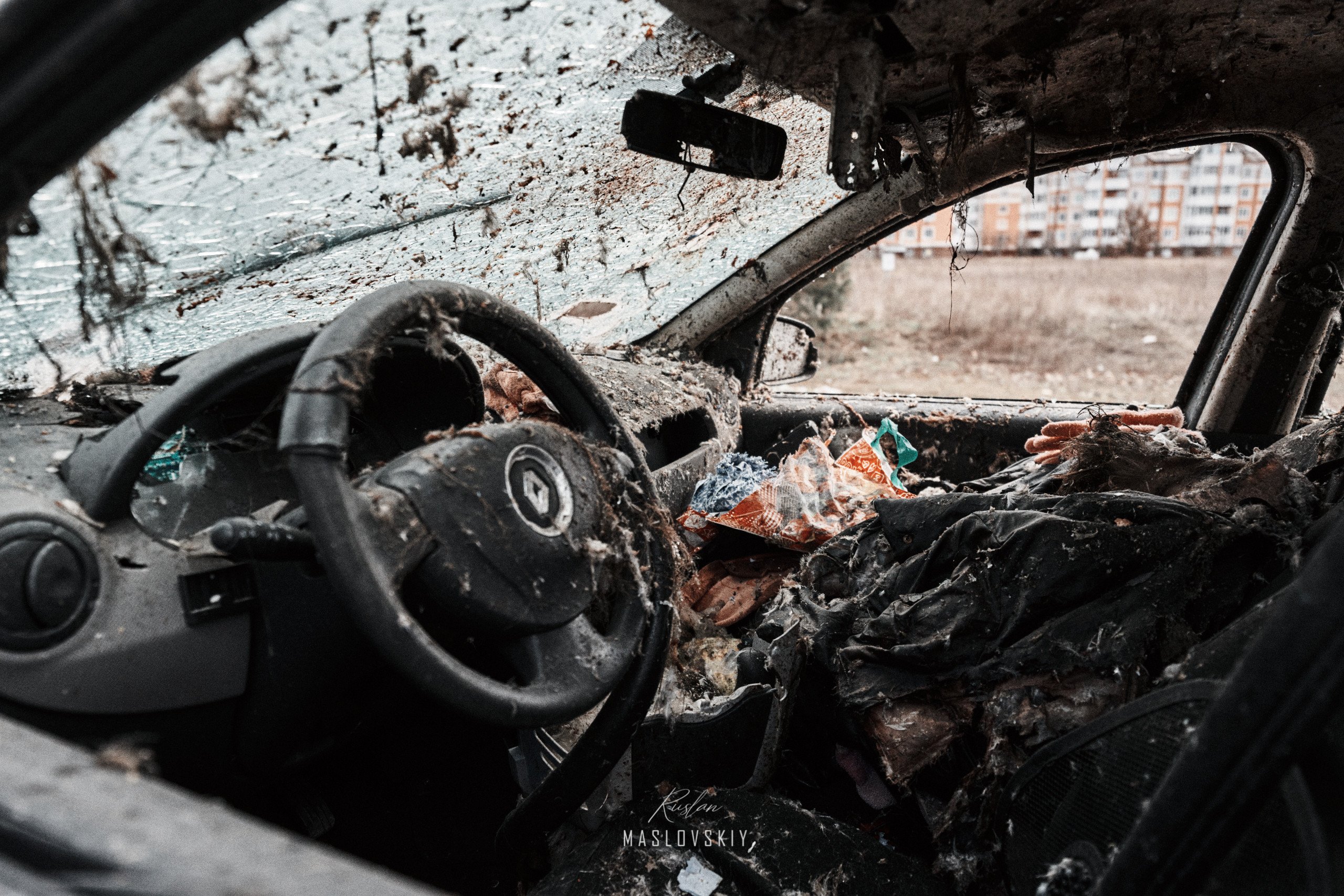
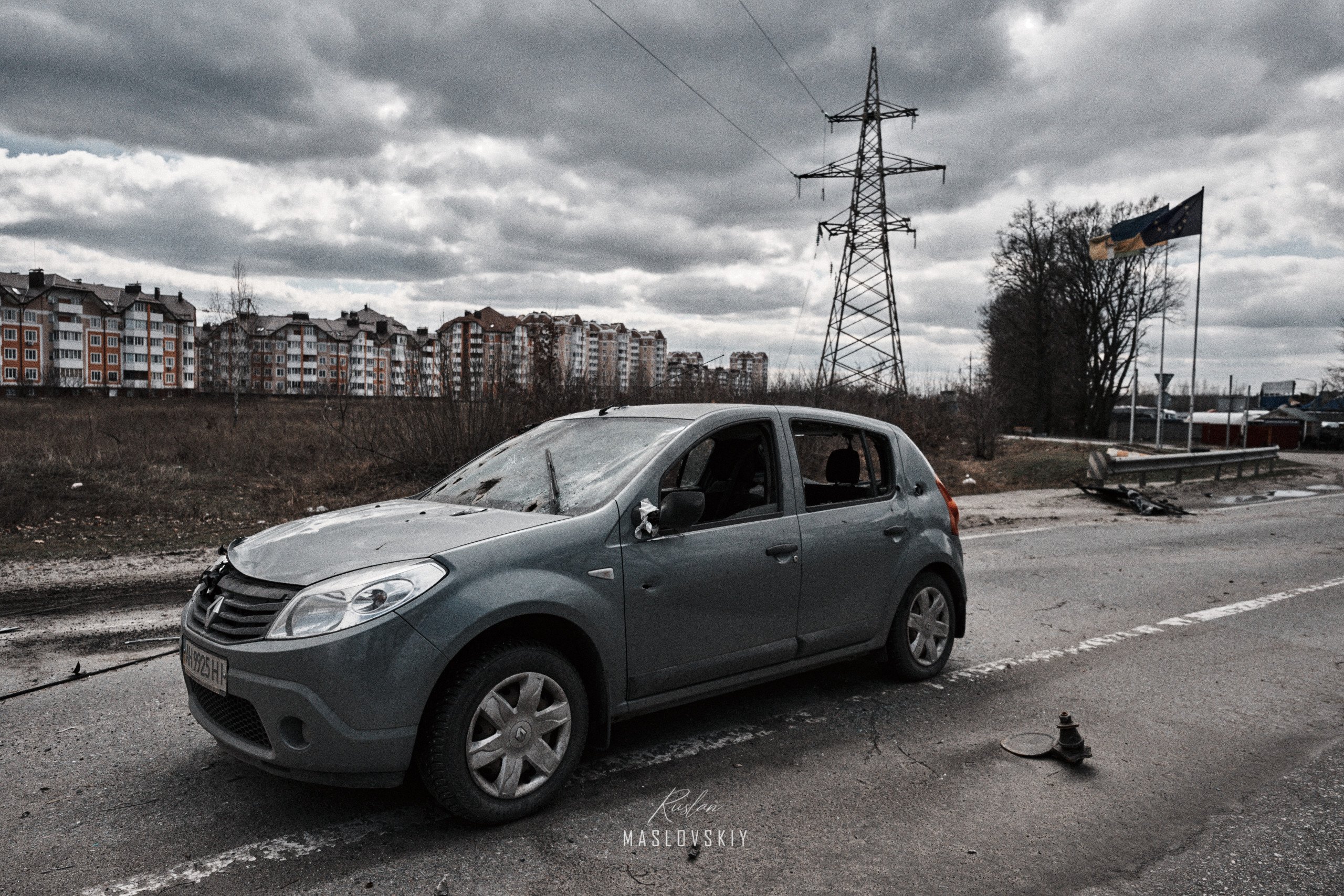
On the way to Bucha, he “saw bodies that had been lying there for some time, bullet-riddled cars with the word 'children' written on them, and abandoned baby strollers,” says Maslovskiy.
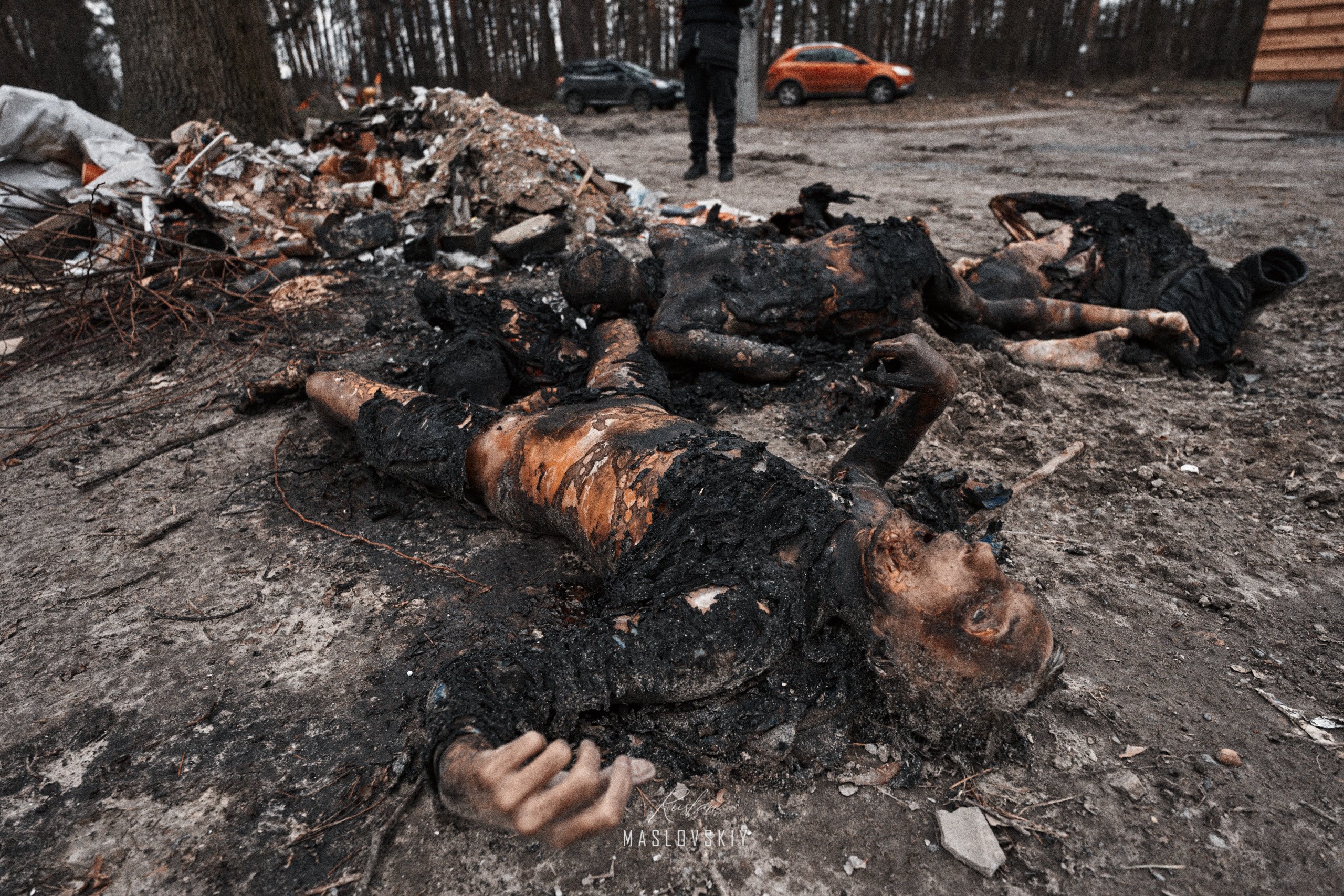
At the entrance to Bucha, the scale of atrocities grew: “we encountered a car shot with large-caliber weapons, with people in it who were no longer recognizable”, he said.
The emotions, he added, were impossible to fully grasp in the moment. “My psyche simply refused to process everything around me.” Maslovskiy kept filming anyway, focused on a single task, “not to miss anything, not to leave anything unnoticed.”
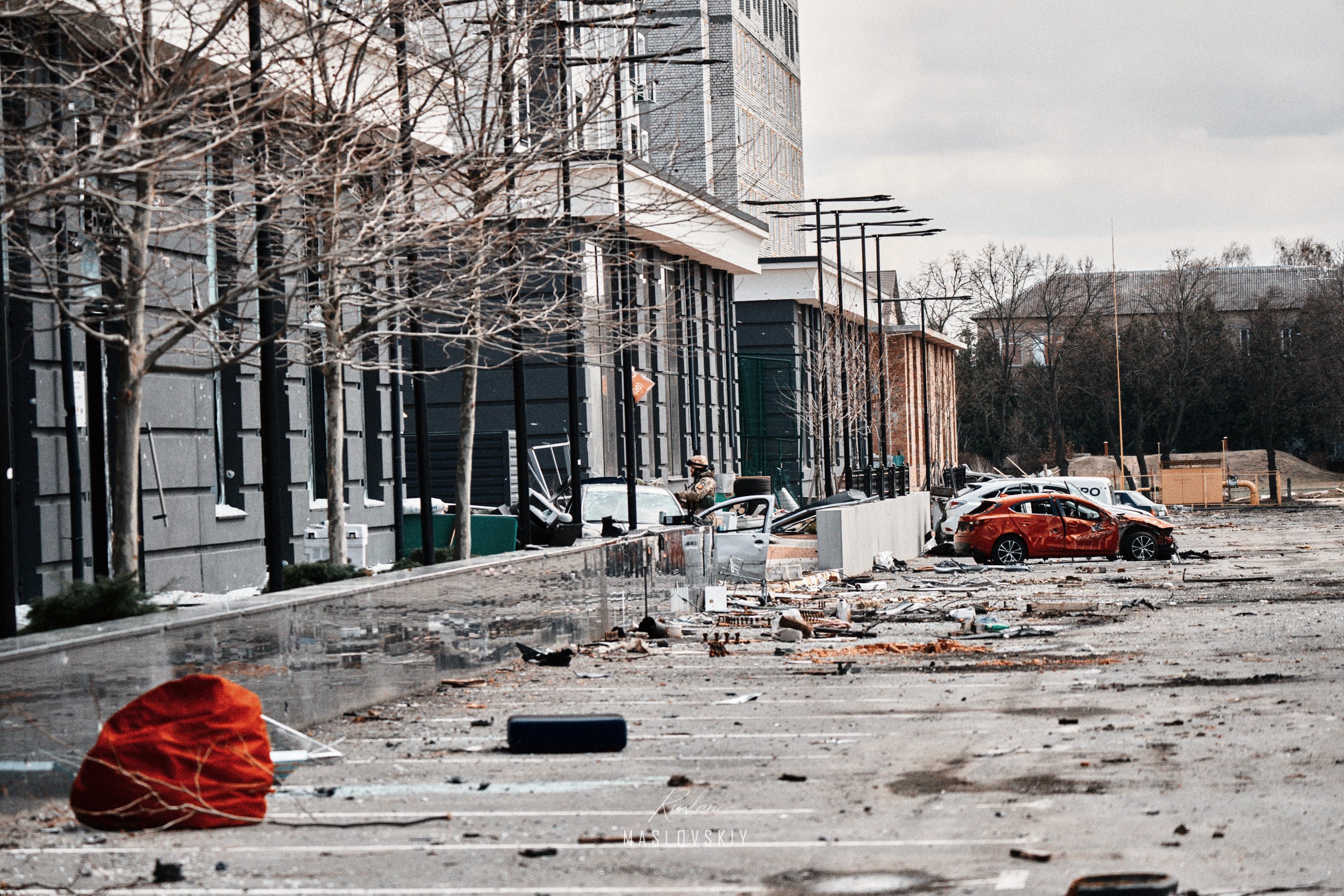
Maslovskiy recalls the chaos everywhere he looked, “buildings mangled by bullets and fire, barely standing shopping centers, piles of rubbish and broken glass, burnt military equipment.” What was left behind felt like an apocalypse, he said.
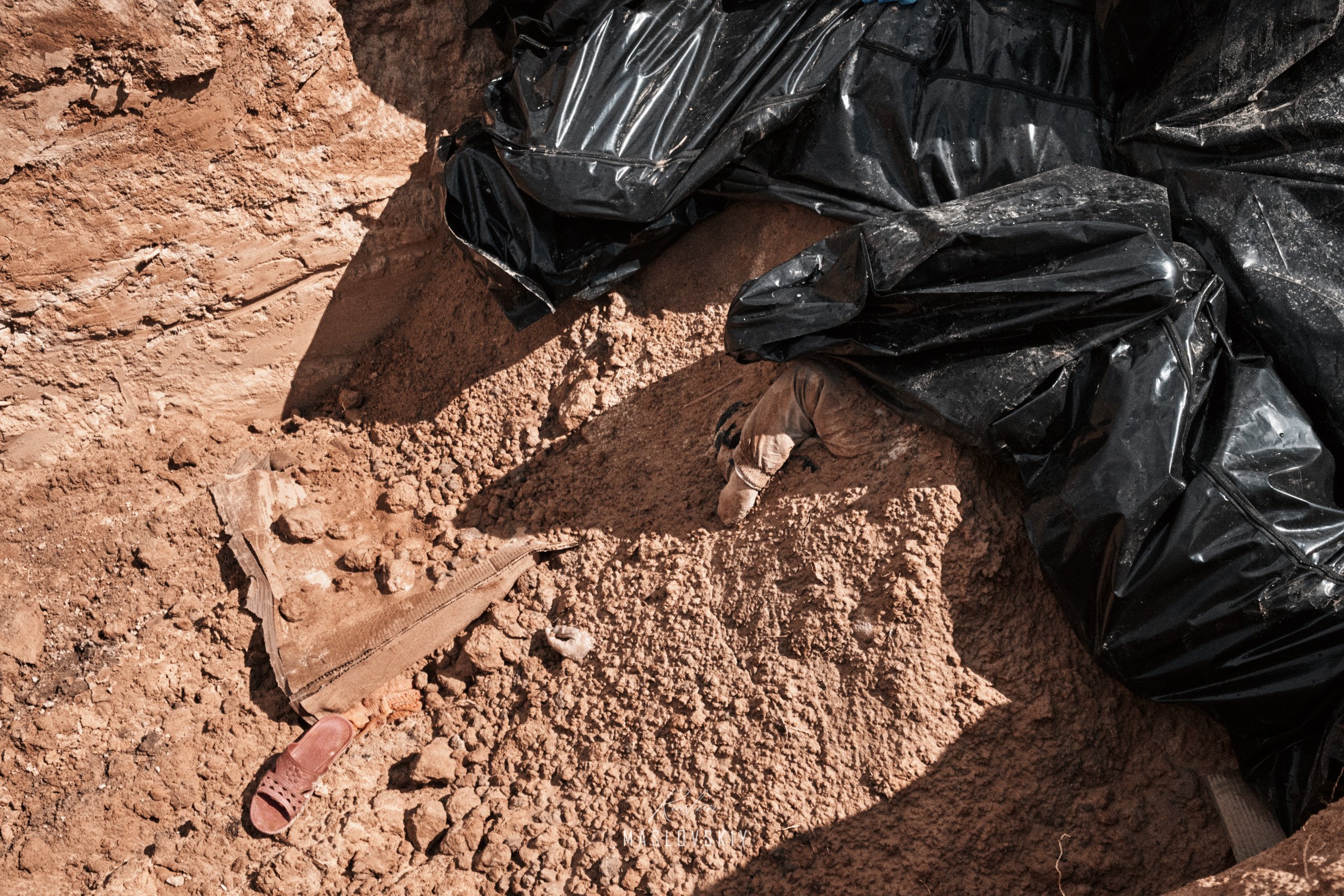
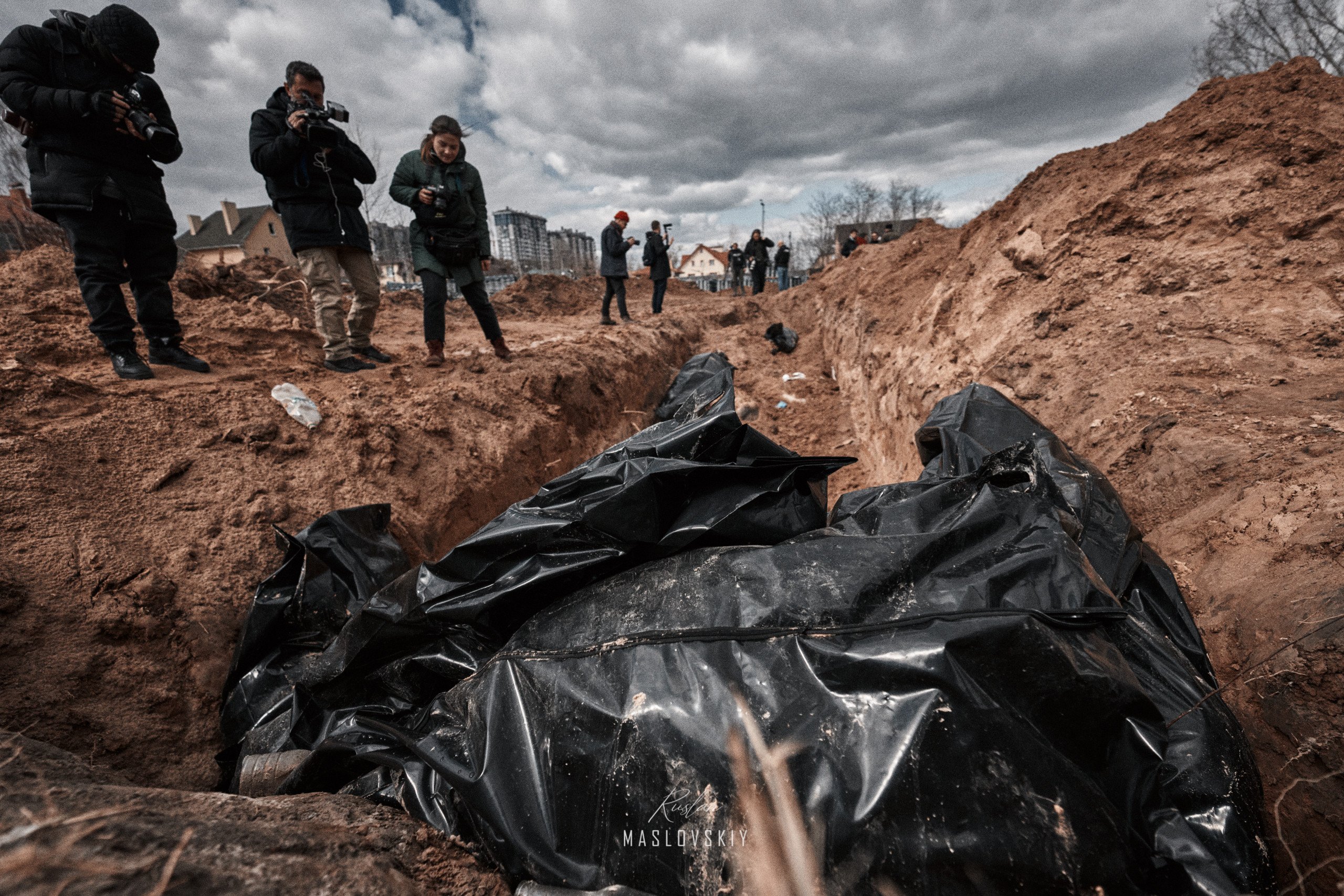
Maslovskiy came across a church with a newly dug cemetery. Later, he learned that the priest and parishioners had been collecting bodies from around the city and burying them in large mass graves.
The only thing Maslovskiy clearly remembers after leaving Bucha is the panic attack that followed.
“It's hard to say how this affected me—perhaps time will show. But I'm sure that this is something I will never be able to forget, no matter how much I might want to” he said.
The victims carry lasting scars from what they endured. Documenting Russia’s crimes has been essential in exposing the true scale and brutality of Moscow’s actions. The Kremlin has persistently denied the Bucha massacre, even accusing the UK of staging it. Eyewitness accounts and documented evidence are vital in pursuing justice and accountability for heinous war crimes.
Maslovskiy says that after four years of full-scale war, he hopes people no longer believe Russian propaganda and recognize the reality of what happened. For those who still claim the Bucha massacre was staged, he adds, it is no longer a matter of misinformation, but a conscious choice to ignore the truth.
“Anything can happen anywhere in the world, at any time…I want to wish us all peace and to learn to appreciate simple things,” Maslovskiy said.
Pursuing accountability for Russian war crimes in Bucha
In January 2025, the National Police of Ukraine identified 12 Russian servicemen implicated in the killing of civilians in Bucha. Authorities are working closely with representatives of the International Criminal Court (ICC) to ensure that the evidence collected serves as a foundation for holding Russia’s military and political leadership accountable in international courts.
Ukraine is also advancing other legal mechanisms, including the Special Tribunal for the Crime of Aggression, the Register of Damages, and the Claims Commission, all designed to hold Russian leadership and personnel directly responsible for the systematic violence uncovered in 2022.
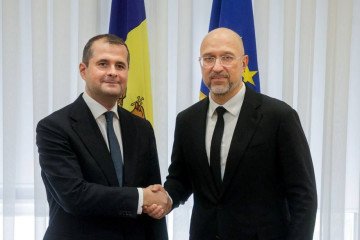
The visit to Bucha in March 2026 culminated in a major diplomatic breakthrough—Germany, the UK, and Moldova officially declared their readiness to join the agreement establishing the Special Tribunal for the Crime of Aggression. Currently, 14 nations have signed on, with Sybiha urging colleagues to expand this list beyond the legal minimum of 16 to ensure global legitimacy.
Andriy Sybiha emphasized that accountability is a concrete pillar of any future peace.Meanwhile, the European Union has expanded its sanctions list to target Russian military personnel linked to mass killings and war crimes in Bucha and across the Kyiv region.
As Maslovskiy and millions across Ukraine process what they witnessed at the hands of Russian forces, every day stands as a testament to resilience and the pursuit of justice—ensuring the horrors of Bucha and countless subsequent war crimes are never forgotten, and that the victims’ voices can still be heard, and stories be told.
Discuss this article:
-4a56a6b482ec132402c16ef6fcabf9a2.png)

-c439b7bd9030ecf9d5a4287dc361ba31.jpg "Photo of Katherina Popilnichenko")
-72b63a4e0c8c475ad81fe3eed3f63729.jpeg "Photo of Cyril Barabaltchouk")