- Category
- War in Ukraine
Built to See 3,700 Miles Away, Russia’s Strategic Radar Is Now Hiding Under Drone Nets
 Prefer U24 Media on Google
- Authors


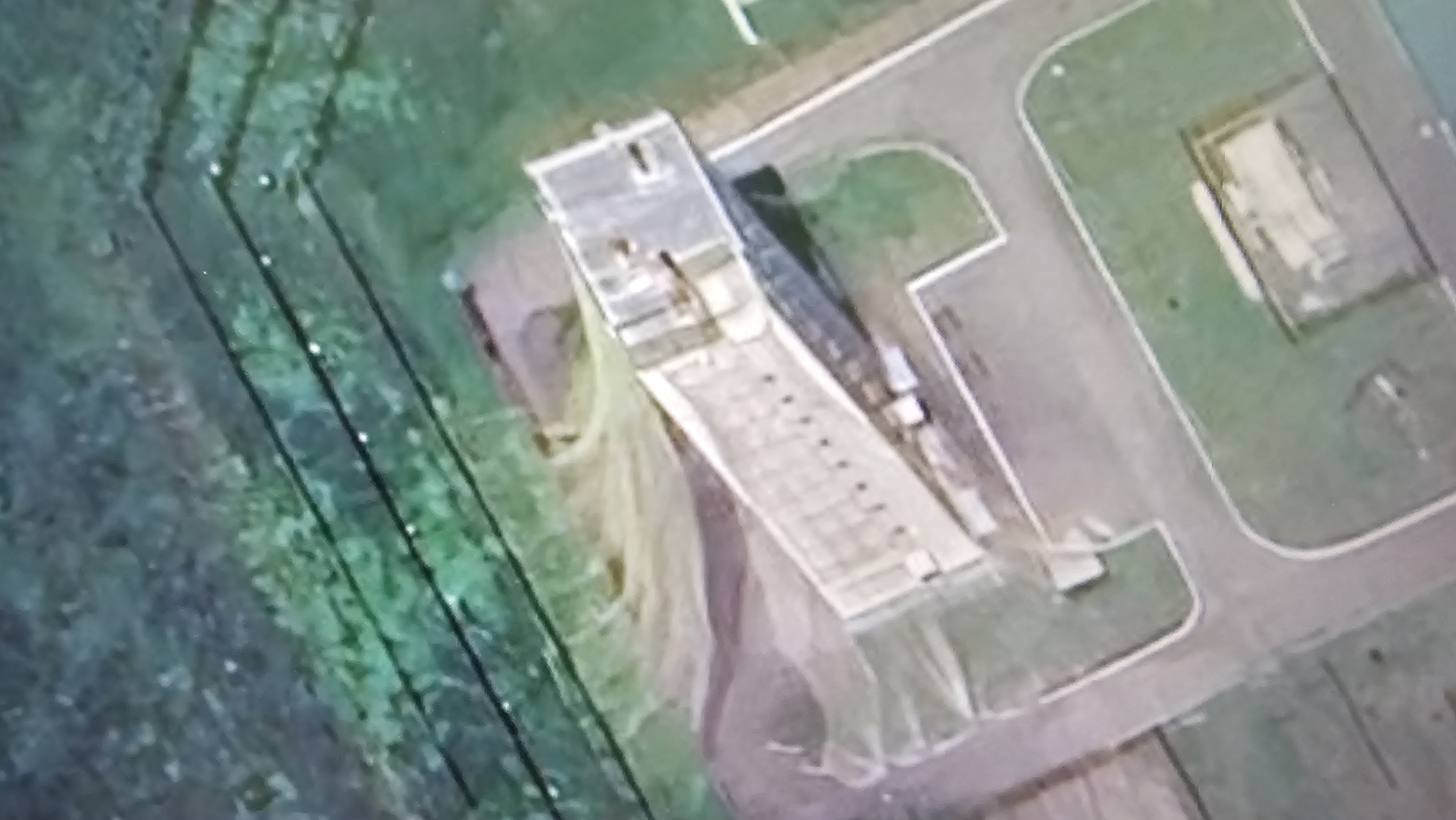
Russia has covered one of its strategic Voronezh-DM early-warning radars in the Kaliningrad region with protective netting, apparently seeking to shield the installation from potential long-range drone attacks, Defense Express reported on August 31.
Satellite imagery shows anti-drone nets installed around the radar complex at the former Dunaevka airfield in Russia’s Kaliningrad exclave.
We bring you stories from the ground. Your support keeps our team in the field.
The installation is no ordinary battlefield radar. The Voronezh-DM is part of Russia’s strategic missile early-warning network and has a claimed detection range of up to 6,000 kilometers, or roughly 3,700 miles.
Its primary role is to detect and track potential missile threats at extreme distances, including ballistic missiles, while also monitoring other aerial and space objects.
The “DM” designation refers to the system’s operation in the decimeter wavelength band. Russian specifications claim the radar can simultaneously track as many as 500 targets.
The Kaliningrad installation is particularly significant because of its geographic position between NATO members Poland and Lithuania. According to publicly available coverage maps cited by Defense Express, its surveillance sector stretches across much of Europe and out toward the Atlantic Ocean.
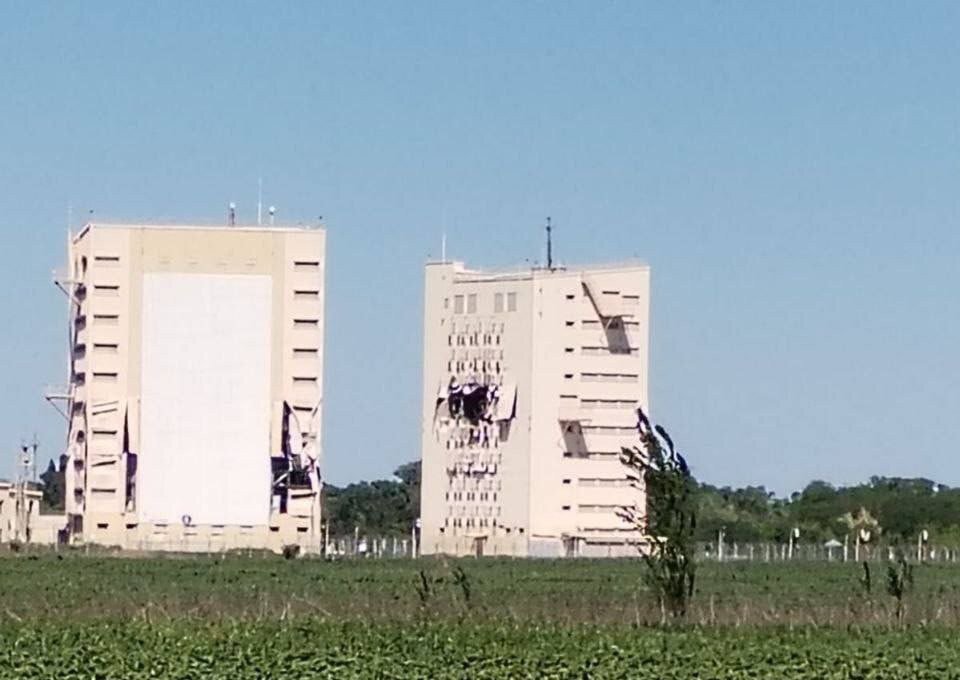
The appearance of protective netting around such a strategic installation comes more than two years after Ukrainian forces damaged another Voronezh-DM radar near Armavir in Russia’s Krasnodar region in May 2024.
That strike demonstrated that even components of Russia’s strategic early-warning network could potentially be reached by Ukrainian long-range systems.
/2. Location of the Voronezh-DM early warning radar station.
— Special Kherson Cat 🐈🇺🇦 (@bayraktar_1love) May 24, 2024
Also a handy illustration which approximately shows areas covered by each of the Russian early warning radar stations. Voronezh-DM is signed as «АРМАВИР». pic.twitter.com/ZwsiJoBE4r
It remains unclear from publicly available information whether the Armavir radar was fully restored to operational service following the attack.
Russia operates around 10 radars of the broader Voronezh family, making each installation an important part of the country’s network for detecting potential missile launches and other long-range aerial threats.
Previously, Ukrainian drones struck a Russian Nebo-U radar station at the Millerovo military airfield in Russia’s Rostov region, a facility used to launch Shahed drones and other UAVs against Ukraine. A Nebo-U radar is valued at approximately $100 million.
Discuss this article:



-c439b7bd9030ecf9d5a4287dc361ba31.jpg "Photo of Katherina Popilnichenko")
-72b63a4e0c8c475ad81fe3eed3f63729.jpeg "Photo of Cyril Barabaltchouk")