- Category
- War in Ukraine
Drones Strike Major Russian Oil Terminal in Rostov-on-Don, Sparking Large Fire
 Prefer U24 Media on Google
- Authors


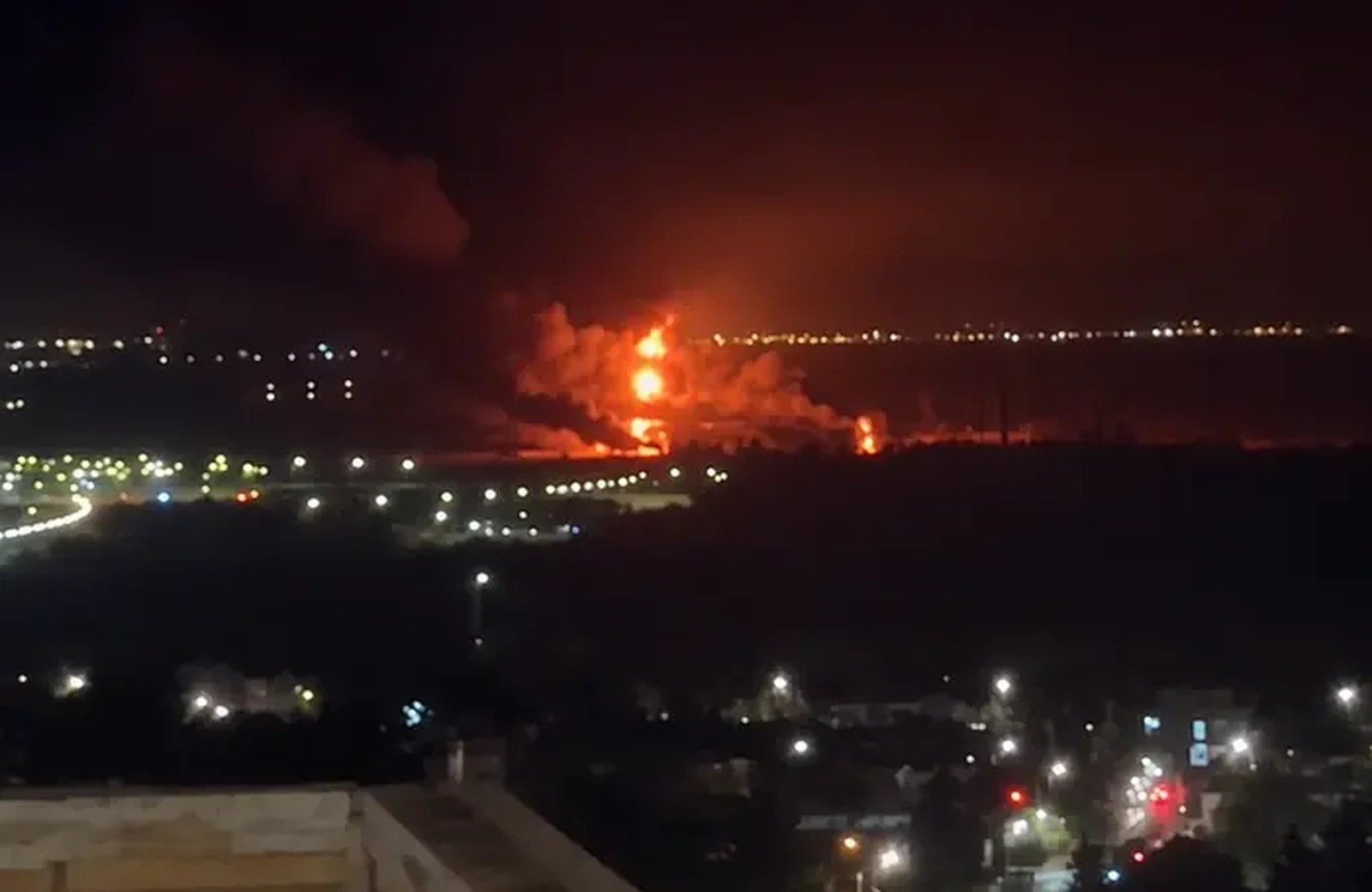
Drones struck a major oil-loading terminal in the southern Russian city of Rostov-on-Don overnight on October 10, triggering a large fire at a facility used to export petroleum products and supply fuel to Russian forces.
We bring you stories from the ground. Your support keeps our team in the field.
According to Exilenova+ on October 10, the attack targeted the oil-loading terminal associated with the Novoshakhtinsk Petroleum Products Plant (NZNP), previously known as Yug Rusi. The facility is located in Rostov-on-Don’s Zheleznodorozhny district.
Rostov pic.twitter.com/V57Y8h5vLd
— Exilenova+ (@Exilenova_plus) October 10, 2026
Exilenova+ published eyewitness footage showing large flames and thick smoke rising from the area following a series of explosions.
Rostov regional governor Yury Slyusar confirmed a drone attack on the region and reported a fire in the city. He also said a railway bridge had been damaged, forcing train traffic to stop in both directions.
The terminal handles petroleum shipments for export and is reportedly involved in supplying fuel to Russian military forces. Its designed annual handling capacity is approximately 2.5 million metric tons.
Rostov at the moment pic.twitter.com/6d2RpS11jJ
— Exilenova+ (@Exilenova_plus) October 10, 2026
The full extent of the damage and its potential impact on terminal operations remains unclear. The facility was previously targeted in a drone strike on July 9, 2026.
The refinery has an annual processing capacity of approximately 4.2 million metric tons and produces gasoline, diesel fuel, aviation kerosene, and other petroleum products.
The strike came a day after Ukrainian drones targeted the Lukoil-Ukhtaneftepererabotka refinery in Russia’s Komi Republic, approximately 1,700 kilometers from the Ukrainian border. The facility processes around 4.2 million tons of crude oil annually and supplies fuel to several Russian regions, with some products exported through Baltic ports.
Discuss this article:





-c439b7bd9030ecf9d5a4287dc361ba31.jpg "Photo of Katherina Popilnichenko")