- Category
- War in Ukraine
European Human Rights Court Hears Case of 10 Ukrainian Children Missing After Russia’s Occupation of Crimea
 Prefer U24 Media on Google
- Authors

-c439b7bd9030ecf9d5a4287dc361ba31.jpg "Photo of Katherina Popilnichenko")
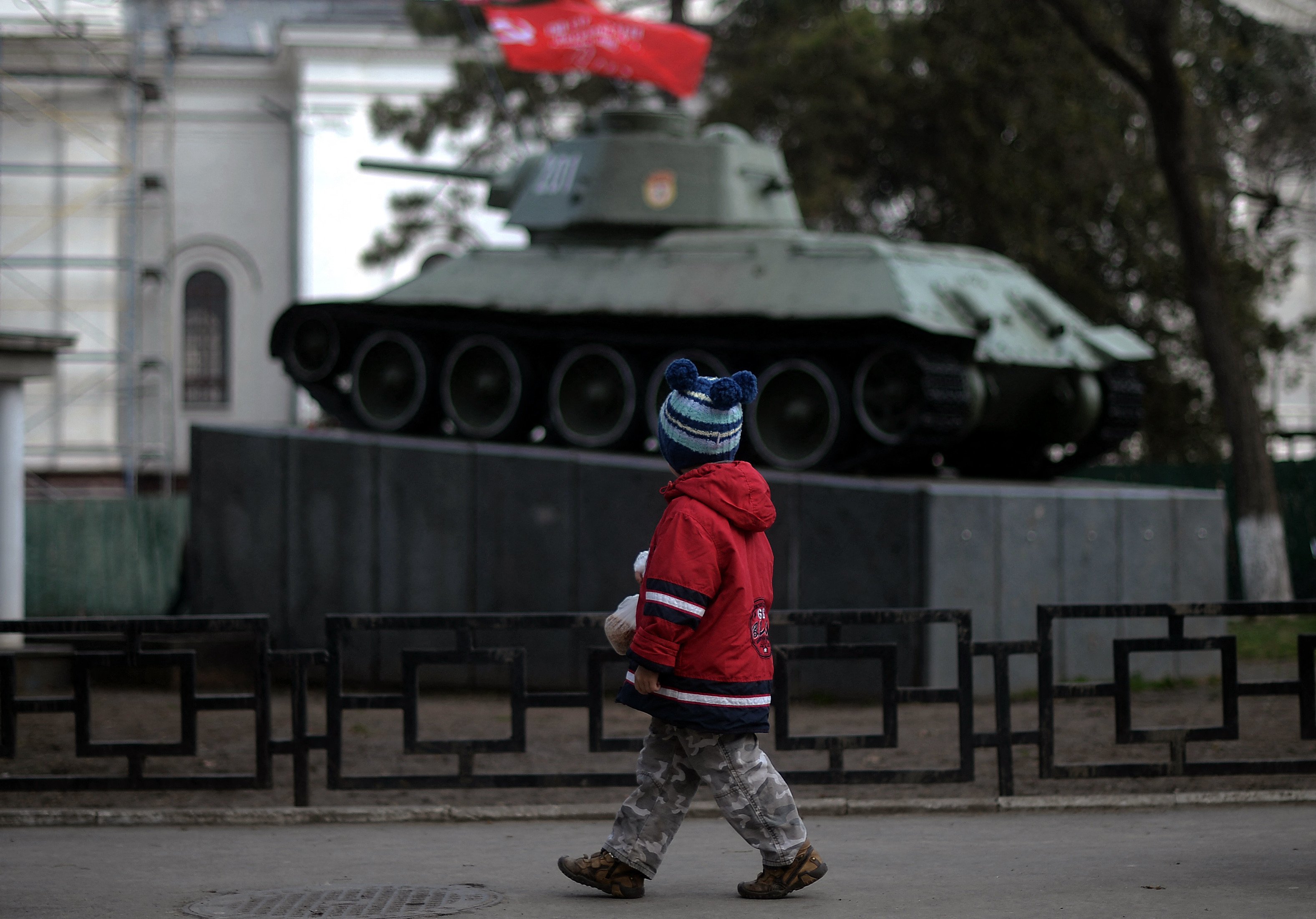
The European Court of Human Rights in Strasbourg held hearings on September 21, 2026, in the case of the Ukrainian Helsinki Human Rights Union on behalf of ten Ukrainian children. The proceedings were detailed in a press release by the International Bar Association’s Human Rights Institute (IBAHRI).
Concerns have been raised regarding ten children in state care who went missing following Russia's 2014 occupation of Crimea. Born between 2009 and 2013, all ten are Ukrainian citizens.
We bring you stories from the ground. Your support keeps our team in the field.
According to the Ukrainian Helsinki Human Rights Union, following the setup of Russian control over Crimea, more than 4,000 Ukrainian children without parental care were declared Russian citizens. Despite formal requests from the Ukrainian government, Russian authorities refused to hand them over and instead initiated illegal adoption procedures.
The European Court of Human Rights granted the application priority and departed from standard practice by holding oral hearings on both admissibility and merits due to the significance of the case.
The legal application was originally submitted in January 2023 by the Ukrainian Helsinki Human Rights Union acting on behalf of the ten children. The claim states that these children were subjected to forced citizenship changes, listed on Russian adoption platforms, and placed into Russian foster or adoptive families.
The applicant argues that these cumulative actions constitute an enforced disappearance. The case relies on Article 5 regarding the right to liberty and security, alleging unlawful detention and location concealment. It also cites Article 8 on respect for private life, arguing that imposing Russian citizenship erased their social identity as Ukrainians.
The International Bar Association’s Human Rights Institute entered the proceedings as an independent third party to assist the court. The organization urged the court to account for the vulnerability of conflict-affected children, address procedural rules when explicit consent cannot be obtained from minor victims, and evaluate the broader systemic policy of identity removal.
The Ukrainian government also participated as a third party, represented by the Ministry of Justice, which linked the case to larger inter-state legal claims against Russia regarding Crimean occupations.
Russian authorities failed to submit rebuttal arguments and did not attend the hearing despite receiving all case documentation. The court will deliver its ruling at a later date following deliberation on oral and written statements.
The identities of the ten children remain confidential under court anonymity orders.
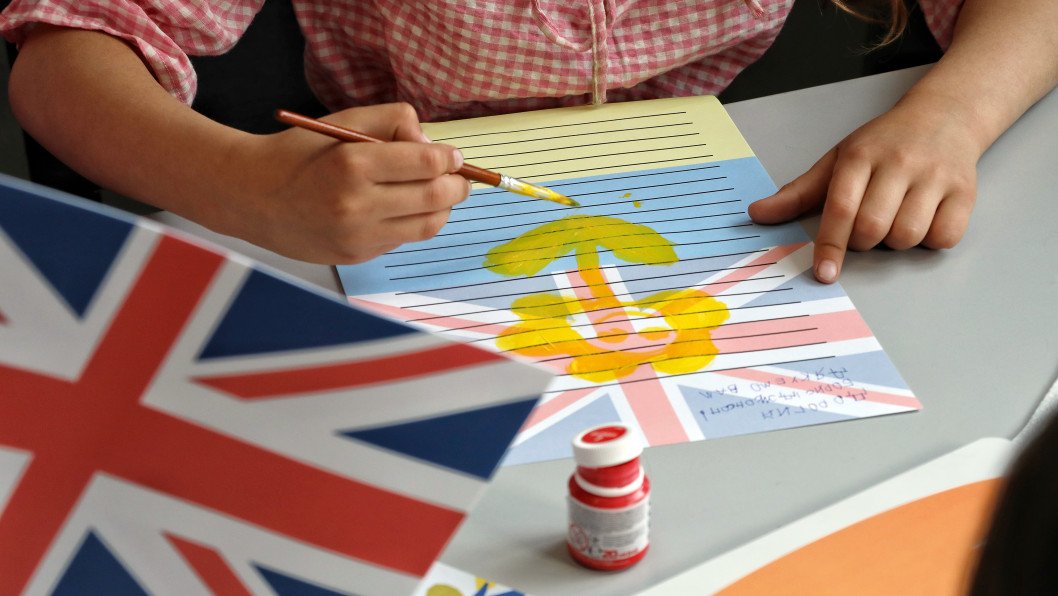
“When Russia occupied Crimea, these children were between one and five years old. Their guardian was the Ukrainian state, and since then it has been unable to receive an answer to a simple question: where are they. Today, these are already teenagers who may be living with foreign citizenship and in foreign families. Justice for them is not just about punishing the guilty. It is the right of every child and their loved ones to know the truth: where they are, who they are with, and who decided they are no longer Ukrainian. This is the fundamental importance of this case,” said Maksym Maksymov, head of Bring Kids Back UA.
“This case is about much more than ten children. It represents thousands of Ukrainian children whose whereabouts remain unknown and whose identity, family ties, and future have been systematically destroyed. The Court has an opportunity to clearly state that these children are not collateral damage of war, but victims of a systematic policy that requires accountability,” said Lady Helena Kennedy, director of IBAHRI.
The events in Crimea from 2014 build upon previous legal findings by the European Court of Human Rights in inter-state decisions against Russia. Additionally, the International Criminal Court issued arrest warrants on March 17, 2023, for Vladimir Putin and Maria Lvova-Belova over the unlawful deportation and transfer of Ukrainian children.
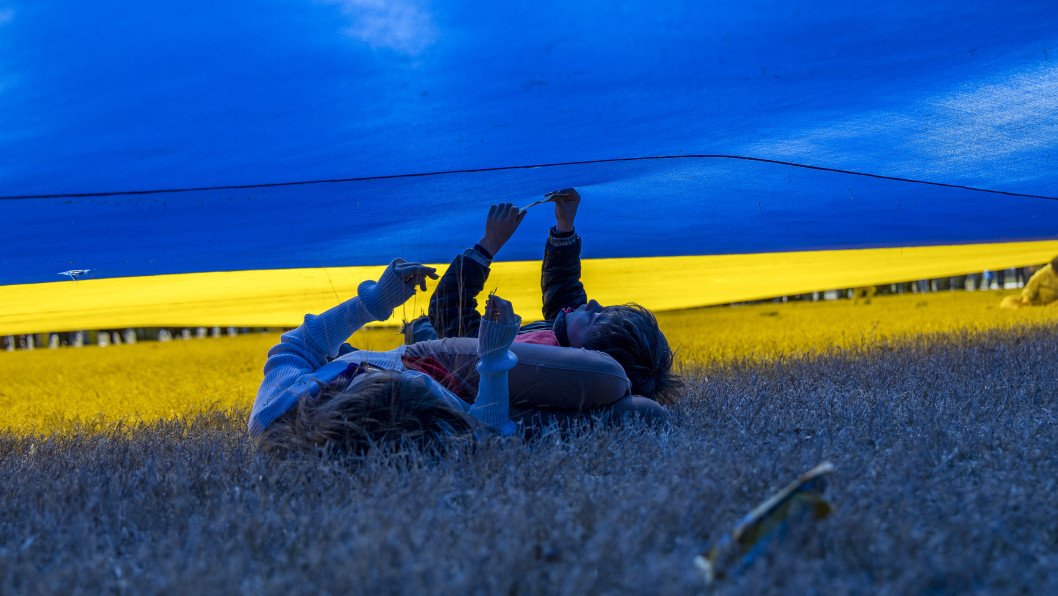
The legal effort aligns with Bring Kids Back UA, an initiative established by Ukrainian President Volodymyr Zelenskyy alongside international partners to secure the return of all deported Ukrainian children and develop protection mechanisms. These efforts build on foundational work, including two White Papers published in 2024 regarding child protection and reintegration.
Previously, President Volodymyr Zelenskyy announced that over 2,100 Ukrainian children forcibly taken by Russia had been successfully returned as part of the "Bring Kids Back UA" initiative.
According to his statement, this figure included 150 children who had been repatriated since the beginning of 2026.
The update followed a report presented by initiative representatives Oleksandr Bevz and Maksym Maksymov, after which Zelenskyy expressed gratitude to international partners for their support, noted the recent UN classification of the forced deportations as a crime against humanity, and highlighted upcoming coalition meetings aimed at securing further returns.
Discuss this article:

-72b63a4e0c8c475ad81fe3eed3f63729.jpeg "Photo of Cyril Barabaltchouk")