- Category
- War in Ukraine
From Doorbells to Traffic Cameras, Hacked Video Feeds Are Becoming Tools of Modern Warfare
 Prefer U24 Media on Google
- Authors

-72b63a4e0c8c475ad81fe3eed3f63729.jpeg "Photo of Cyril Barabaltchouk")
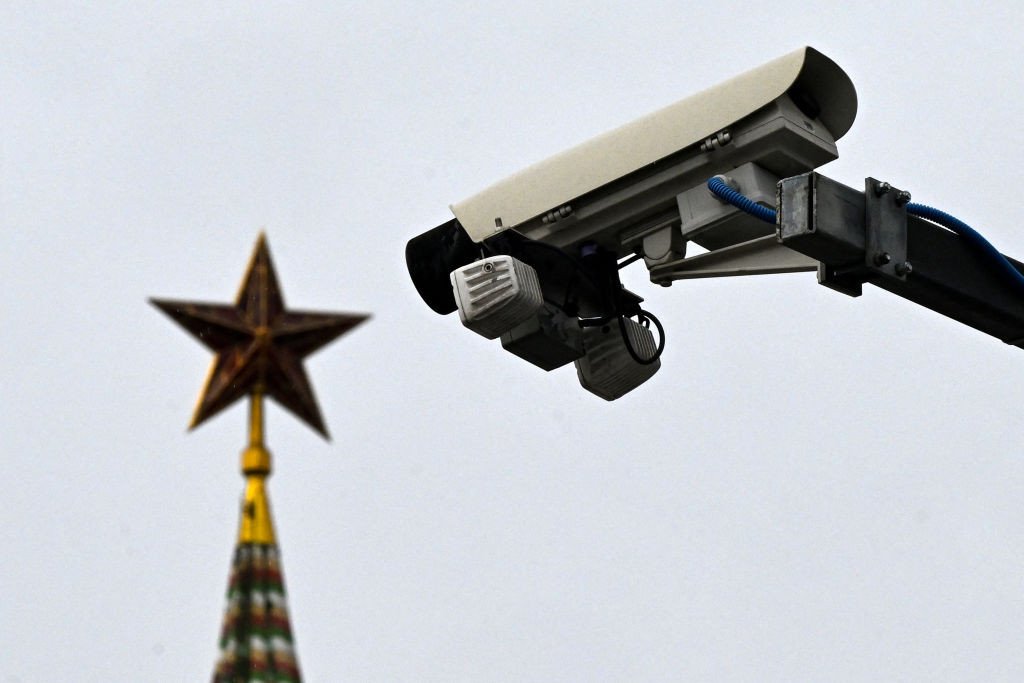
Internet-connected cameras are increasingly being hacked and repurposed for wartime intelligence, allowing combatants to track troop movements, identify targets, and assess strike damage, The Wall Street Journal reported on October 10.
The outlet wrote that Russia and Ukraine have both expanded efforts to compromise civilian cameras during the war, using feeds to monitor military activity, locate targets, and assess the results of attacks.
We bring you stories from the ground. Your support keeps our team in the field.
“We are now seeing the conversion of civilian surveillance into wartime intelligence collection,” Alexander Leslie, a national-security expert at Recorded Future, told The Wall Street Journal.
One Ukrainian-linked hacker group, Team OneFist, gained control of a camera in temporarily Russian-occupied Sevastopol in Crimea in late 2022. According to the Journal, the camera could be rotated and zoomed, giving hackers a view of Russian helicopters, submarines, ships, and surrounding military activity.
The group used the feed to track a Russian helicopter to an airfield and identify what The Wall Street Journal described as a previously unknown Russian military base. Team OneFist passed the information to Ukrainian forces, which later attacked the facility and damaged Russian aircraft and air-defense systems.
Ukraine has also used compromised Russian cameras around the Kerch Strait Bridge. The Journal reported that hacked feeds provided information that helped refine attack planning, including evidence that Russia had installed motion detectors beneath the bridge to counter maritime attacks.
-ab26fdee551dadf40fa373afffd1d0f2.jpg)
Russia has used the same technique against Ukraine. In 2024, Russian hackers gained access to residential webcams in Kyiv, including one operated by a condominium association, according to Ukraine’s Security Service.
The SBU stated that Russia intended to use the compromised feeds to identify targets and adjust missile strikes on the capital. Since the start of Russia’s full-scale invasion in 2022, the agency has identified and secured, redirected, or blocked about 40,000 cameras considered potential security risks.
The Wall Street Journal also noted that Russian camera-hacking operations have extended beyond Ukraine. Dutch intelligence agencies warned in July that Russian state actors were systematically compromising cameras across Europe to collect information on military transport routes, weapons deliveries to Ukraine, and Ukrainian military personnel.
-55f21c7a1f82d98bd95d79ebc8b4ffdf.jpg)
The growing use of artificial intelligence has made such surveillance easier to scale. The Journal reported that intelligence services and hacking groups can automatically test large numbers of passwords and use algorithms to analyze large volumes of footage for military-relevant patterns.
“AI changed everything,” Team OneFist leader Kristopher Kortright told The Wall Street Journal.
The vulnerability extends far beyond dedicated security systems. According to the Journal, cybersecurity specialists estimate that roughly 1.2 billion internet-connected cameras are in use worldwide, including doorbells, traffic cameras, webcams, and baby monitors.

Many remain poorly protected or operate with outdated software and weak passwords, making ordinary civilian devices increasingly useful for military reconnaissance and intelligence collection, The Wall Street Journal reported.
As AI makes cyber intrusions faster and easier to scale, Ukraine has also been strengthening its defenses against Russian digital attacks. In September, OpenAI provided Ukraine with access to its Daybreak program to help identify vulnerabilities and protect hospitals, power plants, and other civilian infrastructure.
Discuss this article:

-c439b7bd9030ecf9d5a4287dc361ba31.jpg "Photo of Katherina Popilnichenko")