- Category
- War in Ukraine
German Defense Minister Visits Ukrainian Air Defense Positions and Kyiv Energy Site Hit by Russian Strikes
 Prefer U24 Media on Google
- Authors


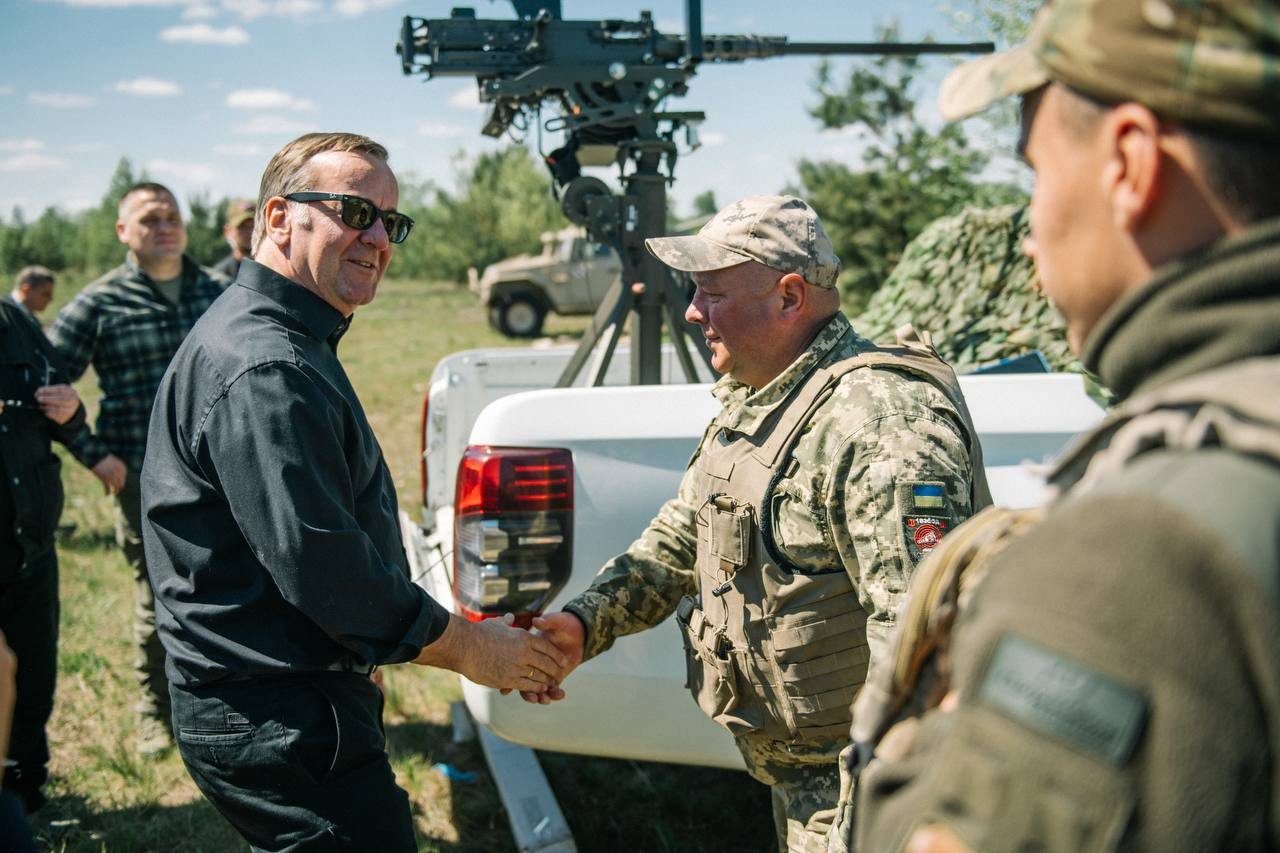
German Defense Minister Boris Pistorius visited Ukrainian air defense positions during his trip to Ukraine on May 11, Ukraine’s Ministry of Defense announced.
According to the ministry, the German delegation was shown a Ukrainian air defense command post as well as a mobile fire group equipped with systems designed to counter Shahed-type drones, including heavy machine guns and interceptor drones.
We bring you stories from the ground. Your support keeps our team in the field.
Ukrainian officials said the visit focused on demonstrating the country’s current air defense capabilities amid continued Russian aerial attacks.
Ukrainian Defense Minister Mykhailo Fedorov said Pistorius also visited an energy infrastructure site in Kyiv that had been damaged during previous Russian strikes.
“Ballistic missiles remain a difficult challenge, but together with Germany we are working on solutions—additional Patriot missiles, the PURL mechanism, and the creation of our own sovereign European anti-ballistic capability,” Fedorov wrote.
He stated that the country had managed to withstand Russia’s full-scale invasion thanks to the efforts of its military and the continued support of international partners.
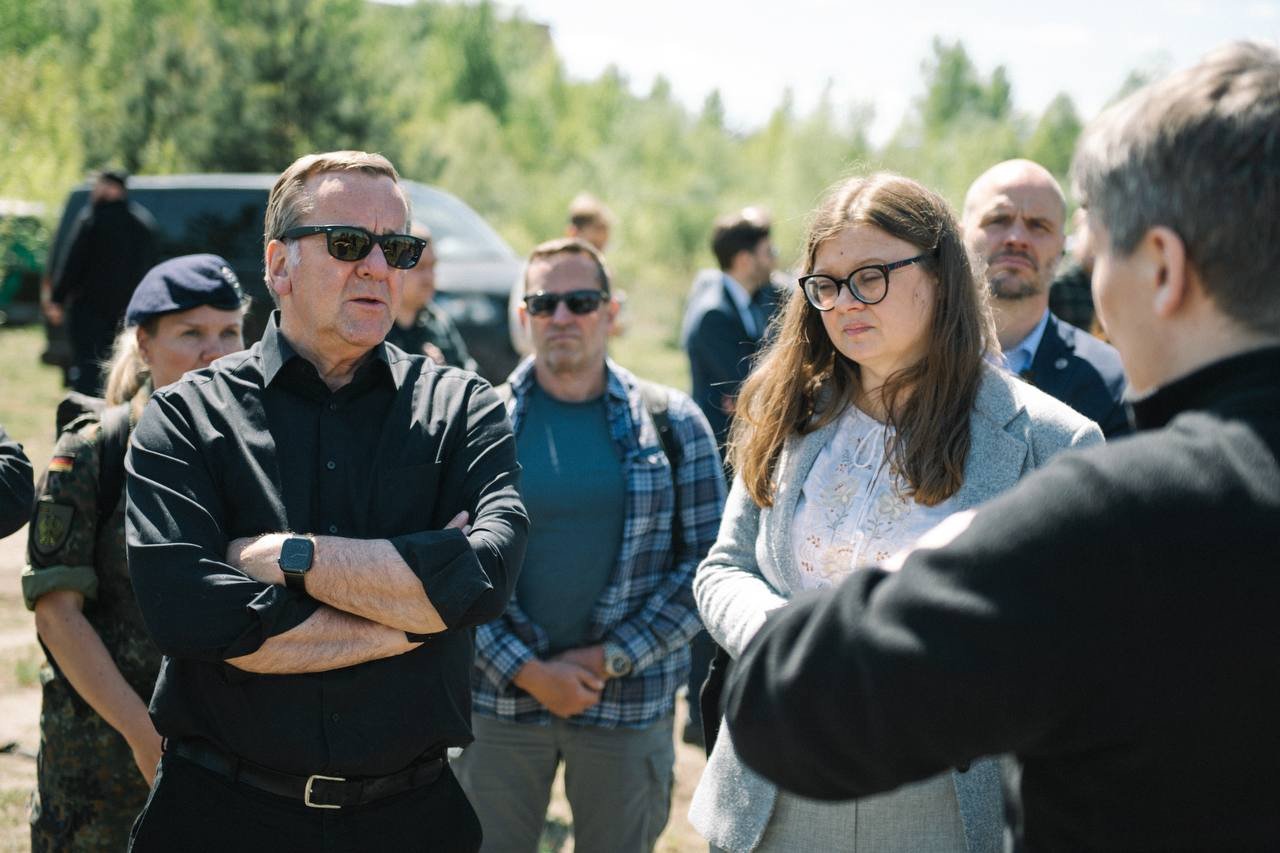
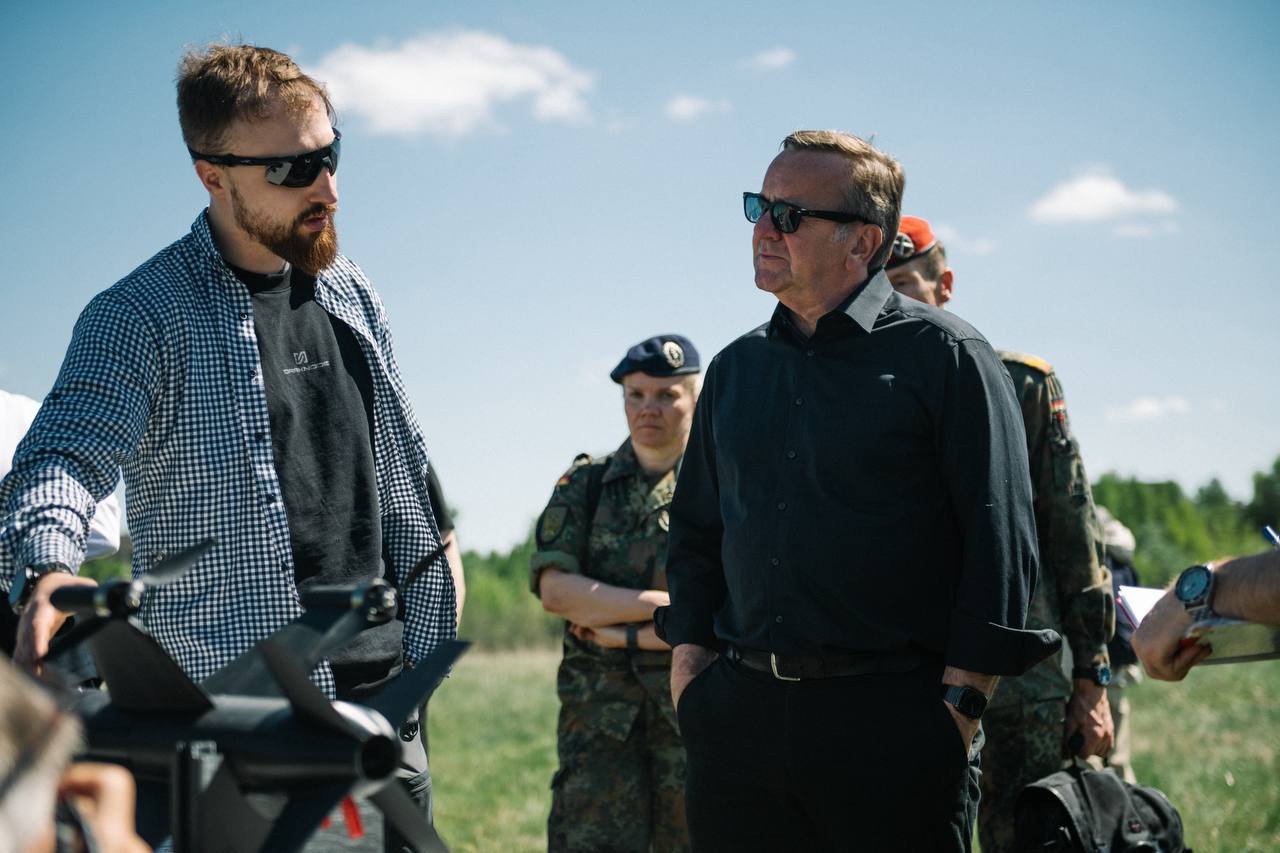
According to Fedorov, Germany had become one of the leading contributors to strengthening Ukraine’s air defense capabilities through the supply of Patriot missiles, financing under the PURL mechanism, and the launch of an initiative aimed at urgently transferring additional missiles from European stockpiles during the most critical winter period.
“It was important for us to show this specifically to Germany. The past winter was one of the most difficult for Ukraine, as Russia nearly doubled its number of attacks. Over the course of several months, the enemy launched more than 1,000 ballistic and cruise missiles and 27,000 Shahed-type drones,” Ukrainian Defense Minister added.
The visit follows a renewed wave of Russian strikes on Ukraine on May 12. Just hours after the expiration of a three-day “ceasefire” declared by Russian leader Vladimir Putin, Russian forces initiated a new wave of drone incursions across several Ukrainian provinces. According to Ukrainian President Volodymyr Zelenskyy, the strikes targeted residential neighborhoods, critical infrastructure, and civilian sites.
Air defense sirens were activated across much of the nation as Russian UAVs moved toward Kyiv and its outskirts. The attack also extended to the Dnipropetrovsk, Kharkiv, Chernihiv, Zhytomyr, Zaporizhzhia, Vinnytsia, and Kherson regions.
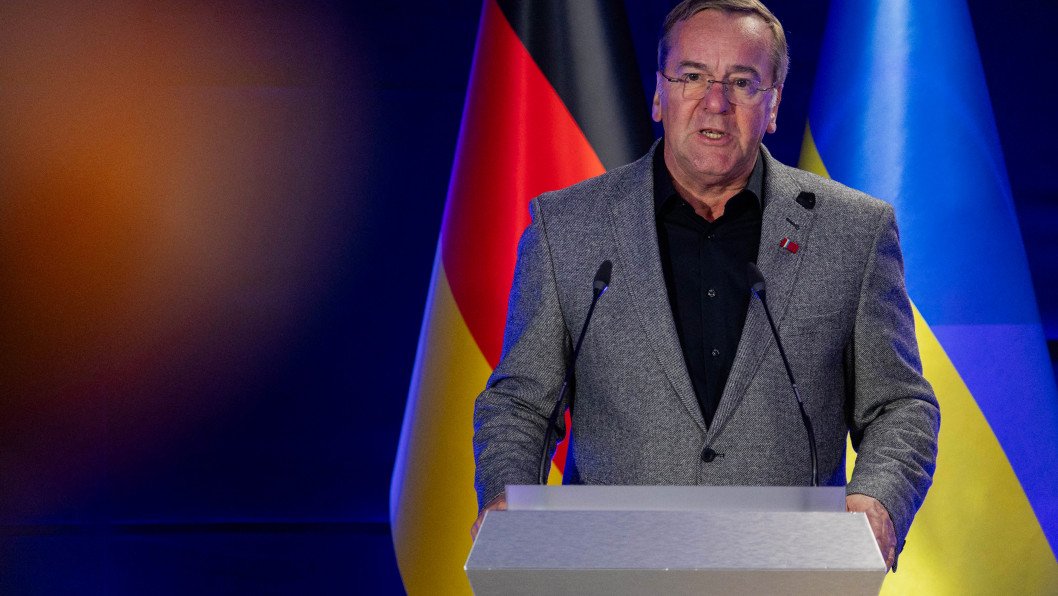
Additionally, during the German Defense Minister’s visit to Ukraine, Boris Pistorius and Mykhailo Fedorov have signed a letter of intent to establish Brave Germany, a strategic partnership designed to accelerate the development of cutting-edge defense technologies and provide a launchpad for innovative military startups.
The initiative will be integrated into Brave1, Ukraine’s specialized government-backed defense technology cluster responsible for the rapid development and field-testing of military innovations.
According to Fedorov, the program is set to introduce a joint grant mechanism specifically for Ukrainian and German firms. The funding will target high-priority defense sectors, focusing on unmanned systems, artificial intelligence for battlefield management, high-power laser systems, resilient communication technologies, and missile-related projects.
Discuss this article:
-9a7b3a98ed5c506e0b77a6663f5727c5.png)