- Category
- War in Ukraine
How a Danish Wildfire Startup Ended Up Powering Ukraine’s GPS-Free Strike Drones
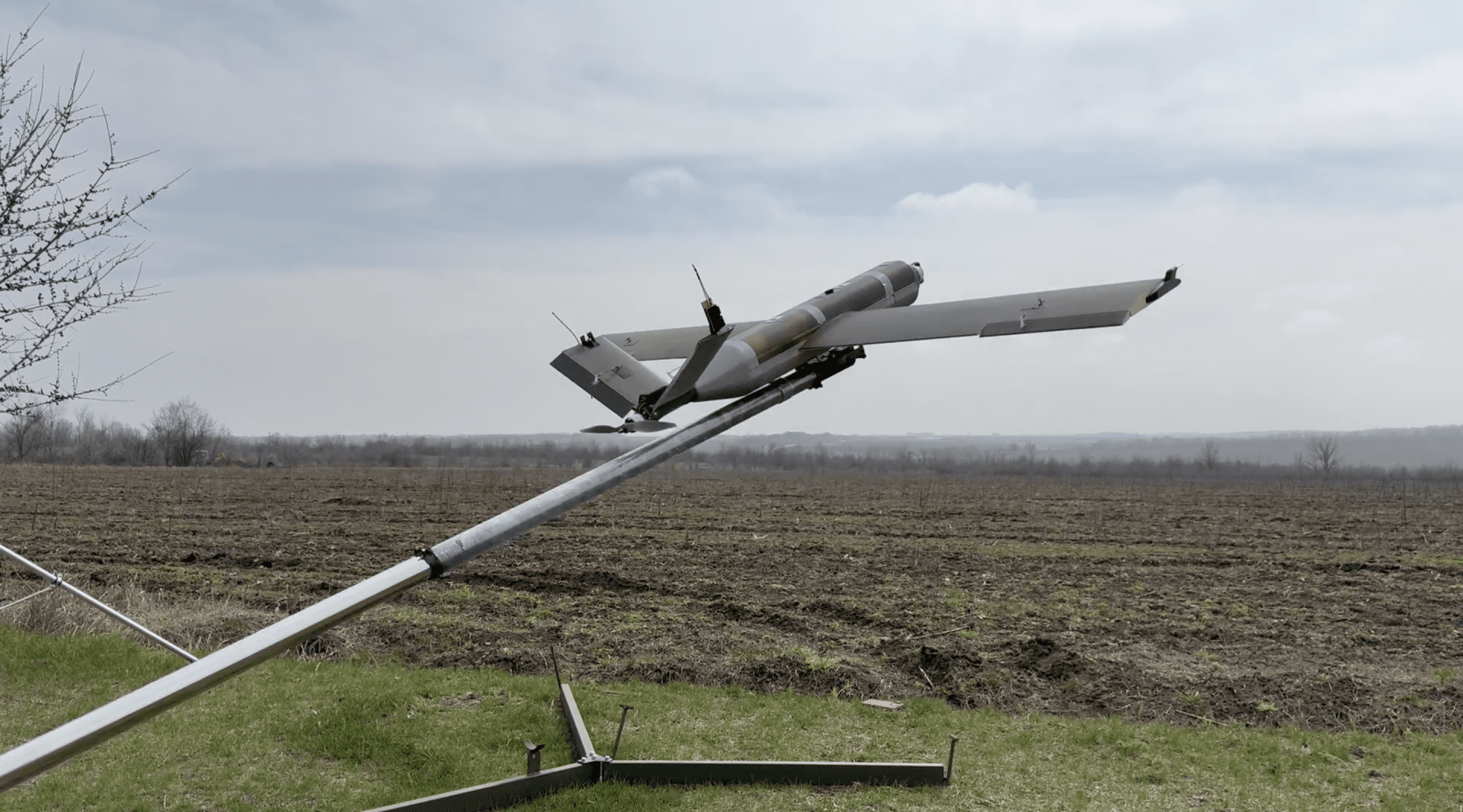
With its autonomy software deployed on more than 5,000 drones in Ukraine, Danish startup Robotto has become one of Europe’s largest providers of GPS-free autonomy for drones conducting “find, fix, finish” targeting missions.
 Prefer U24 Media on Google
- Authors

-f031f82713b8a3f9c263632f1920268e.jpeg "Photo of Marharyta Varadovska")
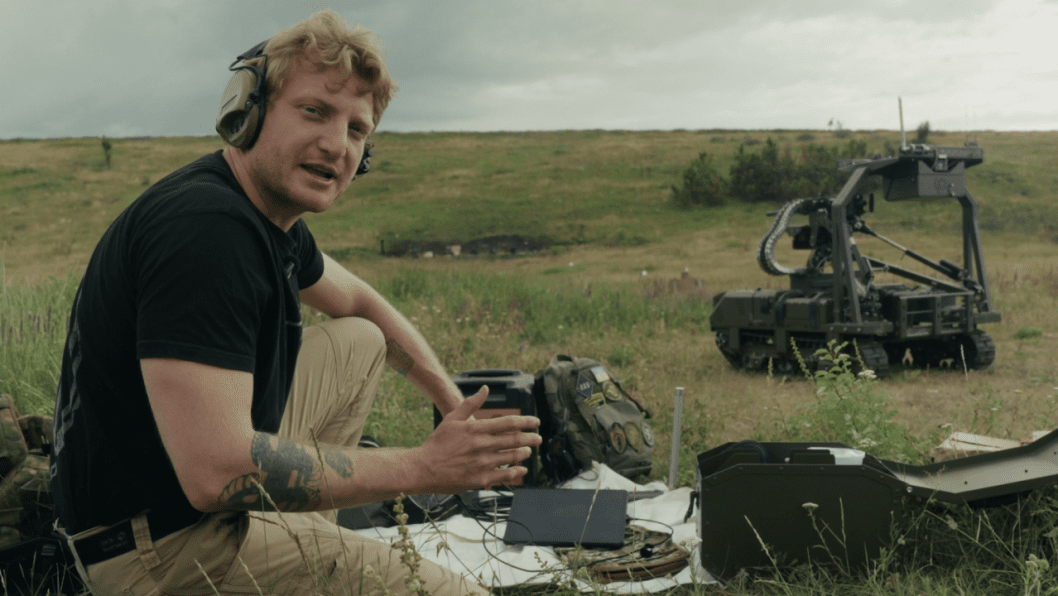
Danish army veteran Kenneth Geipel built a company focused on learning machines to monitor wildfires. Robotto's software operated on drones, scanning forests for the first signs of wildfire smoke and mapping the wildfire in real time. AI and computer vision processed data directly onboard the drone, interpreting the environment in real time. The goal was early detection and clear situational awareness.
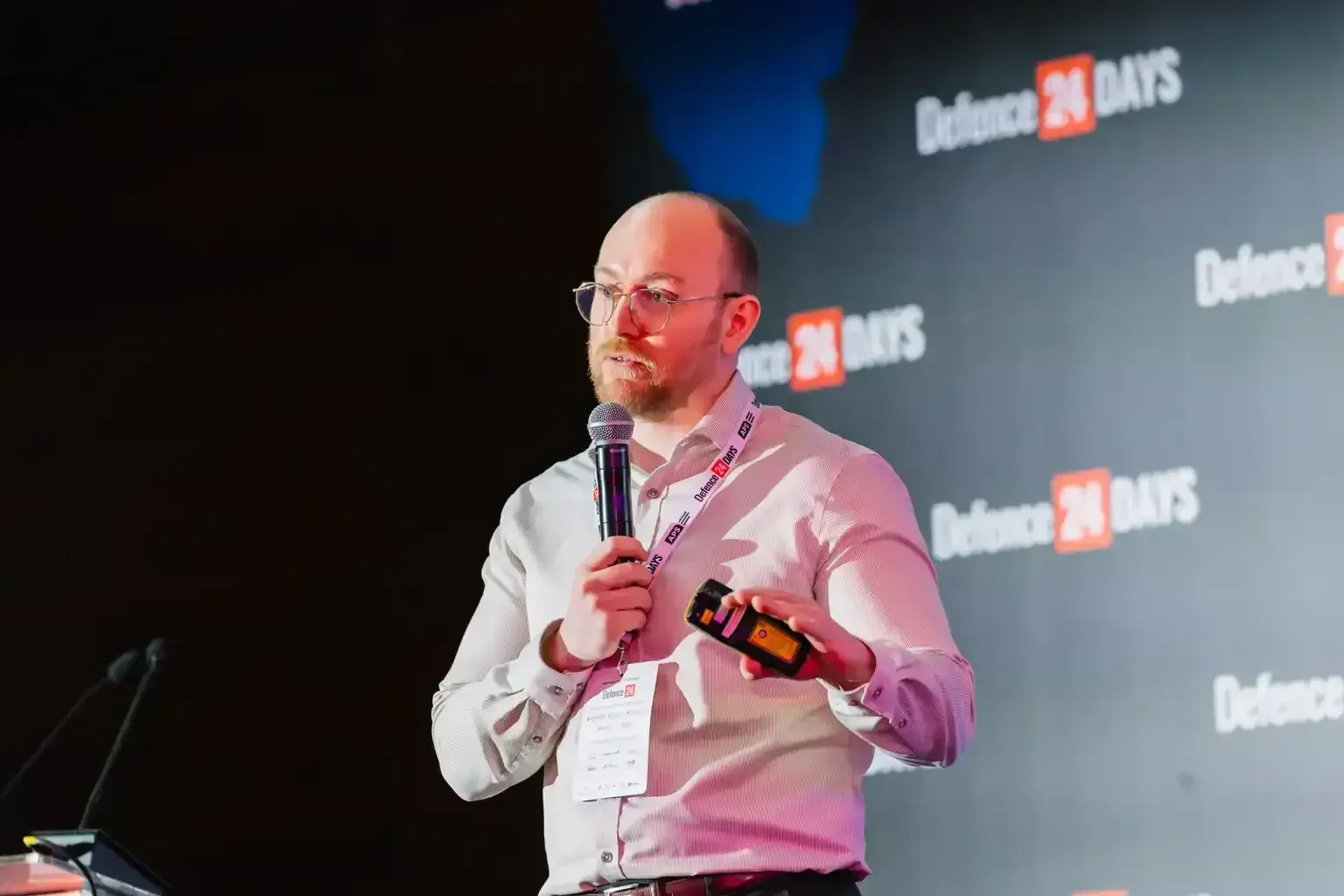
On February 24, 2022, that was still their only focus.
But a message arrived on LinkedIn. It was from a veteran Kenneth had served with in Afghanistan back in 2005, now with a Ukrainian wife and a war in her country. He had followed Robotto’s work. His question was direct: could they help?
"Whenever a veteran calls you, you say yes—no matter what it is," Kenneth says.
They switched to Signal . On the other end: Ukrainians building and operating FPV drones at the front. Kenneth and his comrade listened and asked one question: "What is your biggest problem today?”
The answers came from the frontlines. Robotto, first built to find fires, started building something new.
From wildfire detection to terminal guidance
Robotto does not build drones. They provide autonomous software solutions, in the form of edge nodes, that let UAVs navigate and terminate the target without GPS or uplink. This system began as a wildfire detection tool at Aalborg University in Denmark, where Robotto started as a spin-out. Ukrainian operators faced a similar challenge: machines must interpret their environment on their own, especially when assumptions are risky, and adversaries try to disrupt sensors.
Robotto partnered with Ukrainian drone manufacturers, adapting its software for offensive missions. The company worked directly with frontline units to develop autonomy for loitering munitions. The edge nodes let drones navigate and strike without GPS. That matters because satellite signals are routinely jammed or spoofed on Ukraine’s front lines, where electronic warfare can render GPS-dependent drones ineffective.
The development happens at the front, with constant feedback from operators. It was not a finished product shipped from Denmark. This method now defines how Robotto works.
The numbers come from the front, not a test range
In 2025 and 2026, European defense tech saw record investment. European defense, security, and resilience startups raised a record $8.7 billion in venture capital in 2025, a 55% year-on-year surge, according to a joint report by Dealroom.co and the NATO Innovation Fund, a €1 billion fund backed by 24 NATO countries. Growth in the sector outpaced the broader European venture market, which grew 16% over the same period. Much of the money went to companies based on demos and high valuations. On the Ukrainian eastern front, satellite signals are routinely denied, and jamming is constant.
The fund itself has cautioned that capital does not automatically become capability. "Investment alone doesn't automatically translate into stronger European defense capabilities," John Ridge, the NATO Innovation Fund's Chief Adoption Officer, said on the report's release. "What matters is how effectively DSR startups and scaleups are turning funding into real technologies, real contracts, and real operational impact."
Robotto says this outcome is expected and that there is only one way to avoid it.
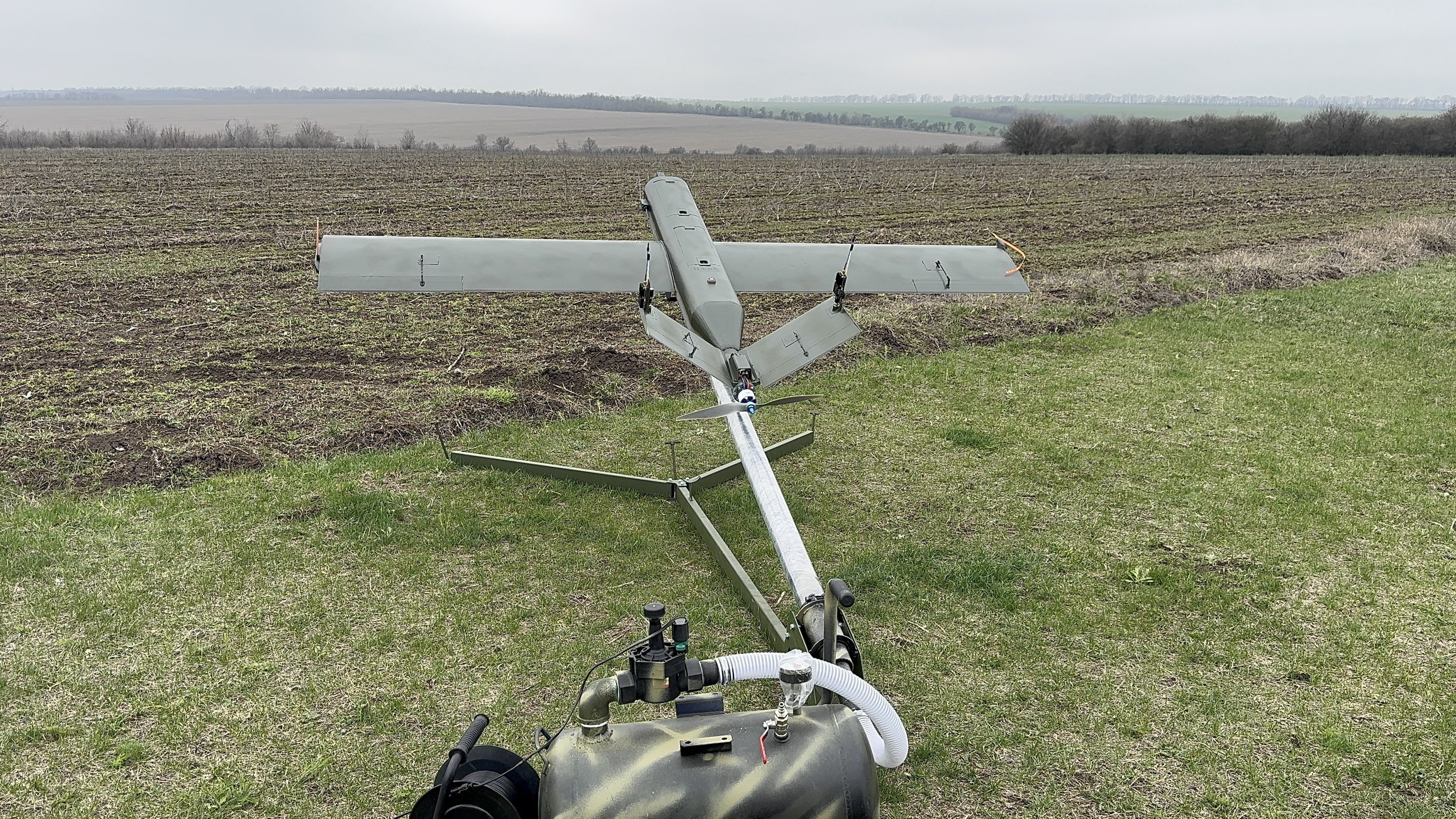
"There are companies with a lot of good ideas,” Kenneth says. “But when it hits the front line, especially in Ukraine, they find out it does not work. We built our product on the front line, together with these units. That is our edge."
Robotto backs its claims with operational data. The company says its edge node autonomy runs on about 5,000 licensed quadcopter and fixed-wing platforms in Ukraine, in service since 2024. Kenneth told UNITED24 Media that the software achieves a hit rate between 80% and 100% in GNSS-denied conditions, including under electronic warfare, in poor visibility, and across different airframes.
The system flies and orients itself without GNSS, using a single camera feed to identify and calculate objects in three dimensions. It does not rely on heavy sensor suites or satellite fixes that can be jammed. The architecture is modular, built from separate components for navigation, object detection, and object calculation. The same core moves from a quadcopter to a fixed-wing aircraft by swapping one part. The software is meant to provide ease of integration and reduce operational workload achieved through autonomy, without removing the person who decides to engage
A Kyiv operation, not a flag on a map
In March 2026, Robotto established a Ukrainian subsidiary, Robotto UA, with backing from Final Frontier, an investor in European space and defense technology, and from EIFO, Denmark's export credit agency and national promotional bank, which has known the company since it took an early growth loan in 2022.
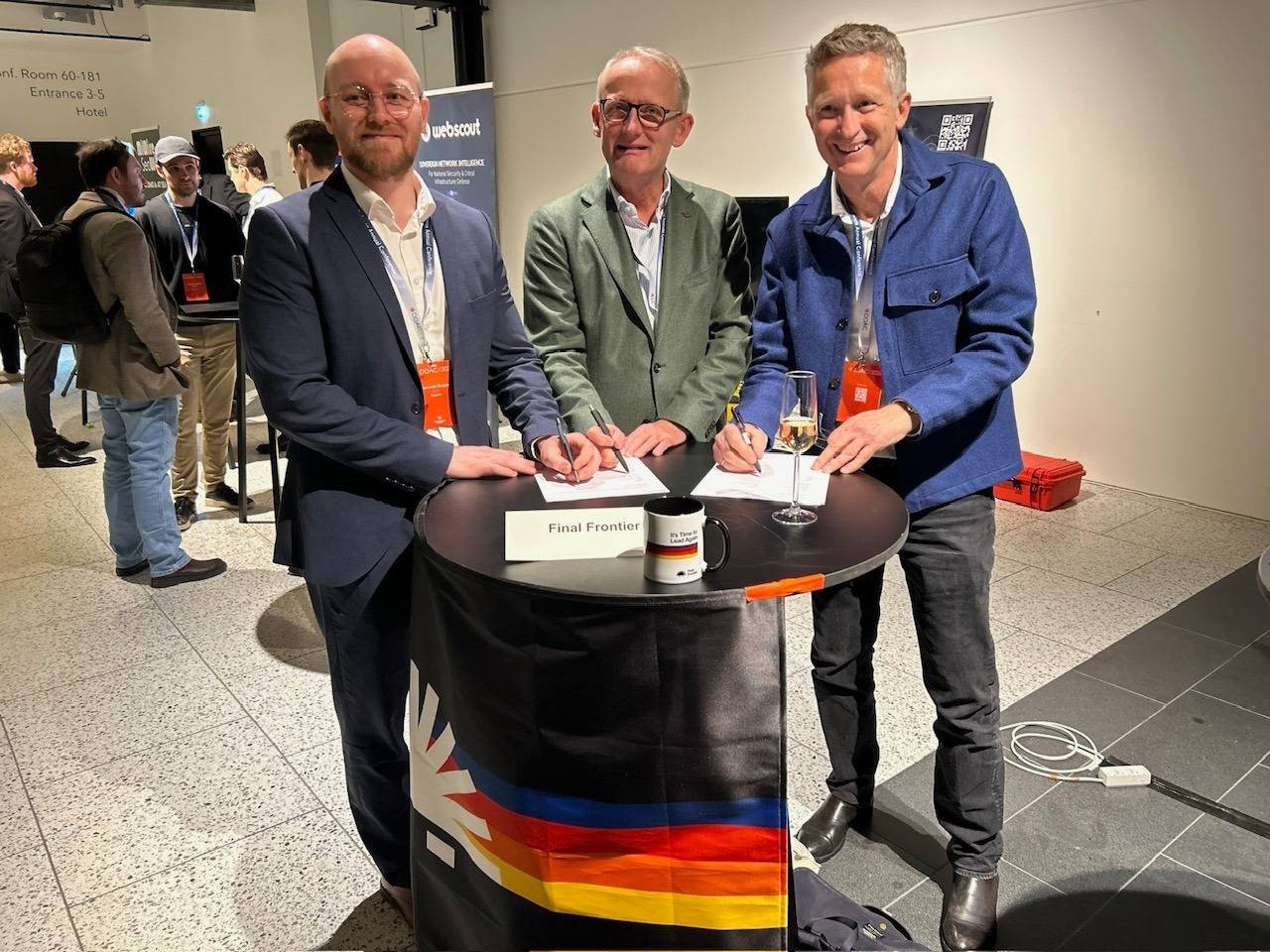
"Ukraine is the epicenter of military drone innovation," Kenneth says. "If we want to develop technology that performs under the most demanding conditions, we have to be present where our software is being used."
Robotto holds its intellectual property in Denmark and works with the Danish Ministry of Foreign Affairs. The company sums up its approach: designed in Denmark, combat-proven in Ukraine.
What Ukraine is teaching NATO
For Europe, this matters in two ways. Ukraine is not only getting new capabilities; it is generating the operational knowledge that will improve the systems Denmark and its allies use next. Software that already works without GPS, under jamming, and across different products has solved problems that peacetime procurement can only predict.
Robotto argues that as Europe builds its own autonomy layer for unmanned systems, the product's intelligence should be in the software, not only in the airframe. This allows allied militaries to deploy many affordable drones that still work even when signals are lost, a key strength in Ukraine’s defense today. As Robotto begins to grow within NATO as a member of the 2026 NATO Diana cohort , it looks to find a way to bridge its ongoing partnership with Ukrainian manufacturers for the future of NATO’s defense. Robotto believes procurement choices in the next two years will shape allied drone capabilities for the next twenty years. “We feel deeply for the people of Ukraine—in this war, and in the peace that has to come after it,” says Christine Thaagaard, Head of Governmental Relations at Robotto. “What we are really building is a bridge between Ukraine and NATO: shared technology, shared knowledge, shared standards. We are not only setting ourselves up to succeed today. We are setting up for the partnership that will still matter long after the fighting stops.”
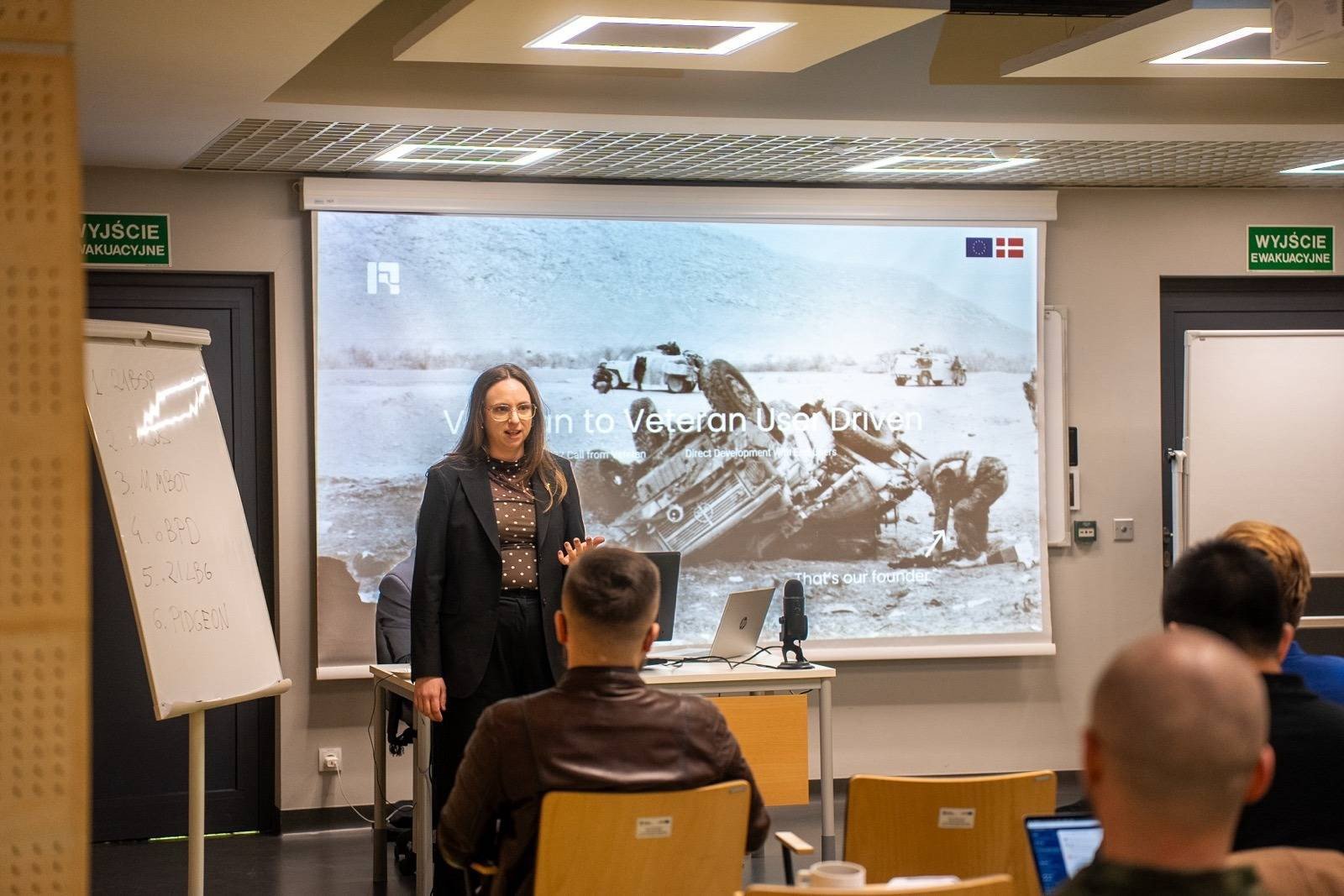
Kenneth Geipel and Christine Thaagaard were interviewed by UNITED24 Media for this article. Deployment and performance figures are provided by Robotto.
Discuss this article:




-efa69d4733b5af9f7cd0a642f85424a6.jpeg "Thick black smoke rises from the heavily damaged Proton-Electrotex plant in Orel, Russia, following a reported strike. (Source: Exilenova+)")