- Category
- War in Ukraine
How Britain’s Retired Fire Trucks Keep Saving Lives on Ukraine’s Frontline
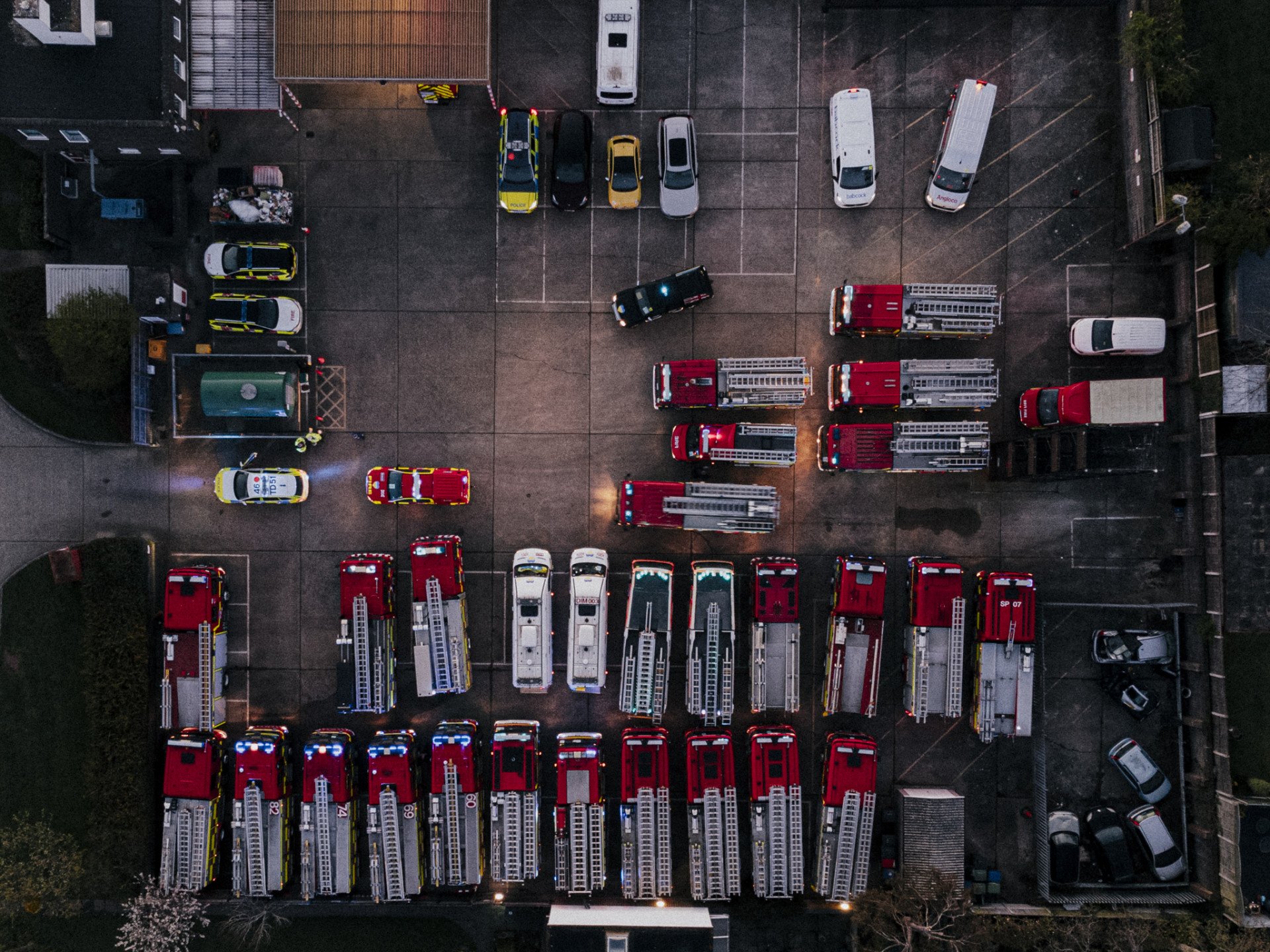
Since Russia’s full-scale invasion, more than 1,800 fire trucks and nearly 500 emergency service facilities have been destroyed in Russian strikes targeting critical infrastructure. Nearly 2,500 km away, FIRE AID UK and one of their dedicated volunteers on the ground in Kyiv are helping sustain emergency response efforts—one fire truck at a time.
 Prefer U24 Media on Google
- Authors

-8fda54010650befcec1e2c4d694c566b.jpg "Maria Kuchapska")
In 2022, Edward Matthews was a burnt-out nightclub photographer working the festival circuit. On February 24, he had just returned home from a gig and was editing photos at 3 am when news broke that Russia had launched its full-scale invasion of Ukraine. In that moment, Matthews realized it was time to leave the club scene behind and put his photography skills to use for a greater purpose.
At first, he headed to Poland and got a small commission from a press agency to photograph the refugee crisis at the border.
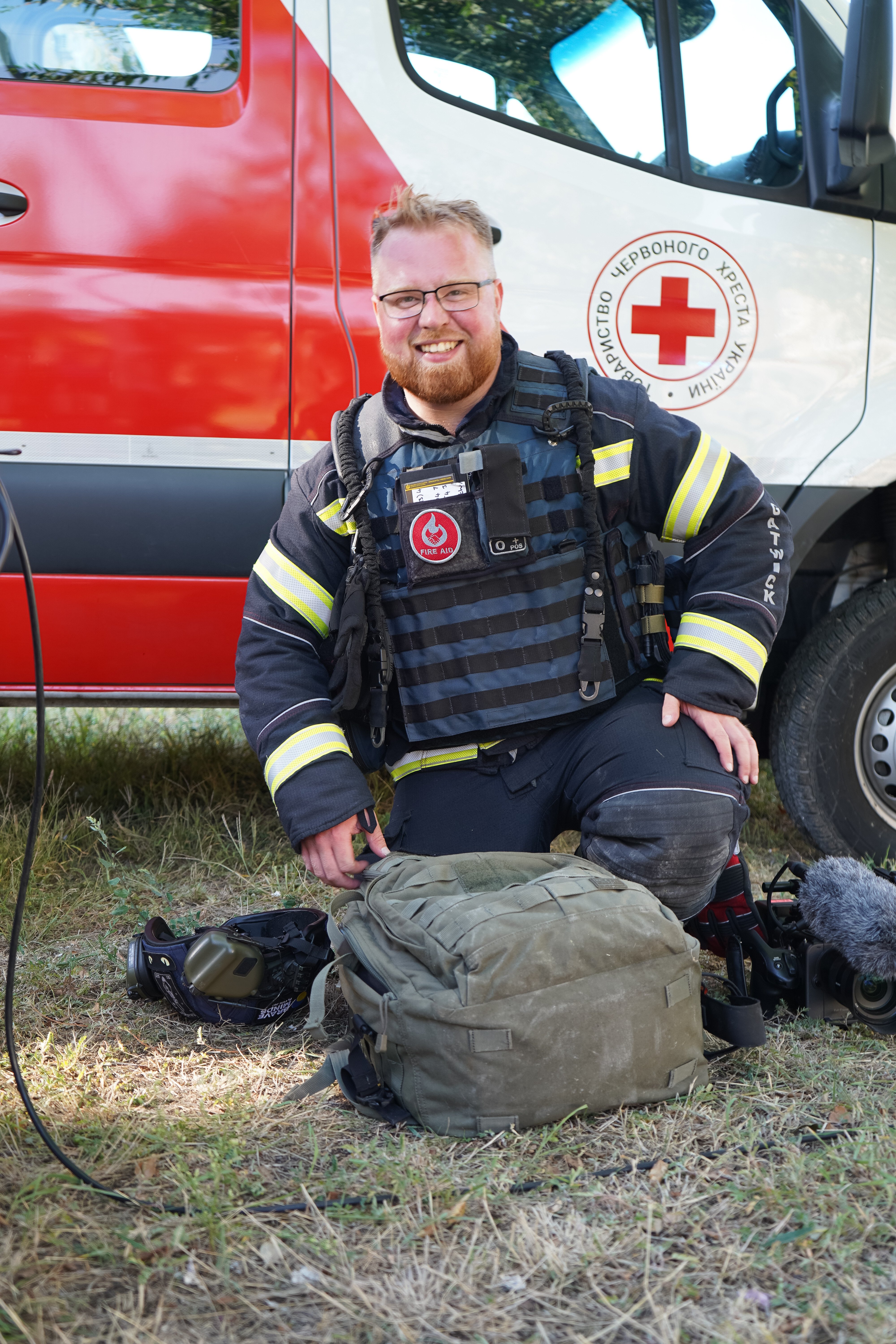
“But, when I arrived, I was so taken aback by the sheer scale, and what I was seeing,” says Matthews. “I realized that I didn't want to just take photos of the situation. I wanted to actually use my skills to help people.” In the initial months of the invasion, word spread quickly, and volunteer networks organically grew into entire communities dedicated to supporting Ukraine.
How retired UK fire trucks reached Ukraine
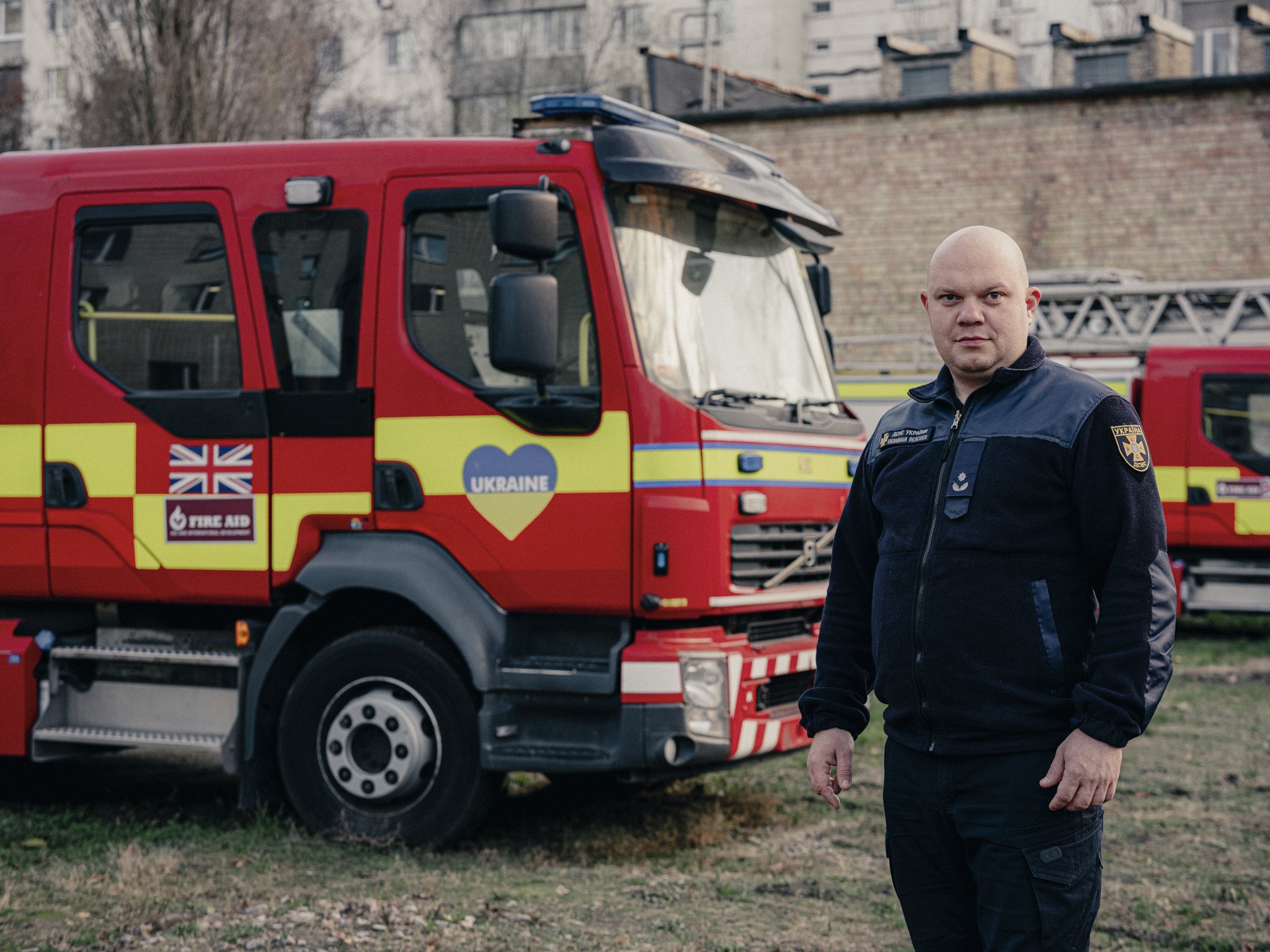
FIRE AID, a UK NGO that had been providing Ukraine with retired fire trucks since 2012, took notice and contacted Matthews for support with documenting fire truck deliveries.
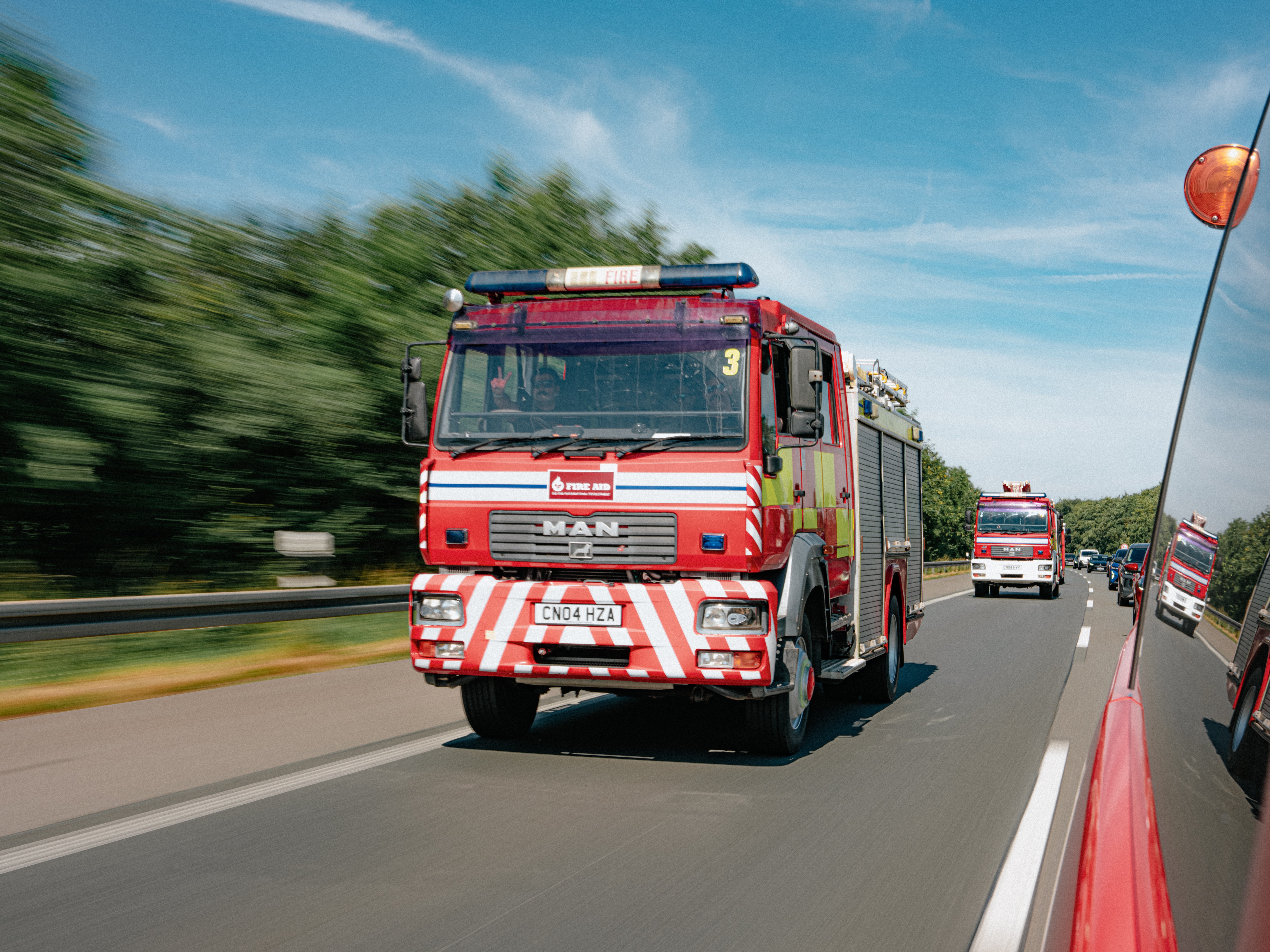
By 2024, FIRE AID delivered its 7th convoy of fire trucks to Ukraine: 120 trucks in total by that point. The photographer’s footage impressed the UK government and ordinary citizens at a screening at Somerset House in London, in partnership with the London Fire Brigade, so much that FIRE AID was able to secure another 30 trucks for the next delivery. Fire services around the country began pledging vehicles, and state departments allocated additional funding. That convoy, which also included thousands of pieces of firefighting equipment, became the largest single donation of British fire and rescue equipment in history, according to Matthews.
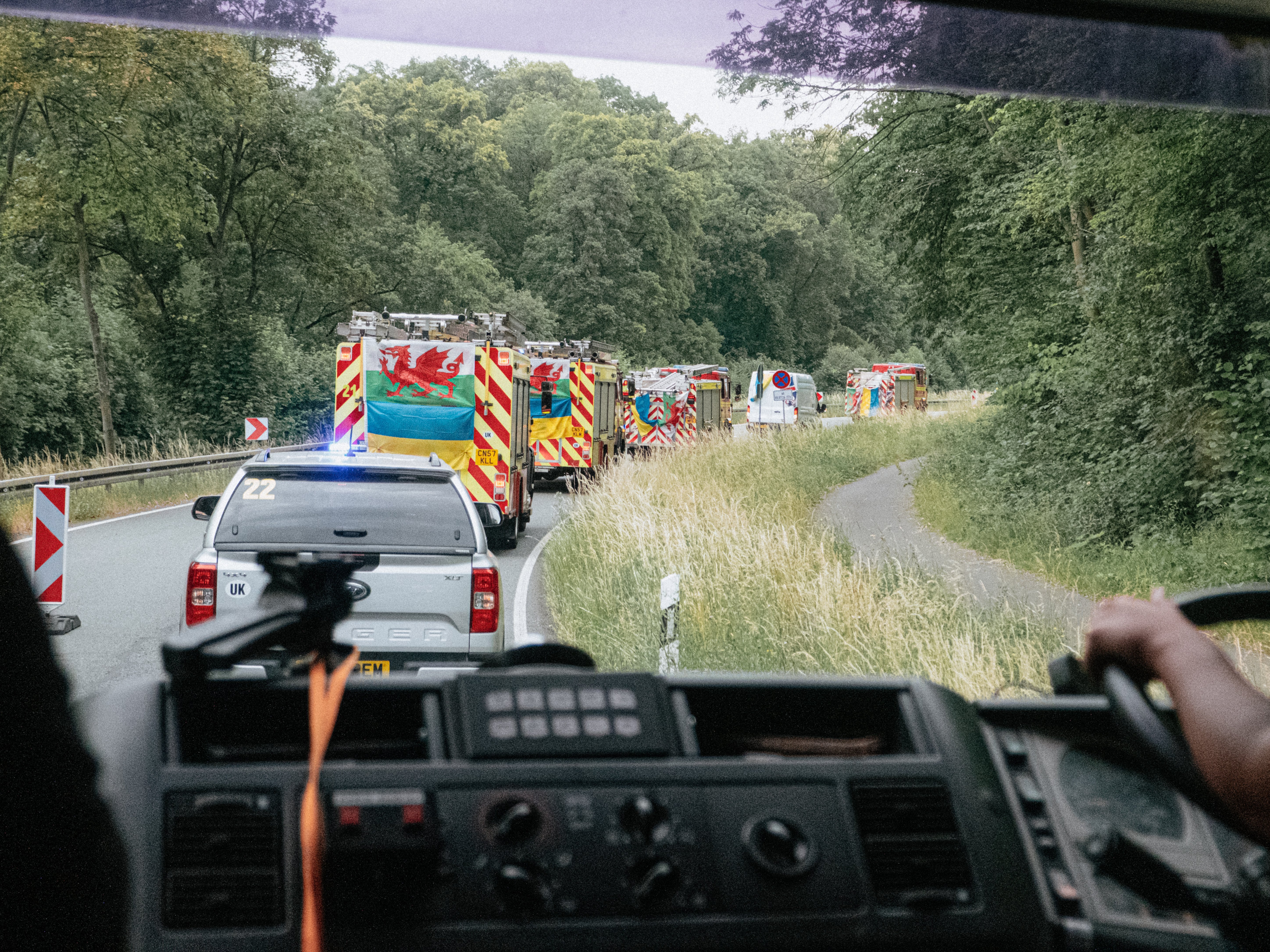
To date, 175 fire and rescue vehicles, 9 boats, 87 generators, and personal protective equipment (PPE) for over 7,500 firefighters have been delivered via the initiative to Ukraine, including a 21-truck convoy delivered in July 2026. During the most recent delivery, Valerii Zaluzhnyi, Ambassador of Ukraine to the United Kingdom, commented that FIRE AID has become the largest international fire service support initiative ever undertaken by the United Kingdom, emphasizing, “These are not just numbers. They represent saved lives, protected cities, and the ability of our emergency responders to continue their mission under the most extreme conditions of war.”
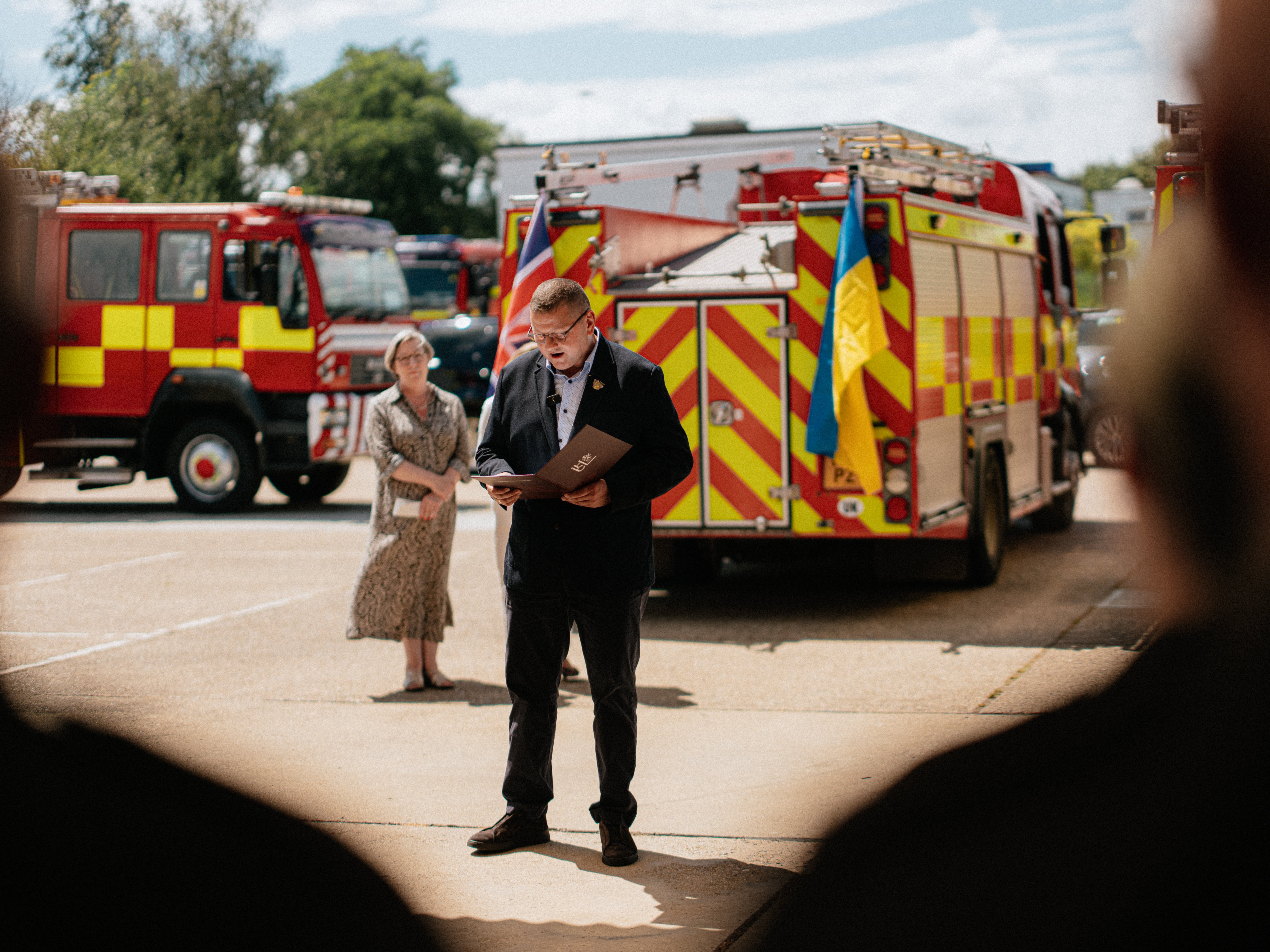
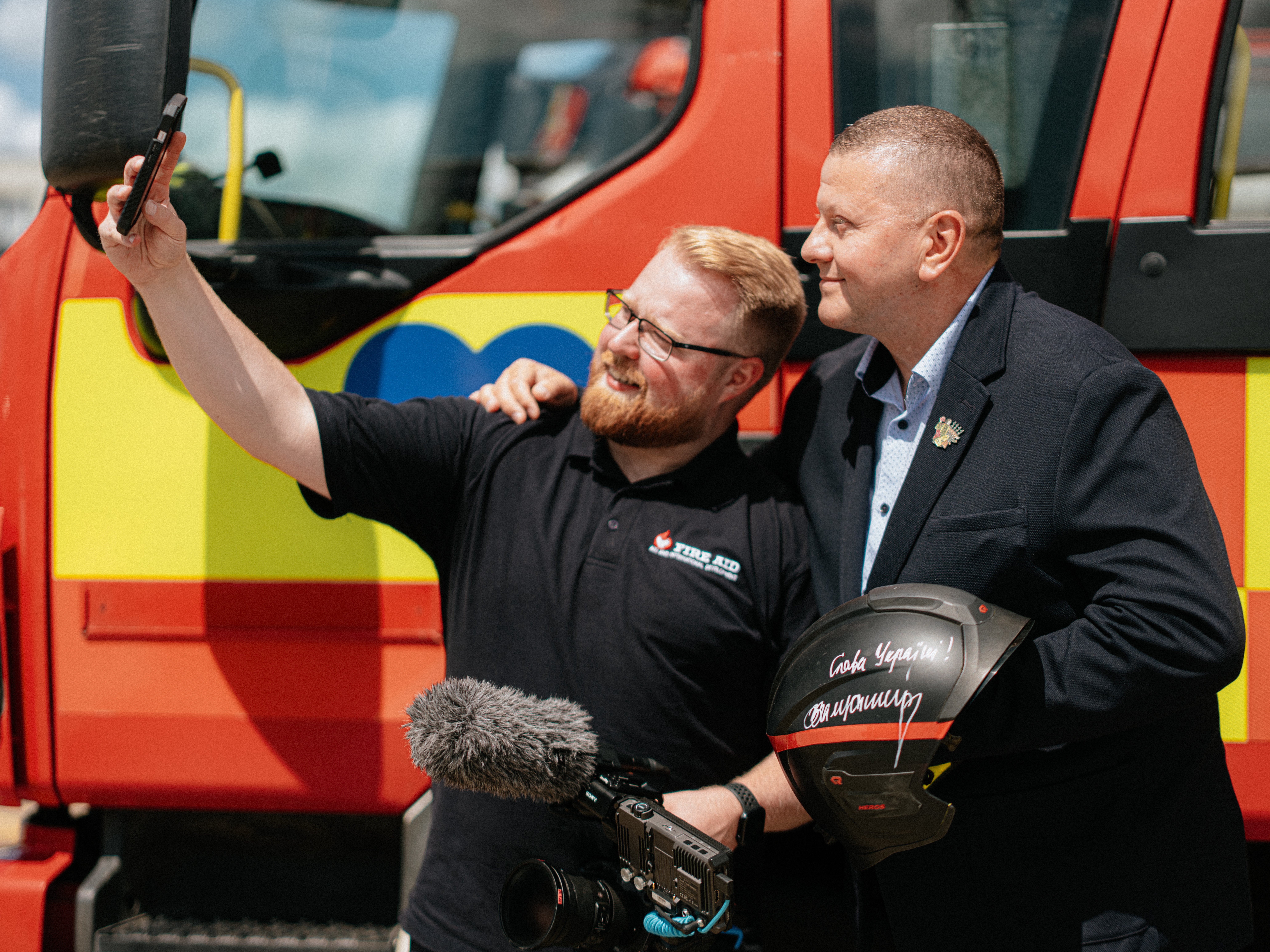
This equipment has helped replace critical emergency response equipment that has been damaged or destroyed in Russian attacks, restoring firefighting capabilities in frontline regions where communities continue to face frequent strikes. The vehicles, power generators, and protective gear allow emergency crews to maintain operations in the most affected areas. Each new piece of equipment helps save lives across Ukraine.
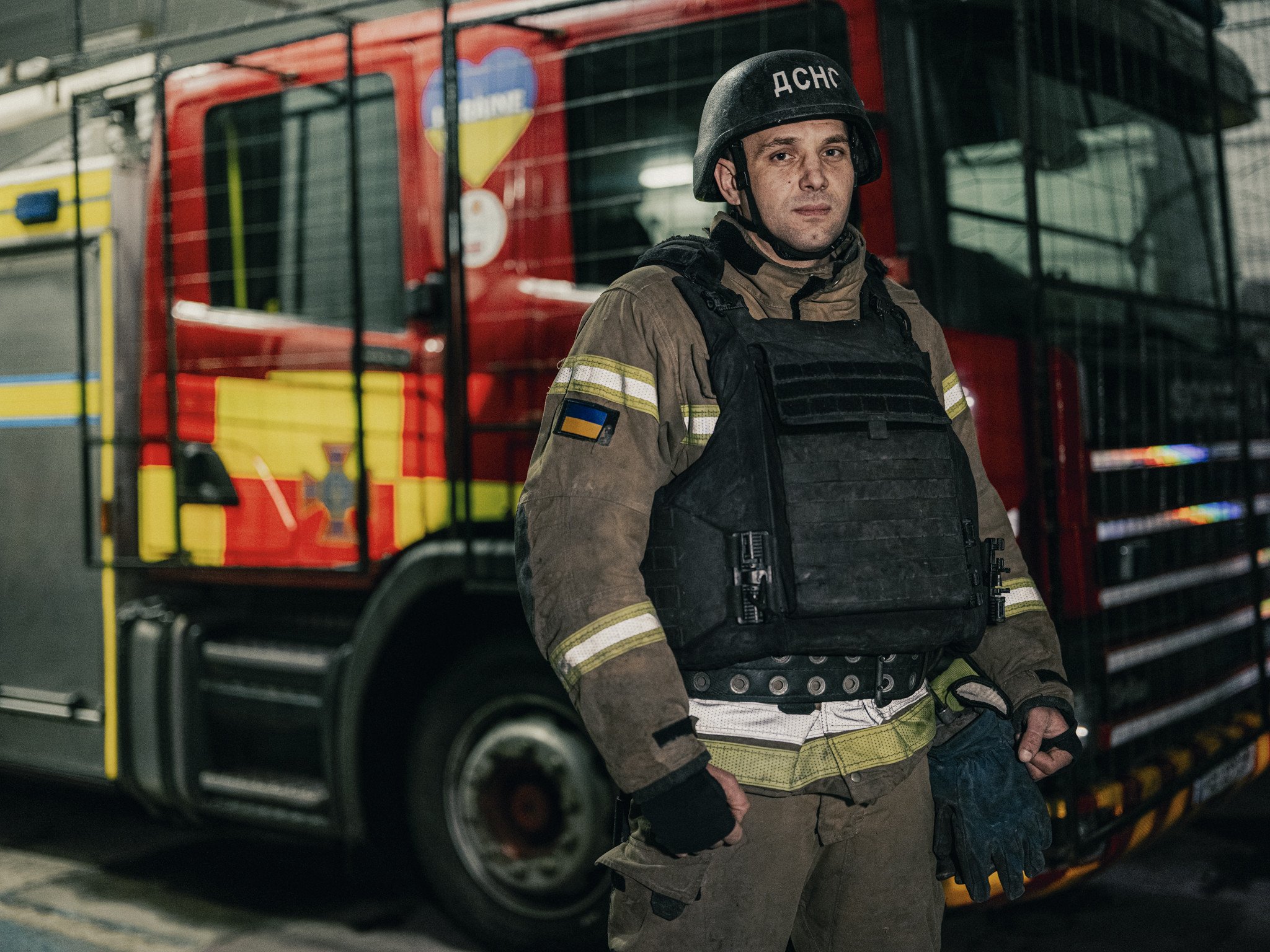
British trucks + Ukrainian crews vs. Russian fire
A fire department in a settlement in the Zaporizhzhia region received one of the donated fire trucks.
“You could say we are on the frontline, because there are no fire stations beyond us,” said Roman Revenko, head of the station. “We're essentially standing at the gates, protecting the eastern side of the region. Of the more than 200 fires we've responded to, this truck has been involved in at least 30.”
Among those incidents, a Russian guided bomb struck a residential neighborhood, resulting in massive fires that spread to nearby apartment buildings. Using the donated vehicle alongside another fire engine, crews rescued residents and contained the blaze.
In another case, firefighters responded to a home that had been struck by a Russian drone. By the time the area had been cleared to enter due to the threat of double-tap strikes, the fire had spread across more than 150 square meters. The operation lasted over four hours.
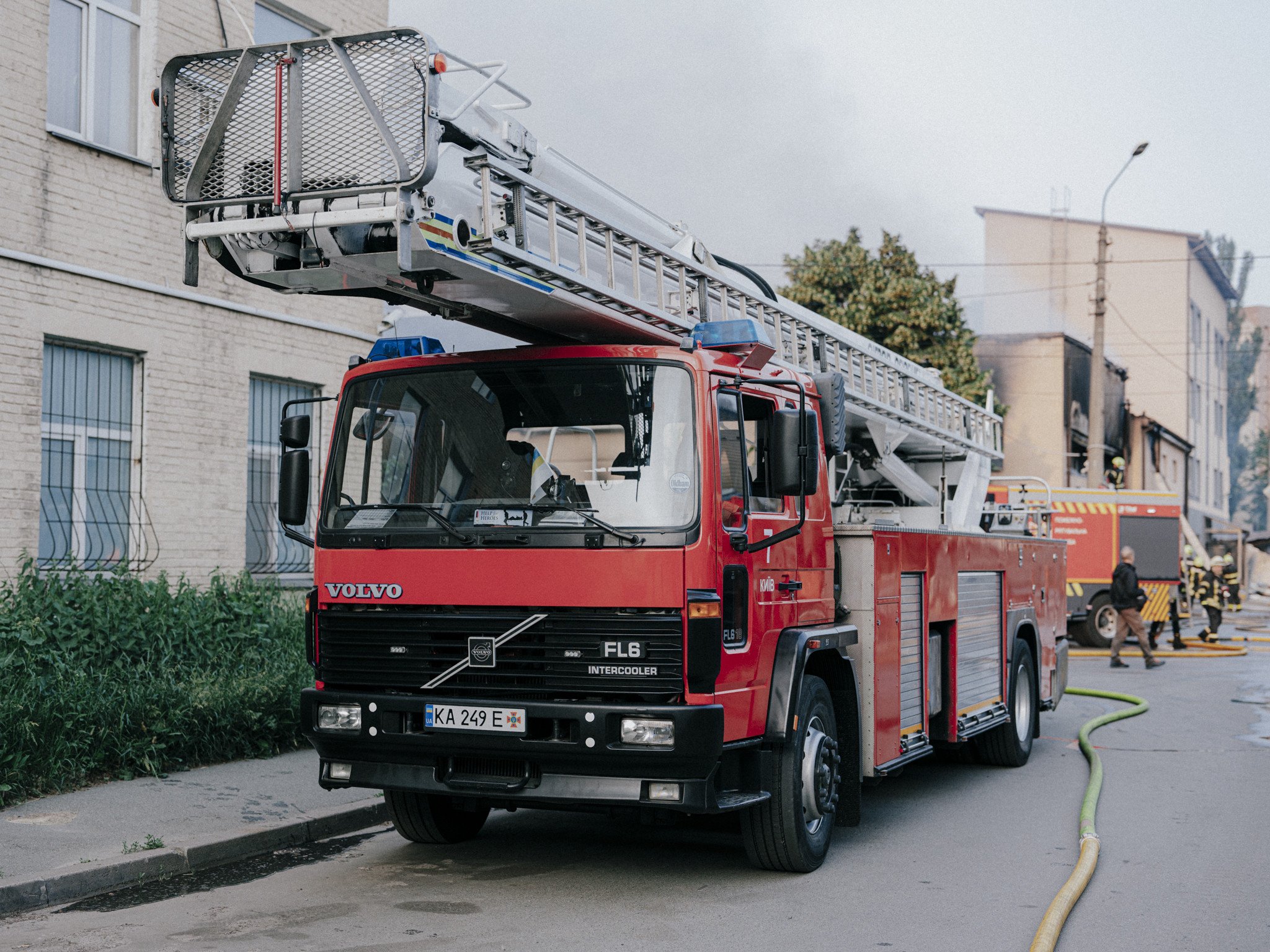
Despite being a 2005 model with more than 150,000 kilometers on the odometer, the truck has proven highly reliable under combat zone conditions.
“This truck worked from start to finish, running the pump, supplying water—everything performed perfectly,” Revenko said. “The quality was excellent, at the highest level.”
Reflecting on the vehicle's durability, he added: “It was built the way it should be built.”
The vehicles' utility extends far beyond firefighting. In the winter of 2025, a donated truck currently operating in the Zaporizhzhia region was used to transport generators to a neighborhood where Russian drone strikes had damaged the local power grid.
The truck’s high load capacity allowed rescue crews to deliver generators, helping restore heat, water, and electricity to residents, according to Bohdan Moisieiev, a rescue unit commander in the Zaporizhzhia region.
As winter gave way to summer, the truck's role evolved once again. Today, it is used almost daily to support rescue logistics.
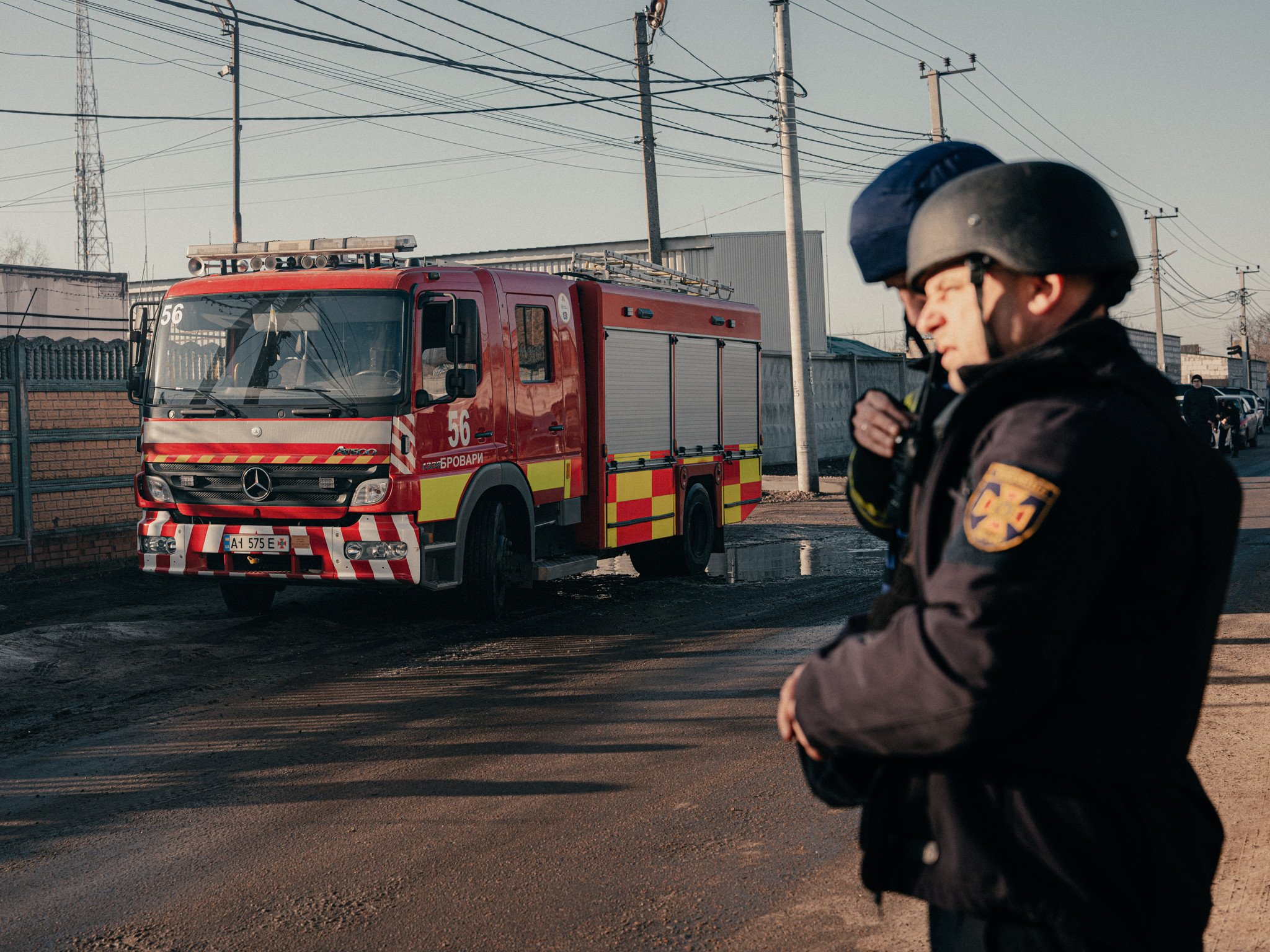
“We use it to transport personnel and equipment on assignments,” Moisieiev said. “It's constantly in operation. It has proven itself to be a reliable vehicle in the field.”
Fire departments in Ukraine’s Kharkiv region have also received trucks through FIRE AID. One of these vehicles has a capability found on relatively few fire engines: a built-in foam pump system.
Many standard municipal fire engines rely solely on water or external portable foam inductors, but this truck is equipped with a built-in foam pump. According to Vladyslav, Acting Chief of the Special Equipment Unit in the Kharkiv region, it can operate continuously for extended periods, more than five or six hours at a time, delivering foam without interruption. This capability is especially critical during incidents involving strikes on fuel depots and service stations, where flammable materials require sustained foam application to fully suppress fires.
For firefighters on the ground, each new delivery is more than a logistical asset; it is a life-saving measure.
Supporting the mental health of Ukraine’s rescuers
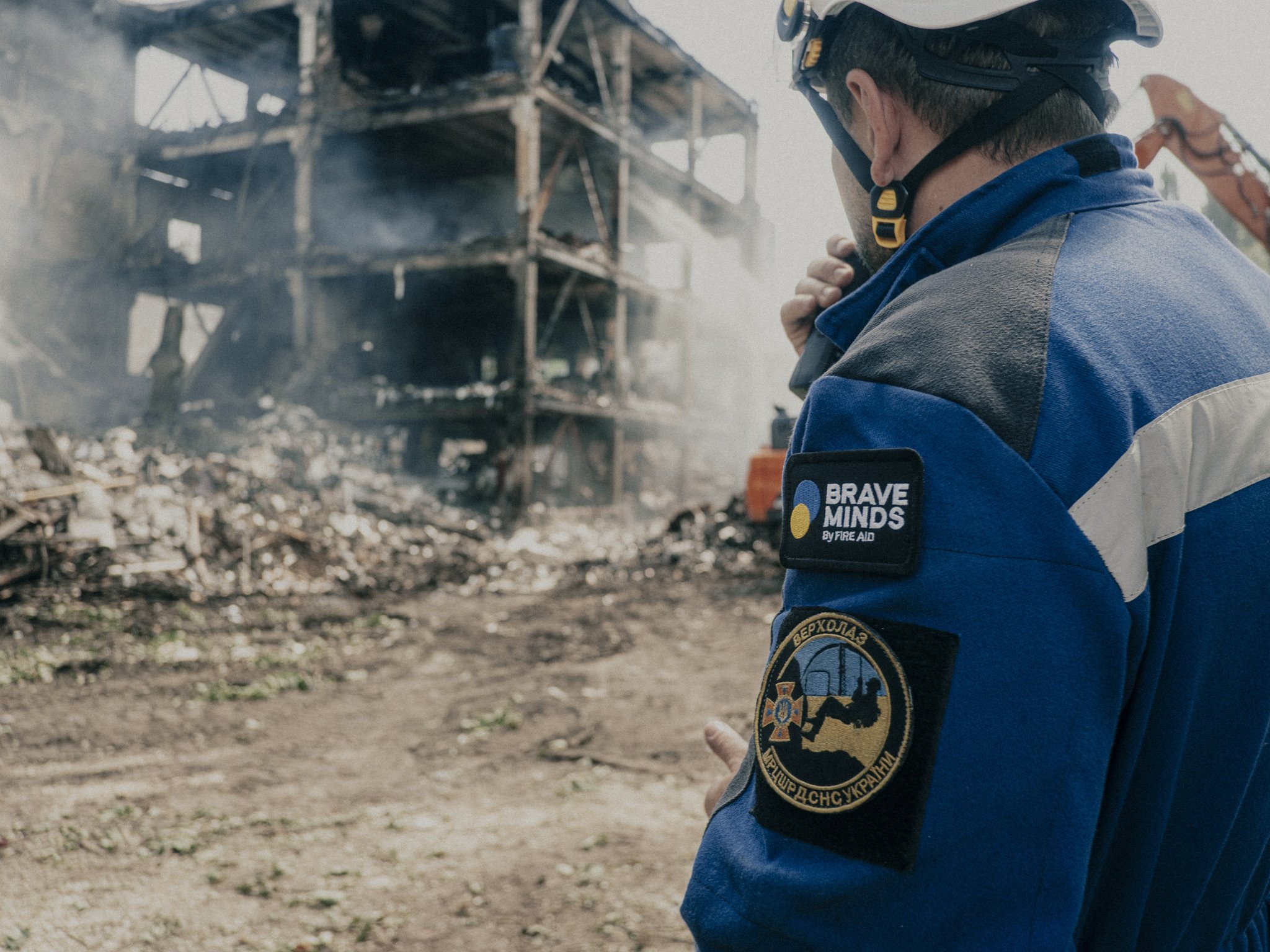
The role of FIRE AID in Ukraine’s emergency operations extends beyond simply the transfer of fire trucks. In partnership with Matthews, the organization launched Brave Minds, an independent mental health program that provides targeted psychological support delivered by Ukrainian psychologists specifically for rescuers.
Established in January 2025, the program offers free, confidential psychological support to all first responders within Ukraine’s State Emergency Service. Currently, Brave Minds provides individual therapy to 21 beneficiaries and has delivered group sessions to 456 rescuers across five regions.
“When the pressures of war, personal struggles, and emotional burnout felt unbearable, this resource became a breath of fresh air and a new beginning,” says one anonymous first responder based in Kyiv. “I learned to accept myself and realized that difficult periods are a natural part of life, and that it is possible to get through them with dignity. This is more than psychological support—it is humanity, compassion, and understanding.”
Emergency service leaders have welcomed the program, noting that “rescuers are heroes, but they are also human beings who face extreme stress, loss, and danger every day.” To continue saving lives, those on the frontlines of daily Russian attacks require support of their own.
FIRE AID’s work in Ukraine represents something more enduring than material aid alone. It is a network of people, solidarity, and community whose commitment helps keep emergency services functioning under extraordinary pressure. In a system strained by constant attacks, international support offers a lifeline.
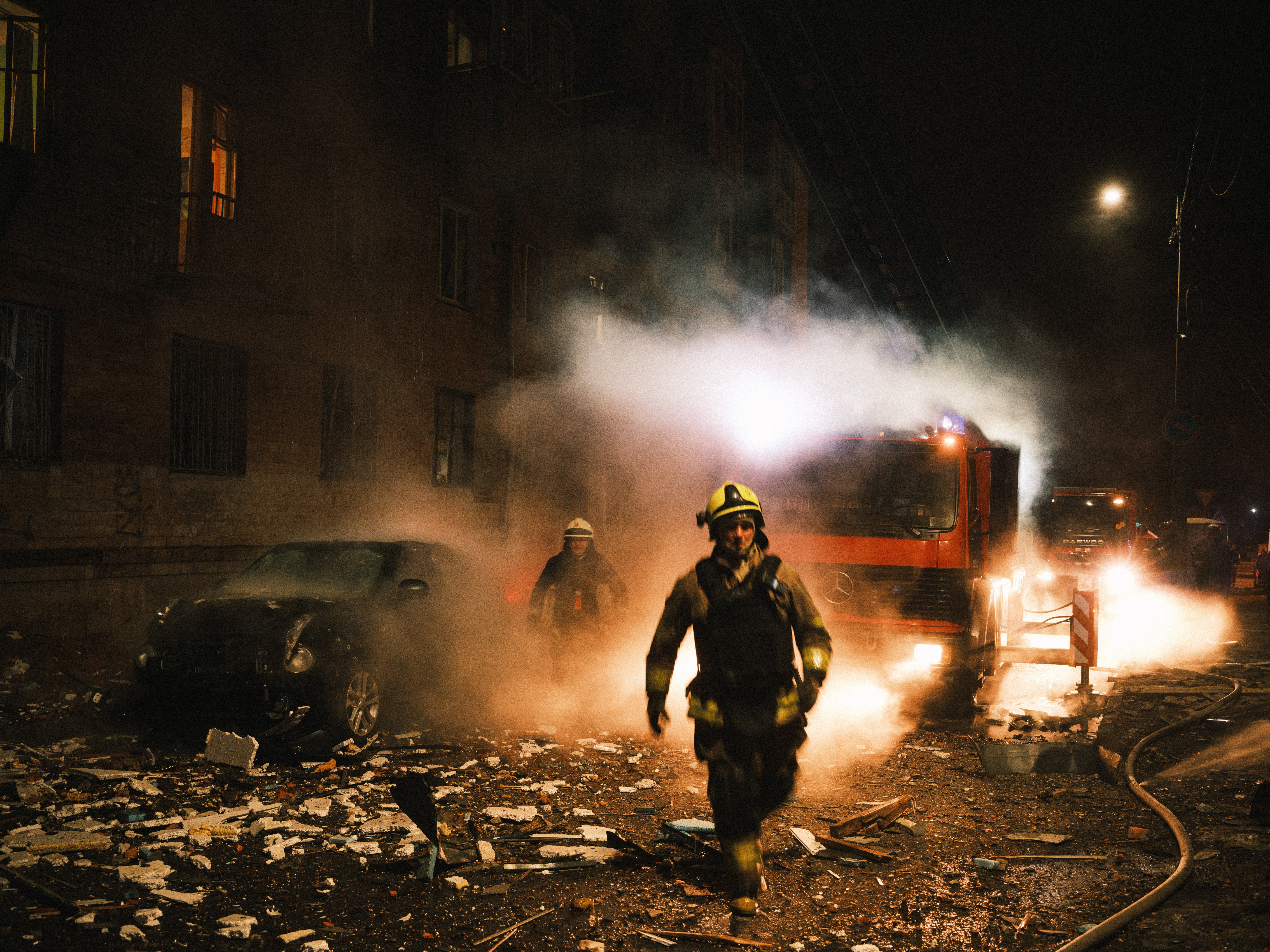
For Matthews and the volunteers working with FIRE AID, every vehicle delivered and every therapy session provided strengthens a growing chain of support linking the UK with Ukraine’s first responders. Whether through equipment that enables rescuers to respond more effectively or psychological support that helps them cope with the pressures of war, each contribution reinforces the capacity of Ukraine’s emergency services to continue their work. Together, these efforts help ensure that those who save lives receive the tools they need to keep doing so.
Discuss this article: