- Category
- Business
India and China May Rethink Russian Oil as Trump’s Looming Tariffs Target Kremlin’s War Economy
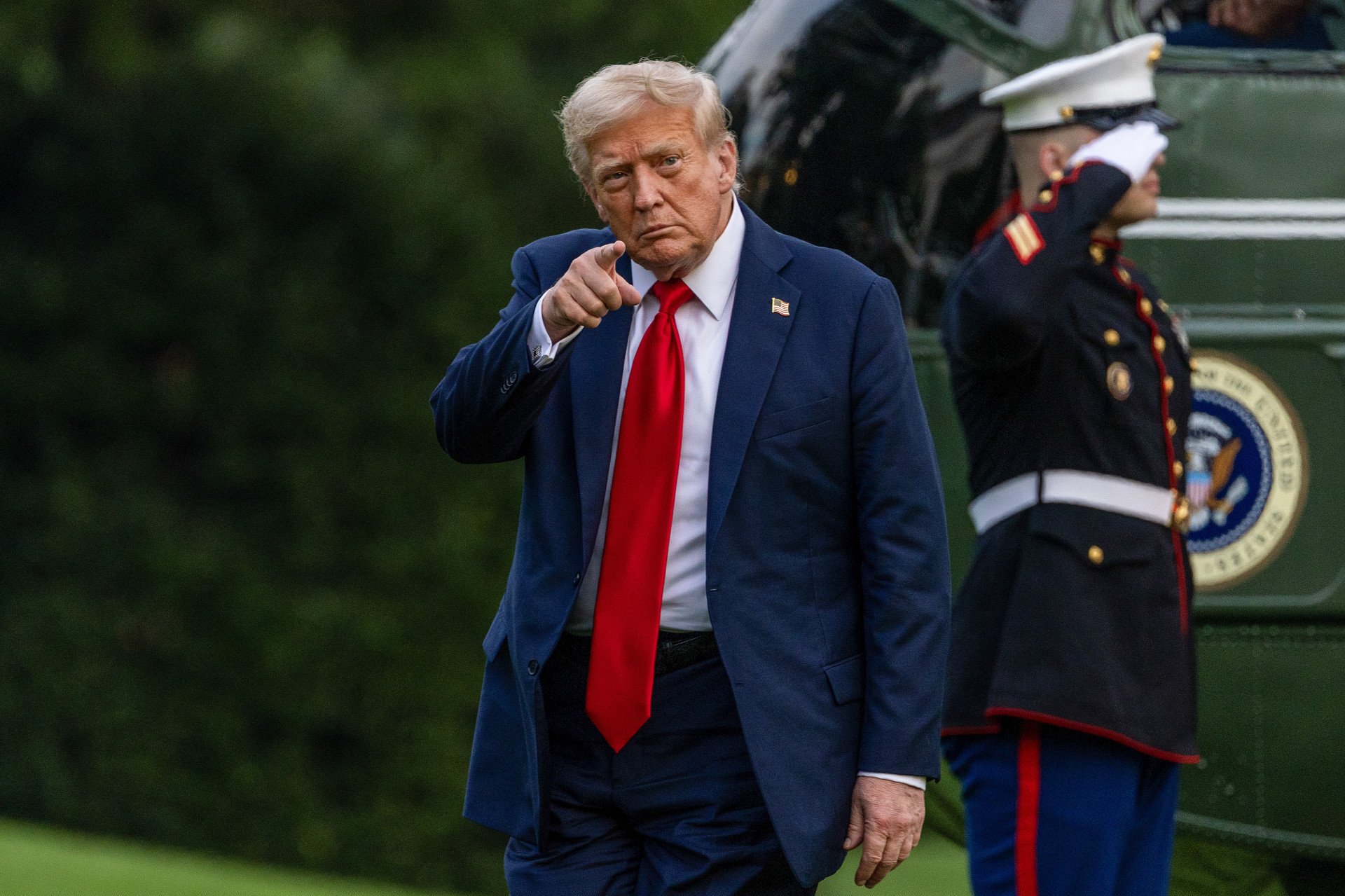
By threatening India and China’s oil ties with Russia, Trump’s promised tariffs are hitting the financial core of Putin’s war machine.
 Prefer U24 Media on Google
- Authors

-206008aed5f329e86c52788e3e423f23.jpg "Photo of Oleksandr Moiseienko")
China and India, purchasing 80% of Russia’s crude oil, have served as a lifeline for the Russian federal budget. By acquiring Russian energy resources at a certain discount, their economies gained additional competitive advantages. Now, with the proposed US tariffs set to take effect, continued cooperation with Russia may pose more risks than benefits for many countries.
Before the full-scale invasion, India barely imported any Russian oil. However, Russia’s aggression dramatically reshaped the global energy market. In recent years, India and China have effectively become the main importers of Russian oil and other energy resources, while Russia has essentially lost its European market.
Between January and June of 2025, Russia was India’s largest supplier, accounting for 35% of the country’s total imports. But India will likely have to reconsider its energy policy soon. US President Donald Trump has announced that, starting August 1, he will impose a 25% tariff on Indian goods and hinted at additional sanctions for importing energy from Russia.
“They [India] have always bought a vast majority of their military equipment from Russia, and are Russia’s largest buyer of energy, along with China, at a time when everyone wants Russia to stop the killing in Ukraine,” Trump said on Truth Social. “India will therefore be paying a tariff of 25%, plus a penalty for the above, starting on August first.”
The discount on Russian oil—arising from US and EU sanctions—has given India and China certain economic advantages. But with the implementation of even the minimal levels of proposed tariffs, continued cooperation with Russia carries significant risks for both countries’ economies. Meanwhile, the US tariffs could plunge Russia into a financial and energy crisis.
What does oil mean for Russia’s economy?
For Russia itself, the ability to sell oil and other energy resources to China and India is vital while waging war against Ukraine. Oil and petroleum products account for about 45% of Russia’s total goods exports—worth over $400 billion—and represent the country’s main source of foreign currency. Budget revenues from these exports support more than 50% of the Russian population.
Despite nominal GDP growth, many sectors of Russia’s economy have stalled. Double-digit inflation, record-high interest rates, and deteriorating bank loan portfolios would be disastrous in most countries. But such an economic “strategy” is only sustainable in countries where leaders don’t have to worry about electoral preferences.
At the same time, ordinary Russians have been compensated with opportunities to earn money from the war, its record-level funding fueling nominal GDP growth. Massive injections from the state budget and government banks into the defense sector have created numerous jobs, from drone assemblers at a factory in Yelabuga to assault troops in eastern Ukraine, where a year of service in the Russian army can bring in an unprecedented $50,000 annually—an enormous sum for many Russian regions.
These earnings allow Russia to recruit tens of thousands of “volunteers” each month, even as training for such assault troops has sometimes been reduced to just a few days before deployment to the front lines. Oil and gas revenues also enable the stable supply of ammunition to the Russian army, the retooling of the military-industrial complex, and the global search for mercenaries.
Russia is a key player in the global oil market, accounting for over 10% of global oil exports. But for Russia, it’s just as crucial to continuously export oil as it is to earn revenue from it.
Russia lacks adequate storage capacity, and its extraction methods do not allow for significant output reductions without incurring severe economic losses. A similar situation is already unfolding in Russia’s gas sector: after losing the European market, Russia is unable to sell its gas and has stockpiled tens of billions of cubic meters—storage facilities are nearing capacity.
Russian state-owned energy corporation Gazprom’s stock has fallen to its lowest point since the global financial crisis, and the company has had to lay off thousands of employees. If a similar scenario unfolds in the oil sector—which is even more critical to Russia—the country could face not just a financial collapse but a full-fledged energy crisis. Recovery for the industry would take decades.
As for Russia’s partners, potential new trade tariffs of up to 100% would completely erase any advantages from discounted energy purchases. However, they still have until September to push Russia to the negotiating table with Ukraine and agree to a sustainable ceasefire—because by purchasing such large volumes of oil, they wield tremendous leverage over Russia, despite Putin’s bravado about sovereignty.
Discuss this article:

-111f0e5095e02c02446ffed57bfb0ab1.jpeg "Photo of Roman Kohanets")
-4258f90da45ed571f27851d158610665.jpeg "Photo of Valeriya Ionan")
-92cc3cc3704a042ef4f32eb51a51081d.png "Activitis Builds Fintech Infrastructure for Ukrainian Business During Wartime")
-29a1a43aba23f9bb779a1ac8b98d2121.jpeg "Photo of Illia Kabachynskyi")

-72b63a4e0c8c475ad81fe3eed3f63729.jpeg "Photo of Cyril Barabaltchouk")