- Category
- War in Ukraine
Japan Became a Back Door for Russian Missile Technology, NYT Investigation Finds
 Prefer U24 Media on Google
- Authors


Russian military intelligence officers operating from Tokyo have allegedly used front companies and indirect shipping routes to acquire Japanese-made technology for Russia’s weapons programs, according to a New York Times investigation published on July 12.
We bring you stories from the ground. Your support keeps our team in the field.
The report says the network has continued to obtain dual-use components despite Japanese export restrictions imposed after Russia’s full-scale invasion of Ukraine.
According to The New York Times, Western intelligence officials identified the operation as part of the Russian military intelligence agency’s (GRU) secretive 20th Directorate, which has reportedly expanded its activities in Japan after dozens of Russian intelligence officers were expelled from Europe in recent years.
-69d03af11a3e9f45431b68b50d18e51c.png)
The New York Times reports that the GRU unit operates from an office in central Tokyo located roughly a 10-minute walk from Japan’s National Police Agency headquarters. Intelligence officials cited by the newspaper say its officers work under diplomatic or commercial cover, posing as business representatives while seeking technology with military applications.
According to the investigation, the operation is allegedly led by 49-year-old Maksim Filchenkov, who publicly works as an employee of Russia’s national airline Aeroflot. Western intelligence sources told The New York Times that his role includes coordinating the procurement of restricted technology and overseeing logistics networks used to move goods out of Japan.
Because direct exports to Russia are prohibited, the network reportedly relies on intermediary logistics companies and falsified shipping documentation to route products through third countries, including Sri Lanka, Uzbekistan, and Vietnam, before they reach Russia.
The New York Times also identified Tokyo-based logistics company Proco Air as one of the firms linked to shipments destined for Russia. The company describes itself as a bridge between Japan and Russia but told the newspaper it transports only goods permitted under Japanese law.
-742bd56506c993f659cf93b376965bff.jpg)
The investigation says Proco Air previously worked with Russia’s R-Pharm pharmaceutical company, founded by businessman Alexey Repik, who is under Western sanctions for supporting Russia’s military.
The New York Times notes that Japan does not maintain a standalone foreign intelligence agency, although Japanese officials told the newspaper they recognize the growing espionage threat and are considering legal changes aimed at strengthening intelligence collection and counterespionage capabilities.
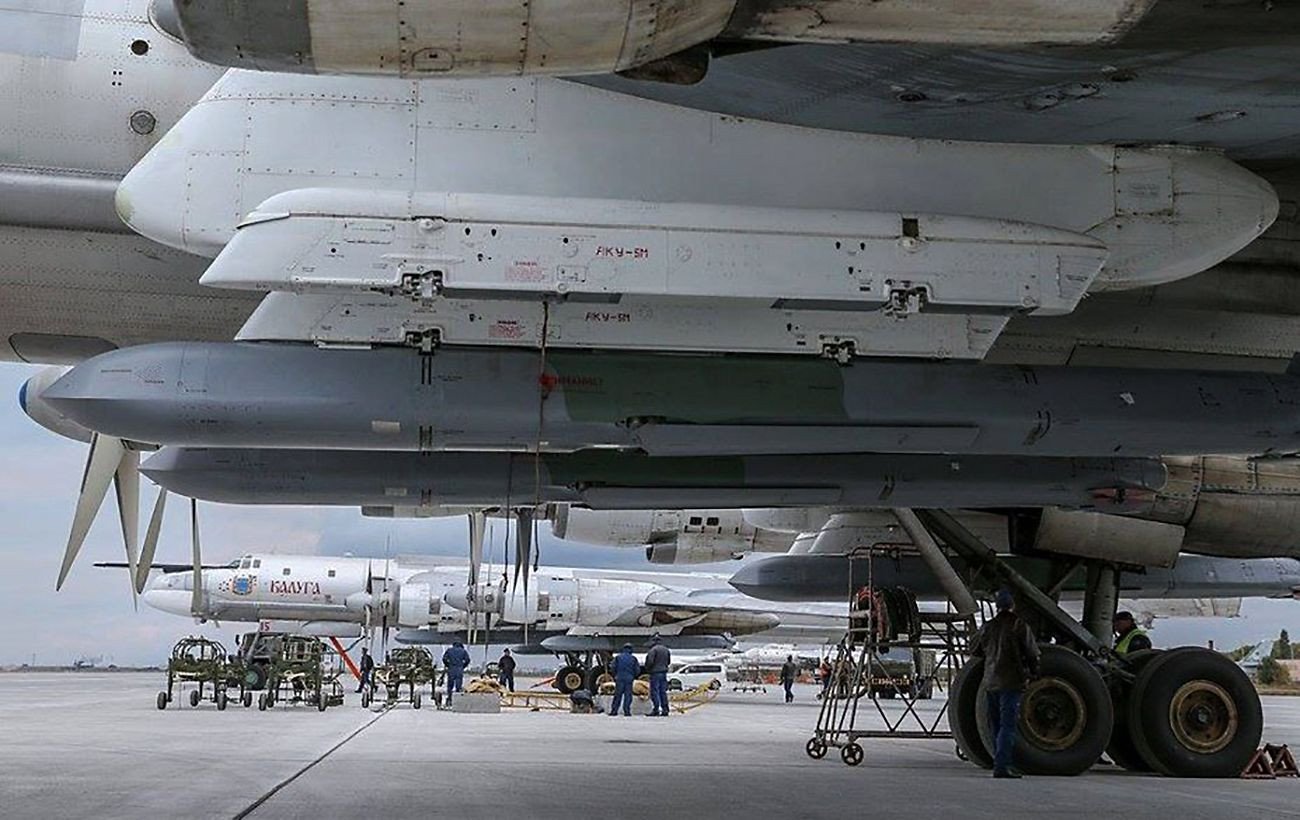
According to Ukrainian authorities, approximately 90% of Russian missiles and drones recovered in Ukraine contain Japanese-made components. Investigators reportedly found a Japanese computer module inside a Kh-101 cruise missile that struck a residential building in Kyiv in May. The component had been subject to Japanese export restrictions after the start of Russia’s full-scale invasion.
Discuss this article:
-9a7b3a98ed5c506e0b77a6663f5727c5.png)

-80134f2dc17b4a887d01513a1c7bc929.png "Illustration of Russian military infrastructure targeted by Ukrainian strikes in temporarily occupied eastern Ukraine. (Source: General Staff of the Armed Forces of Ukraine)")