- Category
- World
Leaked Files Show Deutsche Bank Kept Sanctioned Russian Oligarchs as Clients Despite Years of Warnings
 Prefer U24 Media on Google
- Authors


Leaked Deutsche Bank records show that the lender repeatedly maintained relationships with wealthy Russian clients despite years of internal warnings about sanctions, money laundering, and reputational risks, The New York Times reported on November 17.
The investigation was based on more than 15 million internal records, including confidential reports, emails, and meeting minutes. The files were analyzed by a consortium of more than 200 journalists, including reporters from The New York Times.
We bring you stories from the ground. Your support keeps our team in the field.
The records detail Deutsche Bank’s long-running relationships with Russian oligarchs, including Oleg Deripaska and Viktor Vekselberg, despite repeated warnings from the bank’s own risk and anti-financial-crime teams, according to The New York Times.
Oleg Deripaska built much of his fortune through Russia’s aluminum industry and became one of the country’s most prominent oligarchs. UNITED24 Media has previously reported on his role at Rusal and his longstanding ties to the Kremlin, which helped place him among the most politically connected members of Russia’s business elite.
In 2014, an internal reputational risk committee ranked Deripaska at the top of a list of Russian clients posing potential risks to the bank. A report recommended ending relationships in which Deripaska was the controlling party.
Other divisions argued for keeping him as a client because of the business he generated, The New York Times reported. The bank ultimately maintained the relationship.
A 2015 internal presentation stated that “Russian billionaires contribute heavily to our success” and described wealthy Russian clients as the “backbone of sustainable growth” for Deutsche Bank’s wealth-management business.
The relationship continued despite mounting regulatory scrutiny. In 2017, Deutsche Bank paid hundreds of millions of dollars to settle allegations by US and British regulators that it had helped Russian investors launder as much as $10 billion through so-called mirror trades, The New York Times reported.
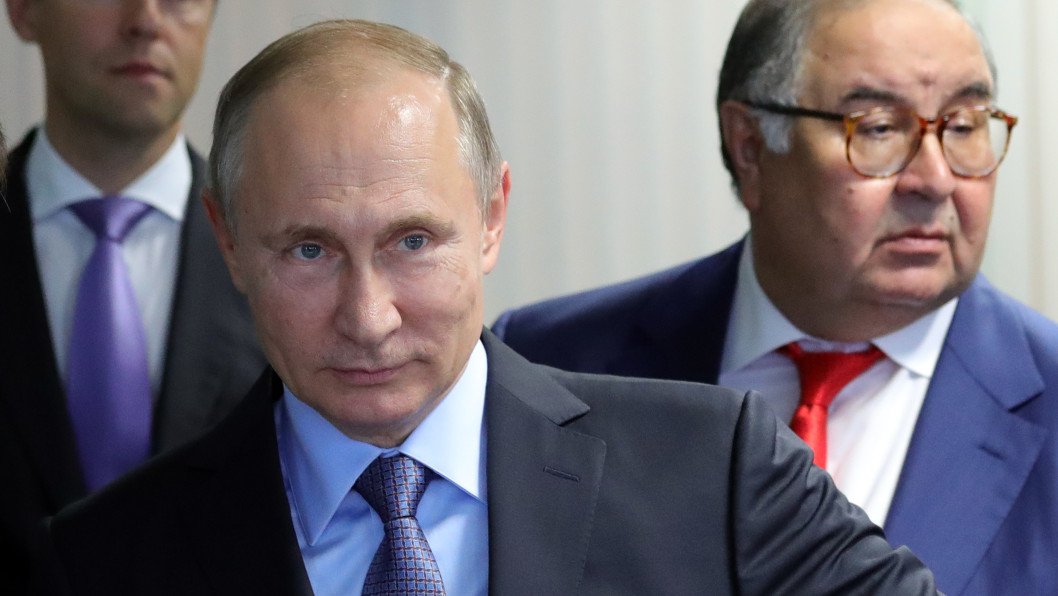
After the scandal, the bank reduced parts of its Russian client base but continued focusing on the country’s wealthiest clients, including oligarchs.
In 2018, the US imposed sanctions on seven wealthy Russian industrialists close to the Kremlin. Five were Deutsche Bank clients personally or through business affiliations, including Deripaska and Vekselberg, according to the leaked records cited by The New York Times.
The records also show that Deutsche Bank moved many Russian oligarch accounts to Luxembourg and Switzerland, where strict banking-secrecy rules could limit disclosure of client information to foreign authorities. The bank stated that Russian clients remained subject to applicable vetting requirements.
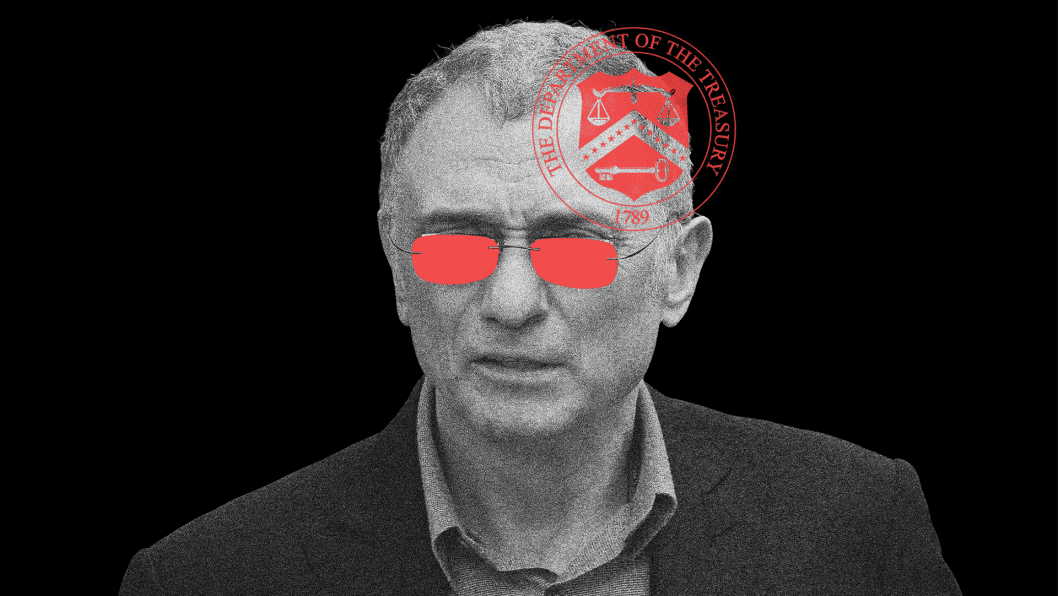
A 2020 internal strategy review found that 17 Russian clients appeared on the US Treasury Department’s “Kremlin list” of senior officials and oligarchs. The New York Times reported that the same review acknowledged Russia’s elevated money-laundering and sanctions risks while emphasizing the market’s profitability.
Even in April 2021, Deutsche Bank’s management board unanimously approved plans for cautious growth in Moscow. A draft presented to the board cited the “relevance and profitability of the Russian market.”
After Russia launched its full-scale invasion of Ukraine in February 2022, Deutsche Bank officials scrambled to assess which Russian clients might be affected by rapidly expanding Western sanctions, according to The New York Times.
“As you know we have a large Russian Oligarchs client population,” one anti-financial-crime specialist wrote shortly after the invasion, asking which clients could potentially be unwound and whether some should be advised to withdraw funds “while they still can.”
US prosecutors subsequently requested information about sanctioned Russian clients and their account balances. Internal records reviewed by The New York Times show that Deutsche Bank cited banking-secrecy laws in Switzerland and Luxembourg as grounds for withholding some client data.
Deutsche Bank stated that it complied with its obligations to US authorities and acted lawfully. It also denied helping clients evade sanctions.
The bank initially resisted calls to leave Russia after the full-scale invasion, The New York Times reported. Deutsche Bank reversed course after JPMorgan Chase and Goldman Sachs announced their departures and stated on March 11, 2022, that it would wind down its Russian operations.
Other Western banks have also faced legal and financial complications over their ties to Russian oligarch-linked assets. In October, an Austrian court allowed Raiffeisen Bank International to pursue roughly $3.58 billion in compensation involving assets tied to Rasperia Trading, a company previously owned by Oleg Deripaska.
Discuss this article: