- Category
- World
What Happens When Putin’s Inner Circle Becomes Too Powerful?
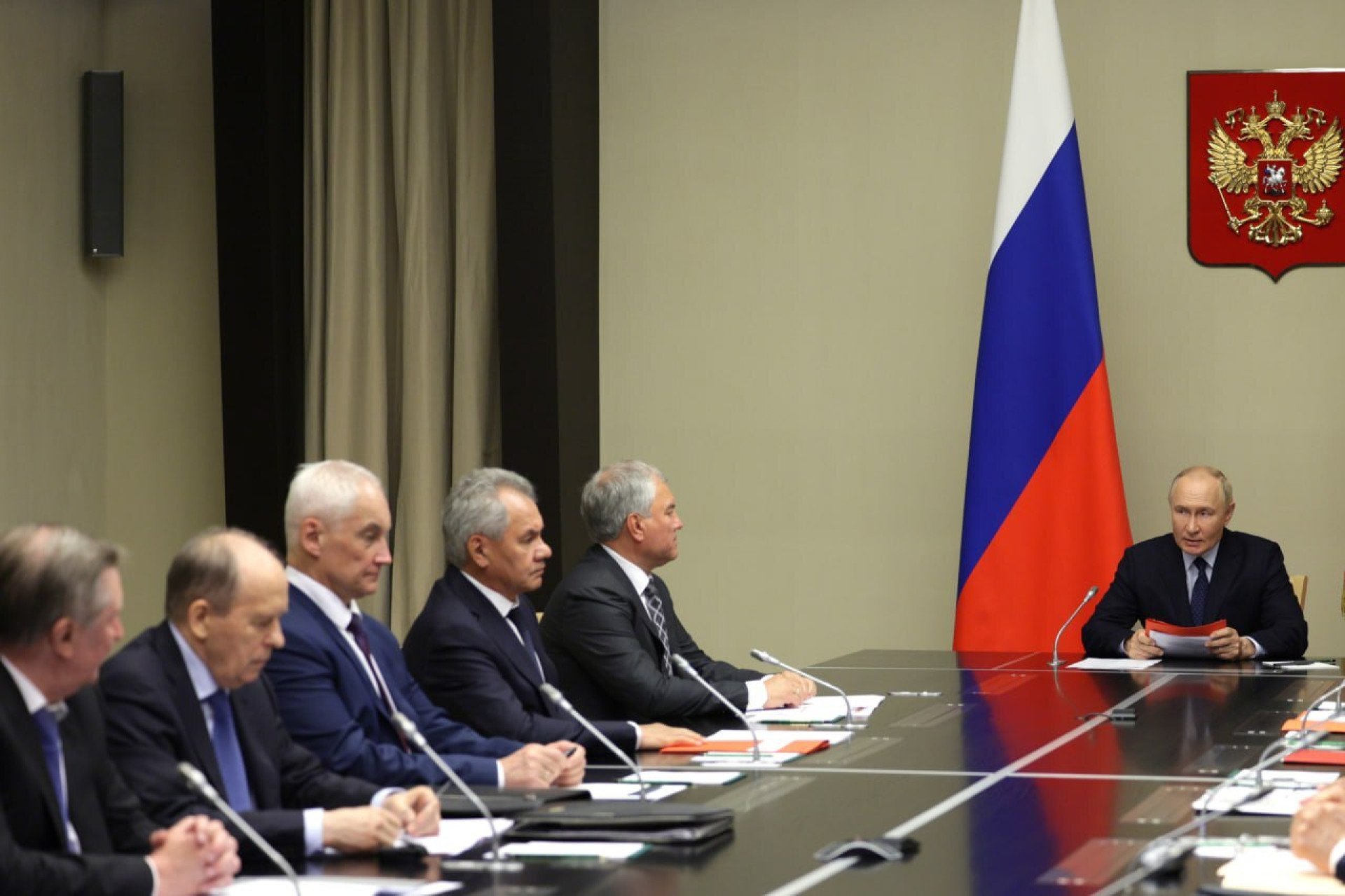
In Vladimir Putin’s Russia, even decades of loyalty may not guarantee political survival. Who are the figures in his inner circle, and how does their growing influence put their positions at risk?
 Prefer U24 Media on Google
- Authors


On June 24, 2023, the world watched as heavily armed Wagner mercenaries advanced toward Moscow. Their leader, Yevgeny Prigozhin, had turned against Russia’s military leadership, sending his fighters toward the capital in the most dramatic challenge to Putin’s authority in decades.
The rebellion ended almost as suddenly as it began. Wagner’s columns turned back after a negotiated agreement. Exactly two months later, Prigozhin was dead. His private jet crashed in Russia, killing everyone on board. US officials subsequently assessed that an explosion had brought down the aircraft.
Prigozhin had once been one of Putin’s trusted associates. But his story raises a larger question about the Russian president’s inner circle: what happens when the people who owe their power to Putin become powerful enough to challenge him?
For years, Putin’s inner circle had remained remarkably stable. Sergei Shoigu had served as defense minister since 2012, Valery Gerasimov as chief of the General Staff since the same year, and Nikolai Patrushev as Security Council secretary since 2008. Even after Russia failed to capture Kyiv and Ukrainian forces liberated large parts of the Kharkiv and Kherson regions in 2022, the country’s top military leadership remained largely unchanged.
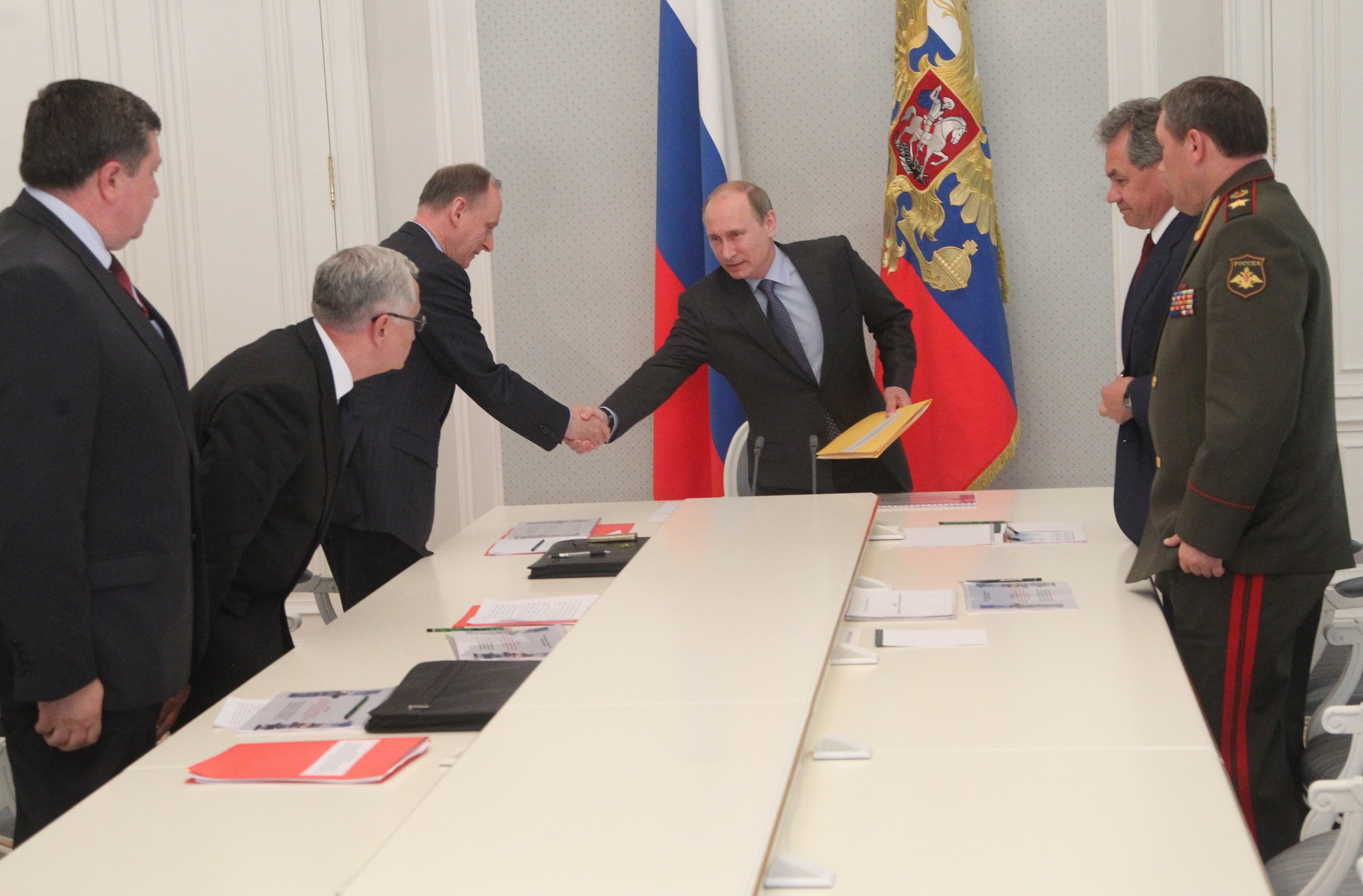
But as the war dragged on, Putin began reshuffling the very inner circle he had kept intact for years. Some of Russia’s most influential figures lost their positions or saw their authority diminished, while others faced criminal investigations. Meanwhile, the Federal Security Service (FSB) gained additional powers.
When Putin’s allies become a threat to his power
Throughout the first half of 2023, tensions between Wagner and the Defense Ministry escalated publicly. For months, Prigozhin used video addresses to launch attacks against senior Russian military leaders Sergei Shoigu and Valery Gerasimov. The Wagner chief accused them of failing to provide his fighters with sufficient ammunition and showing indifference to their losses.
In response, in mid-June, the Defense Ministry issued an ultimatum demanding that Wagner submit to the Russian Armed Forces, effectively stripping the group of its autonomy. Until then, Wagner had operated as a somewhat independent organization, answering directly to Prigozhin rather than functioning within the military’s regular chain of command.
For Prigozhin, this meant losing both financial and operational independence and, effectively, the dismantling of his private army. He ultimately refused to comply and launched a mutiny on June 23.
Wagner had established itself as one of Russia’s most capable fighting forces, particularly around Bakhmut, where the regular army had struggled for months to make progress. Yet despite Wagner’s role on the battlefield, Prigozhin’s rebellion became a direct challenge to Putin’s authority. His subsequent death raised questions about just how dangerous independence could become, even for the Kremlin’s closest allies.
Shoigu and Gerasimov, Prigozhin’s primary targets, nevertheless survived politically. Dismissing them publicly immediately after the mutiny would have looked like a symbolic victory for Prigozhin and sent a message to the entire Russian elite that pressuring Putin could produce results. This may explain why the Kremlin was in no hurry to make such a decision.
Sergei Surovikin: General Armageddon
The same logic applies to another military commander, Sergei Surovikin. In October 2022, following a series of defeats by Ukrainian forces near Kyiv and Kharkiv, Russia’s Defense Ministry appointed him commander of its joint military grouping in Ukraine.
Surovikin was a veteran of the wars in Afghanistan and Chechnya and had commanded Russian forces in Syria. His brutal methods of warfare earned him the nickname “General Armageddon.” It was Surovikin who launched massive missile strikes against Ukraine’s critical infrastructure in October 2022 and, more broadly, conducted an aggressive, brutal, but effective military campaign.
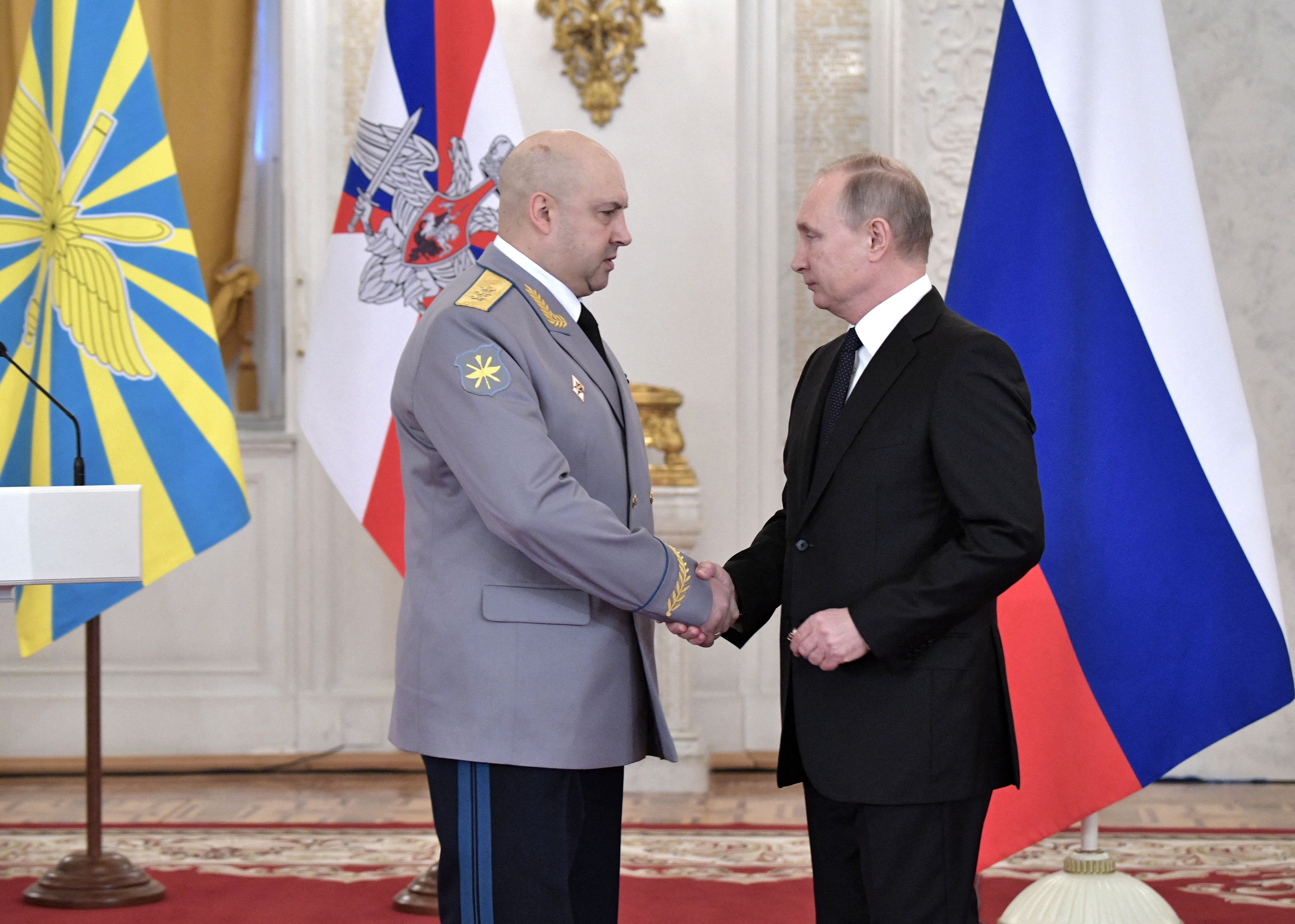
Surovikin also enjoyed considerable authority and had his own following among Russia’s ultranationalists. He was also associated with Prigozhin, who by then was already openly feuding with the Defense Ministry’s leadership. Surovikin may have helped Prigozhin plan the mutiny, the New York Times later reported, citing US officials.
Following Wagner’s mutiny in June 2023, Surovikin disappeared from public view and was subsequently removed as commander of Russia’s Aerospace Forces.
Sergei Shoigu and Nikolai Patrushev
Following Prigozhin’s mutiny, Putin began actively purging the entire power structure. Russia held elections on March 15–17, 2024, which Western governments and observers described as undemocratic. The elections provided a convenient opportunity for a series of government reshuffles.
On May 12, the Kremlin announced its most significant personnel decision: Shoigu would leave the Defense Ministry to become secretary of the Security Council, replacing Nikolai Patrushev, who was reassigned as a presidential aide responsible for shipbuilding.
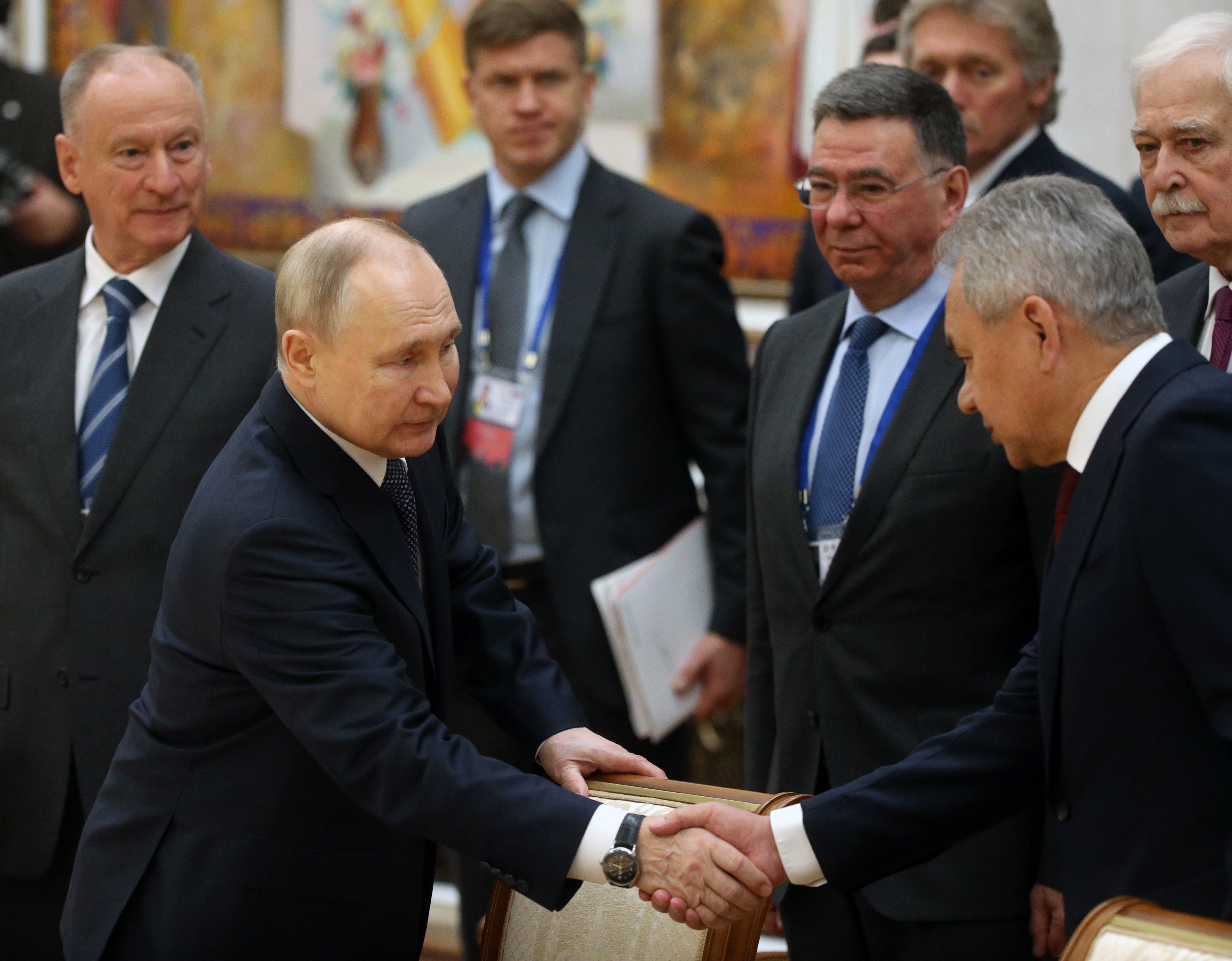
No official explanation was given for either reassignment. In Shoigu’s case, however, the timing was particularly notable. On April 23, 2024, just three weeks before his removal, Deputy Defense Minister Timur Ivanov was detained in Moscow on suspicion of accepting an exceptionally large bribe.
Shoigu had also become increasingly unpopular within Russia’s military establishment. His dismissal was likely delayed until it could no longer be associated with pressure from Prigozhin.
Whatever the immediate reasons, Shoigu had become too independent after years in senior government positions.
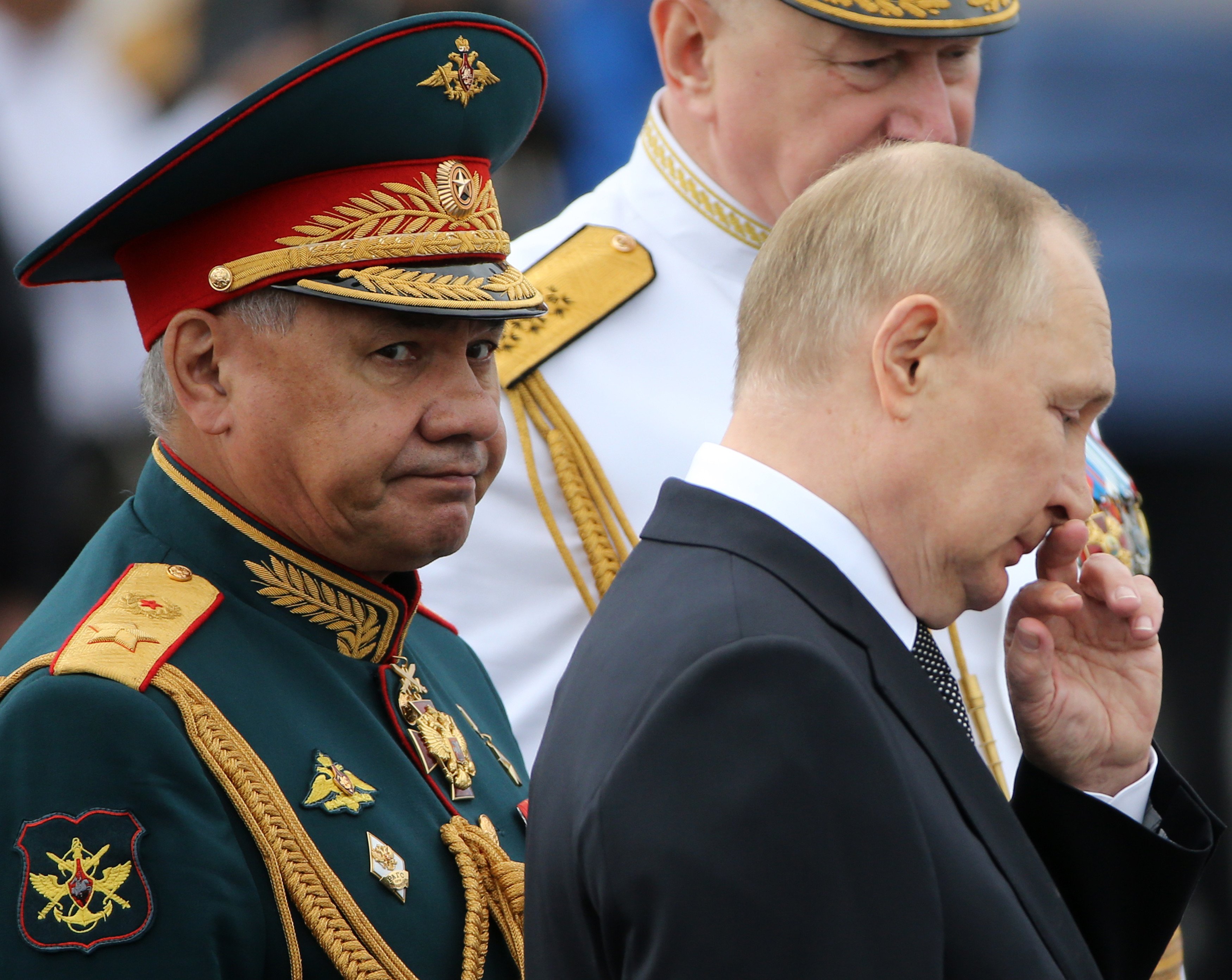
Shoigu began building his own team back in the 1990s, when he headed the agency that would eventually become Russia’s Ministry of Emergency Situations. When he became defense minister, he brought many of those officials with him.
Key areas of the ministry, including procurement, construction, and property management, were overseen by longtime associates who personally owed their careers to Shoigu. These departments are considered among the most financially lucrative within the system. Concentrating such resources and autonomy in one person’s hands, particularly within the Defense Ministry, inevitably creates an independent center of influence and, therefore, a potential threat to Putin.
Nikolai Patrushev’s story is similar. For years, he was widely regarded as perhaps the most powerful man in Russia after Putin himself. Analysts speculated about his presidential prospects and identified him as one of Putin’s most likely successors.
At the same time, Patrushev actively promoted his son Dmitry through the ranks of government. Dmitry now serves as deputy prime minister. Patrushev himself remained a prominent public figure with regular, direct access to the country’s highest-ranking officials.
It is possible that Patrushev was removed for the same reasons as the others. Years of speculation about his potential succession to the presidency, combined with his efforts to advance his own allies, had made him too independent. His considerable influence within the system may have increasingly come to be seen as a potential risk.
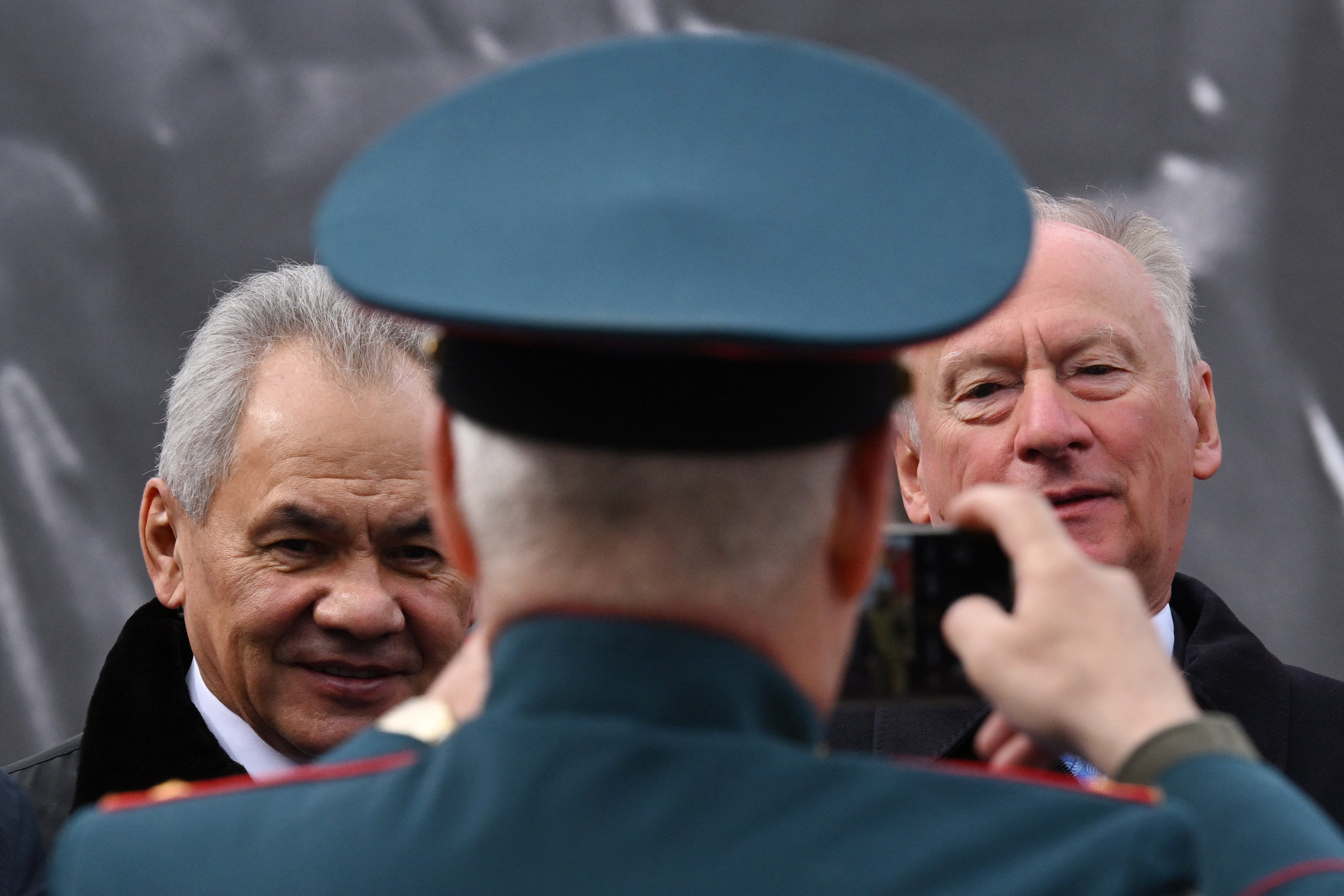
New faces: Andrei Belousov and Leonid Gornin
Following Shoigu’s departure, First Deputy Prime Minister Andrei Belousov was appointed defense minister. An economist by training, Belousov had previously held several senior government positions, including minister of economic development and first deputy prime minister.
Belousov had never served in the military, suggesting that his appointment was a deliberate choice to prioritize a “quartermaster” over a military commander: someone capable of managing finances and organizing industrial supply chains.
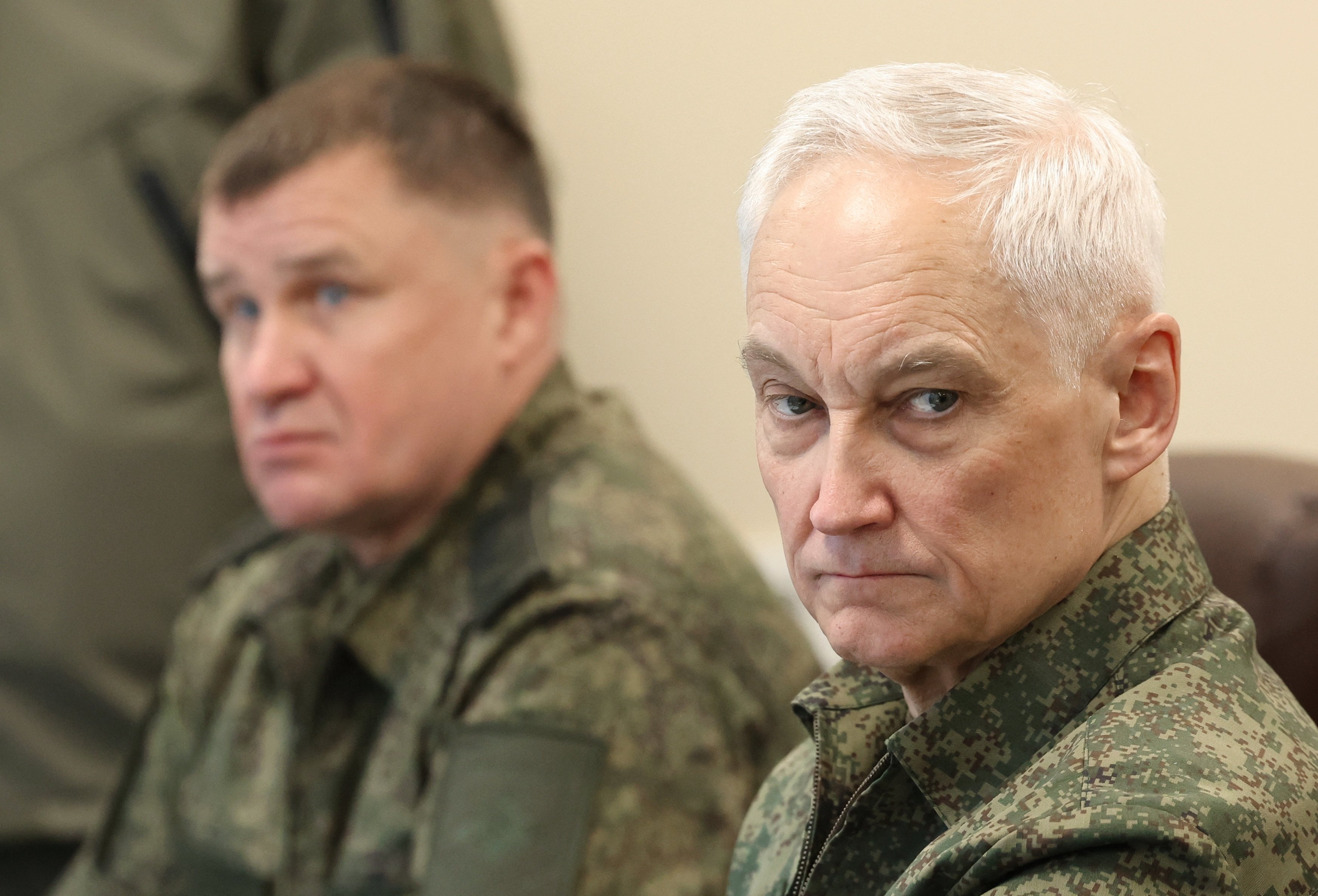
Belousov was also a suitable candidate for another reason. Unlike Shoigu, he had no personal clan or established network of loyalists within the Defense Ministry. From Putin’s perspective, this may have been an advantage rather than a weakness.
The absence of an established faction effectively serves as a screening criterion for potential candidates. Putin likely favors officials who lack the independent resources and political influence necessary to challenge him in the future.
Another example of this approach emerged within Belousov’s own team. On June 17, 2024, Putin appointed Leonid Gornin as Belousov’s first deputy.
Like Belousov, Gornin is a civilian economist without an established network of influence inside the Defense Ministry or the military. Equally revealing is whom he effectively replaced: on the same day Gornin was appointed, four of Shoigu’s deputy ministers lost their positions.
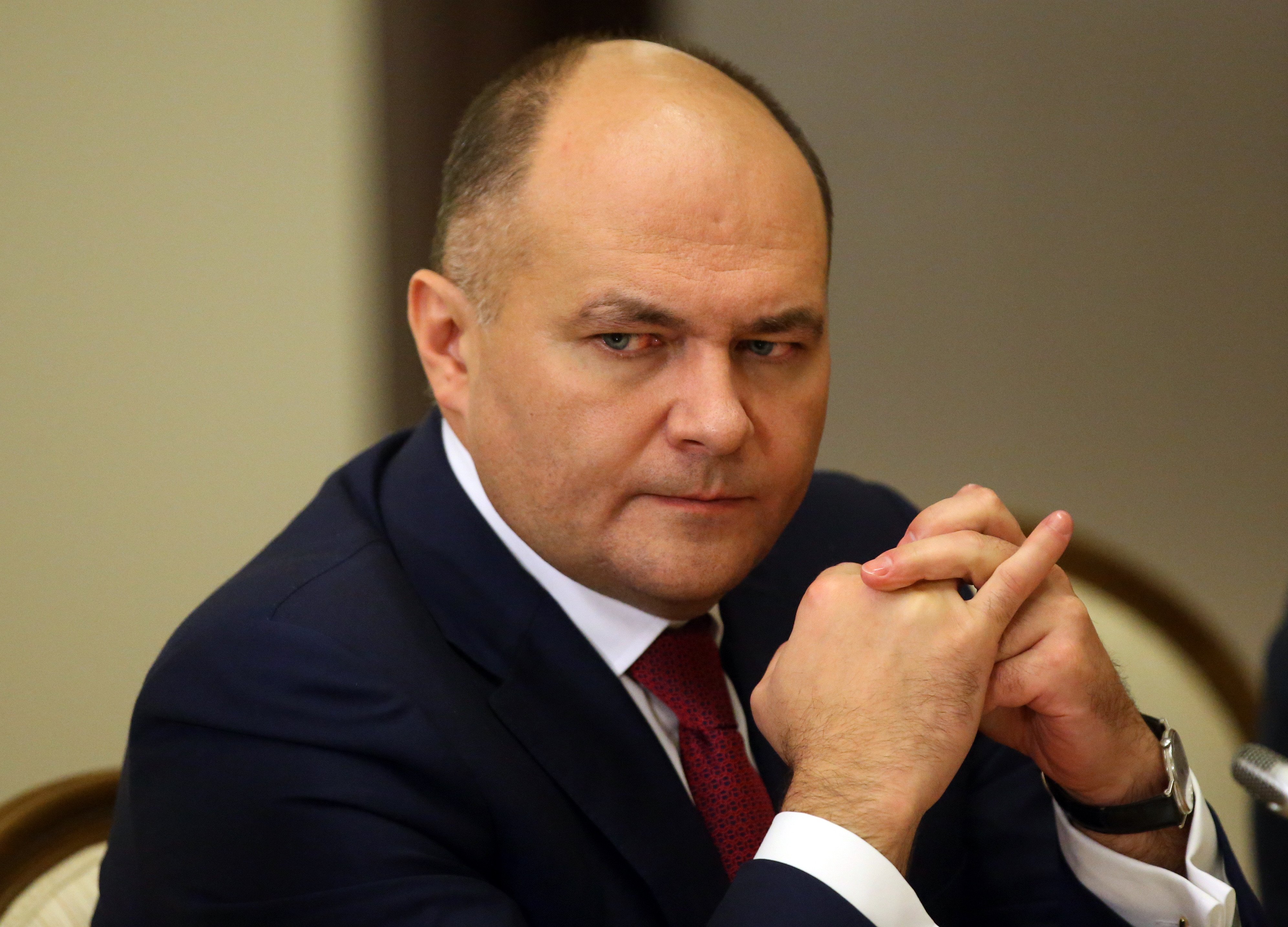
Beginning in spring 2024, Russia’s Defense Ministry experienced a wave of arrests and dismissals. Several dozen officials were detained over the following months, including former deputy defense ministers, as the Kremlin dismantled much of the network Shoigu had built over the years.
The objective was to dismantle an entire network of influence that the former defense minister had spent years building. Notably, the FSB carried out the lion’s share of this purge, increasingly assuming the role of chief overseer of Russia’s other elites.
The FSB
Against the backdrop of these reshuffles, the FSB stands out for another reason: it remains under the leadership of Alexander Bortnikov, who has held his position since 2008.
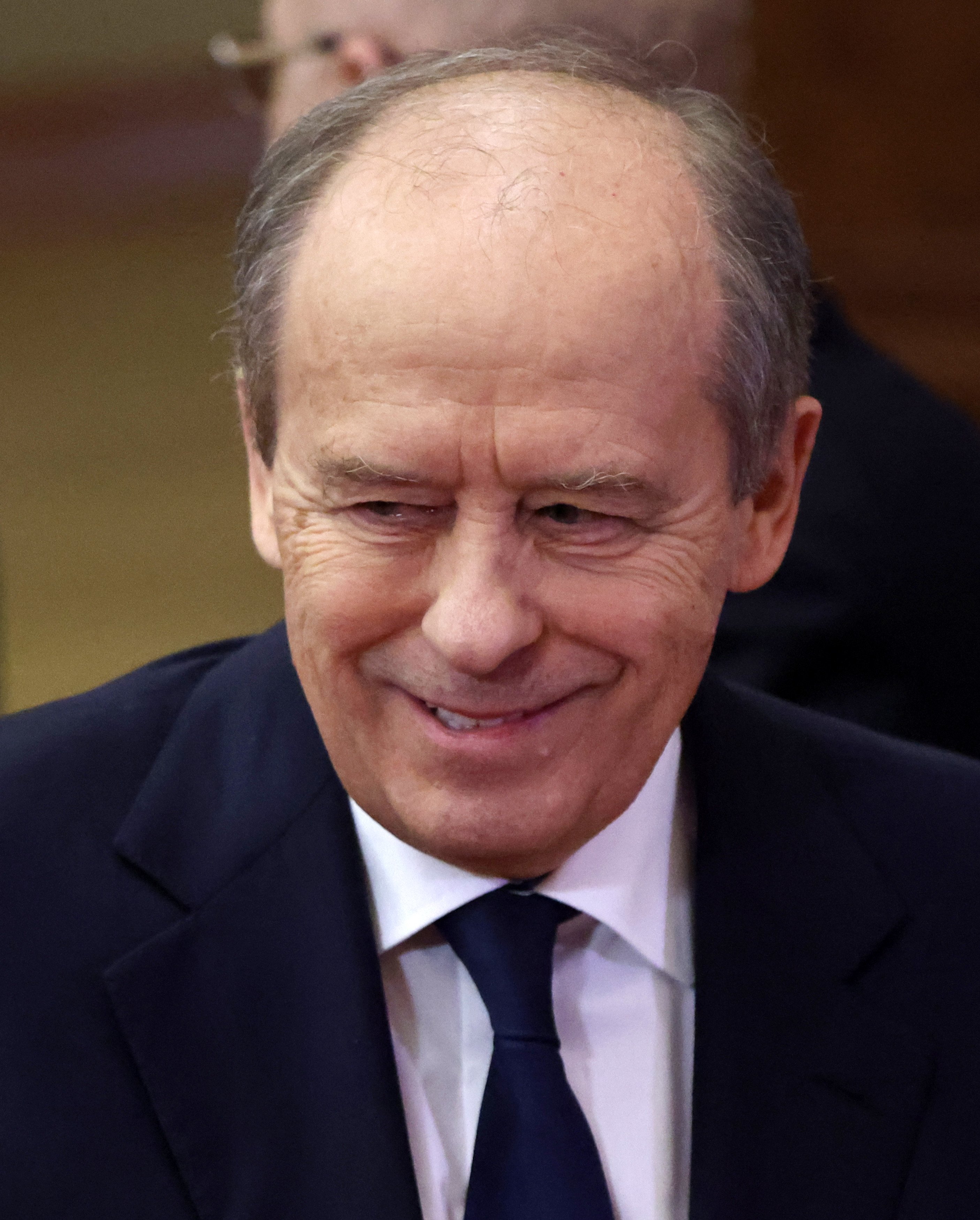
This stability stems from the very nature of the agency. Sean Wiswesser, a former senior CIA officer and author of a book on Russian intelligence, notes that unlike their Western counterparts, FSB officers do not swear an oath to the Constitution.
Their sole mission is to protect the regime and Putin personally, meaning their loyalty is directed toward him as an individual. Notably, analysts describe even the FSB’s elite units as “personally loyal to Putin.”
Thanks to this loyalty, the FSB has received an unprecedented expansion of its powers since the start of the war, according to Bloomberg, reaching levels not seen since the early 2000s. In particular, the agency can now launch investigations against virtually anyone without effectively having to account for its actions.
In the first few months of 2026 alone, the FSB’s powers were expanded five times, ranging from the authority to operate its own pretrial detention facilities to the power to decide which websites remain accessible to Russians.
Meanwhile, the Kremlin’s political administration, the Foreign Ministry, and the government’s financial and economic institutions have effectively been reduced to administrative bodies implementing decisions directed by the security services.
The difference between the FSB and other government agencies is that the latter are subject to external oversight. Traditionally, the FSB itself has been responsible for exercising that oversight, including through inspections and criminal investigations. This gives the security service powerful tools to monitor loyalty and gather compromising information.
In this system, the FSB is not the institution being scrutinized; it is the one doing the scrutinizing. There is simply no equivalent institution capable of exercising oversight over the FSB itself.
There is also a personal dimension: Putin once headed the FSB himself. He knows no other government agency, including the Defense Ministry, nearly as well.
Russian oligarchs
Russian oligarchs have faced the same choice as generals and ministers: demonstrate loyalty to the regime or pay the price for failing to do so. The consequences of expressing the wrong views offer some of the clearest examples.
Shortly after the invasion, in March 2022, Russian oligarch Oleg Deripaska, who headed the aluminum corporation Rusal, cautiously criticized the war. The Kremlin asked him to stop his criticism at least twice.
Soon afterward, a Russian court seized a hotel complex and yacht marina in Sochi worth $1 billion that belonged to companies controlled by the oligarch.
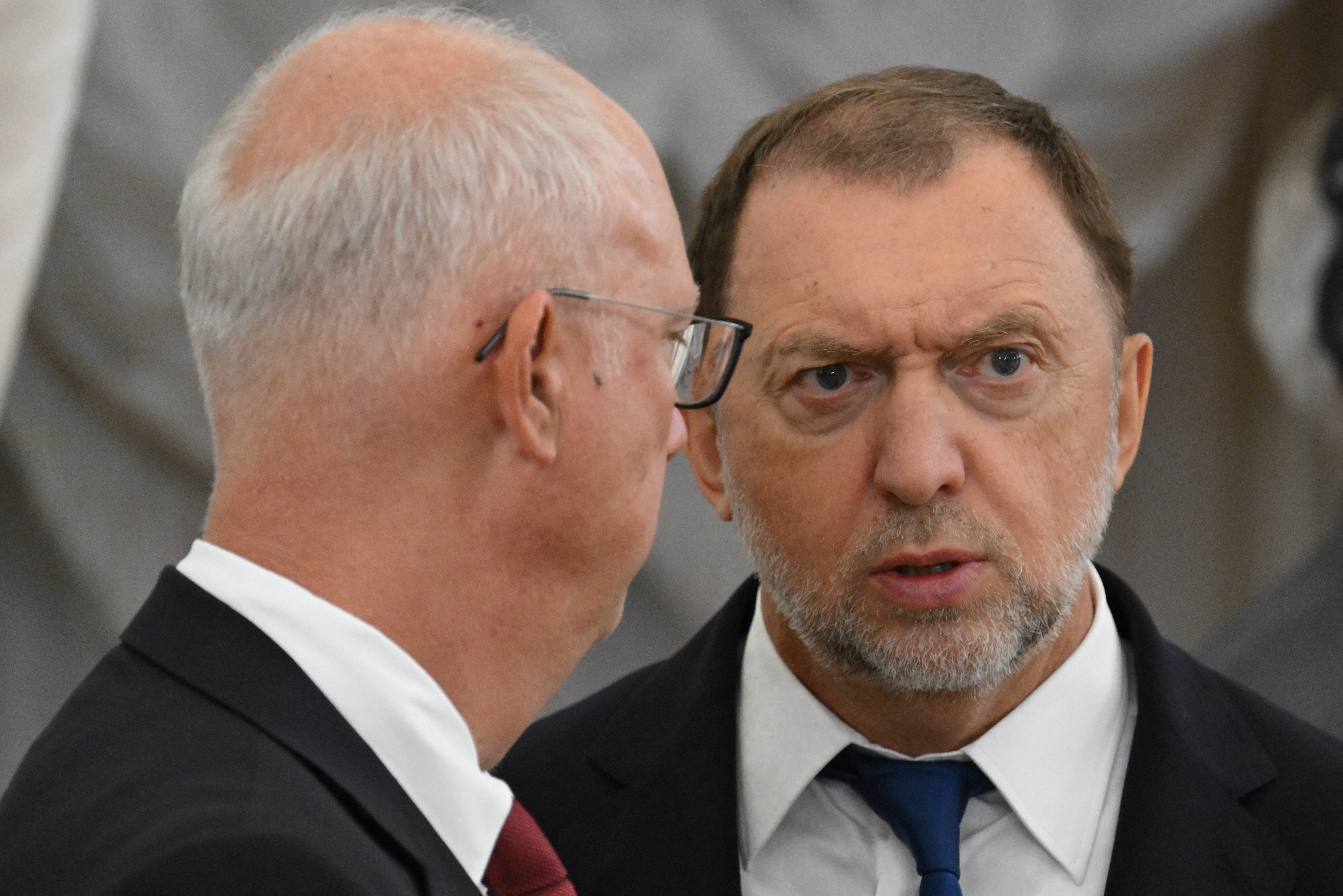
Kremlin spokesman Dmitry Peskov officially denied any connection between the court’s decision and Deripaska’s statements. However, the timing suggests a public warning directed not only at Deripaska but at Russia’s entire oligarchic elite.
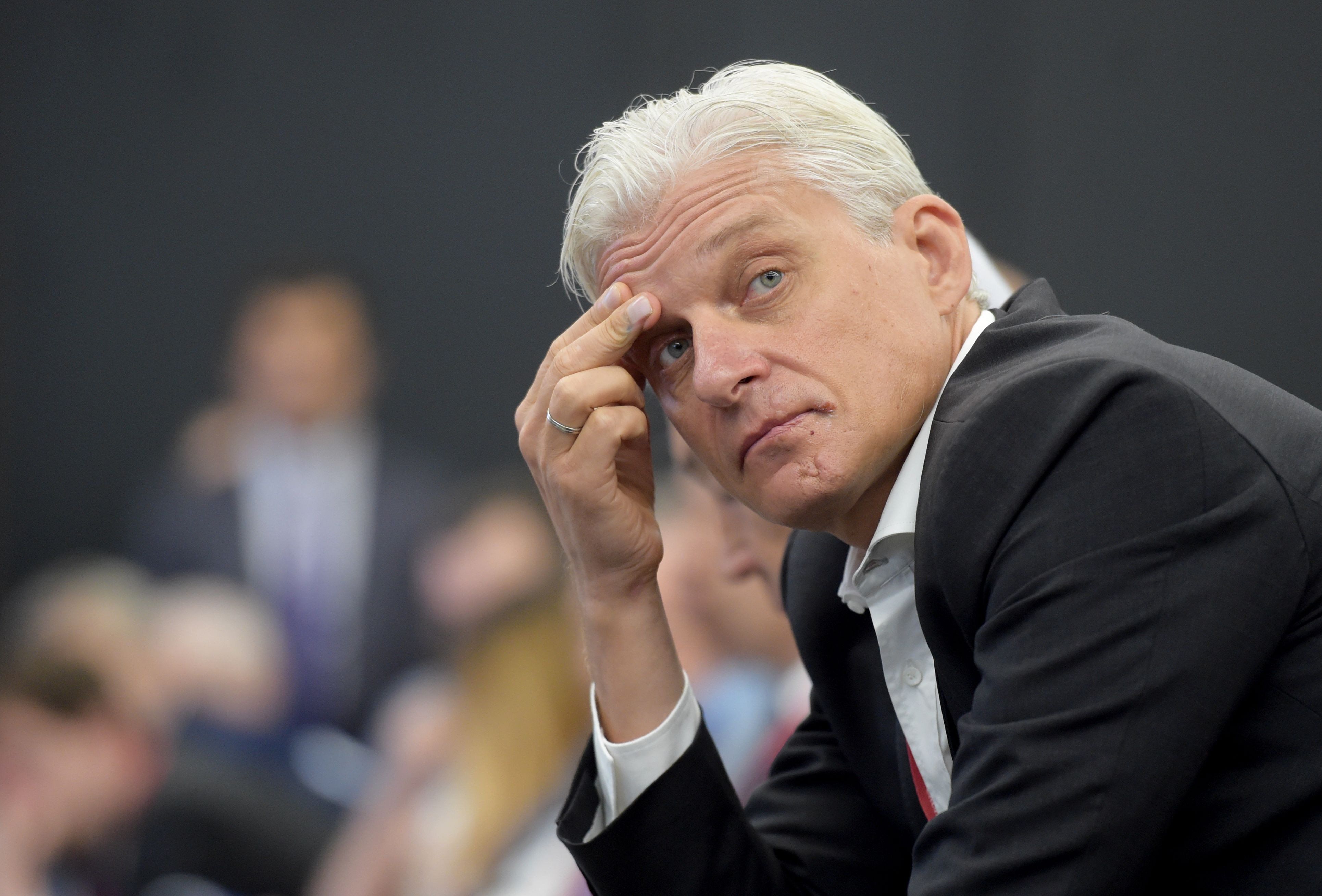
A similar situation unfolded with Oleg Tinkov, the founder of Tinkoff Bank. After he published an antiwar social media post in April 2022, representatives of the presidential administration contacted the bank’s management and threatened nationalization unless Tinkov severed all ties with the company.
Tinkov was forced to sell his stake to Vladimir Potanin, an established oligarch loyal to the regime. According to Tinkov himself, he received only a small fraction of its actual value.
By contrast, oligarchs who remain loyal to Putin receive direct rewards. During the war, this has taken place through so-called deprivatization: the confiscation of valuable assets from disloyal business owners and their transfer to new owners.
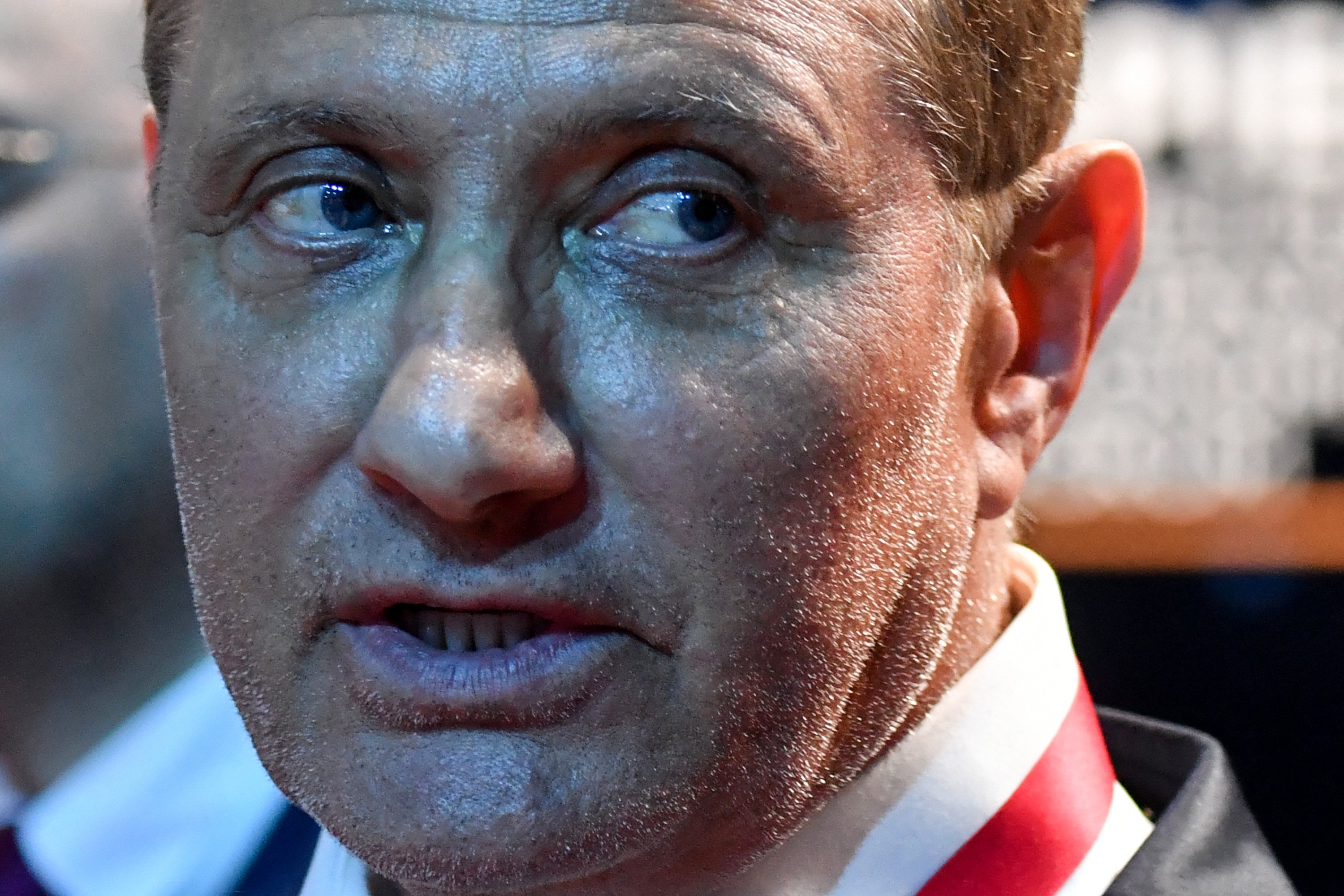
One of the biggest private beneficiaries of wartime deprivatization has been Boris Rotenberg, Putin’s childhood friend and former judo partner.
But the arrangement works both ways. When the government runs short of money, Putin also expects oligarchs to shoulder part of the financial burden.
On March 26, 2026, he held a closed-door meeting with representatives of major Russian businesses. Putin directly “suggested” that they make “voluntary” contributions to the state budget. Deripaska, who had previously faced consequences for his public statements, immediately agreed.
Formally, oligarchs are under no obligation to make such payments, but some consider it safer to pay. After all, their positions continue to depend not on the rule of law but on the president’s personal attitude toward them.
In this system, the FSB remains an instrument for enforcing compliance when necessary.
What comes next?
All of this suggests that Putin has become increasingly concerned about his own security since the mutiny.
If this process continues, the most immediate consequence will be a further narrowing of the circle of people capable of making independent decisions.
In the short term, this strengthens Putin’s control. The fewer autonomous players there are in the elite, the lower the likelihood of a conspiracy, mutiny, or public challenge like Prigozhin’s rebellion.
In the long term, however, the same logic creates vulnerabilities for the regime itself.
Centralizing power around a single individual means the system becomes increasingly dependent on Putin’s ability to make decisions and personally oversee an ever-expanding range of issues, from military affairs to economic policy and personnel appointments.
Officials stripped of their own networks of influence and initiative may be well suited to demonstrating loyalty, but they are ill-equipped to act independently in a crisis.
The result is a system that responds more slowly to emerging challenges while problems accumulate without anyone willing or able to bring them to the leadership’s attention.
This article was prepared as part of the cooperation between UNITED24 Media and the international analytical and information community Resurgam.
Discuss this article: