- Category
- War in Ukraine
One Year Later, a Single US-NATO Program Supplies 95% of Ukraine’s Patriot Missiles
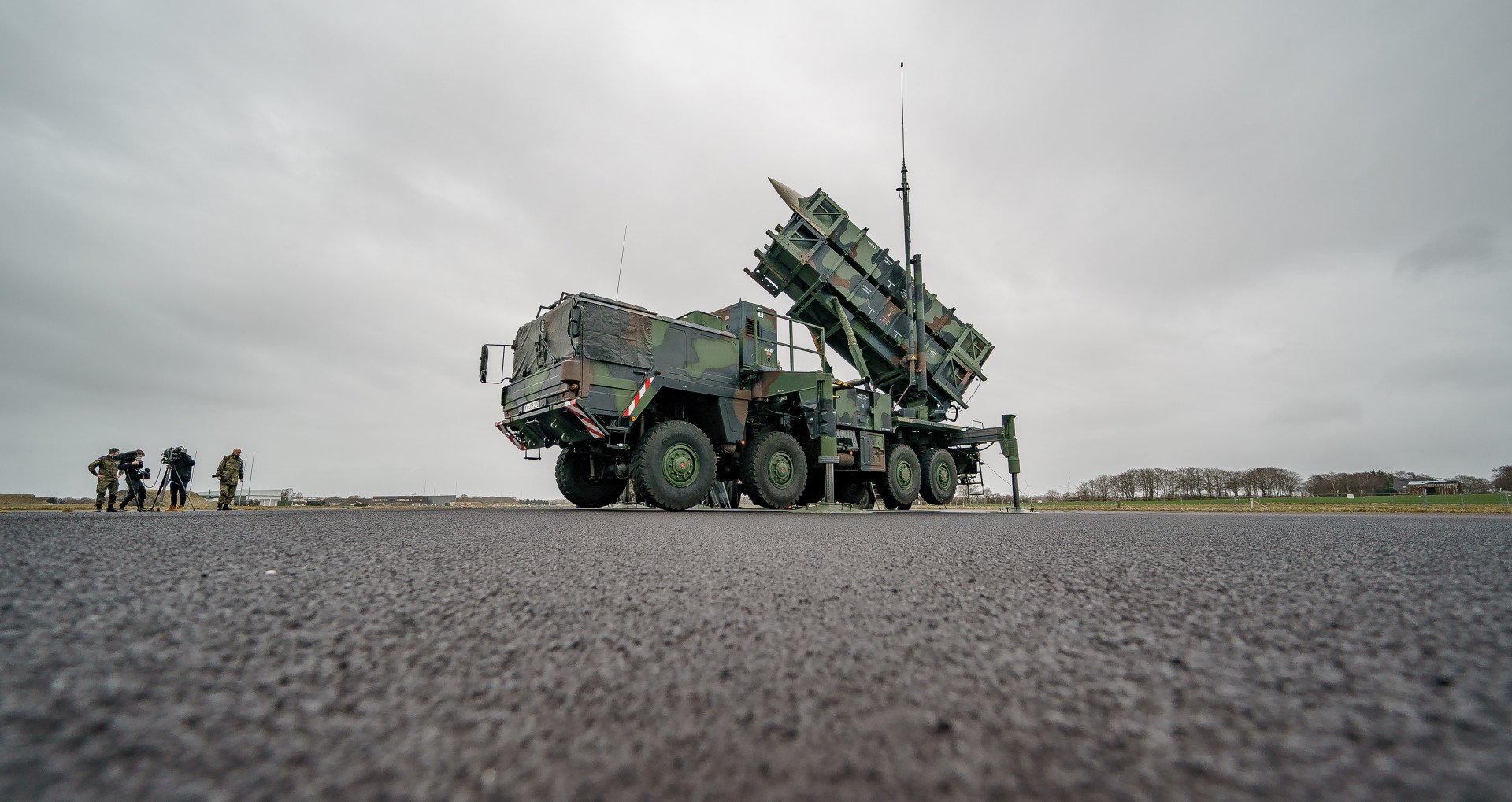
When the PURL program was launched in 2025, it promised to solve one of Ukraine’s most urgent military problems: getting Patriot interceptor missiles faster. One year later, the program is successfully helping Ukraine defend its skies against Russian ballistic missiles.
 Prefer U24 Media on Google
- Authors

-29a1a43aba23f9bb779a1ac8b98d2121.jpeg "Photo of Illia Kabachynskyi")
On July 14, 2025, NATO and the US reached an agreement to supply weapons to Ukraine, thereby launching the PURL mechanism.
It is a rare example of international cooperation that avoided getting bogged down in bureaucracy and, within just twelve months, became one of the primary channels for supplying Ukraine with air defense capabilities.
What is PURL?
The Prioritized Ukraine Requirements List, or PURL, is a mechanism established through an agreement among President Donald Trump, NATO Secretary General Mark Rutte, and President Volodymyr Zelenskyy. Essentially, it is a tripartite effort—Ukraine, the US, and Europe—with the option to involve other countries that support Ukraine in its resistance against the Russian aggression.
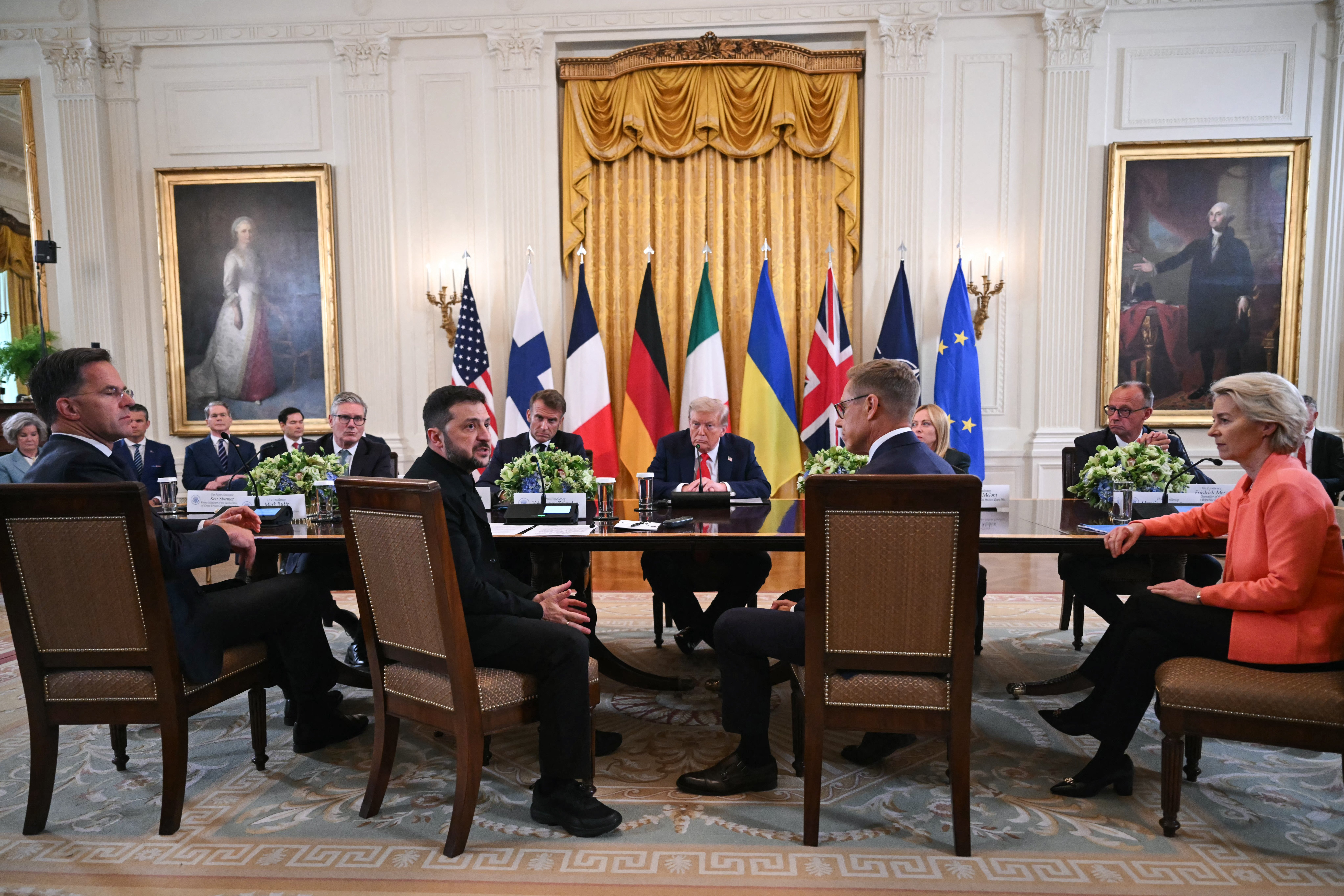
The concept is straightforward: Ukraine assembles aid packages worth approximately $500 million each, outlining its highest-priority defense requirements. NATO allies, coordinated by Rutte, then determine which countries will finance each package, while NATO Supreme Allied Commander Europe Gen. Alexus Grynkewich identifies which weapons and equipment the US can provide.
The mechanism’s key advantage is that the weapons are drawn from existing US stockpiles, some of which are already pre-positioned in Europe. As a result, deliveries can be made far more quickly than under traditional procurement contracts.
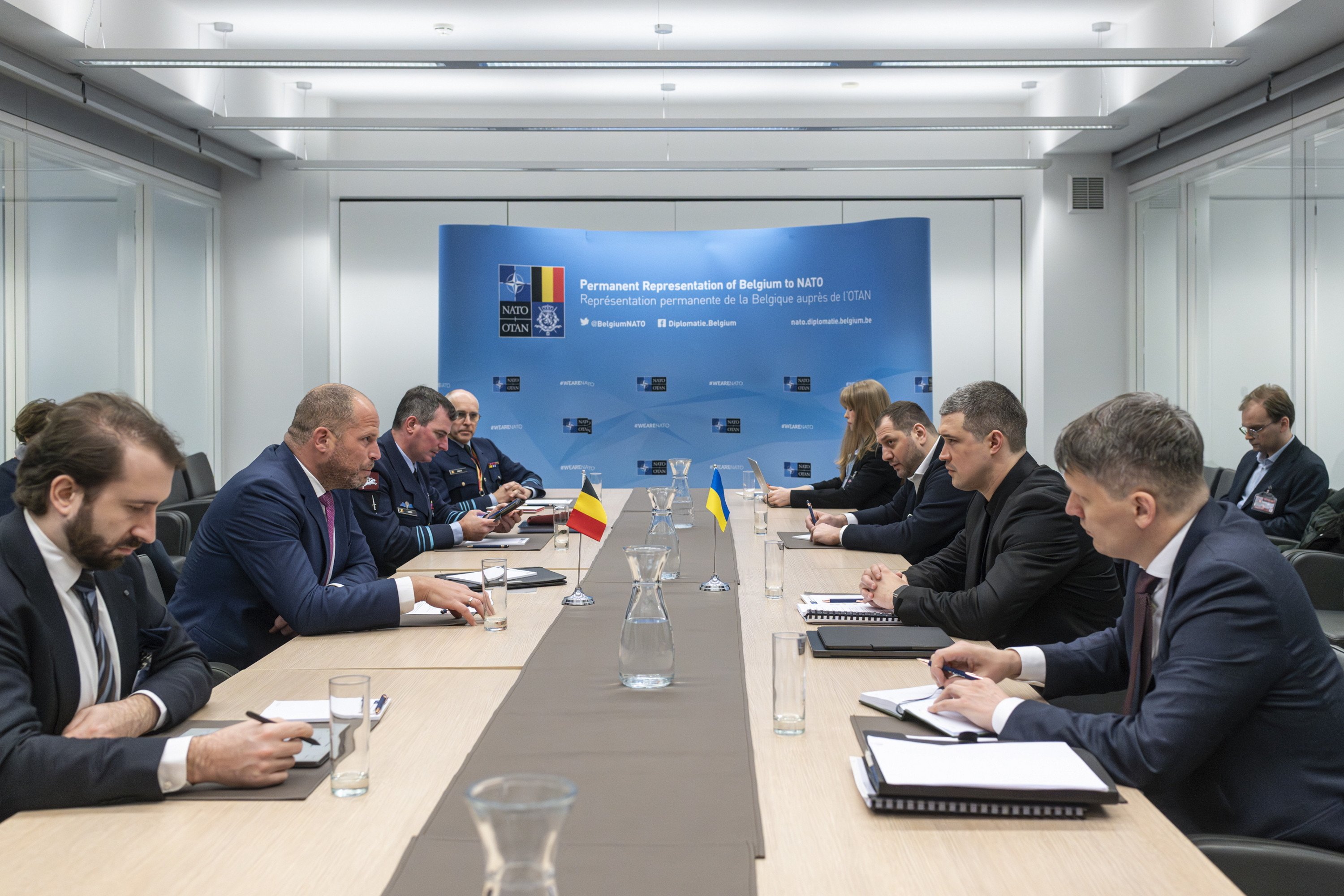
The first shipment of weapons under PURL arrived in Ukraine as early as September 2025.
One year of PURL by the numbers
Over the past year, 29 countries joined the initiative, including 26 NATO members and three partner countries, among them Australia and New Zealand. Total contributions reached $6.7 billion, financing more than 10 weapons packages for Ukraine’s Armed Forces.
The largest contributors were:
Norway—$1.36 billion
the Netherlands—$1.163 billion
Germany—$900 million
Canada—$834 million
Sweden—$546 million
PURL’s most important contribution to the everyday security of Ukrainians has been supplying interceptor missiles for Patriot air defense systems. Through PURL, Ukraine receives approximately 95% of all Patriot interceptors, including PAC-3 missiles—the very component of Ukraine’s air defense that night after night protects Kyiv, Kharkiv, and other cities from Russian ballistic missile attacks.
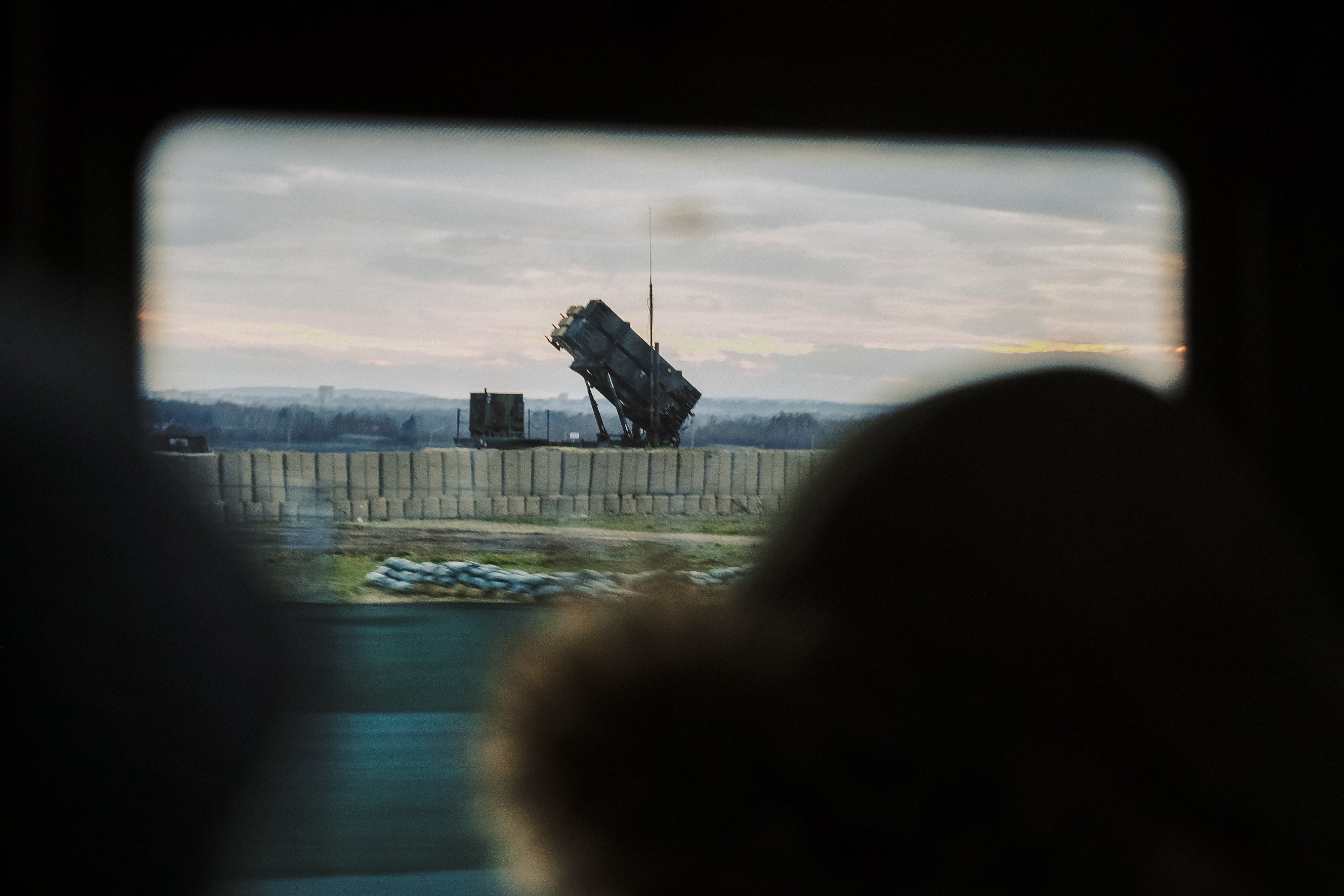
For Ukraine, a steady supply of these missiles is the only effective way to defend its skies against Russian ballistic threats. When interceptors are available, Ukraine does everything possible to maximize interceptions, often outperforming standard operational guidance—for example, using a single PAC-3 missile to destroy a ballistic target instead of the two missiles typically prescribed. Once stockpiles begin to run low, however, Russian ballistic missiles start reaching residential neighborhoods.
That is why PURL’s support is so critical. The mechanism addresses this specific vulnerability—not by supplying the Patriot systems themselves, but by ensuring a continuous flow of interceptor missiles, whose availability determines whether a Russian missile reaches its target or is destroyed in the air.
Why the US-NATO PURL model works
PURL has demonstrated what allied support can look like when it operates at maximum speed. Instead of each country negotiating separately with the United States for its own deliveries—duplicating efforts and spending months on coordination—the allies pooled their resources into a single, coordinated mechanism.
Norway, the Netherlands, Germany, and Sweden have emerged as the principal donors, but the format has also enabled smaller economies to participate—from the Baltic states to Australia and New Zealand, countries geographically distant from the war in Europe that nevertheless made a deliberate decision to join the coalition.
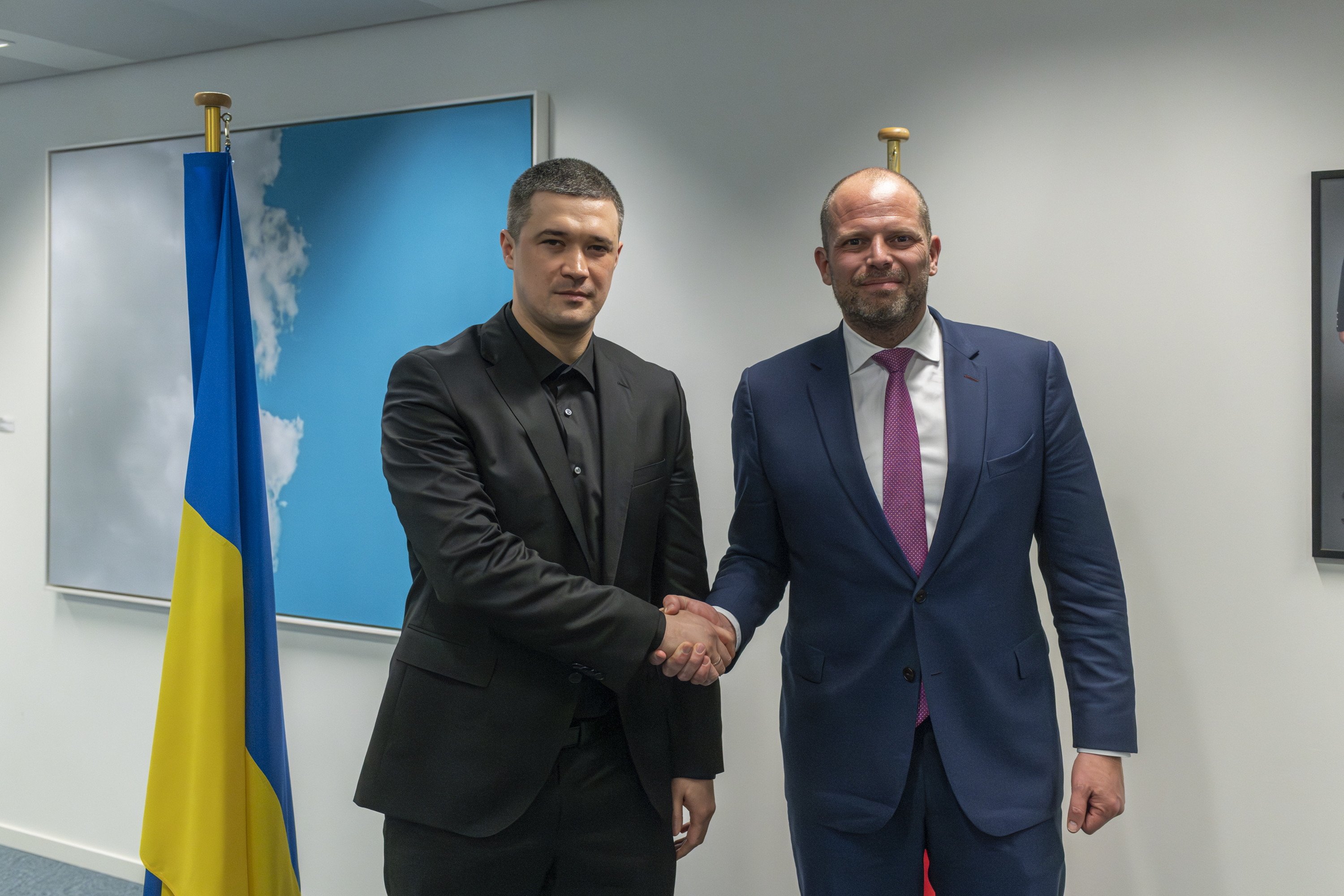
After one year in operation, PURL has proven that the mechanism works: funding translates into interceptor missiles deployed at operational positions, while the circle of donors continues to expand. It is precisely the kind of support mechanism that should not only be maintained but expanded, as every additional funding package means more Patriot interceptors protecting the skies over Ukrainian cities.
As long as Russia’s war continues, the need for a stable and predictable supply of air defense capabilities will remain. During its first year, PURL demonstrated that this model of international cooperation can consistently meet that need rather than on an ad hoc basis.
Discuss this article:


-111f0e5095e02c02446ffed57bfb0ab1.jpeg "Photo of Roman Kohanets")