- Category
- War in Ukraine
Russia Blocks Aid to Oleshky, UN Says
 Prefer U24 Media on Google
- Authors


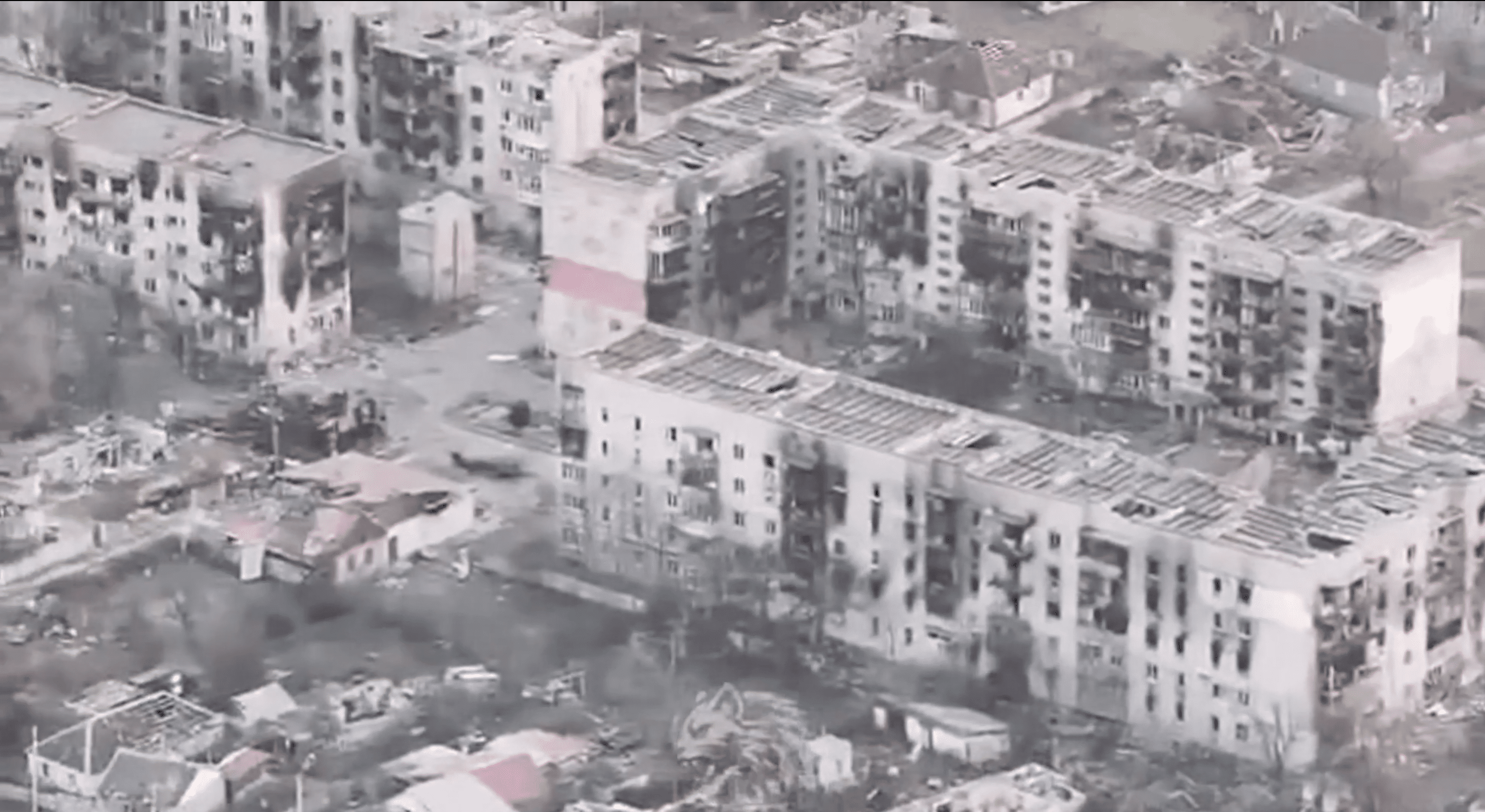
Thousands of civilians remain trapped in Russian-occupied Kherson region as Moscow withholds safe access for humanitarian aid and evacuation efforts, prompting international calls for an immediate local ceasefire.
Russia has not provided humanitarian organizations, including the United Nations, with safe access to the temporarily occupied cities of Oleshky and Hola Prystan in Ukraine’s Kherson region, where civilians are facing shortages of food and medicine.
We bring you stories from the ground. Your support keeps our team in the field.
According to Suspilne on September 26, UN Humanitarian Coordinator in Ukraine Matthias Schmale said the organization has received information indicating a difficult humanitarian situation in both communities.
The UN Human Rights Monitoring Mission in Ukraine has reported food shortages in the frontline communities, while security conditions have made it difficult for residents to obtain necessary medical care.
This is what Oleshky looked like before and after the russian occupation.
— восхищённый болгарин™ (@dedzaebal) September 27, 2026
Today, several thousand people are forced to survive there under famine-like conditions, under blockade. People are forced to wait for starvation or walk dozens of kilometers along mined roads, under the… pic.twitter.com/WPNnqb0ffl
“Under international law, the occupying power is obliged to provide the population with food and medical supplies and, when necessary, facilitate the provision of humanitarian assistance,” Schmale said, according to Suspilne.
He added that Ukrainian authorities had asked the UN to provide humanitarian assistance to the area, but Russia had yet to guarantee safe access for aid organizations.
“The Ukrainian authorities have appealed to the UN with a request to provide humanitarian assistance, but the Russian Federation has still not ensured safe access to this area for humanitarian organizations, including the UN,” Schmale said.
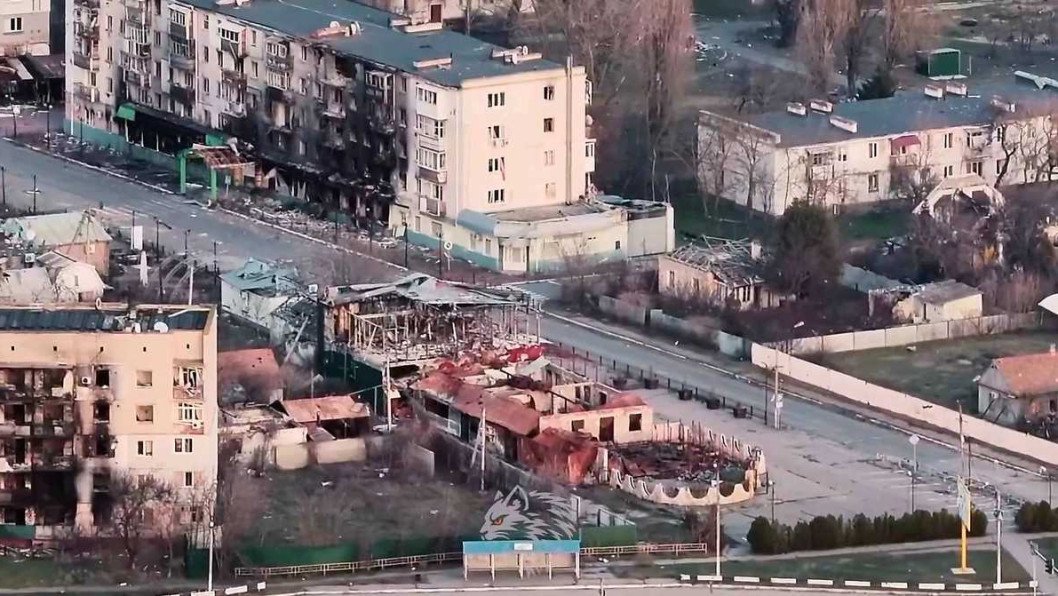
The situation in Oleshky has deteriorated for months. The city has been largely cut off from regular food supplies, electricity, gas, medicine, and transport links. Ukraine’s Foreign Ministry estimated that Oleshky’s population had fallen from around 24,000 before the full-scale invasion to approximately 2,000 people.
Ukrainian Ombudsman Dmytro Lubinets said in May that around 6,000 civilians, including approximately 200 children, required evacuation from Oleshky and nearby settlements. Ukraine and Russia discussed the issue on May 15, including a possible temporary ceasefire that would allow an evacuation to take place.
Russia, as expected, has started lying about Oleshky. When the humanitarian catastrophe reached the UN, russia admitted that there is a hunger crisis in the city, but cynically blamed Ukraine for it. They claim that Ukrainian drones are preventing food from being delivered. That… pic.twitter.com/X99i69dtbf
— восхищённый болгарин™ (@dedzaebal) September 25, 2026
Ukraine has since been waiting for Russia to provide the security conditions necessary to begin the evacuation.
On September 25, Council of Europe Commissioner for Human Rights Michael O’Flaherty called for a local ceasefire, unrestricted humanitarian access, and the safe evacuation of civilians from Oleshky. He stressed that Russia, as the occupying power, bears responsibility for providing essential supplies to civilians living in territory under its control.
Discuss this article:
-9a7b3a98ed5c506e0b77a6663f5727c5.png)