- Category
- War in Ukraine
Russia Targets 28,000 Additional Strike Drones Per Year via Rosatom Factory Expansion
 Prefer U24 Media on Google
- Authors

-72b63a4e0c8c475ad81fe3eed3f63729.jpeg "Photo of Cyril Barabaltchouk")
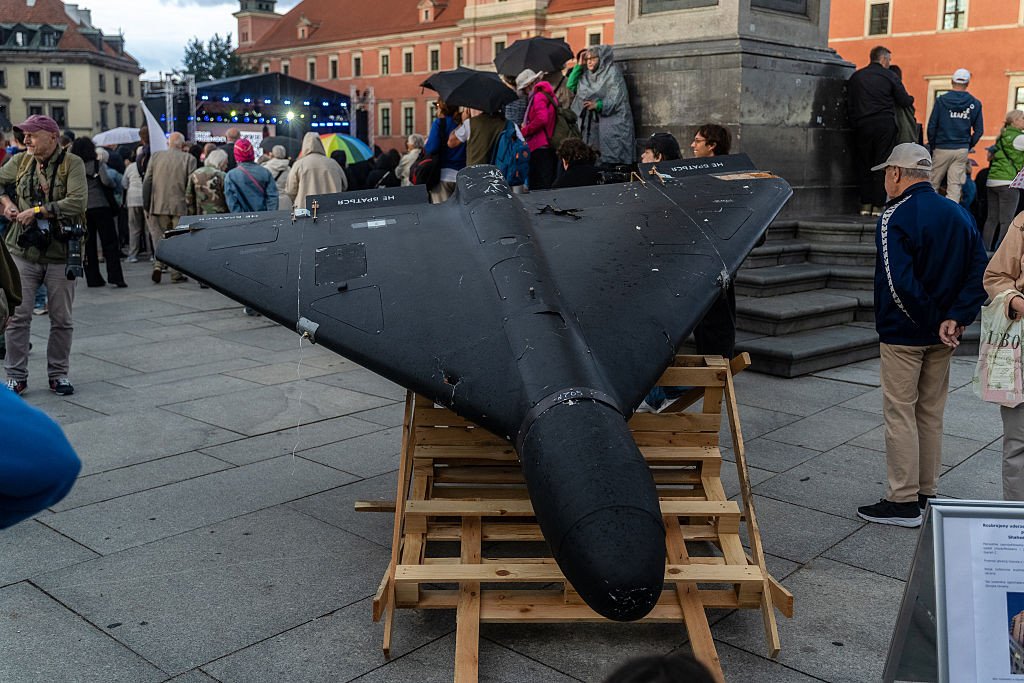
Russian state nuclear corporation Rosatom has drafted internal plans to expand its carbon fiber production capacity at the Alabuga-Volokno factory, Politico reported on September 20, citing leaked documents.
This would enable Moscow to manufacture an additional 28,000 weaponized suicide Iranian-designed Shahed drones per year.
We bring you stories from the ground. Your support keeps our team in the field.
The proposed expansion of the factory—located in Tatarstan’s Alabuga Special Economic Zone—would add 500 tons of aerospace-grade carbon fiber to Russia’s annual output by 2029, according to Politico.
Carbon fiber serves as a critical structural component in long-range drone airframes, reinforcing wings, fuselages, and internal fuel compartments without adding excessive weight.
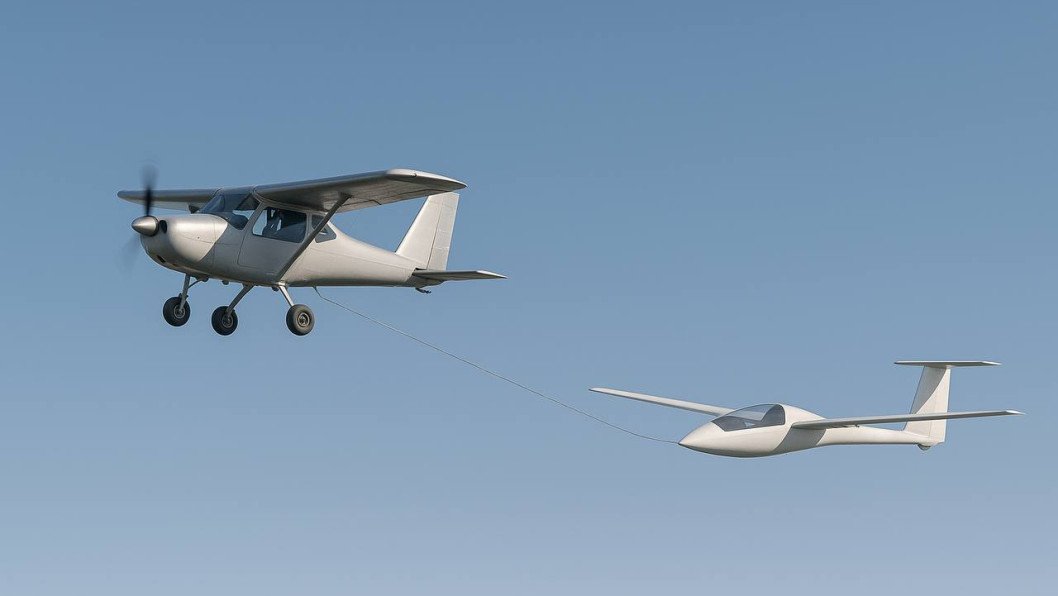
Ukrainian forces have previously struck the Alabuga drone production plant in Russia’s Tatarstan region—located over 1,200 kilometers from the border—using a towed glider bomb tactic.
During the deep-strike operation, a light unmanned aircraft towed a 100-kilogram explosive-laden glider before releasing it directly into the complex, damaging key manufacturing infrastructure.
“Without the carbon fiber, they can’t make the drone,” David Albright, founder of the Institute for Science and International Security, told Politico. Russia “can’t substitute for the carbon fiber in the drone and keep its weight down.”
The project relies on building a new plant to produce polyacrylonitrile (PAN) precursor materials, producing UMT42S-3K grade carbon fiber directly inside the special economic zone, Politico reported.
Documents verified by the US House Select Committee on China and Ukrainian intelligence indicate the expansion aims to substitute critical imports from China, ensuring a stable domestic supply chain for Moscow’s defense industry.
Satellite images taken between May and August show initial ground-clearing operations adjacent to the existing Alabuga-Volokno facility, according to Politico. Ukrainian estimates indicate Russia currently produces over 36,000 “Geran” strike drones per year, with state plans targeting 130,000 total military drones by 2030.
Security analysts warned that the scaling of Russia’s drone industrial base poses broader risks beyond the Ukrainian theater, according to Politico.
“The expansion of Alabuga and its affiliated enterprises should be viewed not merely as a problem for the Ukrainian front, but as a long-term challenge to the security of the whole of Europe,” said Serhii Kuzan, head of the Ukrainian Security and Cooperation Centre.
Russia had previously constructed approximately 42,000 square meters of underground production halls at its Alabuga complex in Tatarstan to protect its “Geran” (Shahed-136) drone assembly lines from long-range Ukrainian strikes.
Satellite imagery revealed hardened subterranean facilities and defensive lattice-tower structures designed to shield the site from drone and cruise missile attacks—a tactic modeled after Iranian underground military installations.
Discuss this article:



-80134f2dc17b4a887d01513a1c7bc929.png "Illustration of Russian military infrastructure targeted by Ukrainian strikes in temporarily occupied eastern Ukraine. (Source: General Staff of the Armed Forces of Ukraine)")