- Category
- War in Ukraine
Russian Lawmaker Urges Companies to Form Armed Units to Counter Drone Attacks
 Prefer U24 Media on Google
- Authors


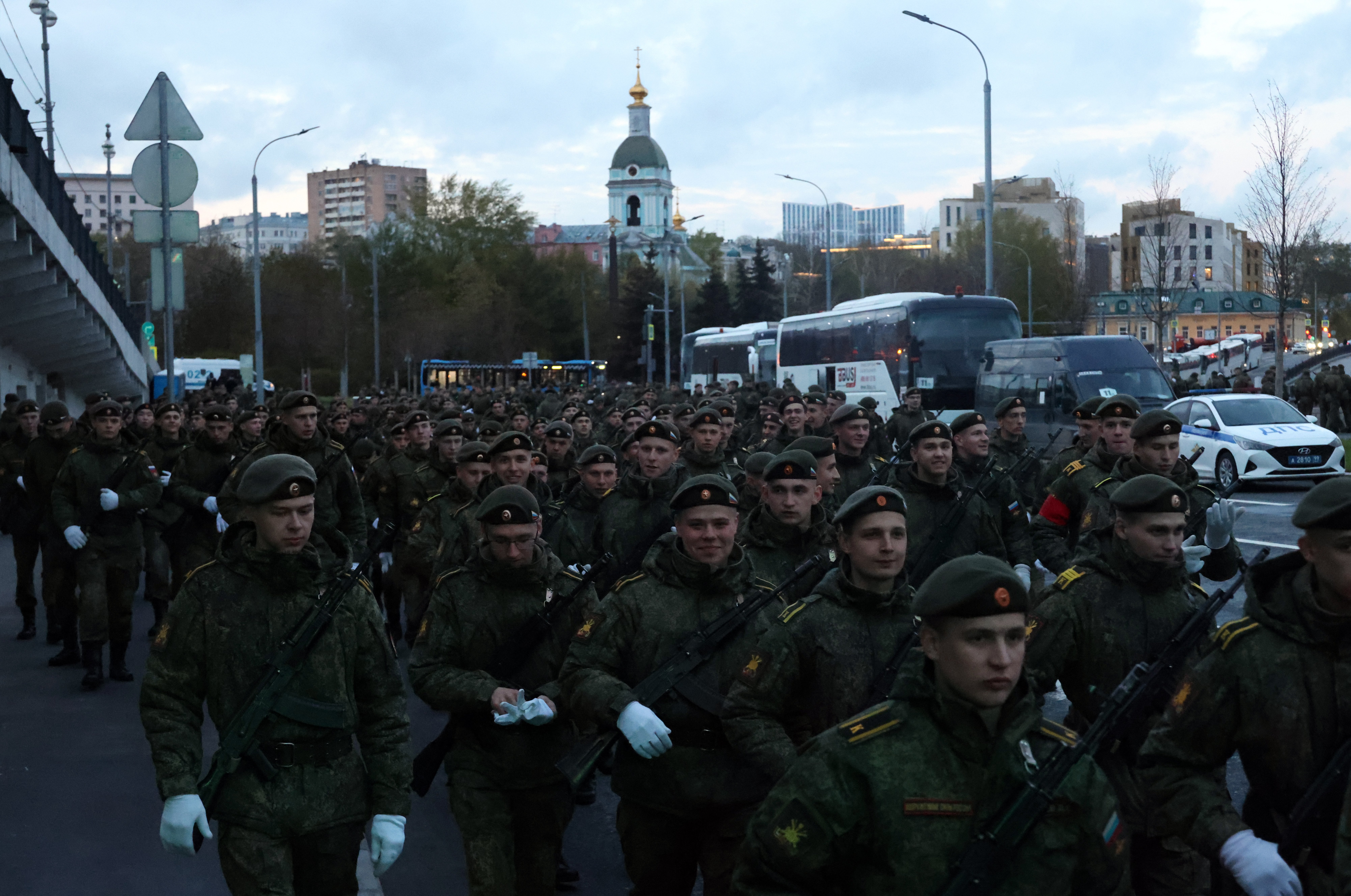
A senior Russian lawmaker has called on energy companies and other key enterprises to take responsibility for defending their facilities against Ukrainian drone strikes, including by forming their own armed units.
Sergey Mironov, head of the “A Just Russia” faction in the State Duma, said that recent legislative changes now allow private security organizations to acquire firearms to protect critical infrastructure.
We bring you stories from the ground. Your support keeps our team in the field.
“At the end of March, a long-awaited law came into force allowing private security organizations to obtain small arms to defend critically important facilities from drones. Now companies in the fuel and energy sector have all the capabilities to repel attacks by the Kyiv regime together with units of the Ministry of Defense,” Mironov said in comments to Gazeta.ru, according to The Moscow Times on April 30.
He argued that such measures would help reduce economic and environmental damage from drone strikes and urged the government to issue direct instructions requiring companies to take defensive action.
Russian firms began investing heavily in counter-drone systems during the first year of the full-scale war in Ukraine. Major oil companies, including Rosneft, Lukoil, Bashneft, Slavneft, and Transneft, reportedly spent around $11 million in 2023 on such equipment.
-314eac351277e521c9bf4a803e535f98.png)
However, portable counter-drone systems and anti-drone rifles have not fully protected facilities, as Ukrainian strikes on energy and industrial infrastructure continue.
The call to strengthen protection of critical infrastructure comes as Ukrainian forces continue to demonstrate the reach of their long-range strike capabilities.
On April 30, Ukraine’s Security Service (SBU) reported another drone strike on Russia’s oil sector, targeting the Lukoil-Permnefteorgsintez refinery in the city of Perm for a second consecutive day. The facility lies more than 1,500 kilometers (about 930 miles) from Ukraine.
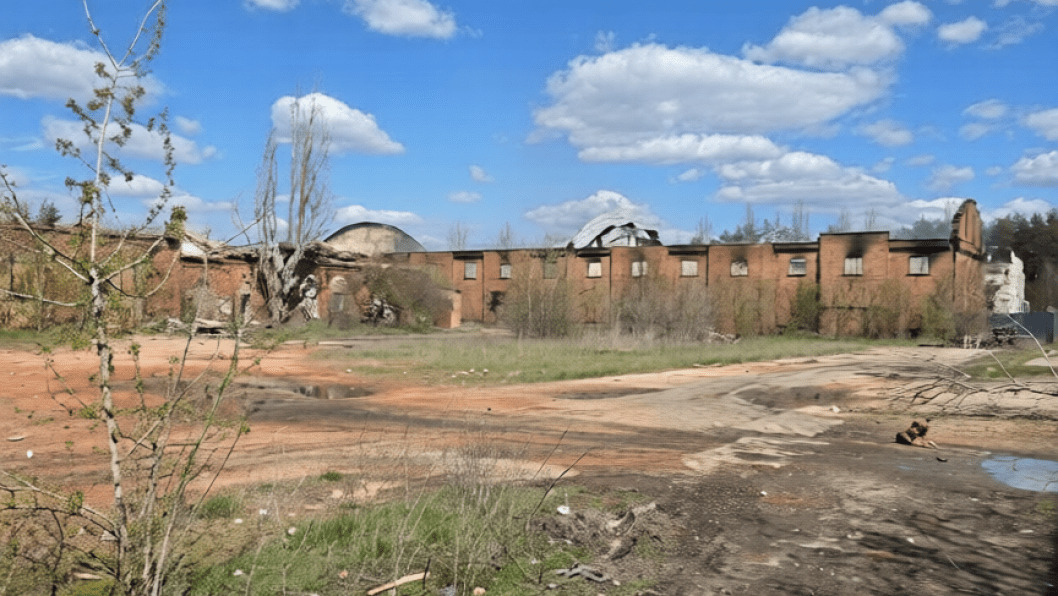
According to the SBU, drones operated by a special operations unit struck key components of the refinery, including the AVT-4 primary oil processing unit. The attack reportedly ignited both vacuum and atmospheric distillation columns, damage that could significantly disrupt operations.
The refinery is one of Russia’s largest, with an annual processing capacity of nearly 13 million tons, supplying fuel for both civilian use and the military.
Discuss this article: