- Category
- War in Ukraine
Russia’s Multi-Million Aircraft Shelters Can No Longer Stop Ukraine’s New Drones
 Prefer U24 Media on Google
- Authors


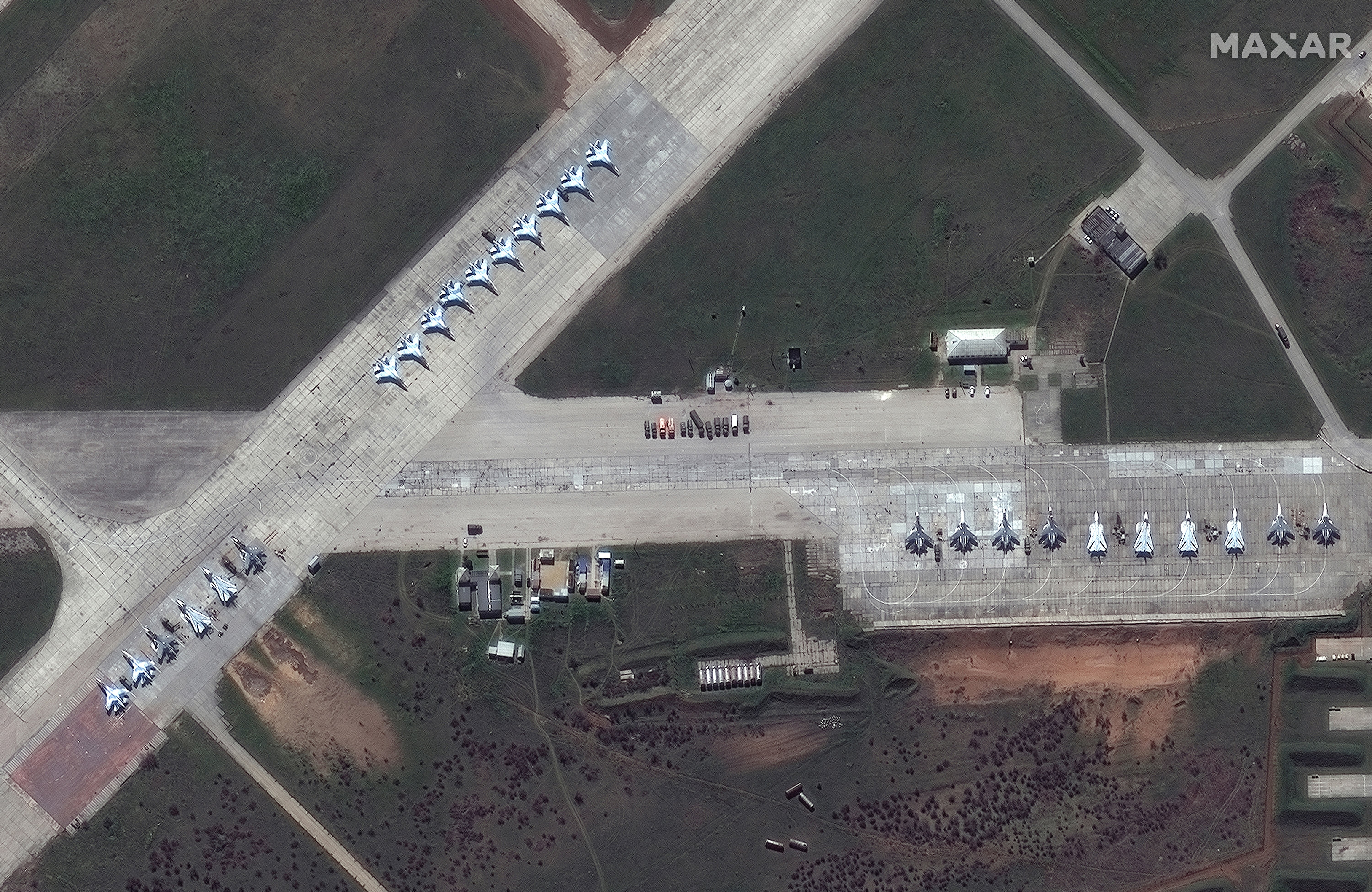
Ukraine’s reported ability to strike Russian combat aircraft inside reinforced aircraft shelters could force Moscow to reconsider how it deploys tactical aviation, according to an analysis published by Defense Express on July 1.
We bring you stories from the ground. Your support keeps our team in the field.
The outlet argues that recent Ukrainian drone developments have reduced the protective value of hardened hangars built across Russian air bases since 2024.
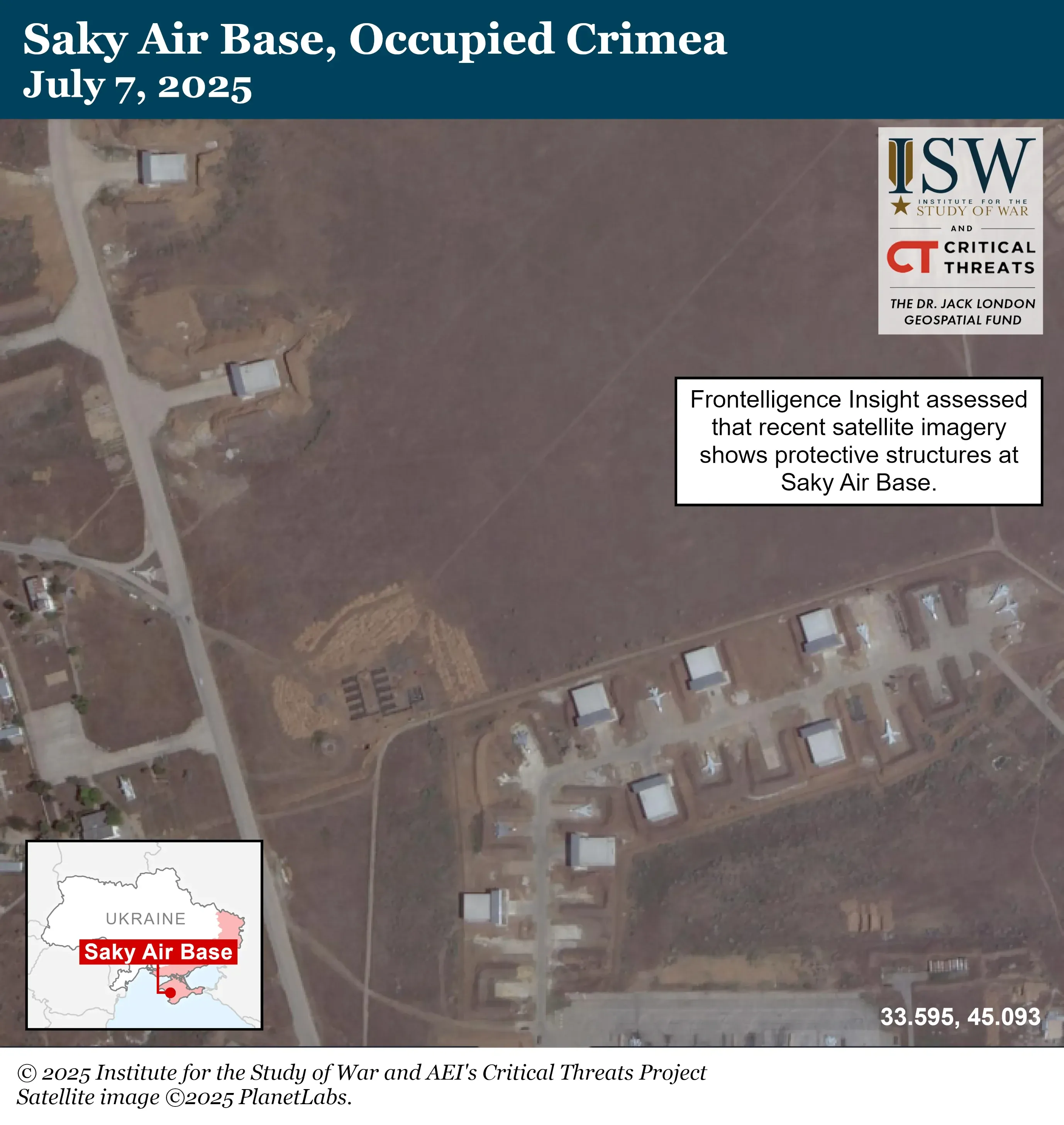
According to Defense Express, the assessment follows the Security Service of Ukraine’s (SBU) announcement that it struck Russia’s Saky military airbase in temporarily occupied Crimea. The SBU said the attack resulted in five hits on aircraft shelters housing Su-30 and Su-30SM fighter jets.
Since last fall, Russia have increased their effort to build shelters for aircrafts. I have identified 14 localtion where they have build or are building shelters. pic.twitter.com/JAbF0EhbL5
— Def Mon (@DefMon3) June 7, 2025
“After the attack, a fire was recorded inside the hangar where the Su-30SM was located, indicating the successful engagement of the target.” The statement was published by the SBU. The claims have not been independently verified.
According to Defense Express, Russia began constructing reinforced concrete aircraft shelters at Saky in late 2024 to improve protection against ATACMS cluster munitions and the warheads carried by Ukrainian long-range drones at the time.
The outlet estimates that around ten shelters were built at the airbase, with similar structures later appearing at 14 Russian military airfields located near Ukraine.
The analysis argues that larger Ukrainian drone warheads have altered that equation. Defense Express points to Ukraine’s FP-2 strike drone, which is reported to carry a warhead weighing approximately 200 kilograms.
According to the outlet, an explosion of that size could damage an aircraft inside a shelter even without fully penetrating reinforced concrete, as fragments of the inner concrete layer may become high-velocity projectiles after detonation.
Defense Express also notes that future drone designs could incorporate tandem or multi-stage warheads similar in concept to the BROACH system used by Storm Shadow and SCALP cruise missiles, where an initial charge breaches a structure before the main explosive detonates inside.
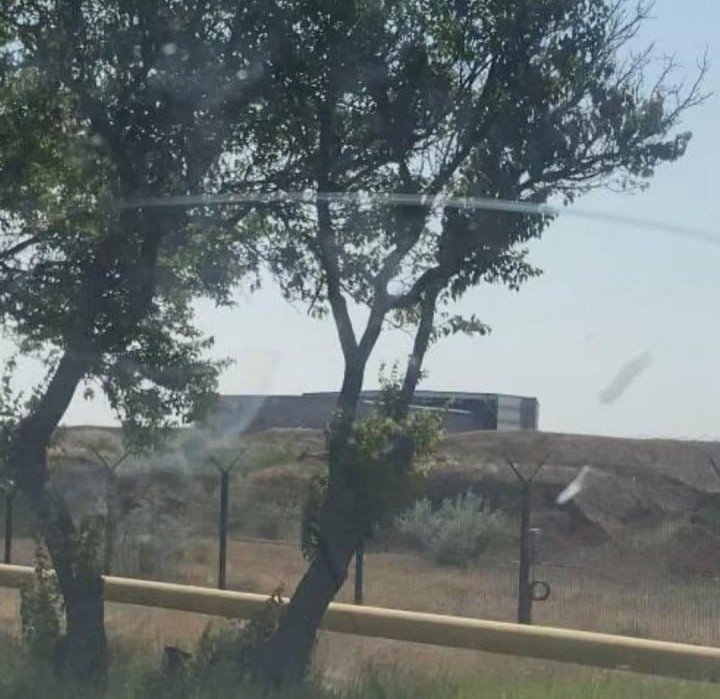
According to the publication, Russia now faces two potential responses. One option would be relocating tactical aircraft farther from Ukraine, reducing the reach of Ukrainian long-range drones but increasing flight times, fuel consumption, and airframe wear during combat missions.
The second option would be keeping aircraft at forward airbases, where they could remain exposed to attacks despite the presence of hardened shelters.
Earlier, Ukraine struck two Russian Tu-142 aircraft at the Taganrog Aviation Plant in Russia’s Rostov region. Analysis of satellite imagery indicated the aircraft had remained in long-term storage for more than 15 years before being relocated in April 2026—only weeks before they were hit by Ukrainian long-range drones.
Discuss this article:
-9a7b3a98ed5c506e0b77a6663f5727c5.png)