- Category
- War in Ukraine
Ukraine Launches “TrophyLab” Program to Share Captured Russian Weapon Tech with Allies
 Prefer U24 Media on Google
- Authors

-111f0e5095e02c02446ffed57bfb0ab1.jpeg "Photo of Roman Kohanets")
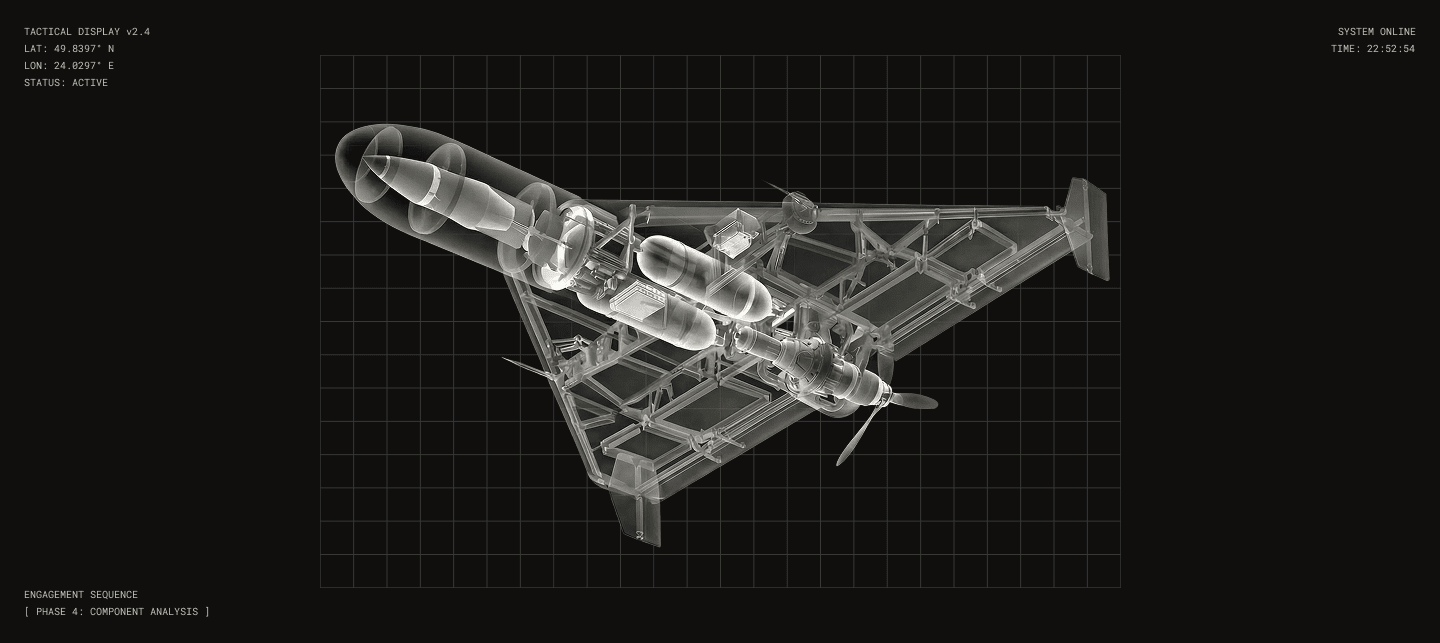
Ukraine has opened the inner workings of Russia's arsenal to the wider democratic world through a new state platform called TrophyLab, launched on June 19.
Ukraine's Defense Minister, Mykhailo Fedorov, framed the project as a deliberate end to secrecy around captured enemy technology.
We bring you stories from the ground. Your support keeps our team in the field.
"We are convinced that knowledge about the enemy's technologies should not remain closed. It must work for those who create protection," he wrote on Telegram the same day.
Fedorov described Ukraine's hands-on treatment of Russian systems recovered on the battlefield in blunt terms. "Russia uses its entire arsenal against Ukraine. We do not only deter strikes—we take this weapon apart down to the last screw," he stated.
Ukraine launches TrophyLab: we are opening access to captured Russian weapon technologies for our global partners. Every missile, drone, and vehicle seized on the battlefield is now a source of knowledge for the free world.
— Mykhailo Fedorov (@FedorovMykhailo) June 19, 2026
Through this secure platform, allied governments,… pic.twitter.com/IM6ujyFnPB
He added that material once meant to be a secret advantage now becomes open information for those who defend democracy.
The platform was presented by the Ministry of Defense’s official website on June 19 as a single research hub for studying captured Russian equipment. It pools data from units of Ukraine's Defense Forces, the Main Intelligence Directorate (HUR), the Security Service of Ukraine (SBU), and specialized scientific institutions.
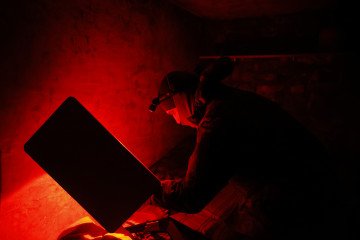
Verified users gain access to a catalog of drawings, technical documentation, and analysis of modern Russian weapons. Beyond the online archive, researchers can request physical trophy samples for their own study.
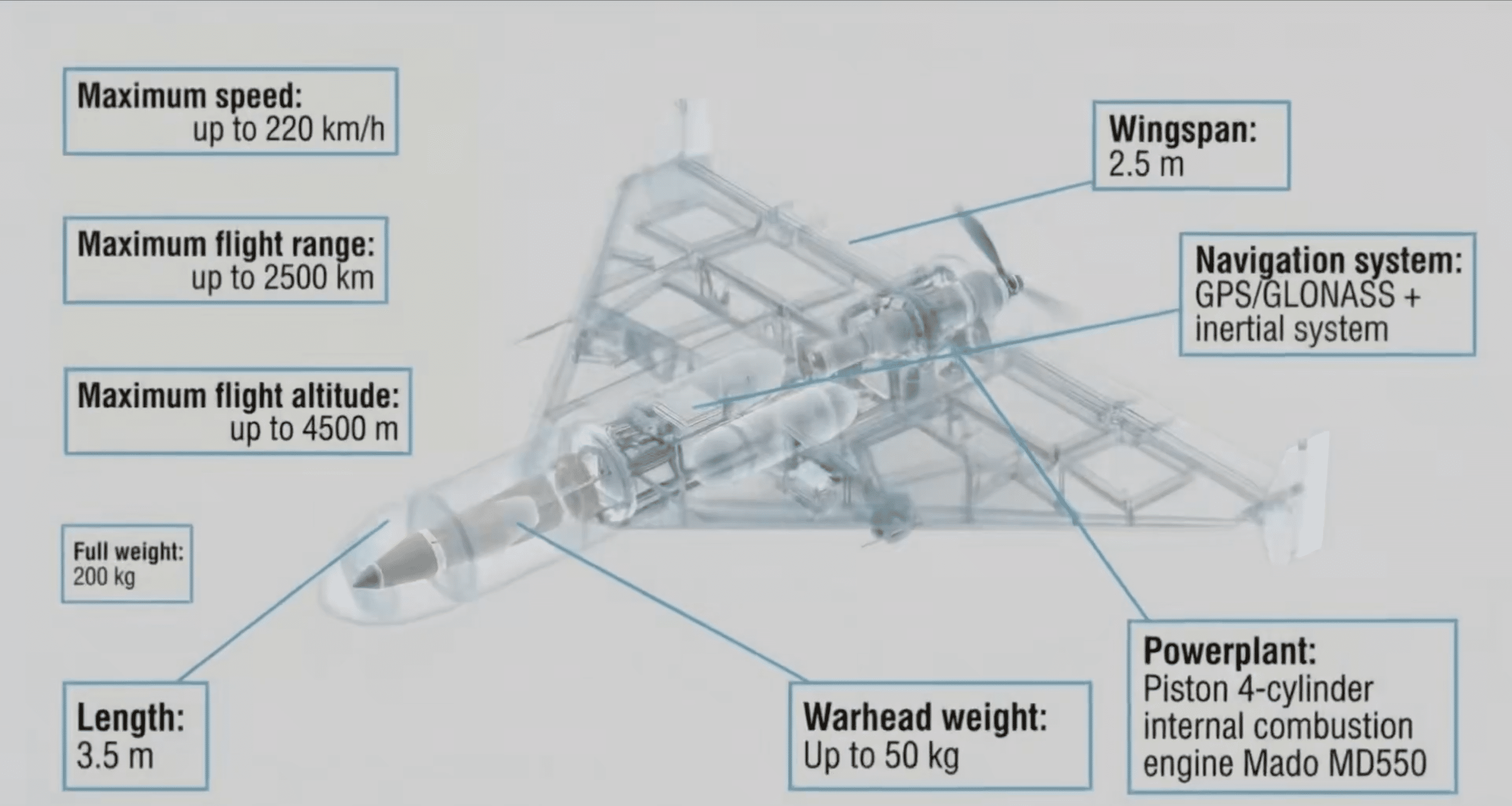
Several formats are available, ranging from non-destructive examinations to tests that involve full disassembly or sample destruction. That range lets engineers test counter-solutions on real enemy hardware and shorten the cycle of building defenses.
Access extends to Ukrainian defense manufacturers, military units, scientific institutions, and international partners assisting Ukraine. Applicants are screened for any ties to Russia, for the absence of Ukrainian or international sanctions, and for compliance with other mandatory criteria.
-69d03af11a3e9f45431b68b50d18e51c.png)
Officials cast the move as a contribution to allied defense as much as to Ukraine's own war effort, arguing that shared technical insight will speed the development of counter-systems across partner states. Fedorov tied the logic back to Russia's continued strikes.
"The more Russia uses its weapons, the more the world learns how to stop them," he noted.
The catalog institutionalizes a feedback loop that has tightened over the war: technical findings from dismantled Russian weapons increasingly drive the sanctions and export controls aimed at choking their supply.
That pressure has widened steadily, with a mid-June European package adding dozens of entities tied to Russian drone production, among them Chinese suppliers of hardware and components. Opening the underlying research to allied engineers points the same intelligence at both the battlefield and the factories that feed it.
Discuss this article:

-c439b7bd9030ecf9d5a4287dc361ba31.jpg "Photo of Katherina Popilnichenko")


-29a1a43aba23f9bb779a1ac8b98d2121.jpeg "Photo of Illia Kabachynskyi")